Which Planet Has The Most Extreme Seasons?
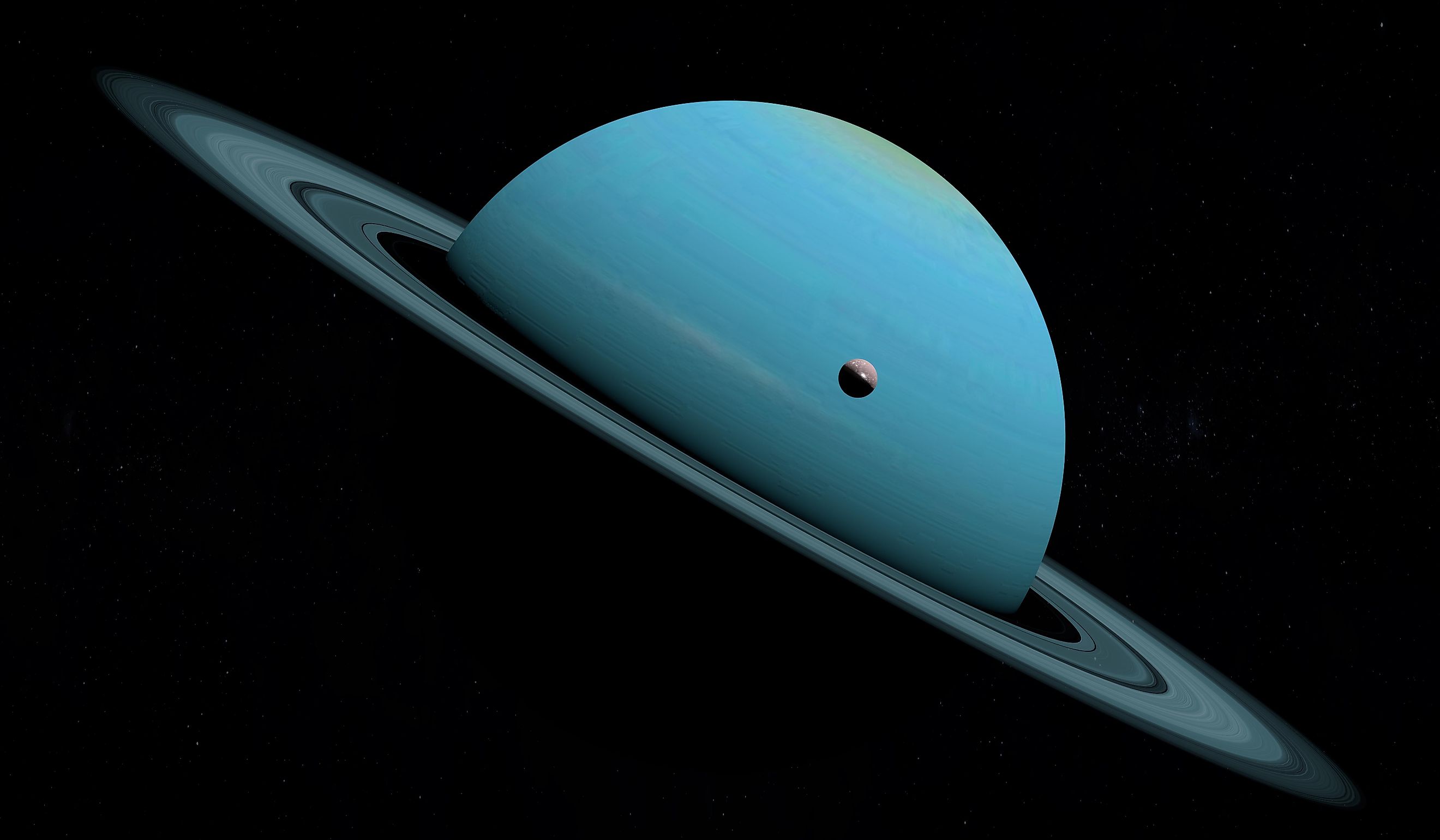
Imagine living on a planet where summer lasts for 21 years. You might want to think twice about wearing a T-shirt and shorts, though, because this isn't Earth. This is actually Uranus, where temperatures in the atmosphere can drop to around -224 degrees Celsius (-371 degrees Fahrenheit), while the core of this milky-colored ice giant reaches a scorching 4,982 degrees Celsius (8,996 degrees Fahrenheit). Either way, you're pretty doomed.
Uranus has the most extreme seasons in the solar system. Before we explore that further, let's make sure we all understand what seasons actually are, because it's not as straightforward as you might think.
What Are Seasons?

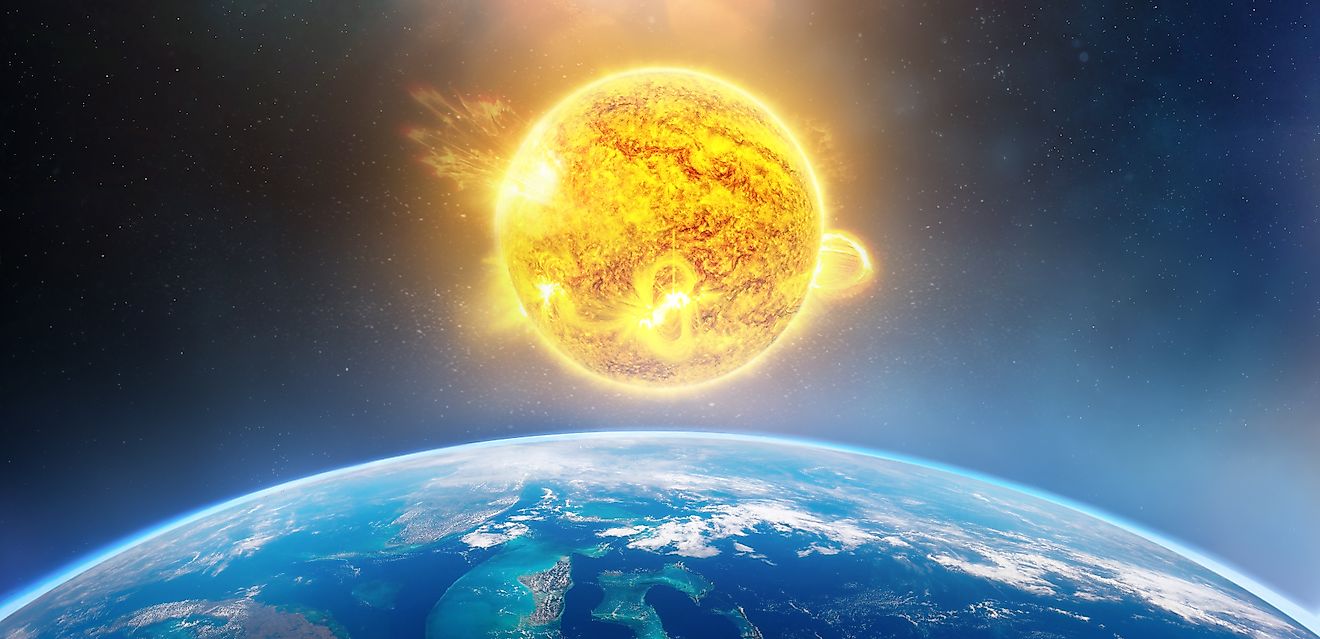
Despite what you might think, seasons are not determined by how close a planet is to the Sun. For example, Earth is closest to the Sun in early January, when the Northern Hemisphere is experiencing winter. Earth has an imaginary line running through its center from the North Pole to the South Pole.
This is known as the planet's rotational axis, and our planet completes one full rotation around this axis every day. This is what causes half of the planet to experience day while the other half experiences night.
Earth has seasons because its rotational axis is not perfectly upright relative to its orbit. Instead, Earth's axis is tilted at 23.5 degrees. This tilt means sunlight reaches different parts of the planet at different angles. When sunlight hits a surface directly, its energy is concentrated over a smaller area, making it warmer. When sunlight is spread over a larger area, less energy reaches each spot, making it cooler.
Why Do Planets Have Seasons?

A planet can experience seasons if it has a tilted rotational axis and orbits a star. This tilt causes one hemisphere to receive more direct sunlight during summer and less direct sunlight during winter.
As Earth travels around the Sun, the Northern and Southern Hemispheres take turns tilting toward it. The hemisphere tilted toward the Sun receives more direct sunlight and experiences longer days, which we call summer. The hemisphere tilted away receives less direct sunlight and has shorter days, which we call winter.
Earth's tilt also affects the length of the day. When one hemisphere tilts away from the Sun, it experiences shorter days and longer nights. When it tilts toward the Sun, it experiences longer days and shorter nights. Near the equator, sunlight remains relatively direct throughout the year, so day length changes less.
Closer to the poles, differences in daylight hours and temperatures can be much more dramatic. For example, countries near the equator, such as Ecuador, don't experience the same types of seasons as countries farther north or south. Instead, Ecuador gets 12 hours of sunlight all year round and has two seasons: the wet and dry seasons.
By contrast, parts of Norway experience up to 76 days of continuous midnight sun in the summer, while the Sun doesn't set in parts of Sweden for 50 days during the summer. In winter, however, some places in Sweden and Norway experience polar nights when the Sun does not rise for more than 24 hours. These can last for a month or longer.
The important thing to remember is that a planet does not need to move dramatically closer to or farther from the Sun to have seasons. Its axial tilt is more important.
Uranus Has the Most Extreme Seasons in Our Solar System
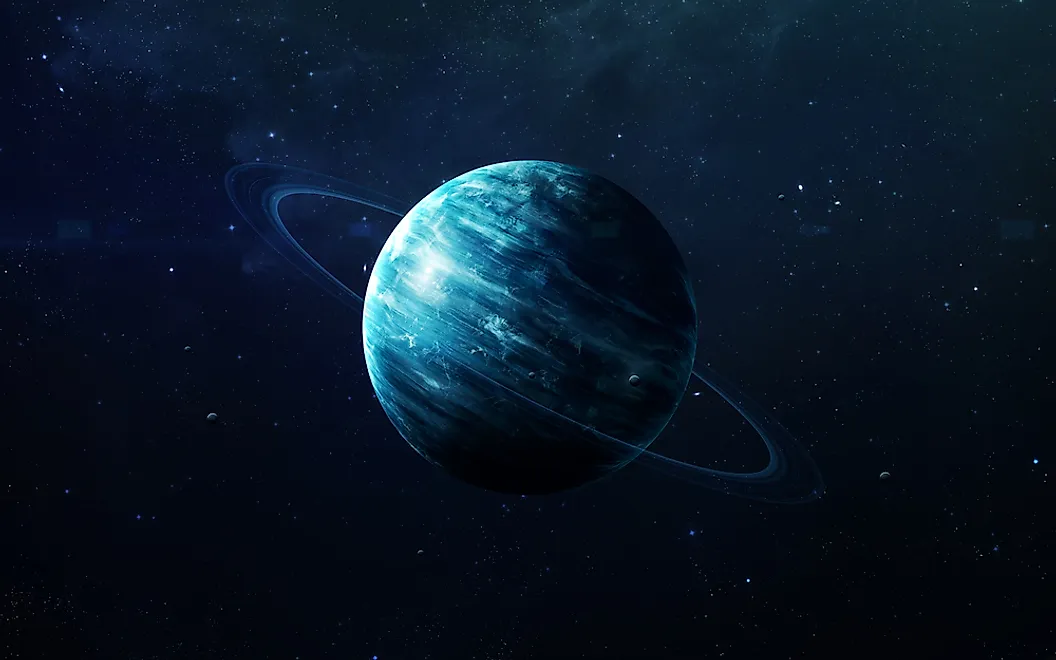
Uranus' rotational axis is tilted so far that the planet is practically rolling around the Sun on its side. For comparison, Earth's axis is tilted at 23.5 degrees, while Uranus' is tilted at approximately 97.8 degrees! This may be due to an ancient collision with an Earth-sized planet that effectively knocked the huge ice giant onto its side.
Uranus is very far away from our Sun—1.8 billion miles, to be exact. One complete orbit around the Sun takes Uranus 84 Earth years, which means each of its seasons lasts about 21 years.
For nearly a quarter of its orbit, the Sun shines continuously over one of the planet's poles before shifting to the other pole. As the planet moves around the Sun, the poles take turns experiencing prolonged periods of daylight and darkness. Imagine being on a planet where night can last for an unrelenting 21 frozen years—and you thought having a polar night for a month was difficult!
Spring and fall on Uranus are much more recognizable. The planet is still rotating on its axis as it moves around the Sun, so during equinox, a day and night cycle will last for around 17 hours and 14 minutes. So, although Uranus completes a rotation in about 17 hours, some regions near its poles can experience continuous daylight or darkness for decades.
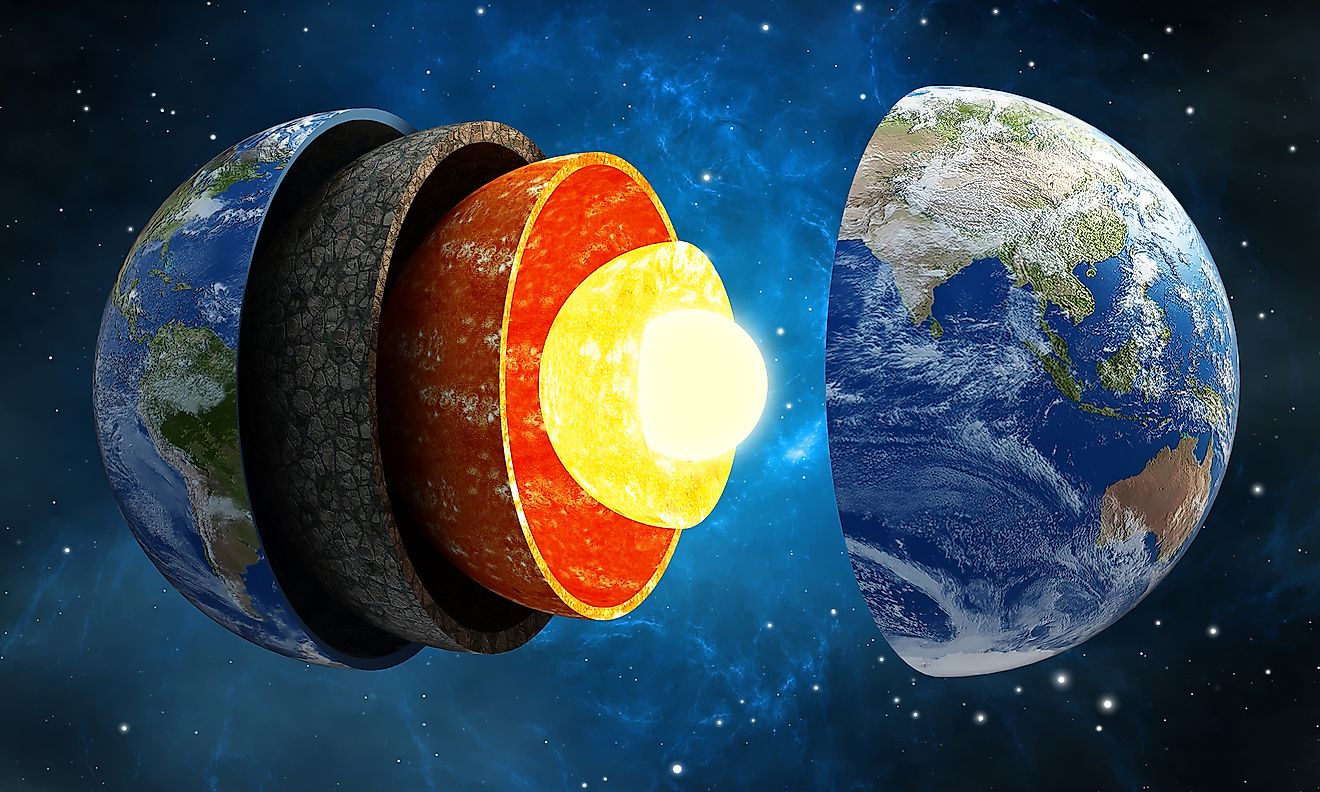
Uranus is brutally cold. Temperatures in its atmosphere can fall to around -224 degrees Celsius (-371 degrees Fahrenheit), while winds can reach approximately 560 miles per hour (900 kilometers per hour). This ice giant is largely composed of water, methane, and ammonia, with a rocky core. Temperatures are thought to reach around 4,982 degrees Celsius (8,996 degrees Fahrenheit) near the core, despite the frozen conditions in its atmosphere.
What Are the Seasons Like on the Other Planets?
Uranus has the most unusual seasons, but many other planets have their own version of seasonal change. Some experience very little seasonal variation, while others have seasons lasting decades.
Mercury Doesn't Really Have Seasons

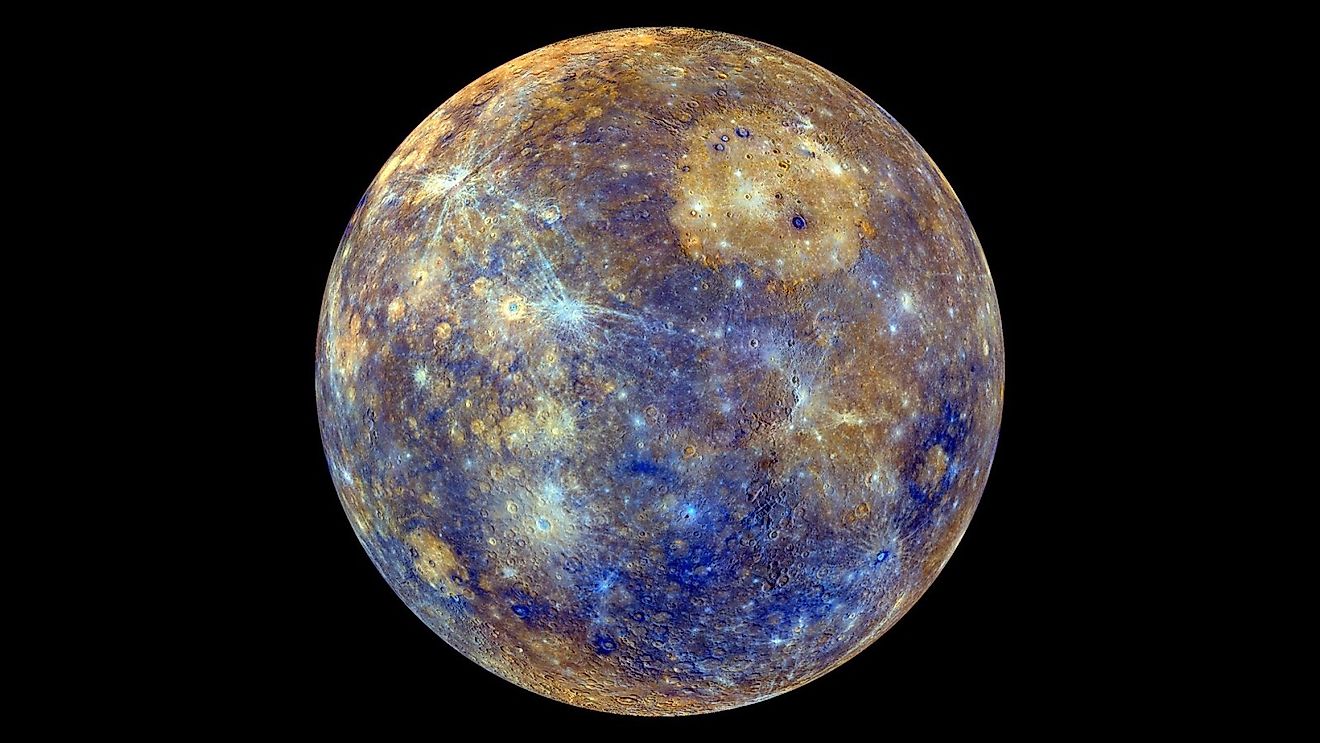
Mercury's axis is tilted by less than 1 degree, so its hemispheres do not experience major seasonal changes caused by axial tilt. The side facing the Sun is scorching hot, while the side facing away is bitterly cold. Mercury's lack of a substantial atmosphere allows enormous temperature swings between day and night. Surface temperatures can reach about 430 degrees Celsius (800 degrees Fahrenheit) during the day before falling to around -180 degrees Celsius (-290 degrees Fahrenheit) at night.
Venus Also Experiences Little Seasonal Variation

Venus' axis is tilted by only about 3 degrees, which isn't enough to create much of a seasonal effect, as both hemispheres receive nearly the same amount of sunlight all year round. Venus rotates backward compared with most of the other planets, and one day on Venus is equivalent to 243 Earth days. Venus has a thick carbon dioxide atmosphere that creates a powerful greenhouse effect, trapping heat. This means temperatures remain around 465 degrees Celsius (870 degrees Fahrenheit) across most of the planet throughout the year.
Mars Has Similar Seasons to Earth

Mars' axis is tilted at around 25 degrees, which is close to Earth's 23.5 degrees. Like Earth, Mars has four seasons, but it has a very thin atmosphere, so temperatures can change dramatically. Its poles are cold enough for carbon dioxide to freeze out of the atmosphere, while temperatures near the equator can reach a pleasant 30 degrees Celsius (86 degrees Fahrenheit).
A Martian year lasts 687 Earth days, so its seasons are about twice as long as Earth's. Mars also has a more elongated orbit than Earth, causing its seasons to differ in length.
Jupiter Has Mild Seasonal Changes
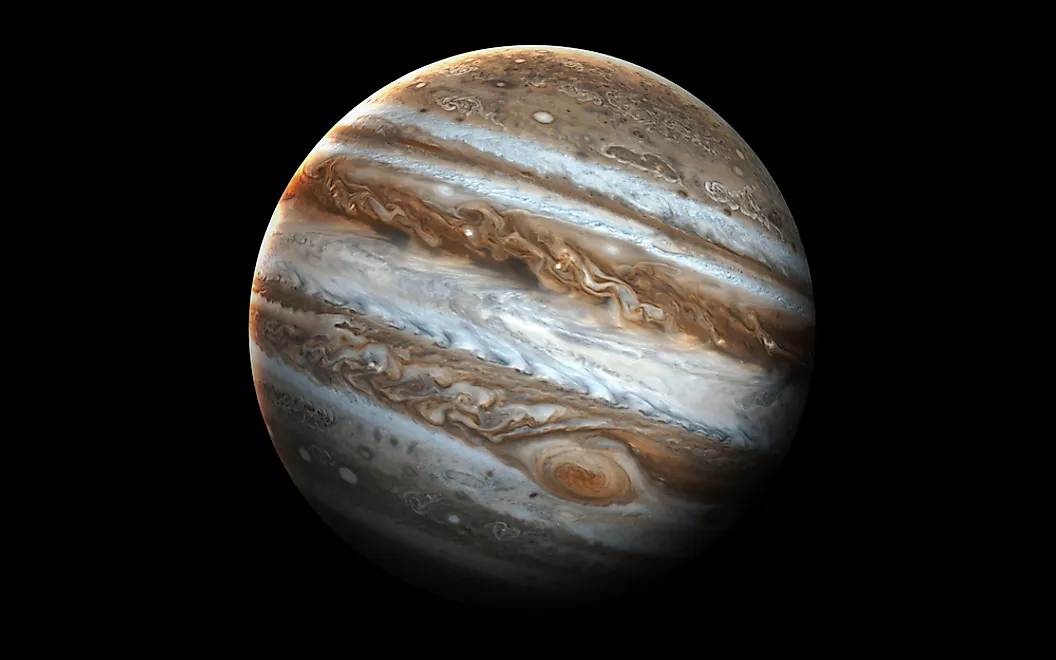
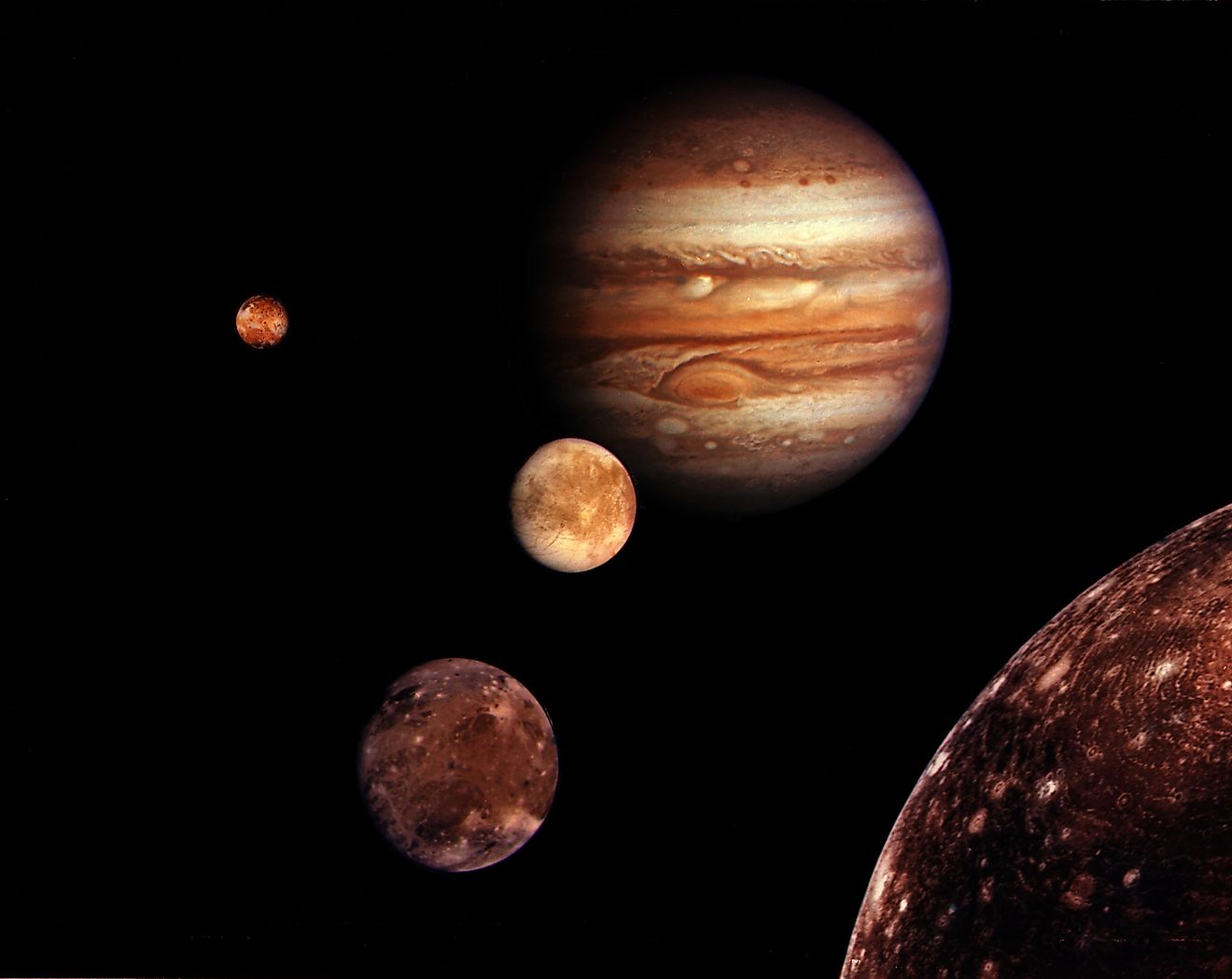
Jupiter's axis is tilted by only about 3 degrees, so the amount of sunlight received by each hemisphere doesn't change much throughout its orbit. Jupiter's gaseous composition also makes seasonal changes difficult to observe. Its seasons last around three Earth years because the planet takes almost 12 years to orbit the Sun. Jupiter does seem to experience cyclical temperature changes, but they are not linked to seasons or any other cyclical change we currently know of.
Saturn Experiences Much Longer Seasons

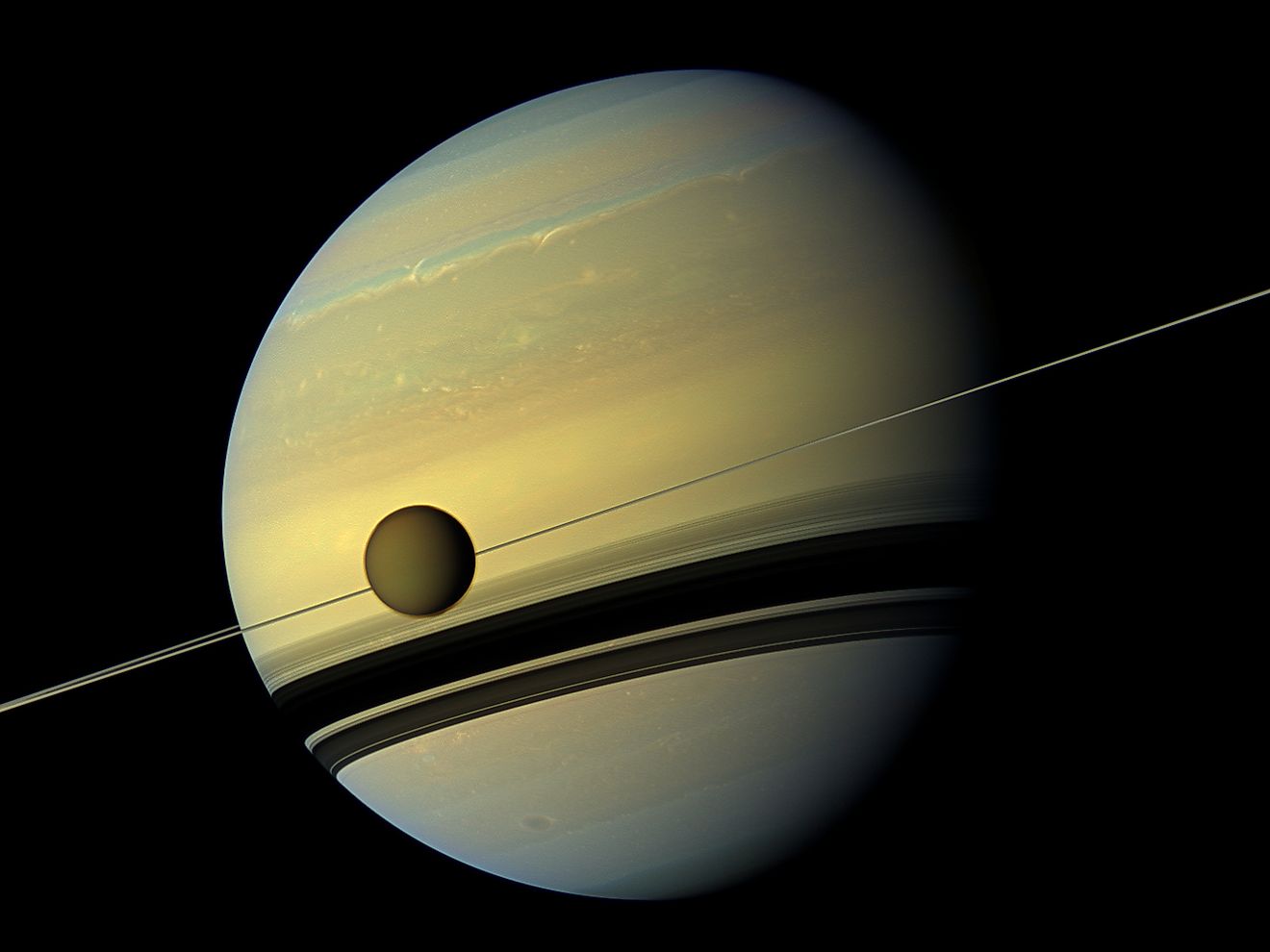
Saturn has a 27-degree axial tilt, similar to Earth's, so one hemisphere is tilted toward the Sun during one part of Saturn's orbit. Later in the planet's orbit, this tilt shifts toward the other hemisphere. Saturn takes about 29.5 Earth years to orbit the Sun, so each of the planet's seasons lasts more than seven years. Saturn's rings tilt back and forth from our perspective throughout the year, and they are fully illuminated during the solstices.
Neptune Has the Longest Seasons in Our Solar System

Neptune has a 28-degree axial tilt, which gives it a four-season cycle similar to Earth's. However, one year on Neptune lasts 165 Earth years, so each season lasts more than 40 years. Its atmospheric features, including bands and stripes, can change between seasons. Neptune has the longest seasons of any planet in our solar system, but Uranus has the most extreme axial tilt, which makes its seasons particularly unusual.
The Most Extreme Seasons in the Solar System
Uranus is essentially rolling around the Sun on its side. Its axis is tilted almost completely sideways. The ice giant's seasons last roughly 21 years each, and its poles can experience around 42 years of continuous daylight or darkness. Its atmosphere can reach temperatures of about -224 degrees Celsius (-371 degrees Fahrenheit), while winds race at hundreds of miles per hour and temperatures near its core reach a scorching 4,982 degrees Celsius (8,996 degrees Fahrenheit).
Uranus may not have the longest seasons in the solar system, but the fact that it rotates on its side means that one pole points toward the Sun for decades, experiencing the perpetual daylight of summer, while the other pole experiences decades of darkness and unending winter.