What Space Actually Smells Like
Astronauts have returned from spacewalks reporting the smell of seared steak, spent gunpowder, and hot metal, despite spending hours in a near-perfect vacuum. Some describe it as burnt meat, while others compare it to welding fumes or motorcycle brakes. Scientists still haven't established exactly what causes such a strange melange. Stranger still, the chemicals found elsewhere in the universe suggest that some worlds might smell like gasoline, rotten eggs, or even rum.
What Astronauts Actually Smell

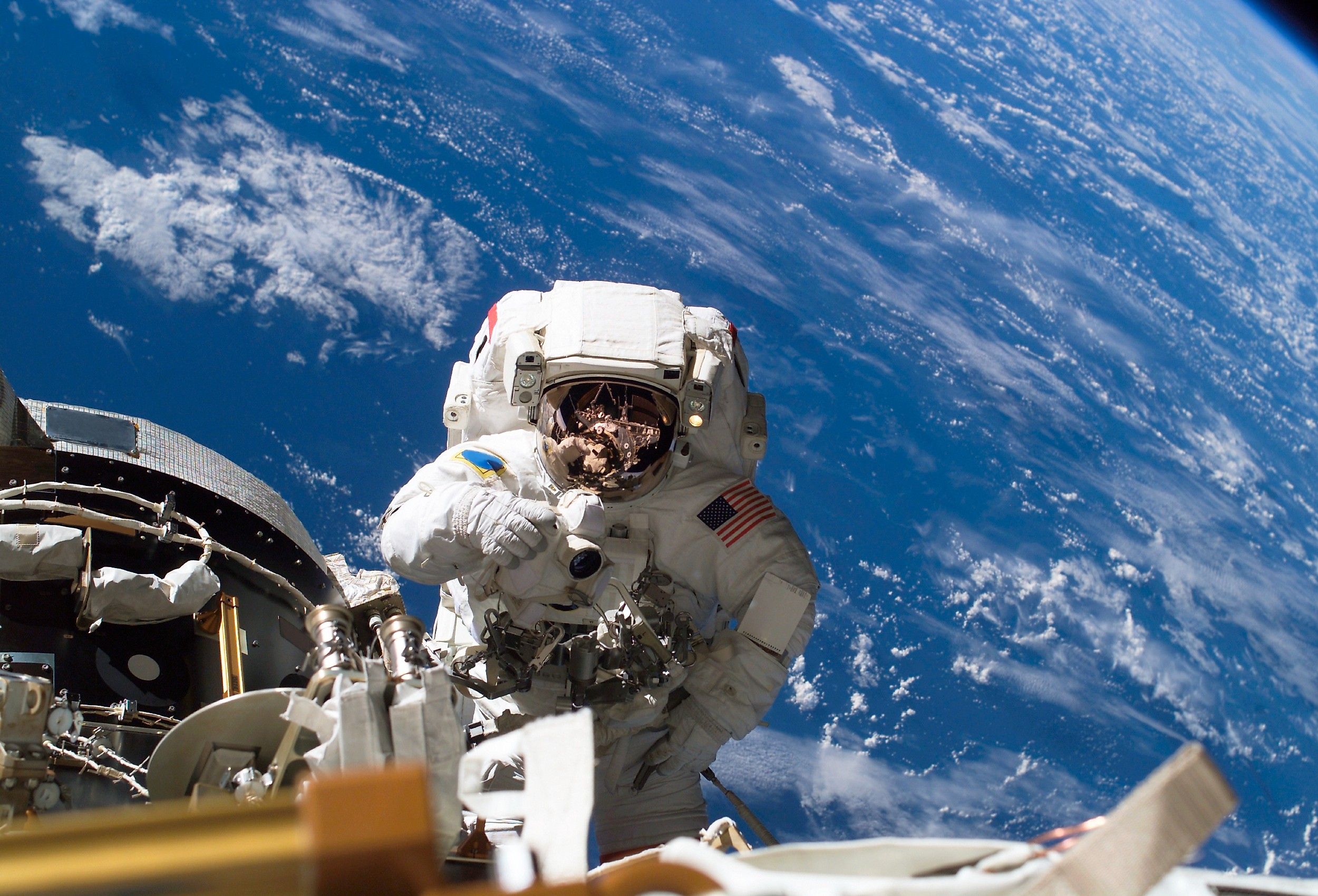
Astronauts cannot smell space during a spacewalk because their helmets separate them from the vacuum outside. However, once they return to the International Space Station (ISS), they sometimes notice a distinctive odor clinging to their spacesuits, gloves, and tools. NASA astronaut Don Pettit described the smell as metallic, comparing it to the welding fumes he encountered while repairing heavy equipment during his college summers. Former astronaut Greg Chamitoff also reported an unusually strong metallic smell.
According to Alexander Gerst, an astronaut with the European Space Agency, space smells like a mixture of walnuts and his motorcycle's brake pads. Others have compared it to gunpowder, ozone, or seared steak. Despite the different descriptions, most accounts have something in common. The smell resembles materials that have been burned, heated, or exposed to electricity.
Why Does Space Have a Smell?

Space is almost entirely a vacuum, so technically, no one can smell it directly. The human nose needs airborne molecules to detect an odor, and the vacuum of space cannot provide anything resembling a normal breath. However, the region surrounding the ISS isn't completely empty. Orbiting roughly 250 miles above Earth, the station moves through an extremely thin layer of the upper atmosphere containing individual oxygen atoms.
Scientists suspect these atoms might help explain the smell. Sunlight breaks ordinary oxygen molecules apart, and some of the resulting atoms can interact with spacesuits and equipment. When astronauts return to a pressurized airlock, chemical reactions involving that oxygen could produce ozone or other substances with sharp, metallic odors.
Another possible explanation involves polycyclic aromatic hydrocarbons (PAHs). These carbon-rich molecules occur in smoke, soot, and charred foods such as burnt toast and barbecue meat. Scientists have also detected members of this chemical family in space. However, their role in producing the odor astronauts report remains unproven. The smell is distinctive enough that NASA commissioned fragrance maker Omega Ingredients to recreate it for astronaut training simulations. Scientists have yet to settle on a single explanation for the real thing.
The Moon Smelled Like Gunpowder

Astronauts encountered a similar mystery during the Apollo Moon landings. After walking across the lunar surface, they returned to their landing modules covered in fine gray dust that clung stubbornly to their suits. Once inside, several astronauts noticed that the dust smelled like spent gunpowder. Apollo 16 astronaut Charlie Duke reported an especially strong odor, while Apollo 17 astronaut Harrison Schmitt made a similar observation.
The dust also presented a more immediate problem. Unlike the rounded grains of sand found on many Earth beaches, lunar dust contains microscopic, jagged particles created by countless impacts. It scratched equipment, clogged mechanisms, and irritated astronauts' eyes and lungs. Future crews returning to the Moon will have to contend with more than an unusual smell. Keeping that abrasive dust out of their living quarters will be an important part of staying healthy.
Would Titan Smell Like Gasoline?

Saturn's largest moon, Titan, has lakes, rivers, rain, and a dense orange atmosphere. However, the liquids flowing across its surface are methane and ethane rather than water. Titan's surface temperature is approximately minus 290 degrees Fahrenheit (minus 179 degrees Celsius), cold enough to keep these hydrocarbons liquid. Some of its lakes resemble bodies of water on Earth, but their chemistry is closer to the ingredients found in natural gas and other fuels.
Scientists have also detected benzene on Titan. On Earth, benzene has a sweet, gasoline-like odor and is naturally present in petroleum products. That suggests Titan might have some fuel-like chemical scents, although its actual odor is unknown. Pure methane and ethane are naturally odorless, and the presence of benzene alone cannot establish what the atmosphere would smell like.
Jupiter Might Smell Like Rotten Eggs

Jupiter's enormous cloud bands contain chemicals that would produce some unpleasant smells on Earth. The planet's highest major cloud layer is believed to consist largely of ammonia ice. Ammonia is responsible for the sharp odor associated with certain household cleaners and cat urine.
Deeper down, another cloud layer likely contains ammonium hydrosulfide, a sulfur-bearing compound associated with a rotten-egg smell. Together, these chemicals suggest Jupiter could have a particularly unpleasant odor if samples were brought into a breathable environment. However, nobody has directly smelled Jupiter's atmosphere, and the proportions of its chemicals vary with altitude.
There would also be little opportunity to investigate without specialized equipment. Jupiter has no solid surface to stand on, its winds can exceed 300 miles per hour, and the pressure and temperature increase dramatically beneath its clouds. A spacecraft descending far enough would eventually be crushed, melted, or vaporized.
A Giant Space Cloud With Rum-Like Chemistry

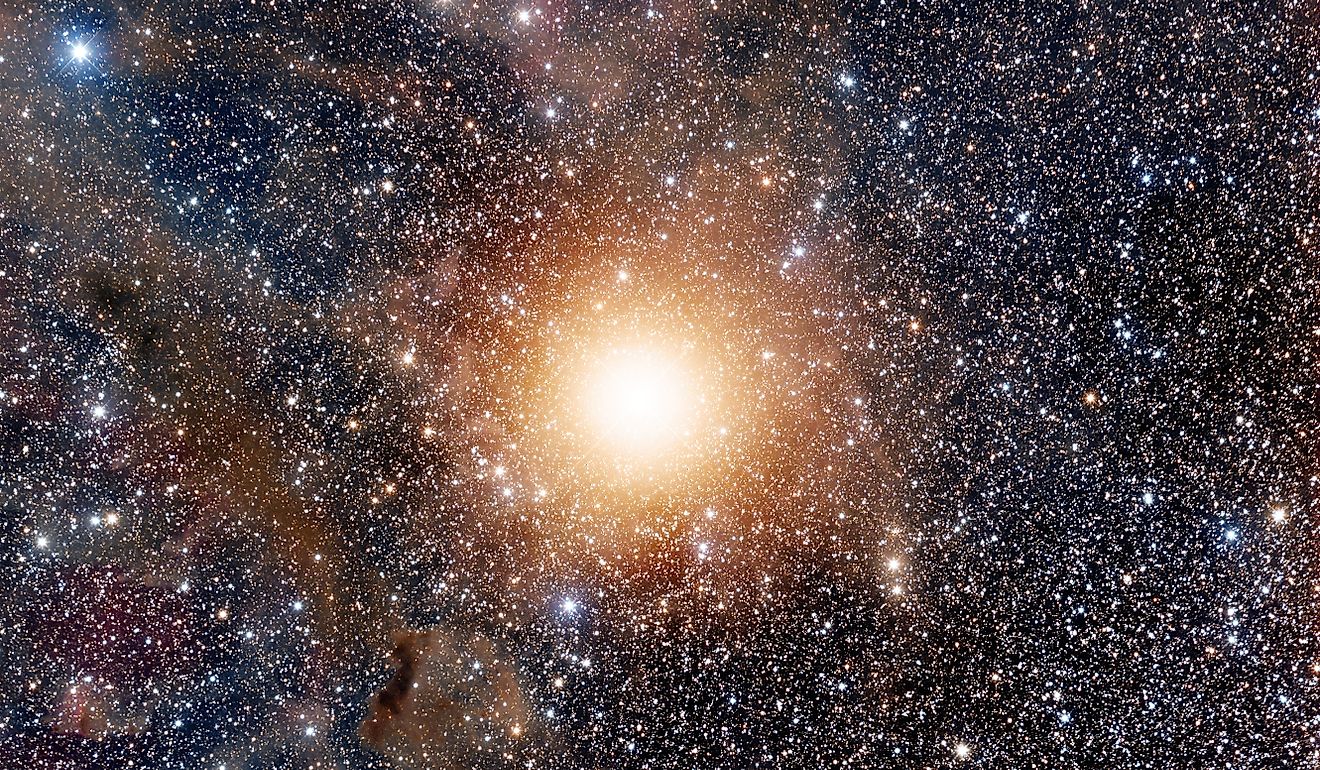
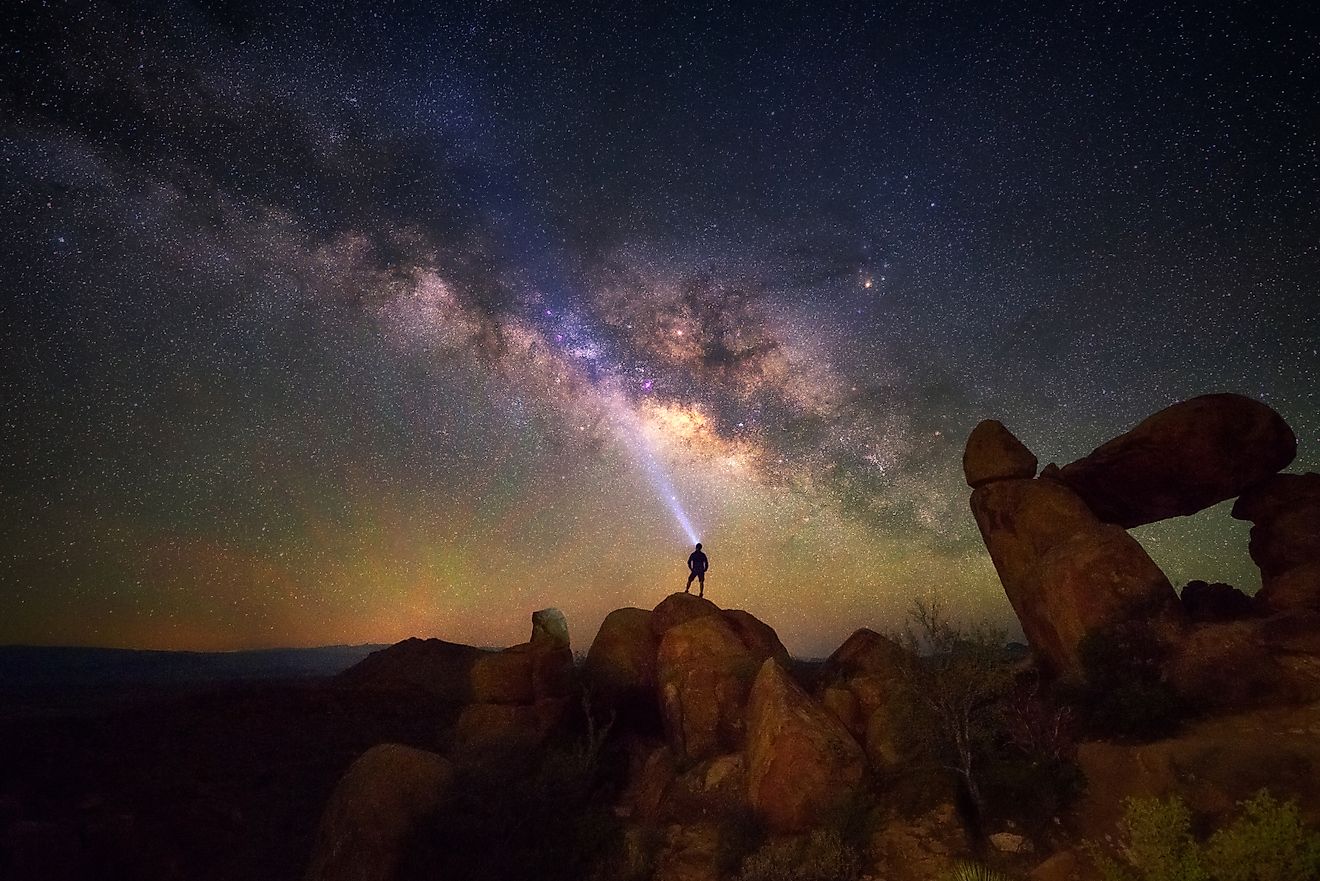
One of the strangest examples of potential space odors comes from Sagittarius B2, a massive cloud of gas and dust approximately 26,000 light-years from Earth, near the center of the Milky Way. In 2009, astronomers discovered ethyl formate in the cloud. This organic molecule contributes to the flavor of raspberries and has a fruity, rum-like smell on Earth.
The discovery prompted comparisons between Sagittarius B2 and a gigantic cosmic brewery. However, the cloud is not actually filled with drinkable alcohol or raspberry-flavored liquid. Ethyl formate is just one of many molecules scattered through an enormous region of gas and dust. Scientists identified the chemical using a radio telescope, which detects the characteristic signals emitted by molecules. They did not need to collect a sample or smell anything.
A Smell We Can Only Imagine
Space has no single universal smell. Astronauts have reported metallic, burnt odors after spacewalks, while the chemical compositions of distant moons, planets, and interstellar clouds suggest entirely different possibilities.
Some of the universe's most unexpected chemical discoveries may still be ahead. Astronomers can already identify molecules associated with familiar Earth scents in clouds thousands of light-years away. Yet the unmistakable metallic odor astronauts bring back from a spacewalk, just a few hundred miles above our heads, remains incompletely explained.