What Would Happen If Earth's Magnetic Field Flipped
Earth's magnetic north and south poles have switched places 183 times in the last 83 million years. If another reversal began tomorrow, compasses could eventually become unreliable, satellites might face increased radiation, and animals that navigate using Earth's magnetic field could struggle to find their way. Fortunately, the planet wouldn't suddenly turn upside down, and humanity wouldn't face instant extinction. But a magnetic reversal could create serious challenges for a civilization increasingly dependent on technology.
What Happens During a Magnetic Reversal?

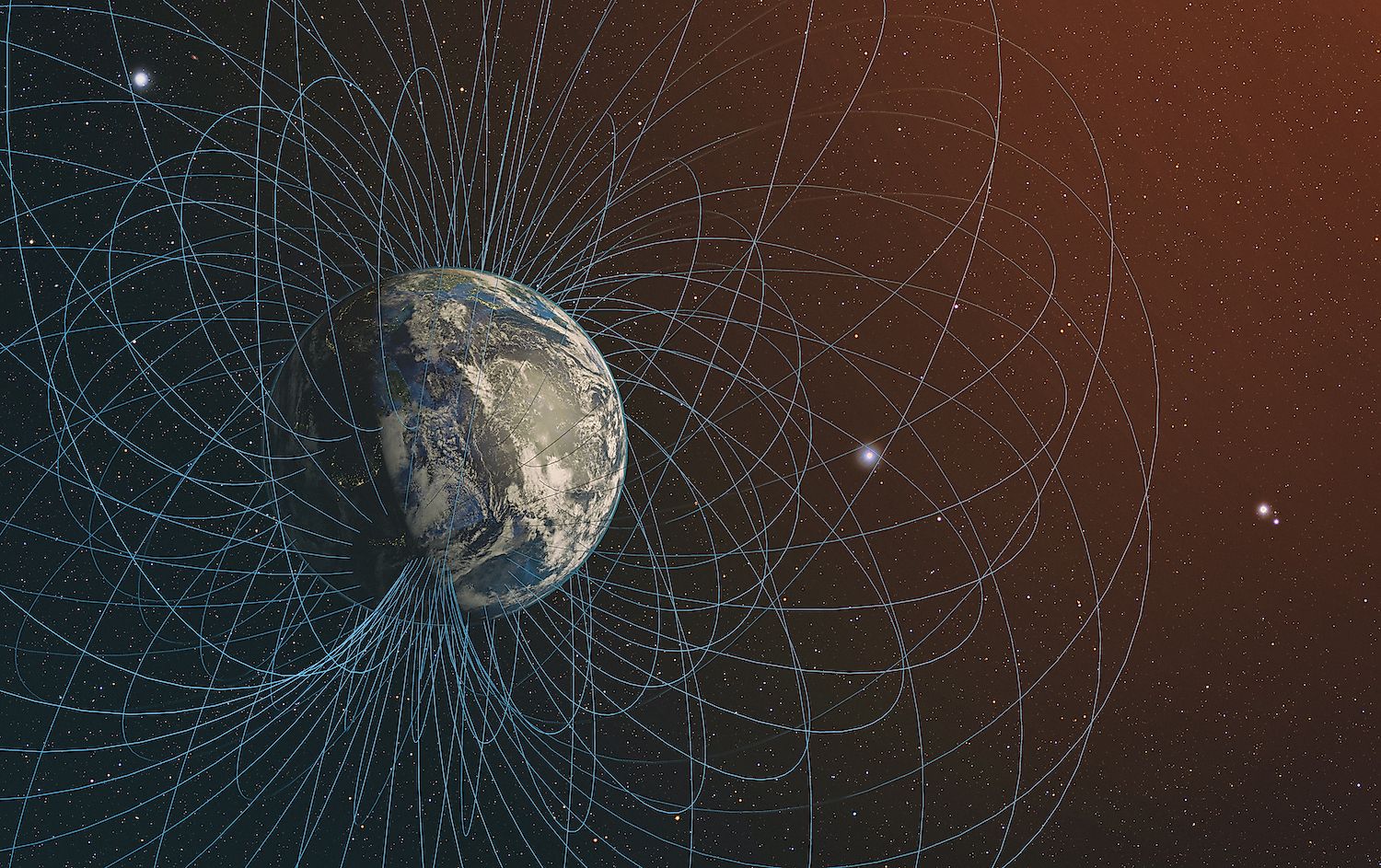
Earth is surrounded by an invisible magnetic shield that extends tens of thousands of miles into space, protecting the planet against charged particles streaming from the Sun. Normally, this field resembles a gigantic bar magnet, with magnetic north and south poles positioned near opposite ends of the planet.
During a reversal, however, that familiar arrangement begins to break down. The magnetic field weakens and becomes increasingly complicated, sometimes developing several temporary magnetic poles scattered across the globe. Eventually, the field settles into its opposite orientation, leaving magnetic north where magnetic south once existed.
Unlike the sudden changes portrayed in science fiction, this process takes hundreds to thousands of years. According to NASA, the most recent complete reversal occurred approximately 780,000 years ago. Geological records reveal that these events happen irregularly, averaging roughly once every 300,000 years over long periods of Earth's history. Although the field becomes weaker during a reversal, it never disappears completely. Earth's atmosphere also continues protecting life against much of the dangerous radiation arriving from space.
What Causes Earth's Magnetic Field To Flip?

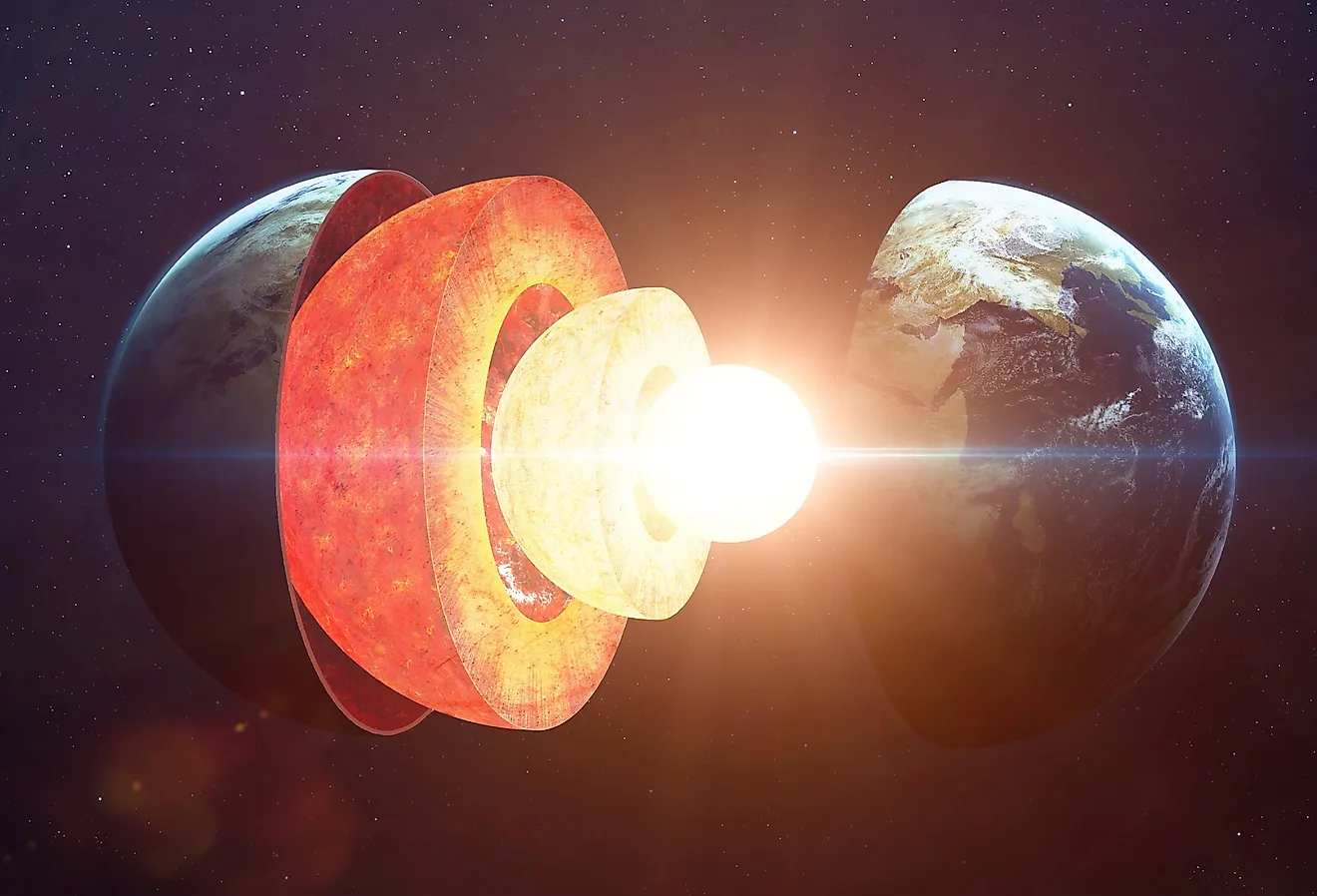
Approximately 1,800 miles beneath our feet, Earth's outer core contains an enormous layer of liquid iron and nickel. This molten metal is constantly moving, driven by heat escaping from deep inside the planet and influenced by Earth's rotation. As the metal circulates, it generates electrical currents that produce Earth's magnetic field. Scientists call this process the geodynamo, but the principle is relatively simple: moving electrically conductive metal creates magnetism.
The trouble is that the flow within Earth's core is extremely complicated. Over time, changes in these movements can weaken and rearrange the magnetic field, eventually causing its poles to reverse. Scientists understand the general mechanism but cannot predict exactly when another reversal will begin. Even though Earth's magnetic field has weakened by approximately 9% over the past two centuries, NASA emphasizes that this doesn't necessarily mean another reversal is approaching.
Could Satellites And Power Grids Fail?

The greatest practical concerns surrounding a future magnetic reversal involve technology. Earth's magnetic shield helps protect satellites against charged particles from the Sun, which can interfere with electronics and damage sensitive equipment. If that protection weakened, satellites could become more vulnerable to space radiation. This would create additional challenges for the systems supporting GPS navigation, weather forecasting, and global communications.
Power grids could also face greater risks during powerful solar storms. These storms can generate electrical currents along the ground that travel through long power lines, potentially damaging transformers. In 1989, a geomagnetic storm caused a major blackout in Quebec, leaving millions of people without electricity for approximately nine hours.
A magnetic reversal wouldn't automatically produce such blackouts. However, changes in Earth's magnetic protection could complicate the effects of future solar storms. Navigation systems would face another challenge. Ordinary compasses rely directly on Earth's magnetic field, so changing pole positions could make them increasingly unreliable. GPS itself doesn't depend on magnetic north, although severe space weather can interfere with the satellite signals it uses.
Would Humans Be Exposed To Dangerous Radiation?

One of the most alarming possibilities is that a weakened magnetic field could allow more harmful particles to approach Earth. Fortunately, the planet has another powerful defense: its atmosphere. Even when charged particles enter regions where the magnetic field is weaker, most cannot penetrate the thick layers of air separating space from Earth's surface. A reversal could increase radiation exposure in certain circumstances, particularly for satellites and people traveling at high altitudes. However, NASA states that Earth's magnetic field and atmosphere would continue shielding the surface throughout the process.
There is also no convincing geological evidence that previous magnetic reversals triggered mass extinctions. Life has survived these changes repeatedly, including periods when the magnetic field was substantially weaker than it is today. The greatest concerns would therefore involve the additional strain on modern technology and space operations, rather than widespread radiation poisoning among people on the ground.
Could Migrating Animals Lose Their Way?

Every year, sea turtles travel thousands of miles across the ocean, while migratory birds navigate enormous distances between breeding and wintering grounds. Some of these animals possess a remarkable ability to sense Earth's magnetic field, effectively carrying an internal compass. A magnetic reversal could interfere with these natural navigation systems. Birds might encounter unfamiliar magnetic directions, while sea turtles could face difficulties interpreting the signals they use to navigate across oceans.
Scientists still don't fully understand how every species detects magnetic fields or how animals would respond to a prolonged reversal. Many species also rely on additional cues, including sunlight, stars, and familiar geographic features. Because a reversal would unfold over many generations, some animals might gradually adjust to changing conditions. There is currently no evidence that past reversals caused widespread animal extinctions.
What If The Reversal Began Tomorrow?
If Earth's magnetic field began reversing tomorrow, most people would probably notice nothing unusual. The Sun would still rise in the east, the planet would continue rotating normally, and the geographic North and South Poles would remain in place. Over the following centuries or millennia, however, the changing magnetic field could become increasingly important. Navigation systems would need continuous adjustments, satellite operators might require additional protection against radiation, and scientists would closely monitor the shifting magnetic poles.
The good news is that there is no reliable evidence of an imminent reversal. Although the average interval between reversals is approximately 300,000 years, the timing varies enormously. Earth's last reversal occurred 780,000 years ago, but that doesn't mean another is overdue. The truly remarkable possibility is that the next reversal could happen while humans are around to observe it. For the first time in Earth's history, a species would be capable of watching its planet's magnetic shield reorganize itself, tracking a process that previously left its fingerprints only in ancient volcanic rocks and ocean sediments.