Which Planet Is The Hardest To Land On?
A Soviet machine that landed on Venus in 1982 operated for approximately 127 minutes under pressure comparable to nearly 3,000 feet of ocean water and heat close to 869°F before communications ended. The machine in question was the Soviet Venera 13 probe, and despite its dismal end, it still holds the record as the longest anything man-made has survived on the Venusian surface.
Landing anywhere beyond planet Earth is considerably difficult. However, there are some worlds that do not simply resist a touchdown; they make it physically impossible, and the consequences of ignoring the dangers could be dire to say the least. Venus crushes landers, Mercury is nearly unreachable, and the gas giants have no ground at all. The planet that resists landing the most depends on the criterion: reaching it, completing a controlled descent, or keeping a lander operational after touchdown.
Venus Destroys Machines Built To Withstand It

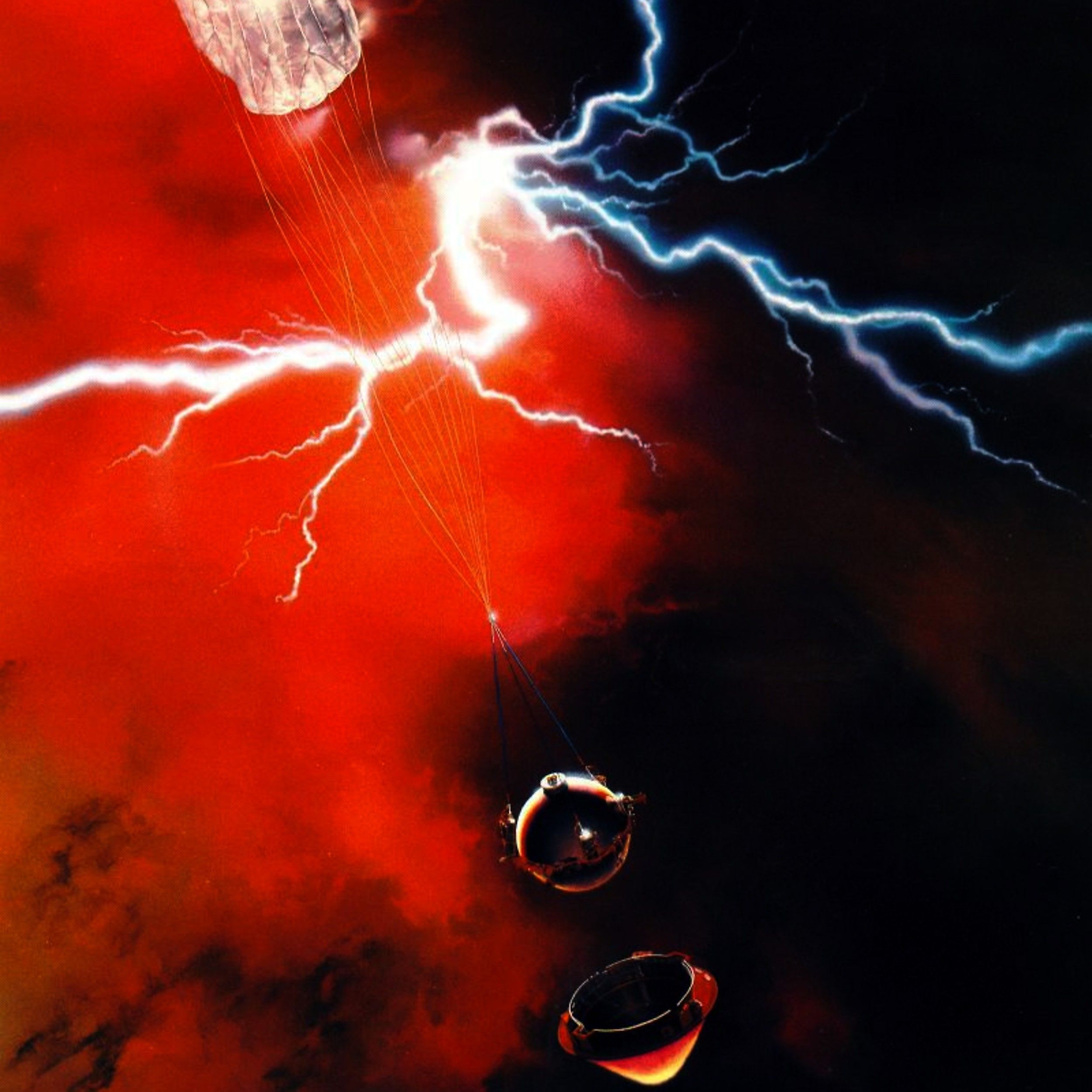
No planet has more crushed spacecraft on its resume than Venus. Surface pressure on this planet runs at about 93 times what a person would feel like standing at sea level on Earth, but the trouble begins long before a spacecraft reaches the ground. Venus itself is wrapped in a global atmosphere dominated by carbon dioxide, with sulfuric acid clouds obscuring the surface from camera view. Add a surface temperature hot enough to melt tin, zinc, and lead, and it becomes exceedingly obvious why the Soviet Union's early efforts failed one after another. Venera 4 cracked open under 22 atmospheres of pressure before it even reached the ground. Venera 7 became the first spacecraft to return data from another planet's surface and transmitted a weak signal for about 23 minutes after landing.
After much trial and error, engineers eventually learned to build in anticipation of the punishment. Venera 13 arrived in March 1982 with a titanium pressure vessel and internal cooling designed to buy time against the temperature, and it ended up working far better than expected. Mission planners estimated the lander would last roughly 32 minutes, but it actually survived for over two hours. This was long enough to drill into the rock, analyze a soil sample, and beam back the first in-color photographs ever taken from another planet's surface. No lander has since matched that endurance record, and no spacecraft has touched Venus at all since the 1980s.
Mercury Is Close, Yet Almost Unreachable
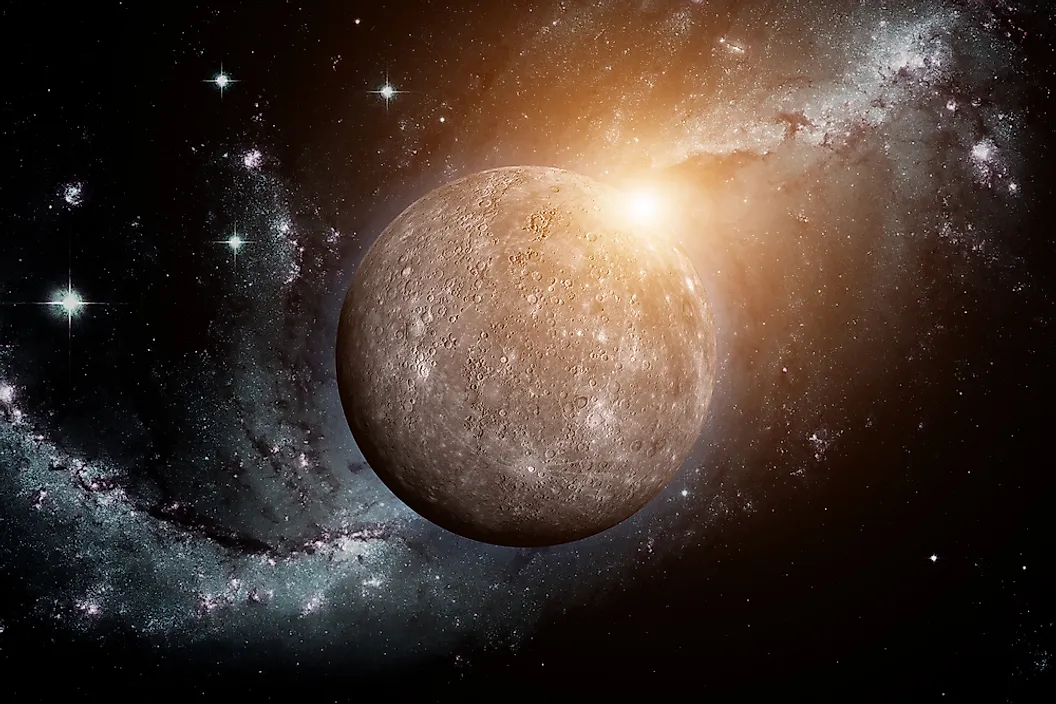
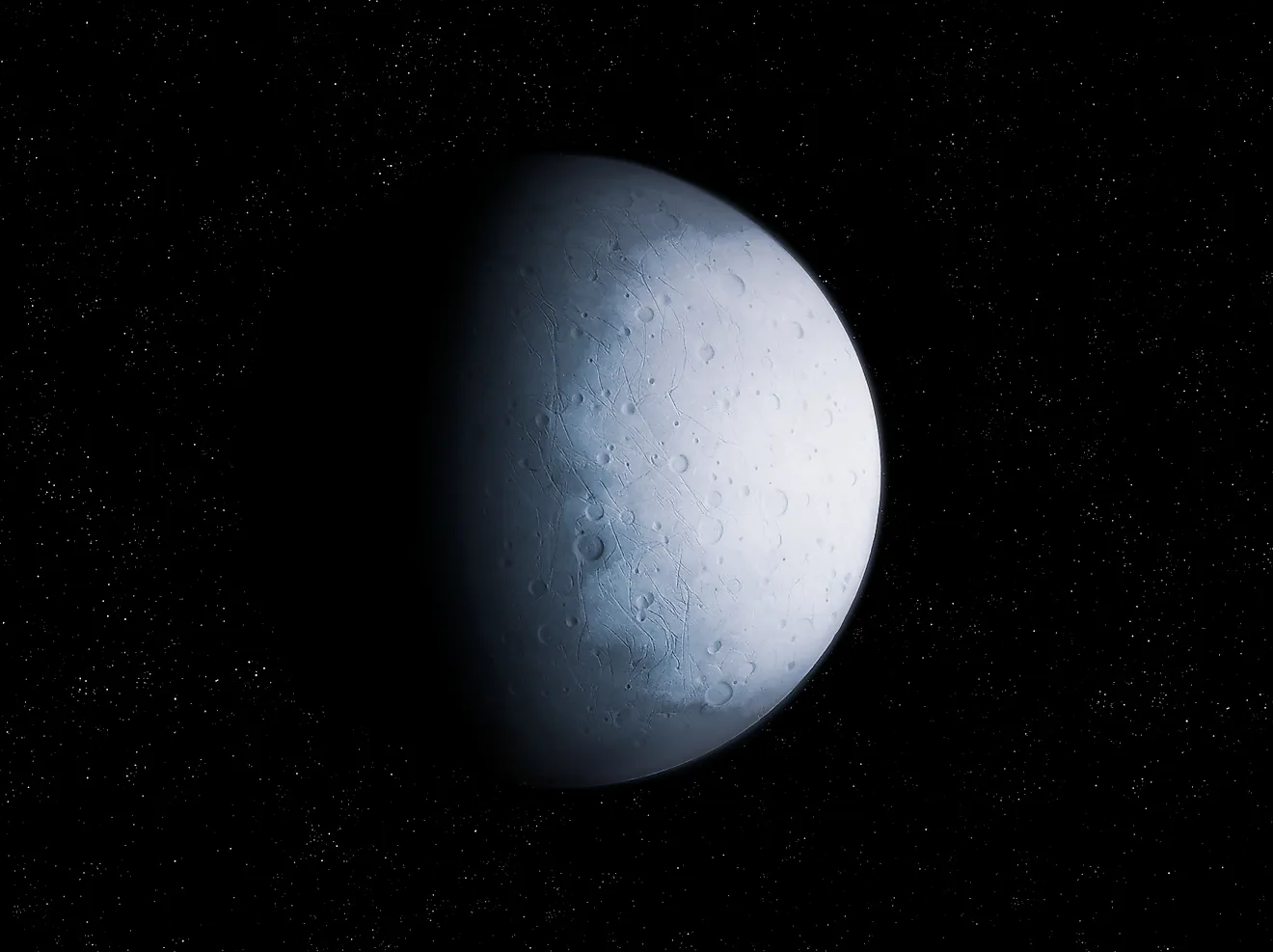
Mercury sits closer to Earth than Jupiter does, so many would mistakenly think it would be easier to reach. Yet, engineers describe reaching this planet as one of the hardest maneuvers in the solar system. The culprit in this case is not crushing air. In fact, in terms of atmospheric pressure, it's almost the opposite. Mercury has almost no atmosphere to assist a descent, and spacecraft must shed substantial heliocentric orbital energy to arrive slowly enough for capture, so missions use repeated gravity assists instead of impractical amounts of propellant. The European-Japanese collaboration mission known as BepiColombo needed nine separate flybys of Earth, Venus, and Mercury itself just to wear out enough speed to enter orbit.
No spacecraft has attempted a controlled landing on Mercury; the missions sent there have been designed for flybys or orbital observations. Even if a spacecraft was finally able to manage slowing down enough to attempt a landing, it would arrive at a world where daytime temperatures reach upwards of 806°F, while permanently shadowed craters near its poles can drop to -290°F. Additionally, a single Mercurian day lasts 176 Earth days. That means any future lander would have to endure weeks of the presented extremes and any other difficulty that may be encountered without relief. Until engineers can devise a spacecraft resilient enough to conquer both the intense solar gravity and these brutal surface conditions, a successful landing on Mercury will remain one of space exploration's ultimate final frontiers.
Jupiter And Saturn Do Not Have A Surface To Land On
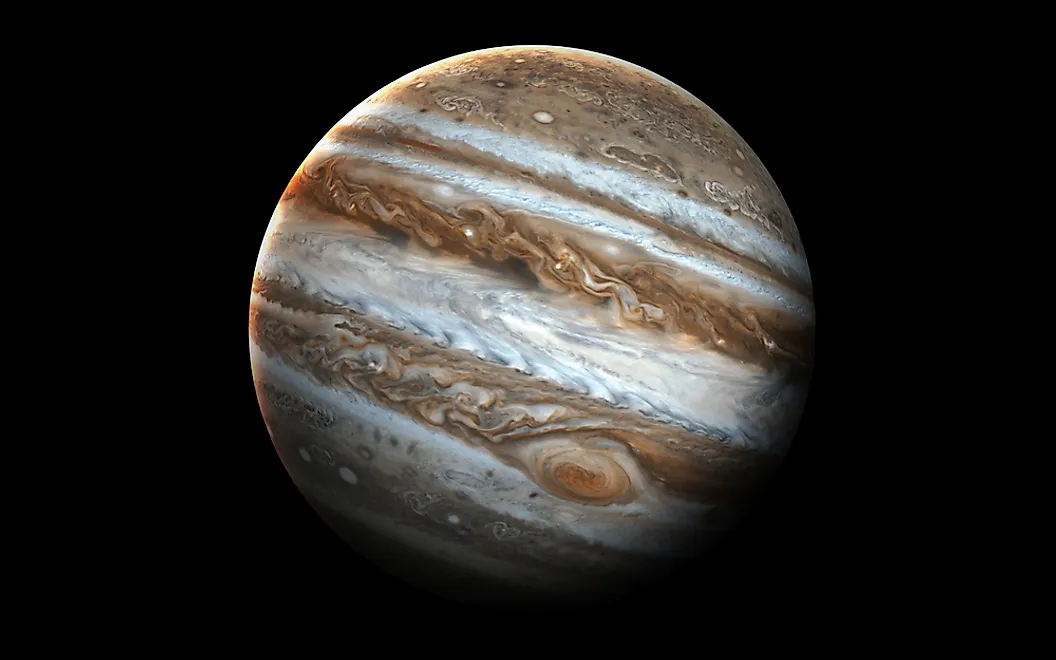
Some planets are hard to land on because the ground fights back. Jupiter and Saturn are hard to land on because there is no ground. In both planets, atmospheric hydrogen becomes a dense liquid with depth and eventually transitions into electrically conducting metallic hydrogen without forming an accessible solid surface. The United States' National Aeronautics and Space Administration (NASA) put this brutal reality to the test in 1995 when the Galileo spacecraft dropped a miniature atmospheric probe into Jupiter. Galileo returned data for 58 minutes, and its transmitter failed 61.4 minutes after entry about 112 miles below the entry reference level; its peak entry heating reached roughly 28,800°F. The transmitter apparently failed under a pressure of about 22.7 atmospheres, and the probe was expected to be destroyed as it continued into Jupiter's hotter and denser interior. To this day, scientists do not know the exact final depth the probe managed to reach before being obliterated.

Saturn presents that exact same atmospheric trap. Cassini lost contact about one minute after atmospheric entry, close to the mission team's predicted time, and was subsequently destroyed in Saturn's atmosphere. Ultimately, a "landing" on a gas giant is a physical impossibility. Anything sent toward their interiors does not touch solid ground; it simply keeps falling deeper and deeper until the immense pressures and temperatures tear the spacecraft entirely apart.
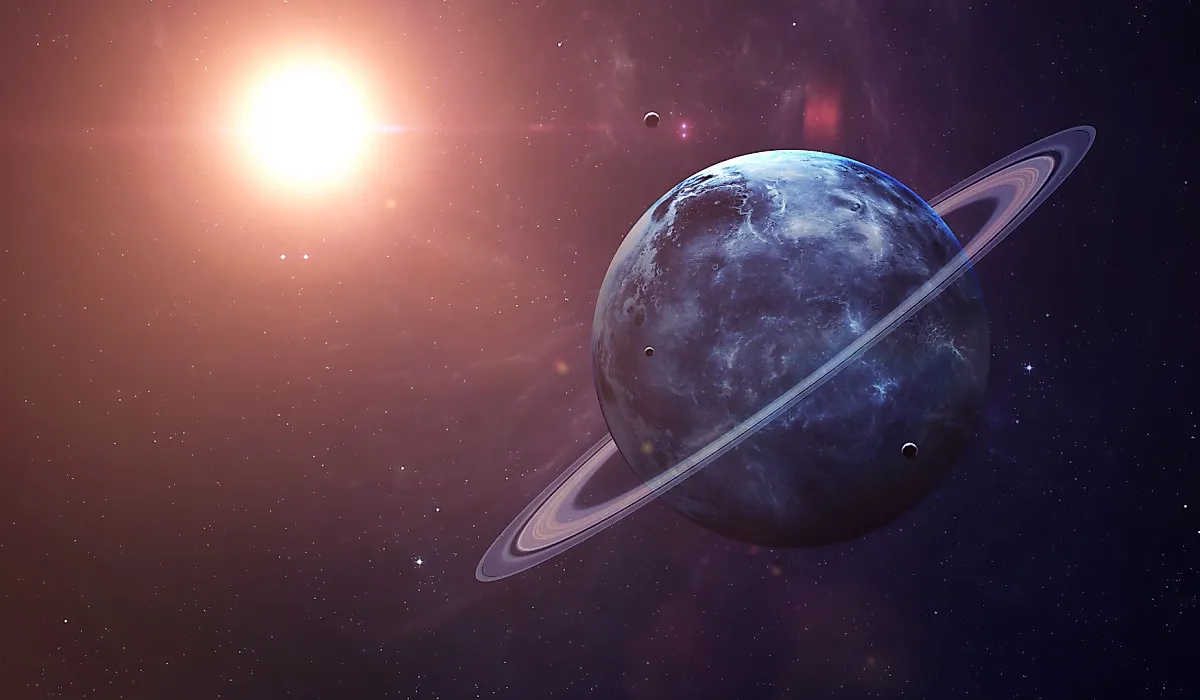
Uranus and Neptune also lack accessible solid surfaces, so conventional landings on all four giant planets are impossible.
Choosing A Winner: Why Venus Takes The Title
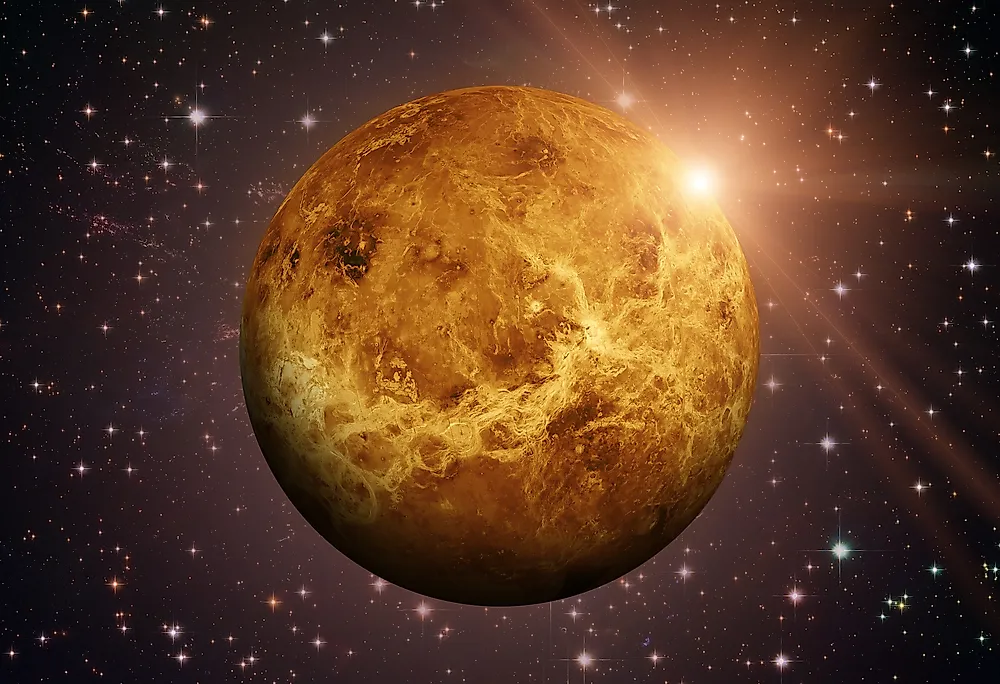
Mercury, Saturn, and Jupiter unwittingly make the case for why Venus is ultimately the best choice given the question. While Mercury proves what happens when a planet defeats a spacecraft before it even arrives, and Jupiter/Saturn destroy the very concept of landing, Venus lies squarely between these two extremes. Venus is arguably the harshest planet for long-duration surface operations, but calling it the hardest planet to land on depends on whether difficulty means reaching the planet, descending safely, or surviving afterward.
Humans have never tested a lander on Mercury's surface, and diving into Jupiter or Saturn would serve as a one-way plunge into oblivion (at least with current limits of technology). Soviet engineers repeatedly built reinforced Venus landers designed to withstand unusually high heat and pressure, achieving several successful but short-lived surface missions. There are other planets, such as Mars, whose "seven minutes of terror," the harrowing automated descent through the thin Martian atmosphere, have humbled space agencies for decades. Mars landings remain difficult, but the often-cited 40% success figure referred to all Mars missions as of 2018 rather than specifically to landing attempts.
This track record places Venus in a category all its own. Soviet engineers ultimately achieved a series of successful landings, though every Venus lander stopped transmitting within minutes or hours. Venera 4 perished less than two hours into its descent, and Venera 7 lasted only a brief 23 minutes once it reached the ground. Even Venera 13, which was by far the toughest and best armored lander ever built for the task, managed to survive for barely two hours before succumbing to the environment. These missions demonstrate that landing on Venus is achievable, while sustained surface operation remains an exceptional engineering challenge.
Final Thoughts
Each of these planets provides challenges to landing spacecraft. Mercury requires missions to shed enormous orbital energy, while Jupiter and Saturn lack accessible surfaces for a conventional landing. Venus permits a controlled touchdown, but its extreme heat and pressure disable conventional landers within hours. Among planets with accessible solid surfaces, Mercury is arguably the hardest target for a controlled landing because of the energy required to reach it and its lack of a substantial atmosphere for braking. Venus is the hardest planet for a lander to survive on after touchdown, with extreme heat and pressure limiting every surface mission to minutes or hours. No lander has reached Venus since 1985, leaving the Soviet surface missions as the benchmark for future engineering.