What Happens If An Astronaut Gets Sick In Space
Astronaut Mike Fincke was eating dinner on the International Space Station in early 2026. He was preparing for a spacewalk the following day when, suddenly, he lost the ability to speak.
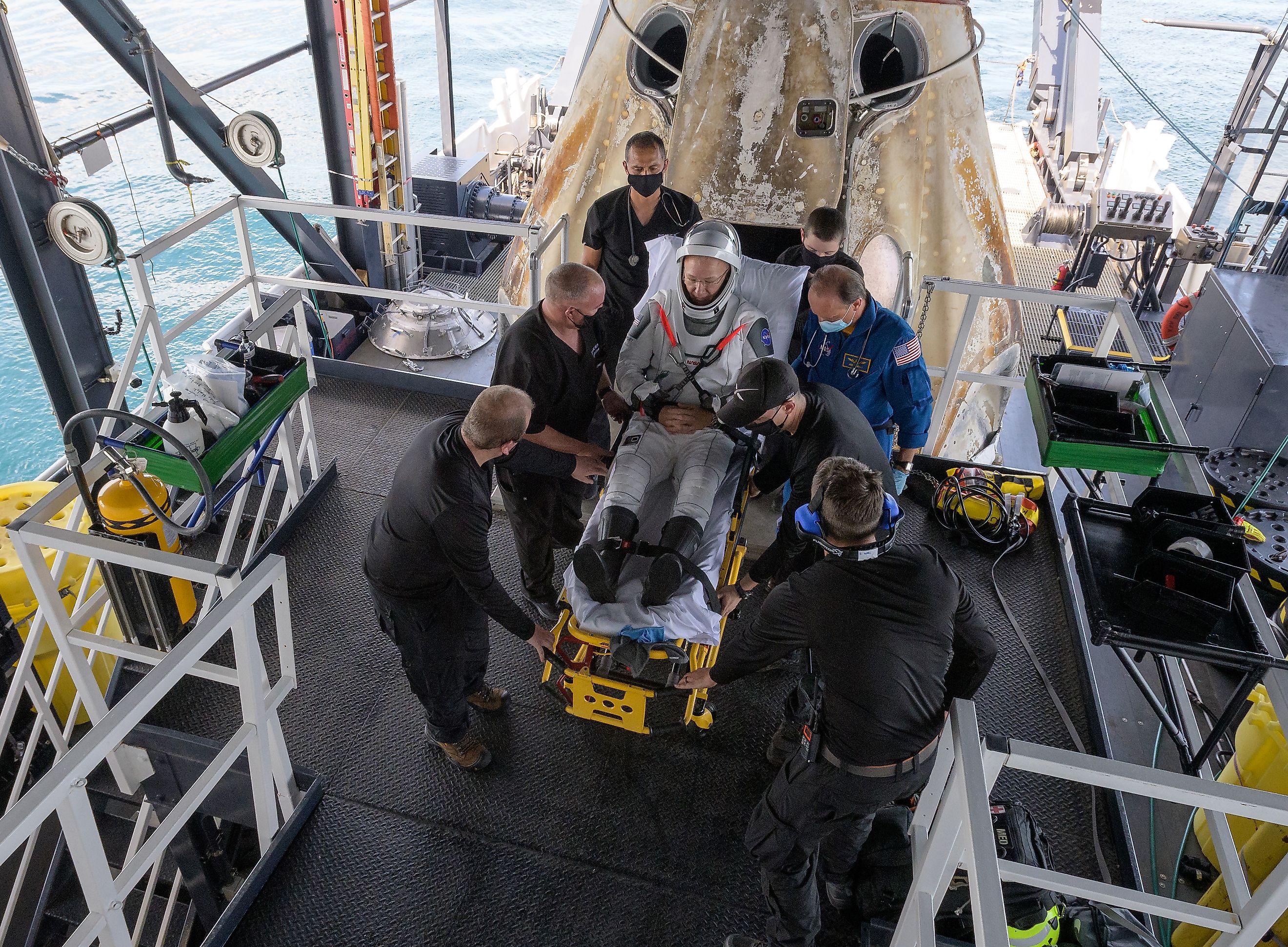
Fincke could not say a word for 20 minutes. The episode cleared up, but his spacewalk was canceled. Fincke's condition was not life-threatening, yet the entire crew was evacuated and sent back to Earth, and the cause is still a mystery to him and NASA's medical team. When an astronaut gets sick in orbit, a crewmate trained as a medical officer treats them with a basic onboard kit as flight surgeons on Earth guide each step. Anything the station cannot handle means a trip home, and as Fincke learned, that decision can come fast and bring the whole crew along.
Treating Illnesses In Space

When astronauts get sick in space, they use their pre-flight training and help from experts on the ground to overcome the limitations of their resources in space.
An ailing astronaut will be treated by the crew's medical officer, who is not necessarily a physician. The officer can deliver first aid, perform CPR, and suture a wound. A handful of diagnostic tools are available, including an ultrasound machine, a defibrillator, and electrocardiogram equipment.
Experts on the ground, including a space healthcare expert called a flight surgeon, collaborate with the medical officer on the proper treatment. The other astronauts are trained to deal with injuries, allergic reactions, and cardiac emergencies.
Sometimes, the limitations of space travel are too much to overcome. Despite NASA's preparations in stocking the on-board pharmacy, a medical crisis may need to be treated on Earth. If an astronaut needs an MRI or major surgery, the crew must be evacuated.
The space station is equipped for the treatment of colds, respiratory infections, minor wounds, and allergic reactions. The astronauts can provide dental care for each other as well with their training and supplies aboard the ship.
Other illnesses and injuries may require more treatment than the astronauts can provide. These include heart attacks, strokes, internal bleeding, broken bones, blood clots, appendicitis, and severe burns or allergic reactions. The crew can manage pain, apply pressure to wounds, and use a defibrillator, but the ailing astronaut may need to return to Earth for more extensive treatment.
Astronaut Illnesses From the Past

Astronauts can prepare for years to enter microgravity, but that condition of weightlessness is still confusing to their bodies.
Wally Schirra caught a cold on the Apollo 7 mission in 1968, and it spread to his two crew members over the 11-day mission. They resisted wearing their space helmets during re-entry due to the pressure changes in their ears.
Later that year, the Apollo 8 astronauts suffered motion sickness on their voyage to orbit the moon. Frank Borman had the worst of it, but he and his two partners overcame the illness.
Apollo 13 astronaut Fred Haise suffered a urinary tract infection in 1970. After an explosion rocked the ship, he and the crew were stuck in the cold lunar module, and the infection threatened his kidneys. He recovered back home after treatment with antibiotics.
When Fincke lost his ability to speak, the whole crew had to return because the escape capsule must contain everyone on the mission. If the astronaut is considered fit to make the return trip safely, it would take about a day to get back to Earth from the International Space Station.
How Space Makes Astronauts Sick

Astronauts face medical challenges that are specific to space travel, especially when their bodies are subjected to microgravity for six months or more. More than a strange floating sensation, microgravity causes bodily fluids to shift. The astronaut's face can become puffy, and Spaceflight-Associated Neuro-ocular Syndrome (SANS) can cause permanent vision changes.
Since the body does not have to support its own weight, muscles and bones can atrophy during a prolonged period of time in space. As a result, changes in bone density can cause an increase of calcium in the bloodstream, leading to kidney stones.
The astronaut's immune system can be weakened during the space mission, leaving the body more prone to bacteria and viruses like shingles. The heart slows down and can shrink because it no longer has to pump blood against gravity to reach the brain.
The astronaut's spine can lengthen in space, resulting in a height increase, but it can cause back pain as well. Sluggish blood flow can lead to dangerous blood clots. If an astronaut does not cover a wound with a bandage, the blood will adhere to the skin. More severe blood loss could contaminate the spacecraft.
Spacewalks carry their own special challenges. The decrease in pressure can lead to decompression sickness, similar to a deep-sea diver getting "the bends" after resurfacing too quickly.
How Astronauts Stay Healthy in Orbit

Alongside their mission work, astronauts exercise daily to stay healthy. They have a treadmill, a cardio cycle, and a weightlifting simulator called ARED (Advanced Resistive Exercise Device).
If an astronaut gets sick, the mission can usually continue as planned. Crew members back each other up on the tasks they must perform, so the mission stays on schedule. NASA scientists monitor their food intake and blood and urine samples to make sure they remain healthy.
Astronauts are screened in advance for their resilience and adaptability, as they must maintain their mental health in space in order to avoid feelings of isolation and depression. They stay in touch with family and friends through phone calls, emails, and video chats to maintain their spirits during a long space mission. They can speak to a psychologist if necessary.
Medical Care Farther From Earth
Future space missions may include a return to the moon and a first-ever trip to Mars, so those extended trips would pose new challenges. If an astronaut had a health problem on Mars, help would not arrive for months or years, so the crew would have to be completely self-sufficient. Even a message to an astronaut on Mars would take around 11 minutes to arrive. These future missions will need years of planning to prepare for potential medical disasters.