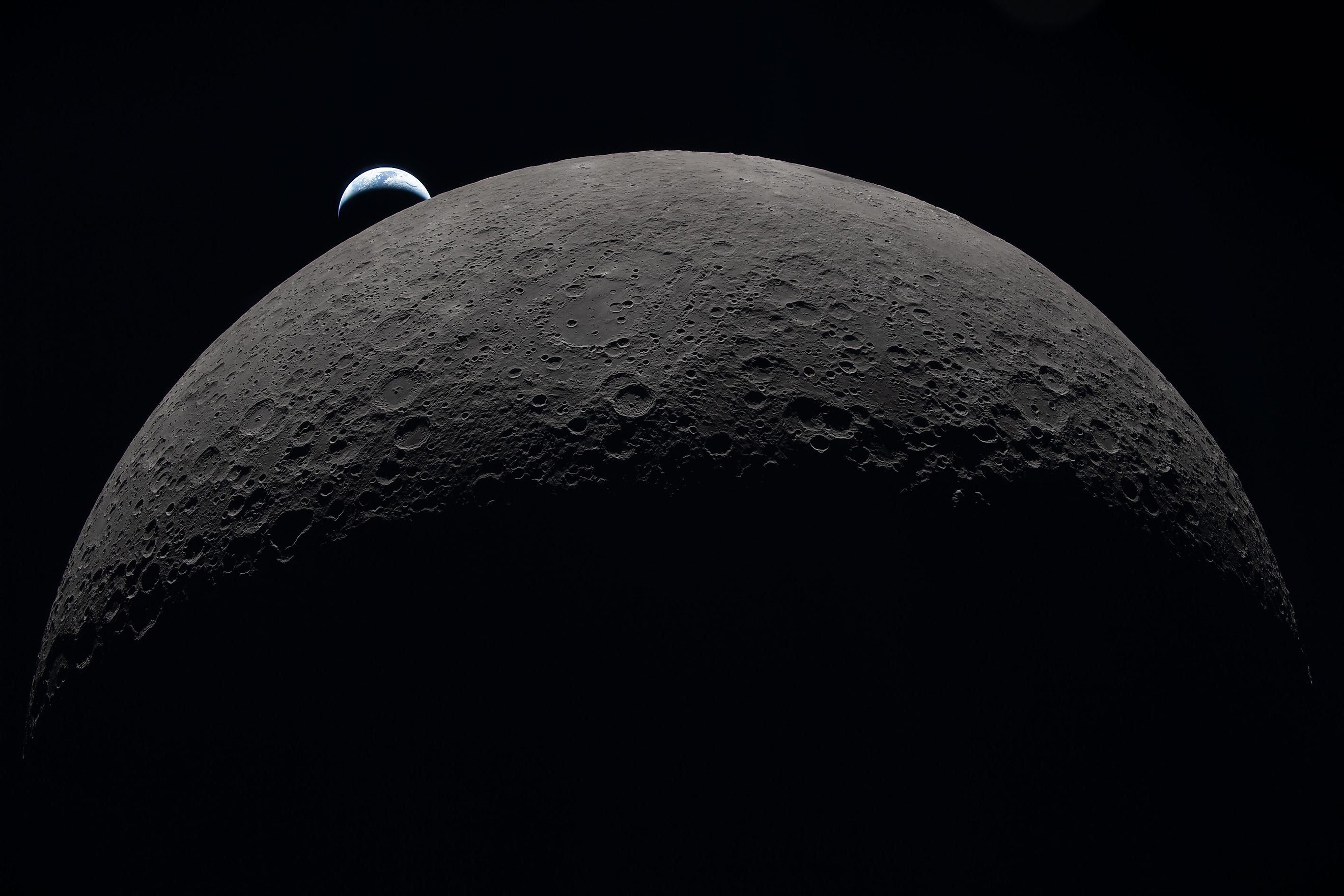
What Would Happen If The Moon Disappeared
Roughly two-thirds of the force behind every ocean tide on Earth, in the Bay of Fundy and along the Pacific coast, comes from a single rock 384,400 kilometers away. If that rock vanished overnight, coastlines would feel it within a day, and some of the consequences would keep unfolding for millions of years.
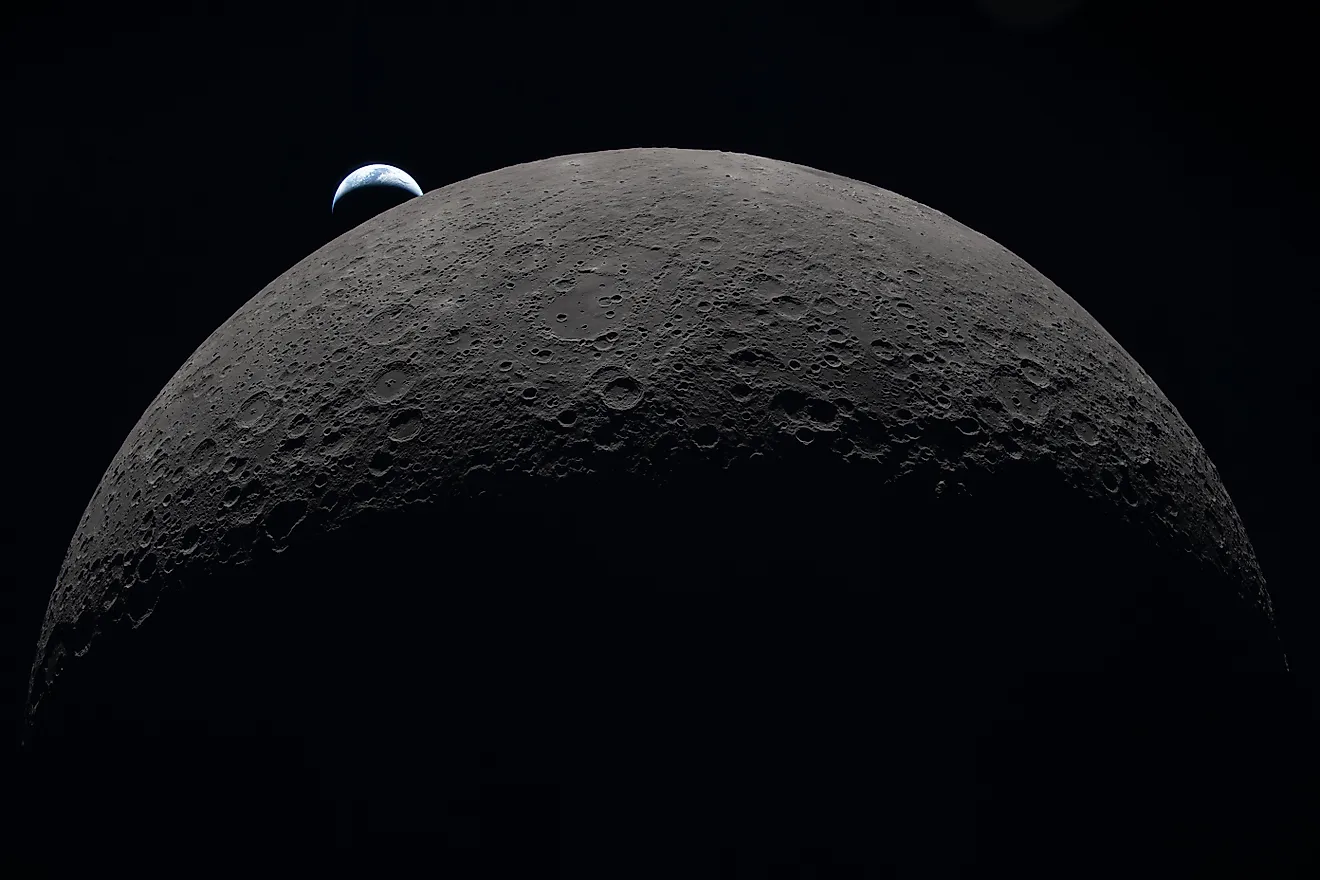
The Moon is about 27 percent the width of Earth. Among the eight planets, none has a moon that large relative to itself. Only Pluto's Charon is bigger relative to its parent, and Pluto is a dwarf planet. It is so large that some astronomers treat Earth and the Moon as a double planet. Take it away and a whole system of stabilizing forces goes with it.
The First Night

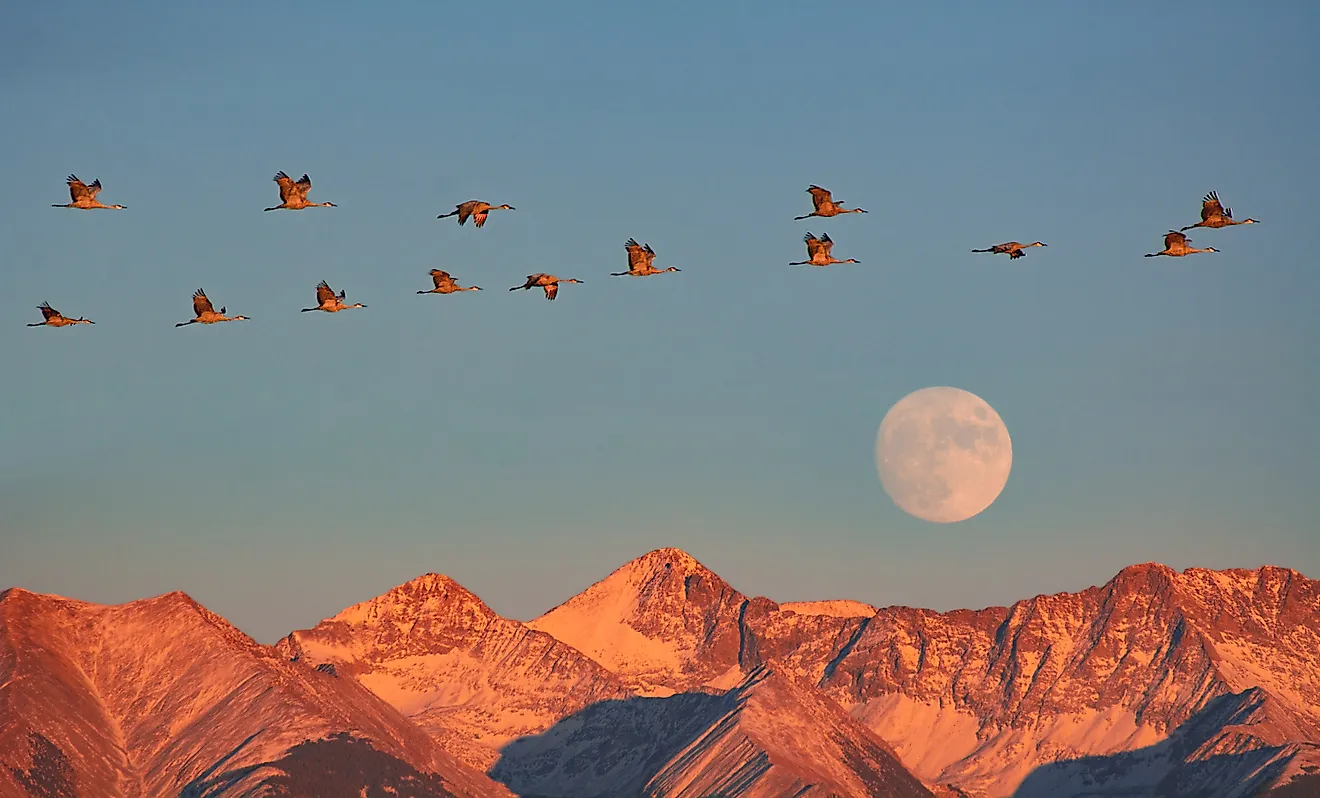
The first thing people would notice is the darkness. A full Moon is about 400,000 times dimmer than the Sun, yet it is bright enough to cast shadows and to find your way outdoors. Without it, nights would be considerably darker, especially away from city lights, with only starlight left to see by.
Moonlight shapes animal behavior more than most people realize. Some sea turtles time nesting to the full Moon's high tide, owls and small mammals change how active they are on bright nights, and many coral species time their spawning to the lunar cycle. On the Great Barrier Reef, more than 130 coral species release eggs and sperm on the same few nights after a full Moon.
Moonlight is just one of several cues, alongside water temperature and tides, so reefs would not necessarily fail without it, but that synchronization could be disrupted. Some predators would struggle to find prey in the extra darkness, while other species might benefit.
The Tides Shrink

The Moon creates roughly two-thirds of Earth's tidal force, and the Sun, whose tidal pull is only about half as strong as the Moon's, supplies the rest. Without the Moon, tides would not disappear, but they would become much weaker.
In the Bay of Fundy, home to the highest tides on Earth, the water can rise and fall about 16 meters, roughly the height of a four-story building. The bay's funnel shape amplifies the effect, but the Moon is what drives it, and without the Moon that range would shrink dramatically. Ports and shipping schedules built around the tides would need rethinking, and the shallow zones that flood and drain twice a day would change.
Those zones are some of the most productive habitats on Earth. Species such as mussels, starfish, snails, and many crustaceans could lose their habitats, and coastal ecosystems that depend on the regular cycle of tides would change fundamentally.
Days Would Get Shorter

The Moon is also slowing Earth down. Its gravity drags on the planet's oceans, and that friction acts like a very gentle brake, lengthening our days by about 1.8 milliseconds per century. When the Moon formed about 4.5 billion years ago, a day on Earth lasted less than 10 hours, and the Moon's tidal braking has been stretching it ever since. If the Moon vanished, that braking would stop, and nothing would speed Earth's spin back up, so the day would stay close to 24 hours. Over billions of years, the Sun's tides would still slow Earth's rotation.
The bigger changes would come from the oceans. Tides help drive currents that distribute heat around the globe, so weaker tides could make temperature differences between regions more pronounced, though the size of the effect is hard to predict.
Earth Will Start to Wobble

The most dramatic possible change would take far longer to arrive. Earth is tilted about 23.5 degrees, and that tilt gives us our seasons. The Moon's gravity acts like a steadying hand, keeping the tilt within a narrow range of about 22.1 to 24.5 degrees over tens of thousands of years.
Remove that hand and the tilt would become far less stable, but scientists disagree on how badly. A 1993 study led by Jacques Laskar found that a moonless Earth's tilt could wander anywhere from 0 to about 85 degrees. A later study led by NASA's Jack Lissauer simulated the tilt over billions of years and found it would typically stay between about 20 and 25 degrees, though it would vary much more than it does today.
If the tilt did grow large, seasons would become more extreme, with harsher summers and winters and possibly ice ages in some regions. At the end, the months-long polar day and polar night we see near the poles today would reach much farther toward the equator. Mars, which has no large moon, shows how far a tilt can swing: it ranges between about 0 and 60 degrees over tens of millions of years. Any change in tilt would unfold over tens of thousands to millions of years, not within a human lifetime.
The Night Sky

The Moon has been part of the human sky for as long as humans have existed. It shaped early calendars: the word "month" shares a root with "moon," and the first months were the interval from one new Moon to the next. Without it, astronomers would see a darker sky and could view faint galaxies and nebulae more easily. Moonlight washes out the dimmest objects, so every night would act like a new Moon night.
Space exploration would change too. The Moon is the nearest world to Earth and a natural stepping stone for testing technology and building a base before missions to farther destinations. Without it, those plans would need a different first step.
Why the Moon Can't Disappear
Fortunately, this is a thought experiment. No known force could make the Moon vanish. Its mass is about 73 quintillion tonnes, about 1.2 percent of Earth's, and any event that could remove it would likely do far more damage than the loss itself.
In reality, the Moon is moving away from us. It drifts about 3.8 centimeters farther from Earth every year, roughly the speed at which fingernails grow. In roughly 600 million years, it will look too small to cover the Sun completely, and total solar eclipses will end. The Moon is not going anywhere, but it is slowly changing. For now, it keeps our oceans moving, our seasons steady, and our nights lit. Without it, Earth would still be a planet, but it would be a very different one.