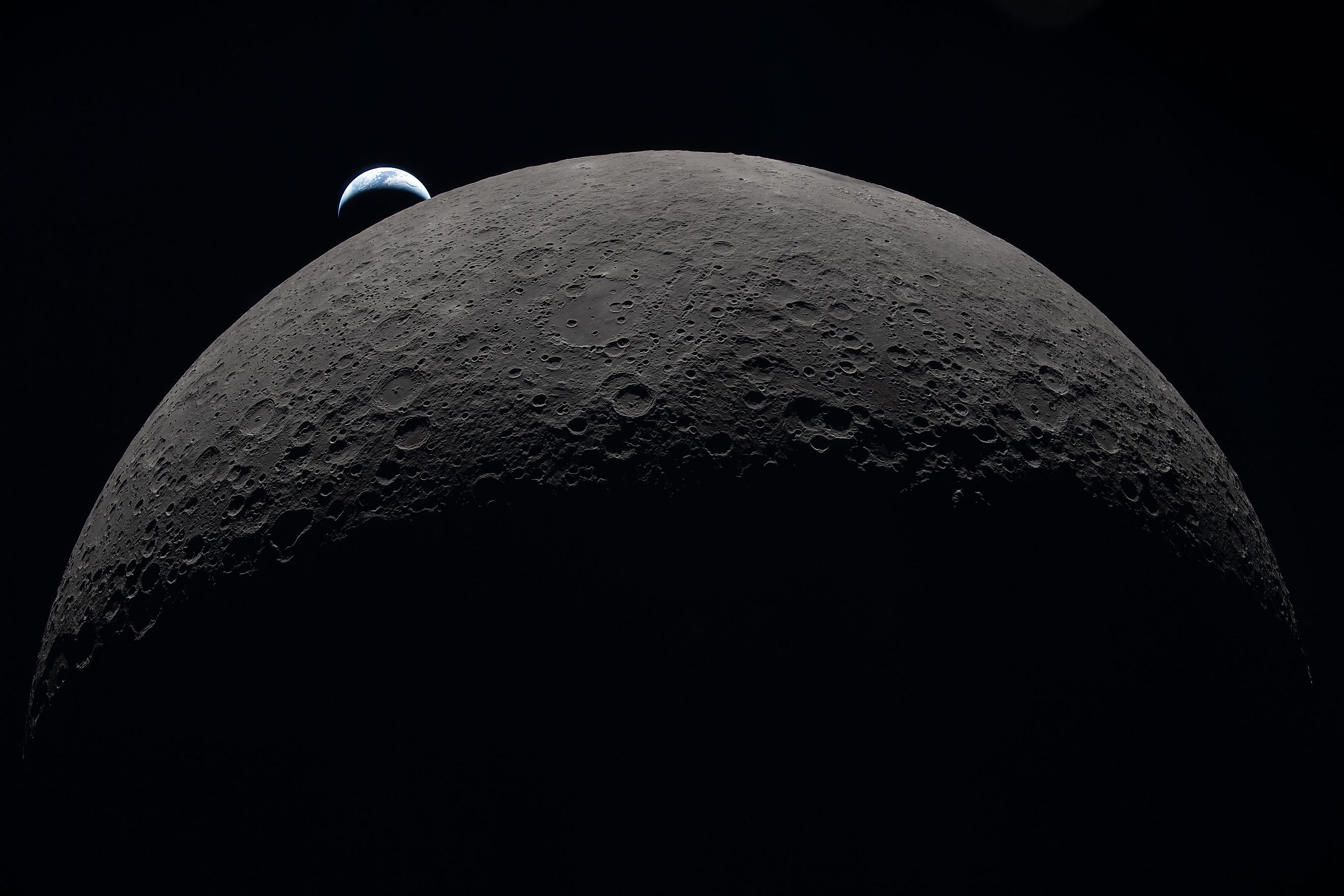
Why There Are No Stars In Photos From Space
Some of the most famous photos ever taken show astronauts standing on the Moon under a sky as black as ink, without a single star in sight. The stars were there the whole time. They simply could not compete with what was in front of the camera. A sunlit spacesuit on the Moon is blindingly bright, and a camera set to capture it shuts its eye too quickly to catch the faint pinpricks of starlight behind it. It is the same reason you can't see stars from the middle of a floodlit football stadium, only far more extreme.
The Camera Can Only Pick One

Every photo is a balancing act between too much light and too little. A camera controls that balance mainly with its shutter, the tiny door that opens to let light in. Leave it open too long and bright objects wash out into a white blur. Close it too fast and dim objects never register at all.
On the Moon, Apollo astronauts were photographing sunlit rocks, gleaming white spacesuits, and a lander wrapped in reflective foil, all under raw, unfiltered sunlight. To keep those scenes sharp and properly lit, their cameras snapped open and shut in a tiny fraction of a second. Capturing stars takes the opposite approach, an exposure of several seconds or longer. No single setting can do both at once, so the bright foreground wins and the stars vanish.
Even Astronauts Struggled To See Them

It isn't only cameras. Human eyes face the same problem. After returning from the Moon, Neil Armstrong explained that the crew could not see stars from the lunar surface in daylight with their naked eyes. The glare from the sunlit ground was simply too strong.
Your own eyes do this every night on Earth. Step outside from a brightly lit room, and the sky looks nearly empty at first. It takes your pupils and the light-sensing cells in your eyes around 20 to 30 minutes to fully adjust to darkness. Astronauts working in blazing sunlight never had that chance, so the brightest scene in the solar system came with the darkest-looking sky.
The Moon-Landing Myth That Won't Die

Missing stars are one of the most common "proofs" offered by people who claim the Moon landings were faked. The argument goes that a real photo from space would be packed with stars, so their absence must mean a studio set. In reality, it is the other way around. A Moon photo full of bright stars behind a perfectly lit astronaut would be the suspicious one, because no camera could capture both at the same time without special tricks.
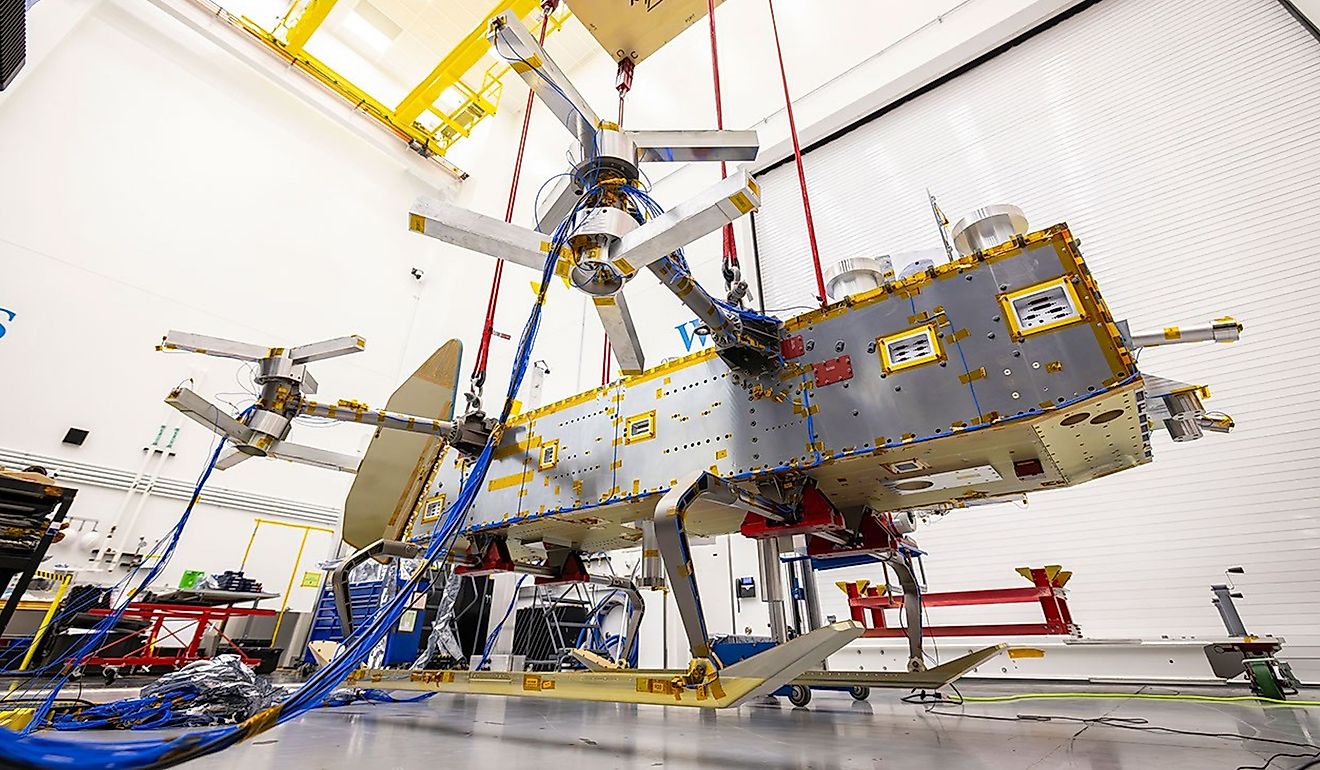
The Apollo program even settled the question from the Moon itself. In 1972, Apollo 16 astronauts set up an ultraviolet telescope designed by scientist George Carruthers on the lunar surface. Built specifically to study stars, galaxies, and Earth's upper atmosphere, it captured dozens of images, becoming the first telescope ever operated on the Moon.
When Space Photos Do Show Stars

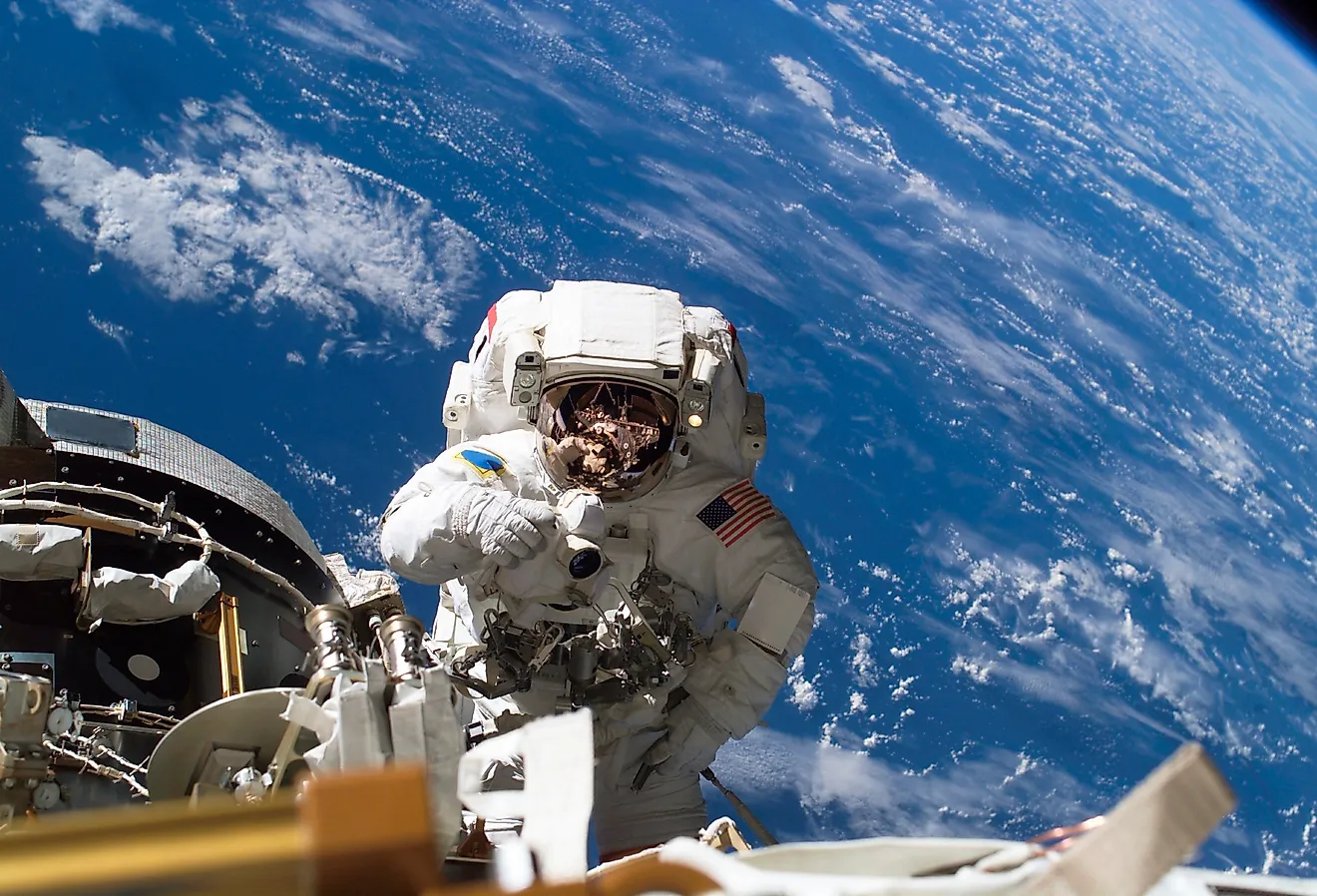
Change the target, and the stars come pouring back. Aboard the International Space Station, which circles Earth about every 90 minutes and flies into darkness 16 times a day, astronauts photograph the night side of the planet using long exposures. Some, like NASA astronaut Don Pettit, have stacked dozens of these images together to create dazzling star trails that sweep across the frame above glowing cities and lightning storms.

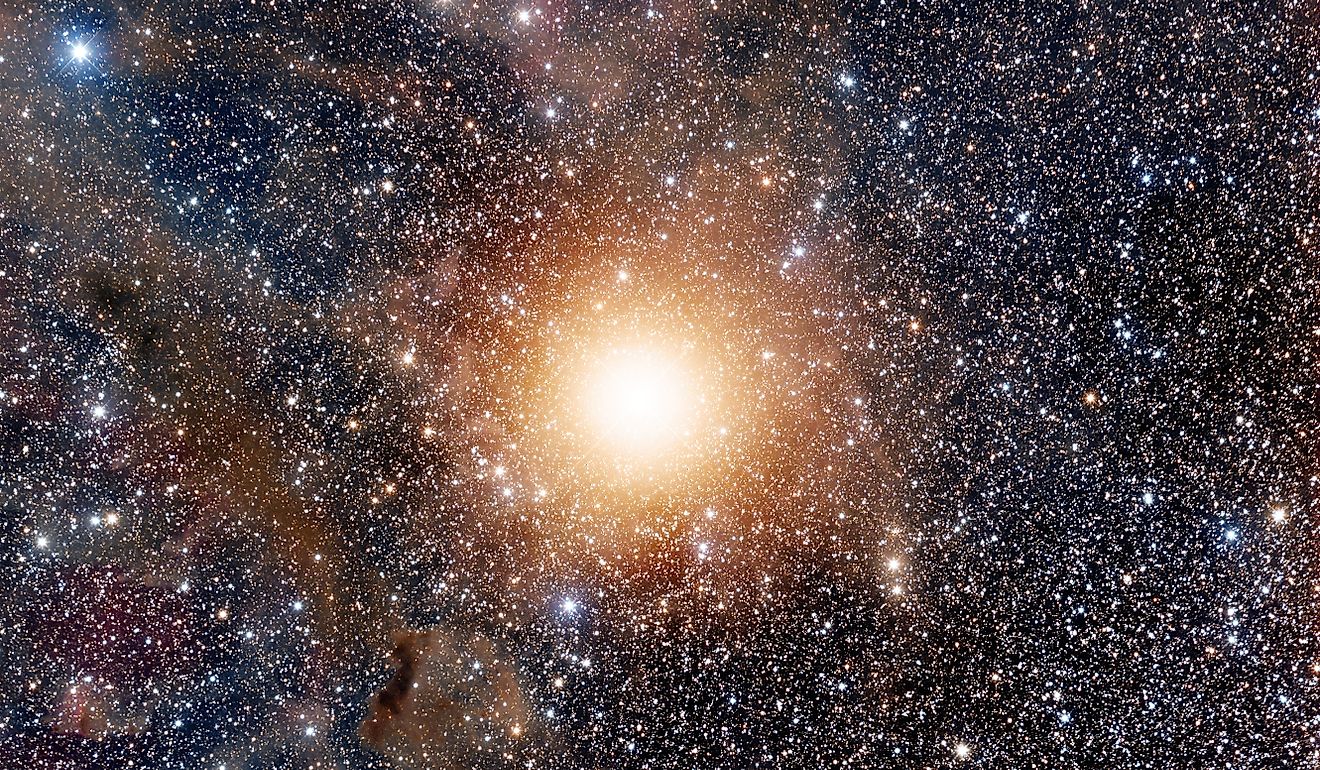
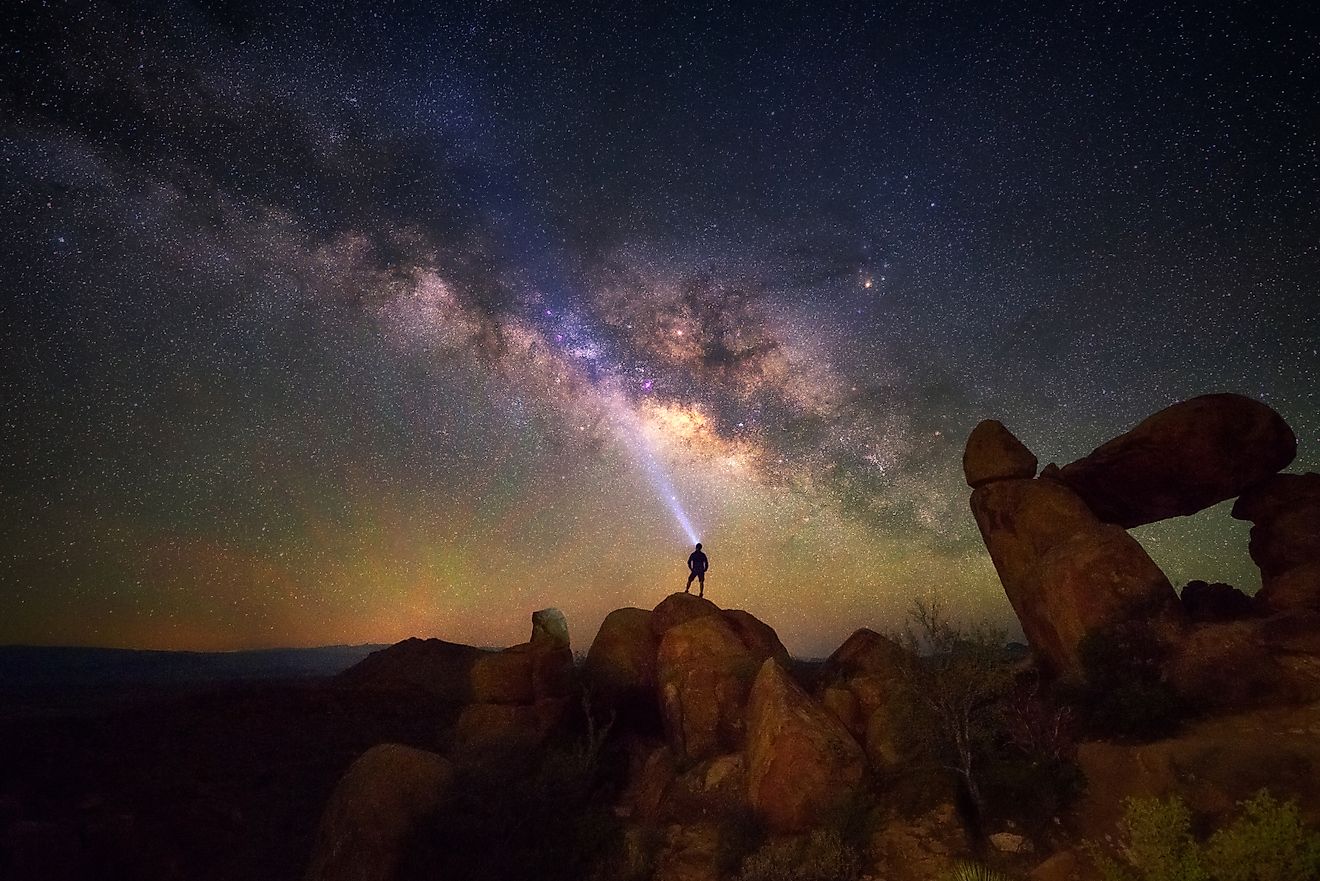
The trick is simple. Point away from anything sunlit, keep the shutter open, and let the faint light build up. Space telescopes take this to the extreme. To create its famous Ultra Deep Field image, the Hubble Space Telescope stared at one tiny, seemingly empty patch of sky for a combined total of more than 11 days, revealing around 10,000 galaxies hiding in the dark.
Bright Planets, Hidden Stars

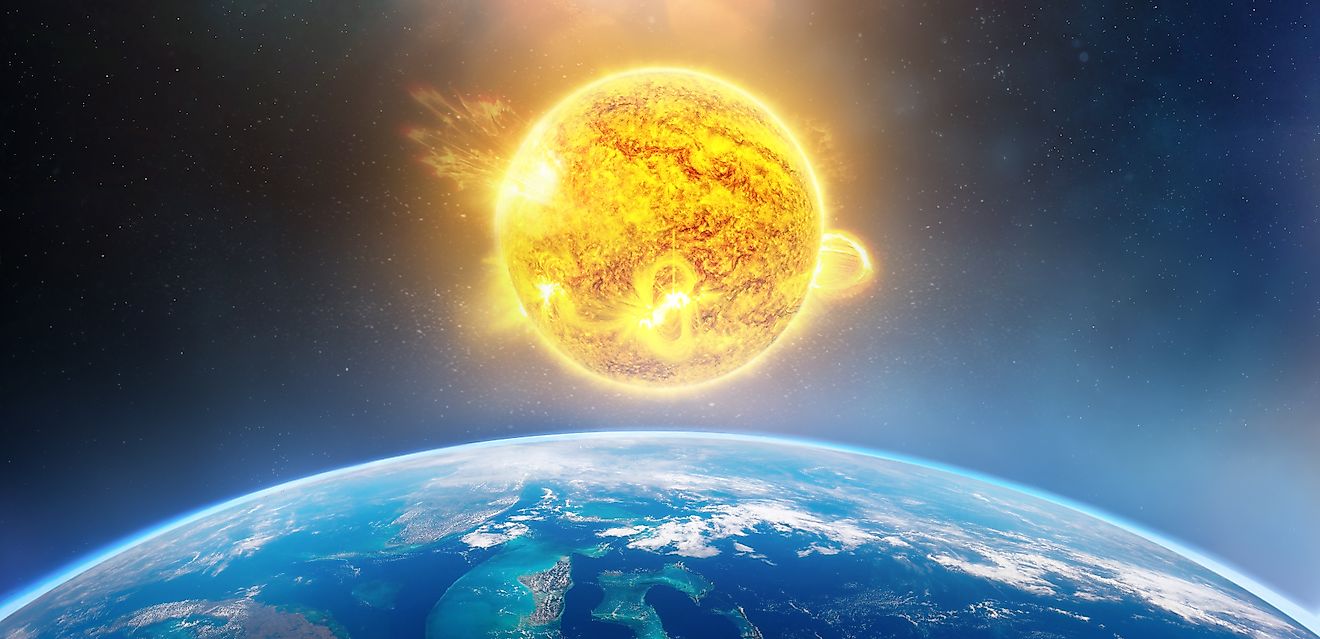
The same rule explains why pictures of Earth from orbit usually show a jet-black backdrop. A sunlit planet covered in bright clouds and oceans is one of the most brilliant things a camera can point at. Set the exposure for those swirling clouds, and the billions of stars behind Earth simply never reach the sensor. Photos of the Sun from spacecraft work the same way, only more so.
Proof The Sky Is Full
A black sky in a space photo isn't empty. It is a sky so full of stars that one patch the size of a grain of sand held at arm's length can hide thousands of galaxies. The missing stars are simply the price of photographing something brilliant. Point the camera the other way, open the shutter, and wait, and the universe that was there all along comes flooding in.