How Many Earths Could Fit Inside The Sun
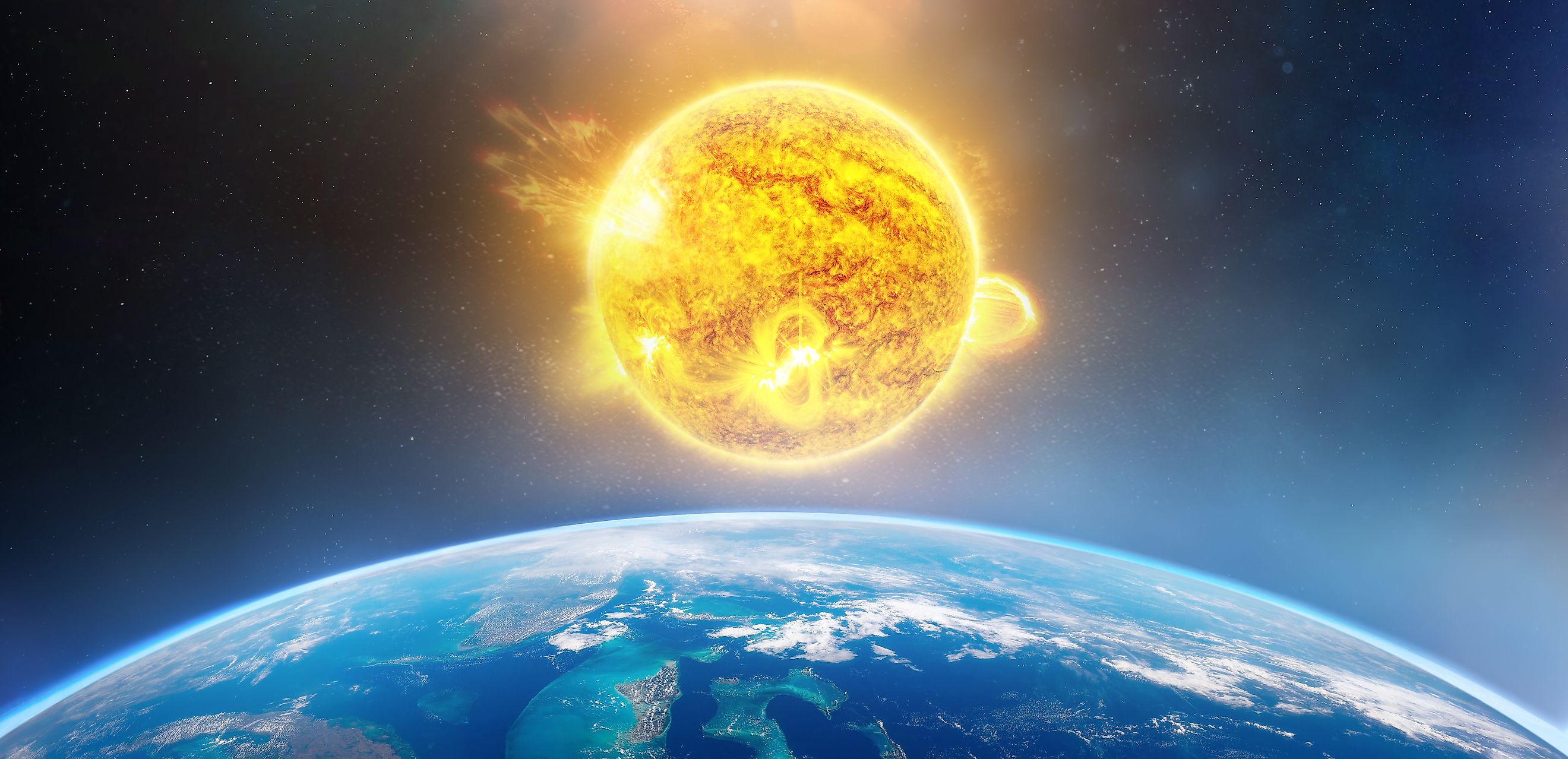
You could pour about 1.3 million Earths into the Sun and still not fill it to the brim. Line our planet up edge to edge across the Sun's face, and it would take 109 Earths to reach from one side to the other. That ball of blistering gas holds 99.8% of all the mass in the solar system, leaving every planet, moon, and asteroid to share the crumbs. Yet for all that size, the Sun is nothing special by galactic standards. Plenty of stars dwarf it, and astronomers consider it a perfectly ordinary, middle-of-the-road star.
The 1.3 Million Earth Answer

The number comes from comparing volume, the amount of space each object takes up. The Sun is 109 times wider than Earth, and because volume grows in three directions at once, that gap balloons into a difference of about 1.3 million.
There is one catch. Planets are round, and round things leave gaps when you stack them, the same way a jar of marbles still has empty space between the glass beads. If you packed solid Earths into a hollow Sun, the real count would land closer to one million. Melt them down into liquid, though, and the full 1.3 million would slide right in.
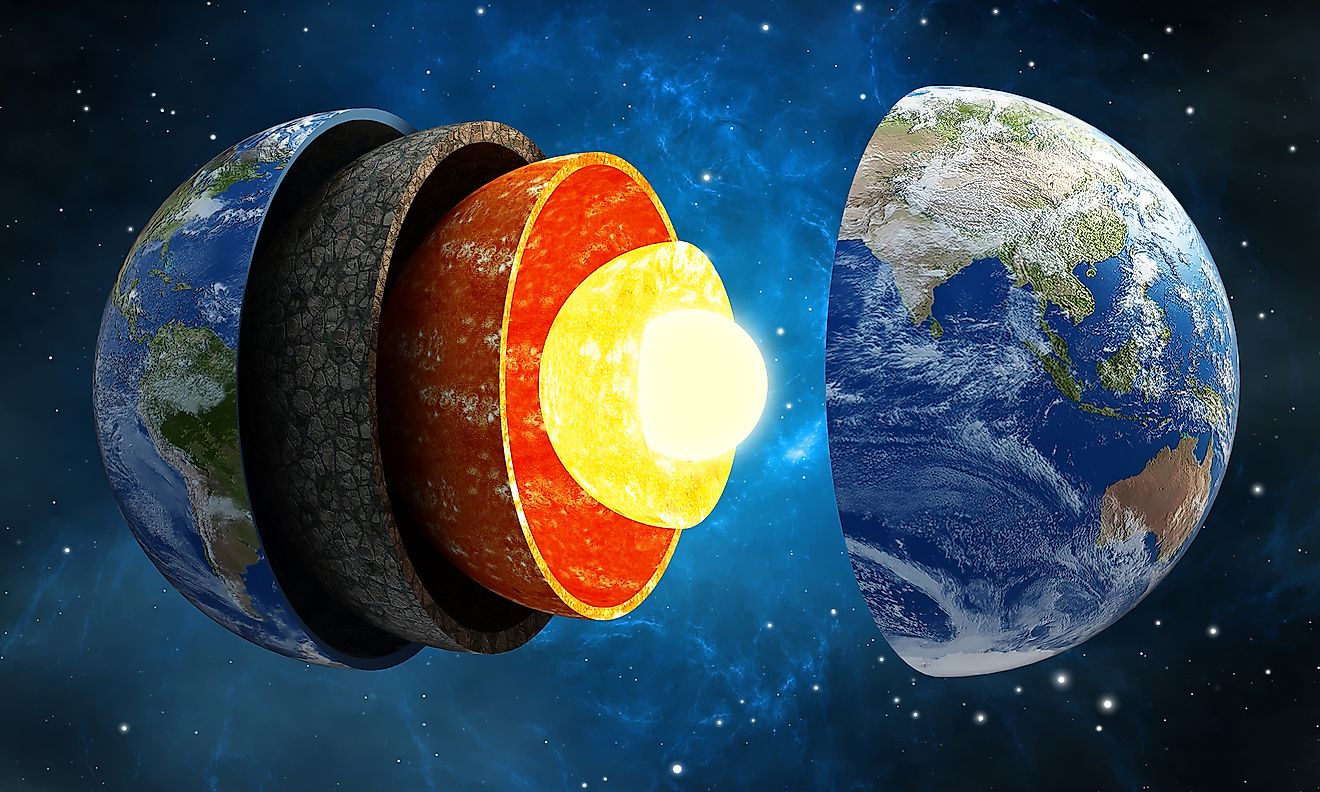
Size is only half the story. The Sun also outweighs Earth about 333,000 times over. That is far less than its 1.3 million-to-one size advantage, because the Sun is made mostly of hydrogen and helium gas, while Earth is packed with rock and iron. On average, a scoop of Sun is only about a quarter as dense as a scoop of Earth.
Picture It At Human Scale

Numbers that big are hard to feel, so shrink everything down. According to NASA, if the Sun were as tall as a front door, Earth would be about the size of a nickel. Stand that nickel next to the door, and you start to get the idea.
Distance tells the same story. Driving a car to the Sun at highway speed, nonstop, would take more than 170 years. Light makes the trip in about eight minutes, which means the sunlight hitting your face right now left the Sun before you finished your morning coffee.
Swap the car for a jetliner, and you would still be in your seat for nearly 20 years. Even the fastest spacecraft ever built, NASA's Parker Solar Probe, which whips past the Sun at roughly 430,000 miles per hour, needs months to fall from Earth's neighborhood into the Sun's. And if you could somehow walk around the Sun's equator without stopping, the stroll would take more than a century.
Spots Bigger Than Our Planet

The Sun is so huge that even its blemishes dwarf us. Sunspots, the dark patches that freckle its surface, are cooler, magnetically tangled regions, and many of them are wider than the entire Earth. The Sun's surface area alone is about 12,000 times larger than Earth's, enough room to lay out 12,000 flattened Earths like a patchwork quilt.
That surface would be a nightmare for any visitor. It burns at roughly 10,000°F (5,500°C), hotter than any lava on Earth, and the Sun's crushing gravity, about 28 times stronger than Earth's, would make a 150-pound person weigh more than two tons.
The surface is the cool part. Deep in the core, where hydrogen atoms smash together to make the Sun shine, temperatures reach about 27 million°F (15 million°C). When tangled magnetic fields near sunspots snap, they unleash solar flares, explosions that can knock out radio signals on Earth. In 1859, the most powerful solar storm on record, now called the Carrington Event, lit up skies with auroras as far south as the Caribbean and sent sparks flying from telegraph lines.
Even Jupiter Is Tiny

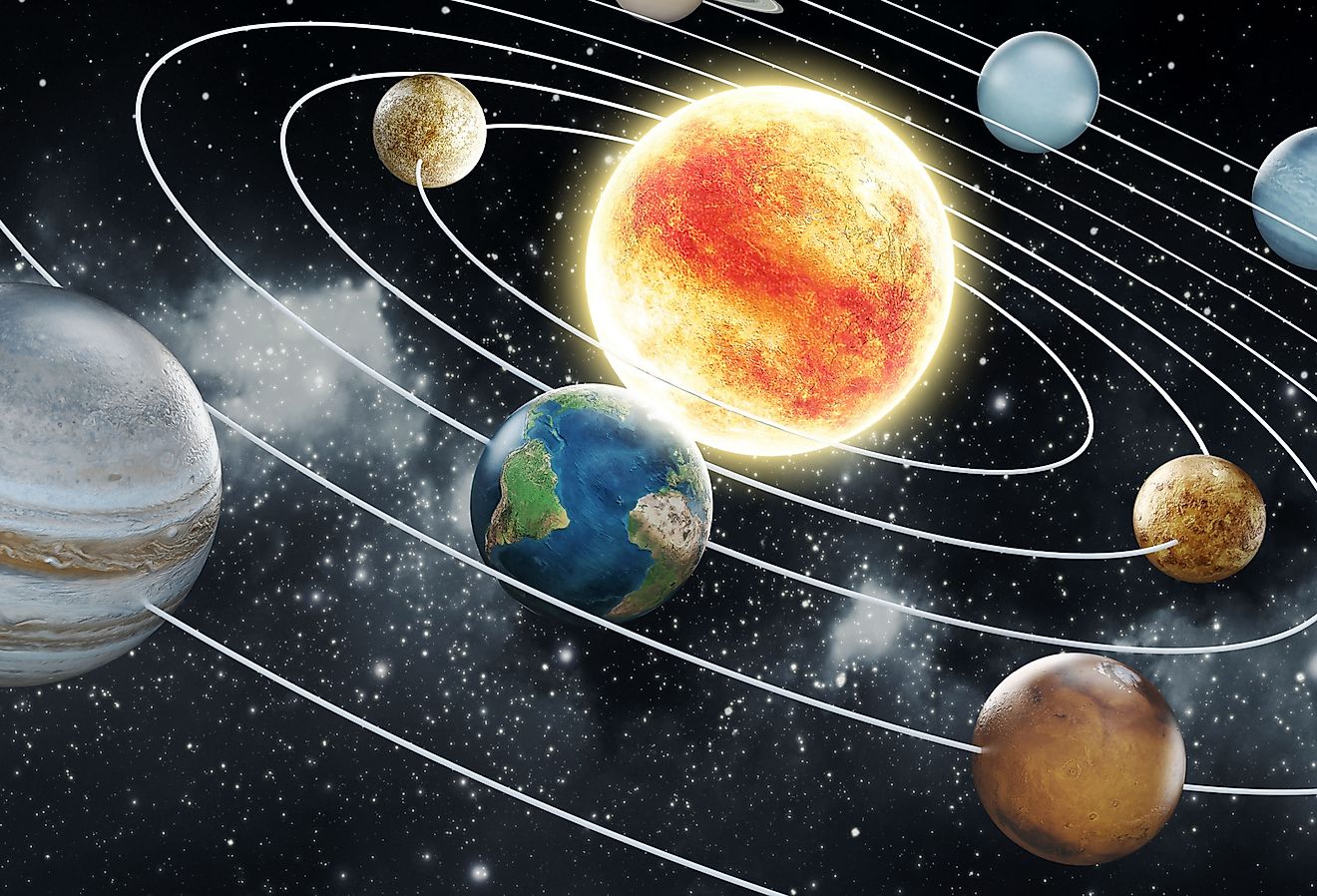
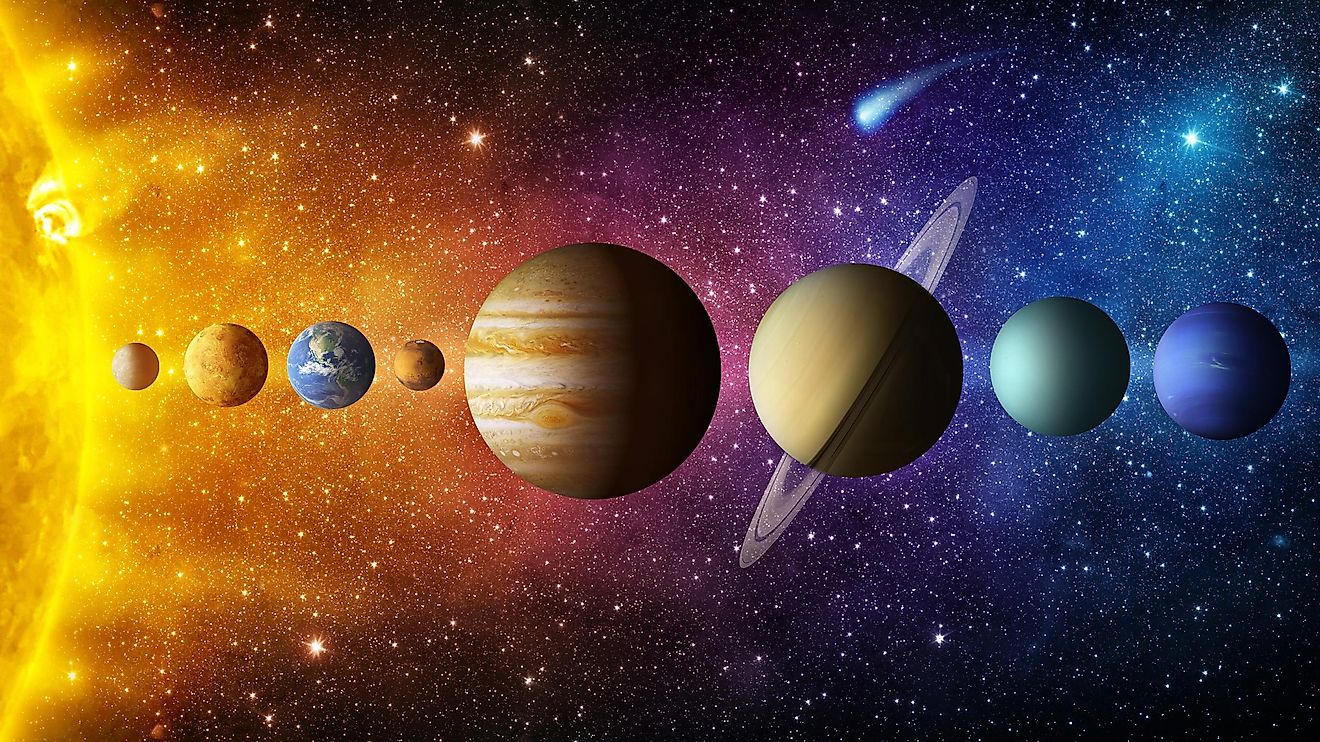
Jupiter, the giant of the planets, is big enough to hold more than a thousand Earths. Yet roughly 1,000 Jupiters would fit inside the Sun. The Sun is so massive that it and Jupiter actually circle a shared balance point that sits just outside the Sun's surface.
Jupiter is sometimes called a failed star, but it never came close. To start the nuclear fires that power a star, it would need about 80 times more mass than it has. Pile every planet, moon, and asteroid in the solar system onto one side of a giant scale, and the Sun would still outweigh them all hundreds of times over.
The Stars That Make The Sun Look Small

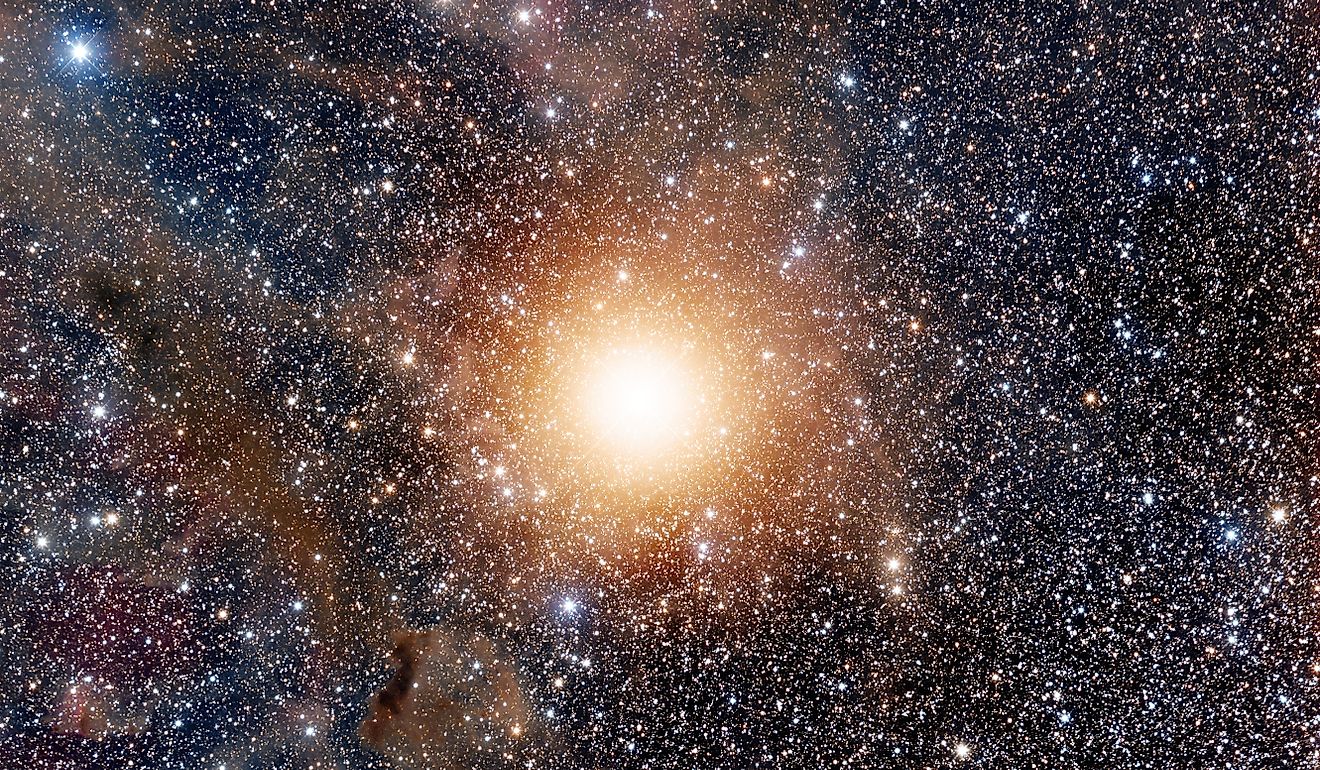
For all its size, the Sun is a middleweight. The red supergiant Betelgeuse, the bright orange star on Orion's shoulder, is so swollen that if it took the Sun's place, its surface would stretch out past the orbit of Mars. Mercury, Venus, Earth, and Mars would all be swallowed inside it.
Betelgeuse is also living on borrowed time. Astronomers expect it to explode as a supernova sometime within the next 100,000 years or so, and when it does, it may shine brightly enough to be seen in the daytime sky for weeks. Even Betelgeuse isn't the biggest. The largest known stars are so enormous that billions of Suns could fit inside them, a scale that makes the 1.3 million Earths inside our Sun look like a handful of sand.
The Sun Is Going To Get Bigger
The Sun won't stay this size forever. In about five billion years, it will run low on the hydrogen fuel in its core and balloon into a red giant. As it expands, it is expected to engulf Mercury and Venus, and it may swallow Earth too. At that point, the question won't be how many Earths could fit inside the Sun. It will be whether our planet ends up as one of them.
The ending has a twist. After its red giant phase, the Sun will puff its outer layers into space, leaving behind its glowing core, a white dwarf roughly the size of Earth. The star that once had room for 1.3 million Earths will finish its life no bigger than one.