Which World Has The Most Extreme Temperature Swing?
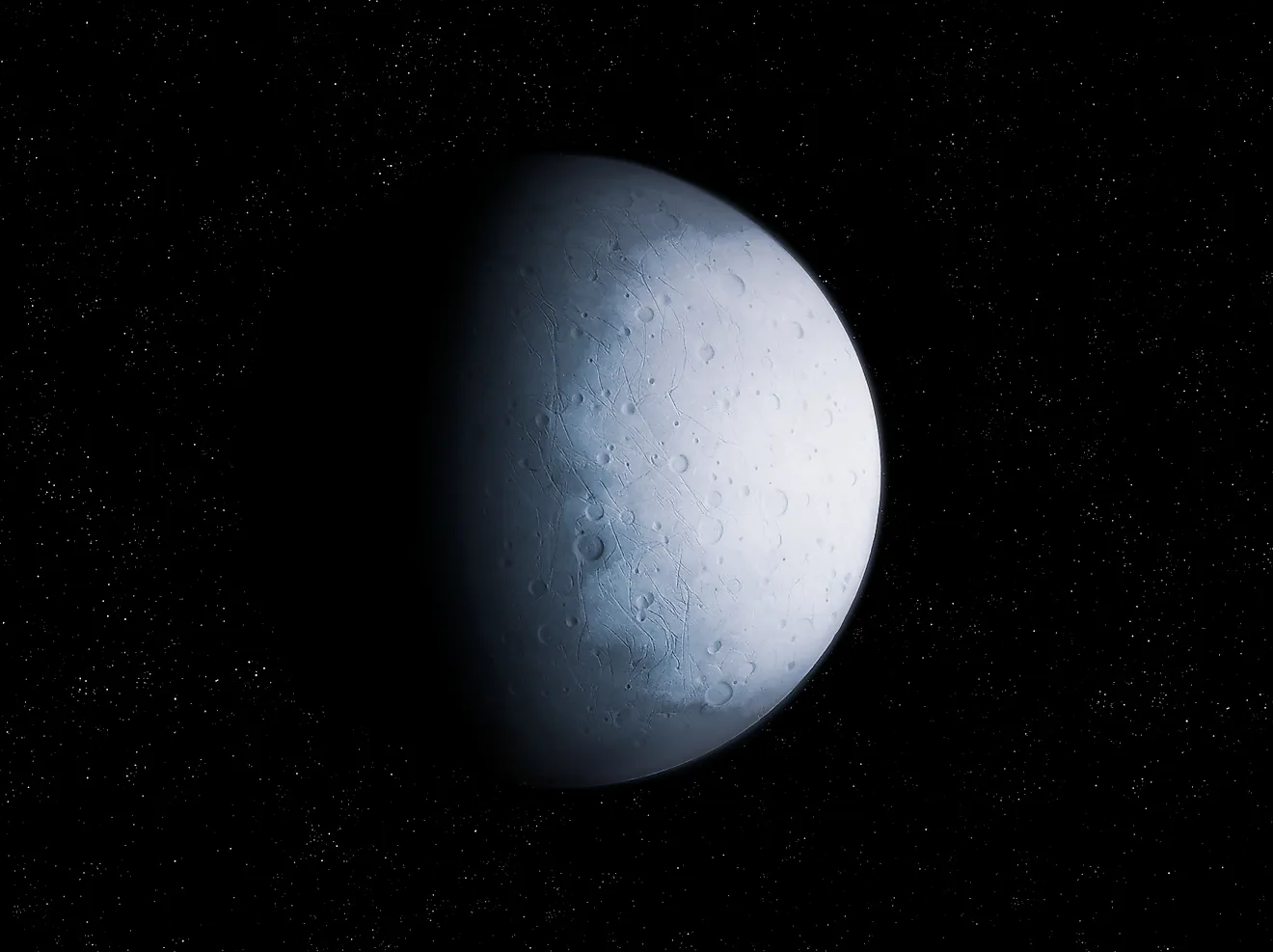
On Mercury, daytime temperatures can reach a blistering 800°F (430°C), hot enough to melt lead, before plunging to -290°F (-180°C) at night. That's a temperature swing of 1,090°F (610°C), more than four times the difference between Earth's hottest and coldest recorded air temperatures. This makes Mercury, the smallest planet in our solar system, the world with the greatest surface-temperature range of any planet or moon in our celestial neighborhood. So how can a planet so close to the Sun become unimaginably cold?
Why Mercury Has Such Extreme Temperatures

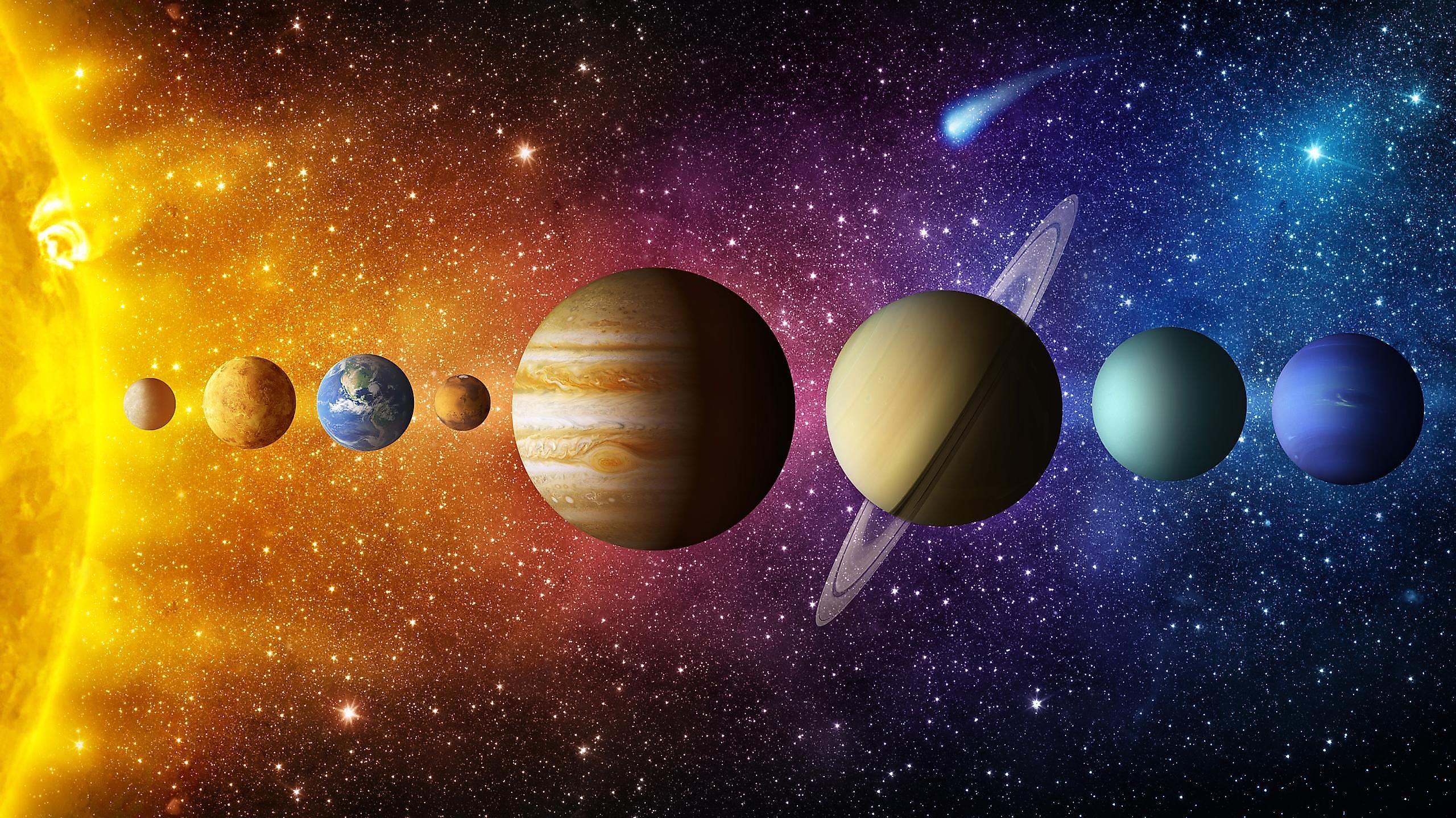
Mercury is the closest planet to the Sun, orbiting at an average distance of just 36 million miles, compared with Earth's 93 million miles. From Mercury's surface, the Sun would appear more than three times as large as it does from Earth, with sunlight up to seven times brighter. The result is extraordinary daytime heating, particularly around the equator.
However, Mercury has almost no atmosphere to trap this heat. Earth has a thick blanket of gases that absorbs and redistributes warmth, preventing the surface from cooling too dramatically after sunset. Mercury has only an extremely thin layer of particles called an exosphere, which provides virtually no insulation. As darkness falls, the rocky surface loses heat directly into space.
The planet's slow rotation makes these extremes even more pronounced. Mercury takes approximately 59 Earth days to rotate once on its axis, but because of its movement around the Sun, one complete day-night cycle lasts 176 Earth days. That's twice as long as a Mercury year, which lasts just 88 Earth days.
A Sun That Can Rise Twice

Mercury is the fastest planet in the solar system, racing around the Sun at an average speed of nearly 30 miles per second, or more than 100,000 miles per hour. Its orbit is also unusually stretched, meaning its distance from the Sun changes considerably throughout the year. Combined with the planet's slow rotation, this creates a bizarre sight. At certain locations on Mercury, the Sun can rise above the horizon, briefly retreat below it, then rise again. Elsewhere, the same strange reversal occurs during sunset.
Imagine watching the Sun climb into the sky, reverse direction, and disappear, only to reappear shortly afterward. On Earth, the apparent movement of the Sun across the sky is relatively predictable. On Mercury, its orbital motion sometimes temporarily overtakes its slow rotation, producing this extraordinary spectacle. The long periods of sunlight and darkness also give Mercury's surface plenty of time to heat up and cool down, intensifying its temperature extremes.
Hot Enough To Melt Lead

During the day, Mercury's sunlit surface can reach 800°F (430°C). For perspective, the highest officially recorded air temperature on Earth was 134°F (56.7°C), measured in Death Valley, California, on July 10, 1913, although the accuracy of this historic record has been questioned.
Mercury's surface is hot enough to melt lead, which liquefies at approximately 621°F (327°C). An exposed human would have no chance of surviving these conditions without extensive protective equipment and cooling systems. The intense sunlight, lack of breathable air, and extreme radiation exposure would make the surface even more dangerous.
Surprisingly, Mercury isn't the hottest planet in the solar system. That distinction belongs to Venus, where surface temperatures average approximately 867°F (464°C). Venus has an extraordinarily dense atmosphere that traps heat so efficiently that its surface remains scorching even at night.
Colder Than Antarctica

Mercury's nighttime temperatures can fall to -290°F (-180°C), far colder than the lowest air temperature ever directly recorded on Earth. That record belongs to Vostok Station in Antarctica, where Soviet researchers measured -128.6°F (-89.2°C) on July 21, 1983.
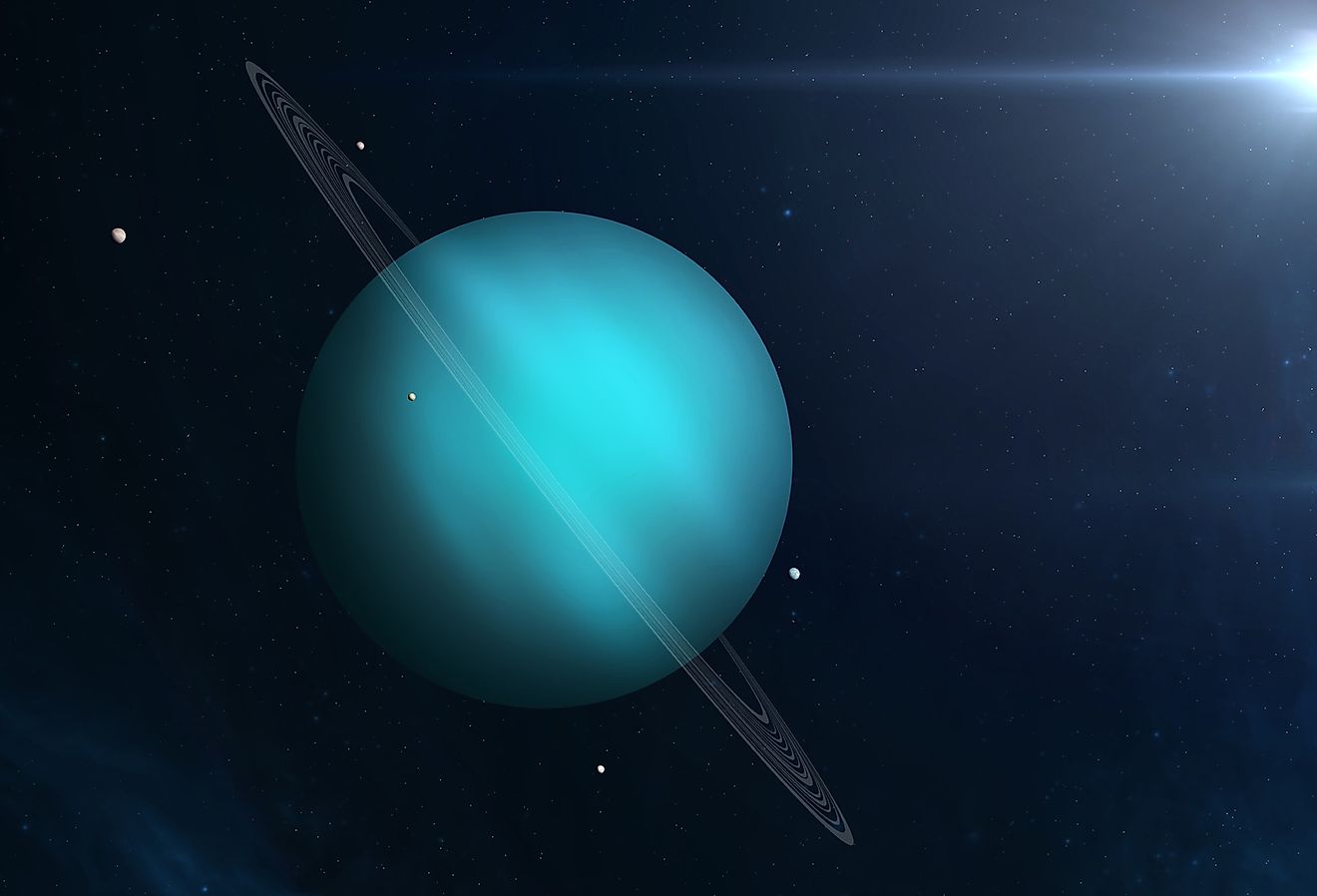
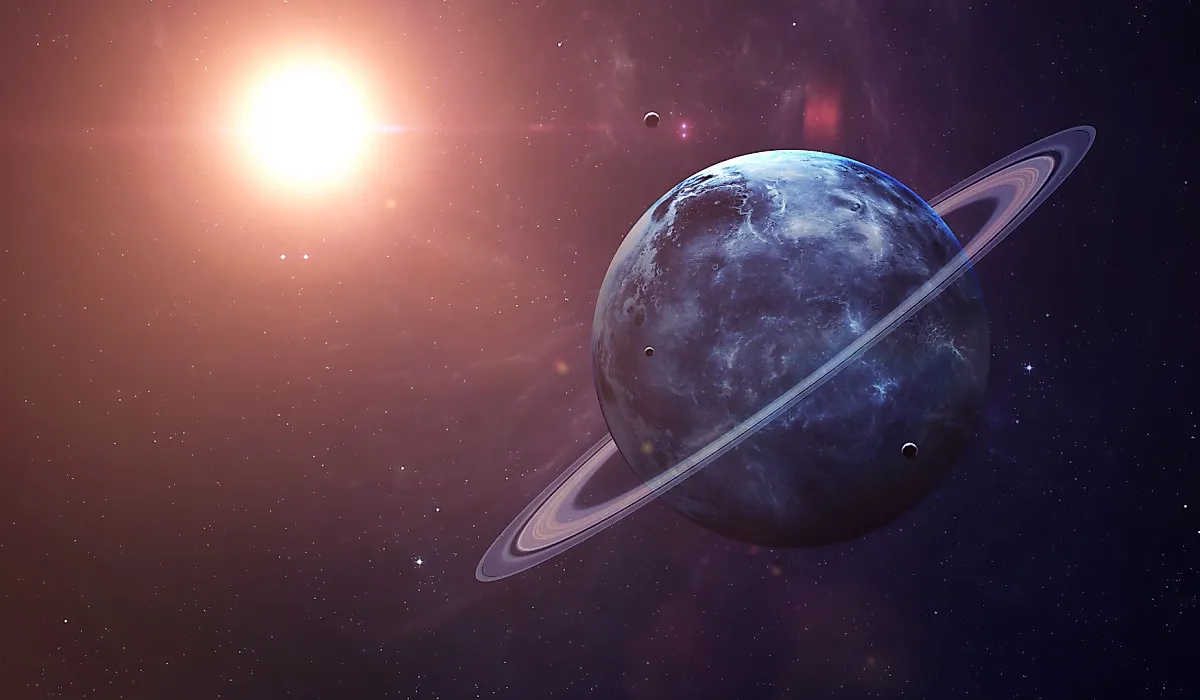
Mercury's nighttime surface can therefore become more than 160°F colder than the coldest recorded Antarctic air temperature. Even machinery designed for Earth's harshest polar environments would face extraordinary challenges operating through Mercury's extended periods of darkness. Mercury isn't the coldest planet in the solar system, either. That distinction is often given to Uranus, whose atmosphere has reached temperatures of approximately -371°F (-224°C). However, Uranus doesn't experience the same enormous changes in solid surface temperature, since it lacks a conventional solid surface.
Ice On The Planet Closest To The Sun

Perhaps Mercury's strangest temperature-related feature is the presence of water ice. Despite its proximity to the Sun, frozen water exists inside deep impact craters near the planet's poles. Some of these craters have floors that never receive direct sunlight. Their steep walls create permanent shadows, shielding the interior from the intense solar radiation that heats the surrounding landscape.
NASA's MESSENGER spacecraft helped confirm the presence of ice in these regions. Thermal studies indicate that some permanently shadowed locations can fall below -370°F (-223°C), making them even colder than Mercury's ordinary nighttime surface. These temperatures extend Mercury's overall surface-temperature range beyond the already astonishing 1,090°F difference between its typical daytime and nighttime extremes.
The Solar System's Most Extreme Temperature Swing
The difference between Earth's officially recorded highest and lowest air temperatures is approximately 263°F (146°C), despite those records coming from some of the planet's harshest environments. Mercury's ordinary day-night surface range exceeds 1,000°F, and its permanently shadowed polar craters push the contrast even further.
For any future spacecraft attempting to operate on Mercury's surface, surviving one extreme would be challenging enough. Enduring both would require protection against temperatures capable of melting metal and others approaching the coldest found anywhere in the solar system. Mercury's greatest paradox is that the same planet that races closest to the Sun also harbors places where sunlight has never touched the ground, and where ice can survive for billions of years.