Which Planet Is The Coldest?
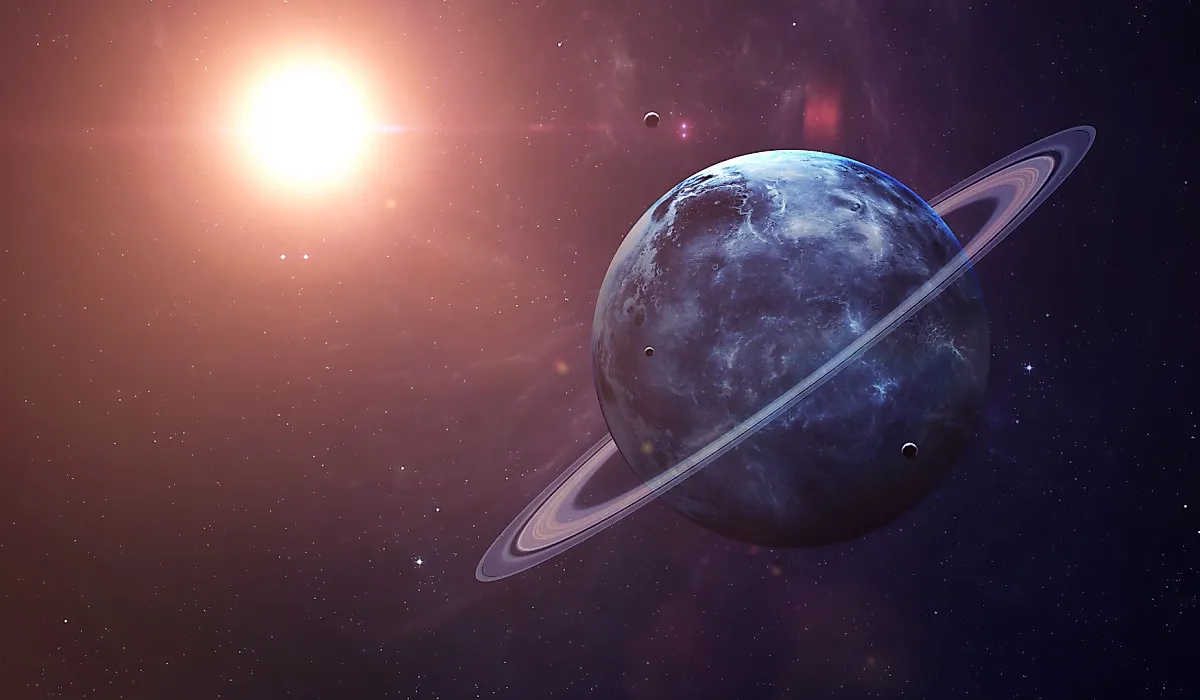
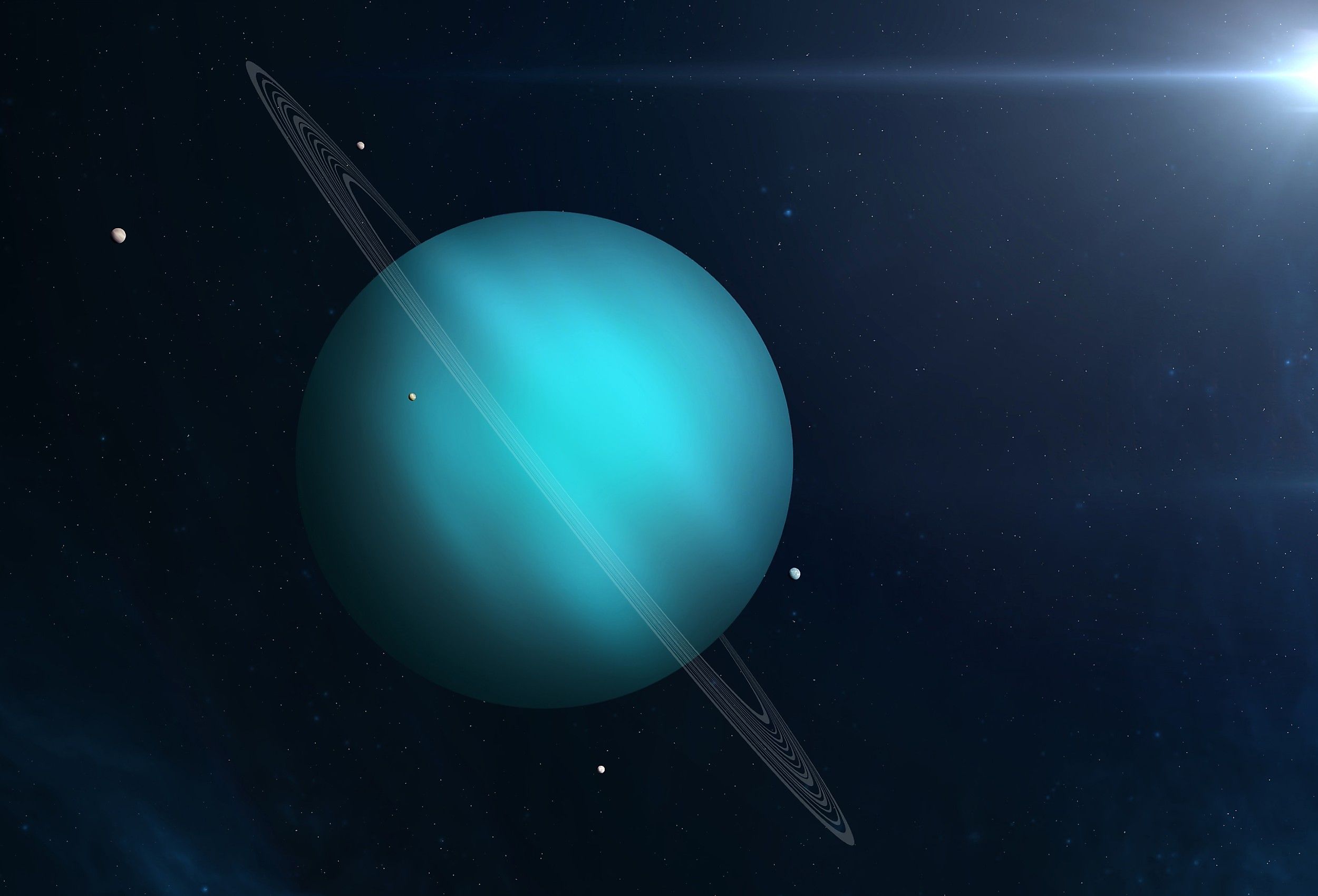
If you could somehow be suspended in the upper atmosphere of Uranus, the temperature could fall to about -372°F (-224°C), nearly 250 degrees Fahrenheit below the lowest directly measured air temperature on Earth. Such conditions would be lethal, but temperature alone cannot establish how quickly exposed tissue would freeze because the cooling rate also depends on pressure, atmospheric density, and heat transfer. However, it is still unclear why Uranus radiates so little heat from its interior compared with other giant planets. Neptune, for instance, stays warmer despite being much further away from the Sun. Ranking the planets in our solar system by coldness reveals plenty of surprises like these, such as Mercury reaching a lower minimum temperature than Earth in spite of its proximity to the Sun.
The Planets Ranked

The ranking below uses each planet's minimum surface temperature, rather than its average (mean) surface temperature. The mean temperature ranking is included separately in the final column. For Jupiter, Saturn, Uranus, and Neptune, temperatures refer to atmospheric levels because these gas and ice giants do not have solid surfaces. Temperature figures are approximate and can vary depending on the altitude or measurement method used.
| Coldest Rank | Planet | Minimum Temperature | Mean Temperature |
|---|---|---|---|
| 1 | Uranus | -372°F / -224°C | -320°F / -195°C (2nd) |
| 2 | Neptune | -360°F / -218°C | -330°F / -200°C (1st) |
| 3 | Saturn | -312°F / -191°C | -220°F / -140°C (3rd) |
| 4 | Mercury | -290°F / -180°C | 333°F / 167°C (7th) |
| 5 | Jupiter | -229°F / -145°C | -166°F / -110°C (4th) |
| 6 | Mars | -220°F / -140°C | -85°F / -65°C (5th) |
| 7 | Earth | -128°F / -89°C | 59°F / 15°C (6th) |
| 8 | Venus | 710°F / 377°C | 872°F / 467°C (8th) |
The rankings reveal an important distinction. Mercury has a remarkably low minimum temperature because its nearly nonexistent atmosphere cannot retain heat at night, yet its extremely hot days push its mean temperature far above those of Mars and the outer planets. Uranus and Neptune, meanwhile, remain extremely cold both at their coldest and on average.
1. Uranus
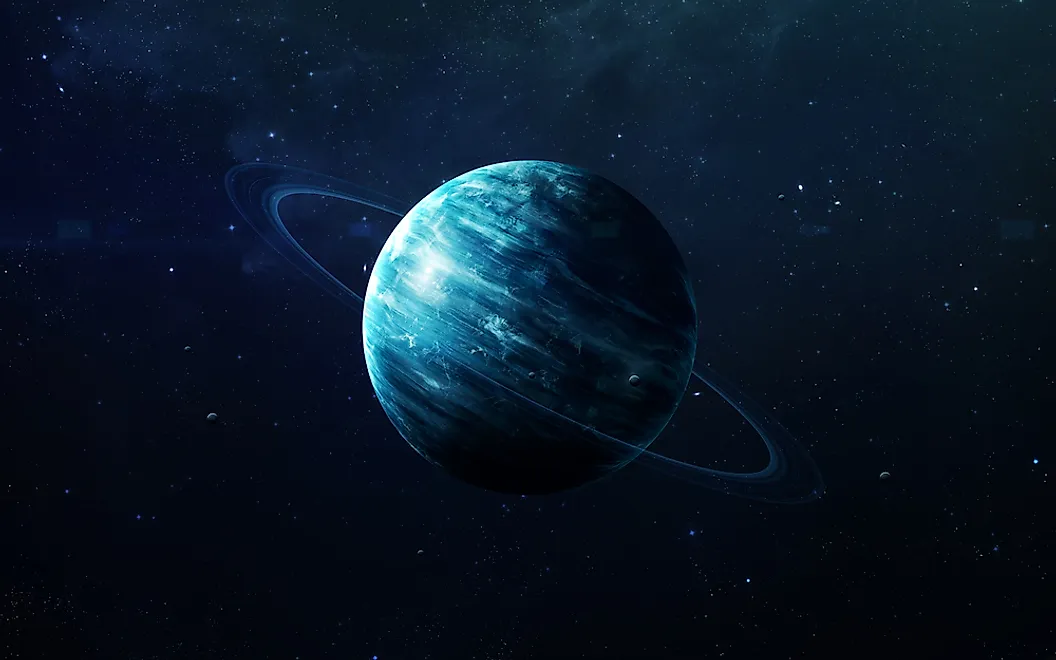
Uranus reaches the lowest planetary temperature in the solar system, with atmospheric temperatures falling to roughly -372°F (-224°C). That is cold enough to freeze many gases on Earth. Uranus is also one of the solar system's strangest worlds, rotating almost completely on its side with an axial tilt of about 98 degrees. Each pole spends years facing toward or away from the Sun, producing seasons unlike anything experienced on Earth.
The level of extreme cold on Uranus is puzzling because Neptune is farther away and receives less sunlight, yet it does not get quite as frigid. Recent analyses indicate that Uranus emits about 15% more energy than it receives from the Sun, confirming a modest internal heat source that remains much weaker than Neptune's. Despite its deep freeze, the atmosphere on Uranus can produce winds approaching 560 mph (900 km/h).
2. Neptune
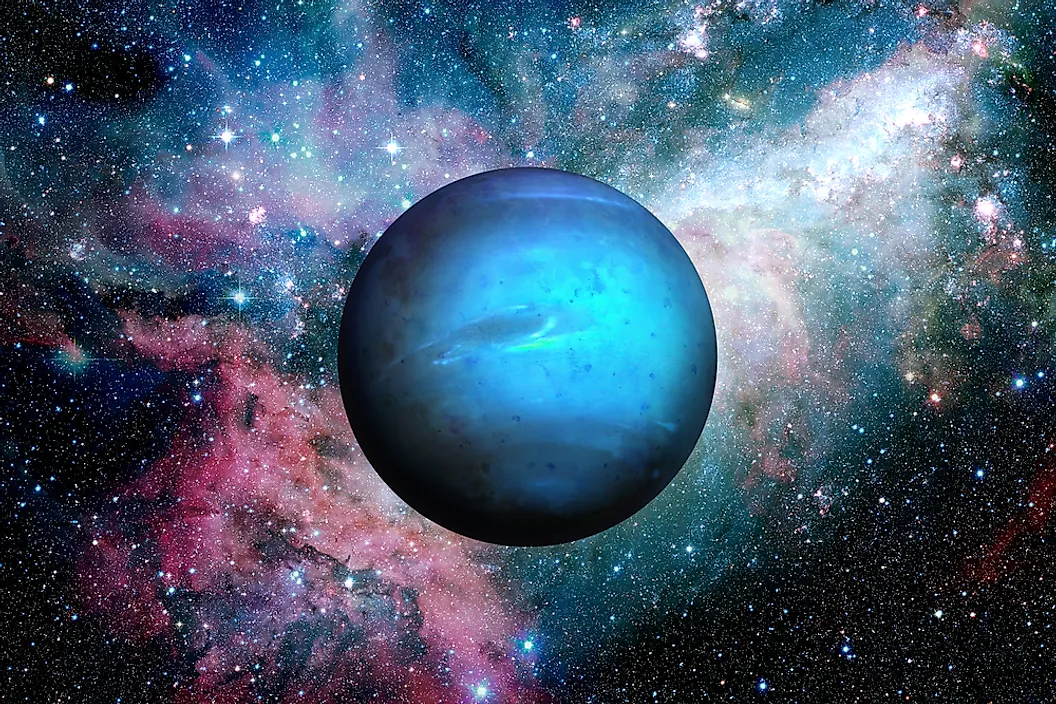
Neptune can fall to approximately -360°F (-218°C) in its atmosphere, placing it only about 12 degrees Fahrenheit above Uranus at its coldest. As the outermost planet in our solar system, Neptune is more than 30 times farther from the Sun than Earth, where sunlight is roughly 900 times dimmer than it is here. From Neptune, the Sun would look more like an exceptionally bright star than the enormous disk visible on Earth.
While you might expect it to be frozen solid, Neptune in fact has an active and violent atmosphere. Winds can reach more than 1,200 mph (2,000 km/h), among the fastest known anywhere in the solar system. Neptune also releases considerably more internal heat than Uranus, helping explain why the more distant planet is not the coldest. There is no solid surface, so a spacecraft descending into Neptune would encounter progressively greater pressure and temperature.
3. Saturn

Saturn's minimum temperature is about -312°F (-191°C), making its upper atmosphere considerably colder than Jupiter's. The ringed planet is a gas giant composed primarily of hydrogen and helium, so there is no solid surface where a person could stand. Its cloud tops mark only the uppermost layers of an atmosphere that becomes progressively denser and hotter closer to the core.
Saturn also has some of the solar system's most unusual weather. Powerful storms can race through its atmosphere, while a bizarre hexagon-shaped jet stream surrounds its north pole. A spacecraft descending through Saturn would eventually encounter pressures and temperatures powerful enough to destroy it, despite beginning its journey in an atmosphere colder than anything naturally experienced on Earth.
4. Mercury
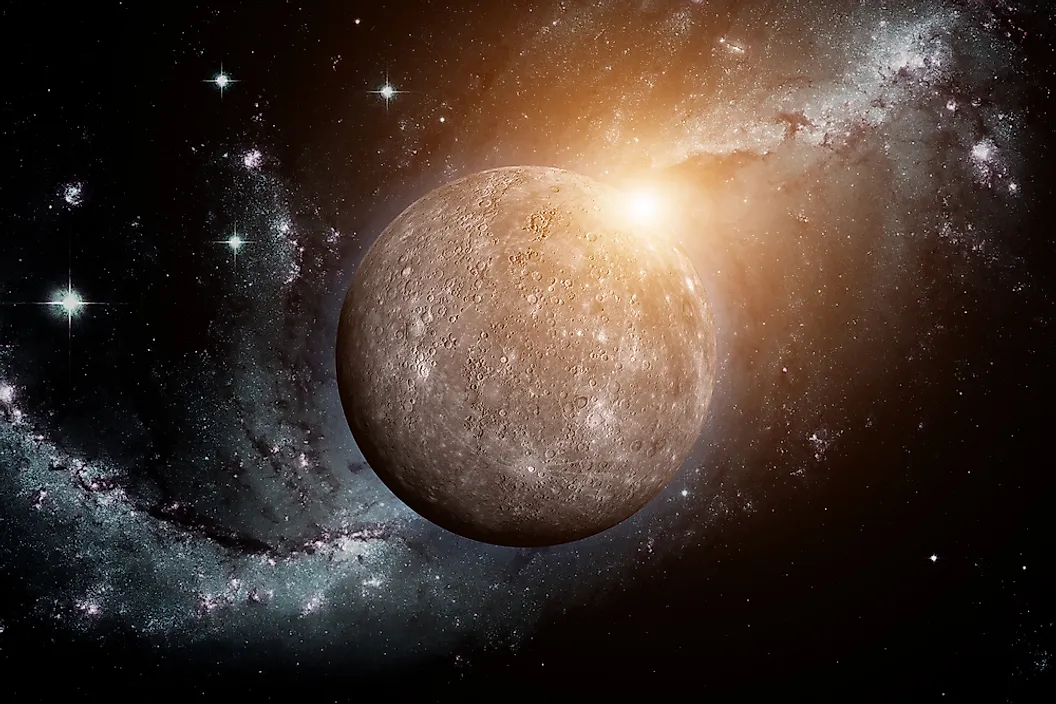
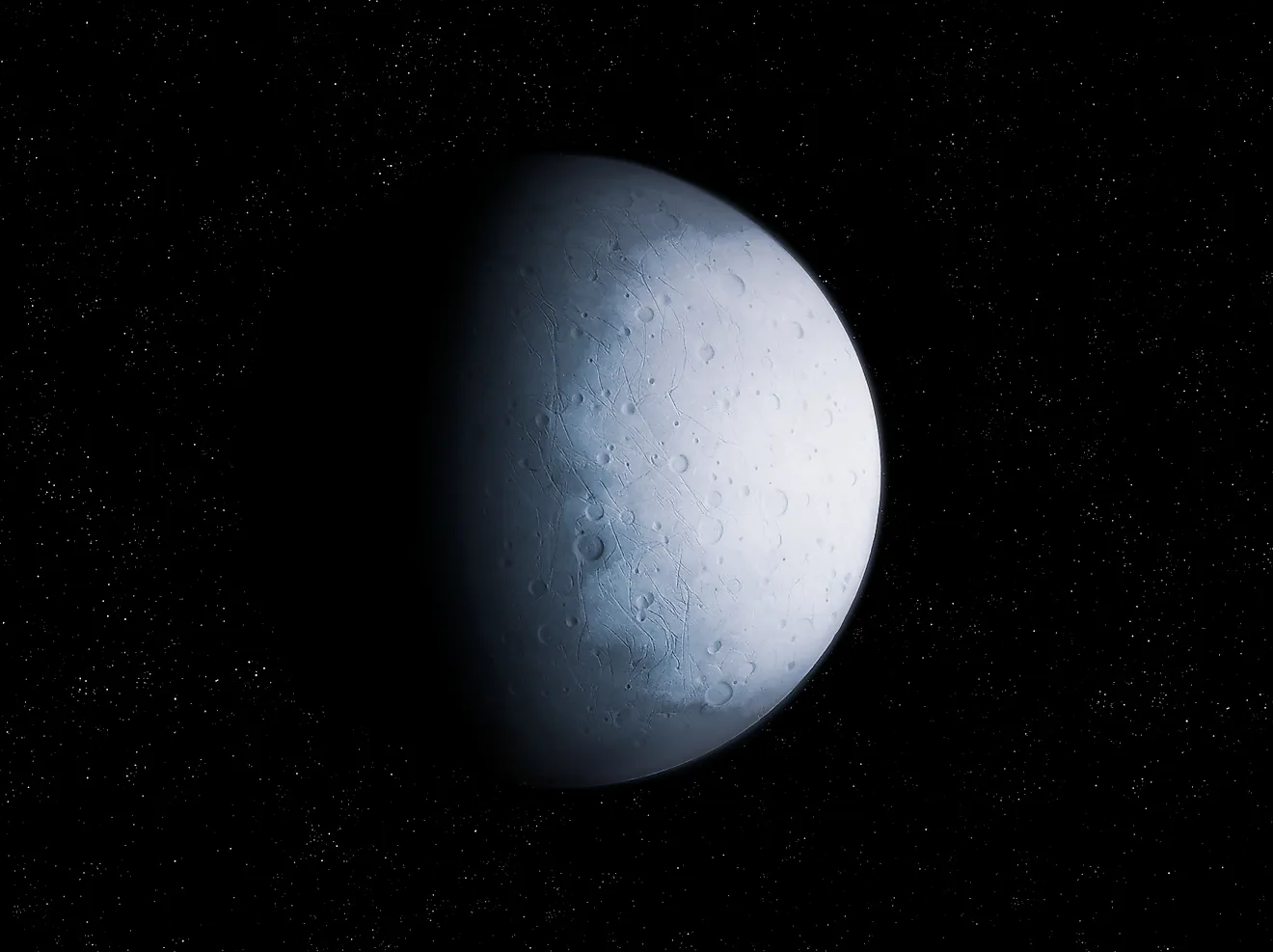
Mercury has to be the biggest surprise in the coldest planet rankings. Despite being the planet closest to the Sun, it can still dip to about -290°F (-180°C) after sunset, more than 150 degrees Fahrenheit below Earth's coldest reading. Its atmosphere is so thin that it cannot retain or redistribute much heat, allowing temperatures to soar to roughly 800°F (430°C) during the day before plunging rapidly once the sun sets, solar radiation ends, and the heat of the day dissipates.
Mercury's recurring temperature swings can exceed 1,000°F in spots, but not consistently over the entire planet. Some permanently shadowed craters near Mercury's poles are cold enough to preserve water ice despite the planet's proximity to the Sun. A person who could somehow stand on Mercury would therefore face a bizarre landscape where sunlight produces furnace-like heat while nearby areas remain permanently frozen.
5. Jupiter
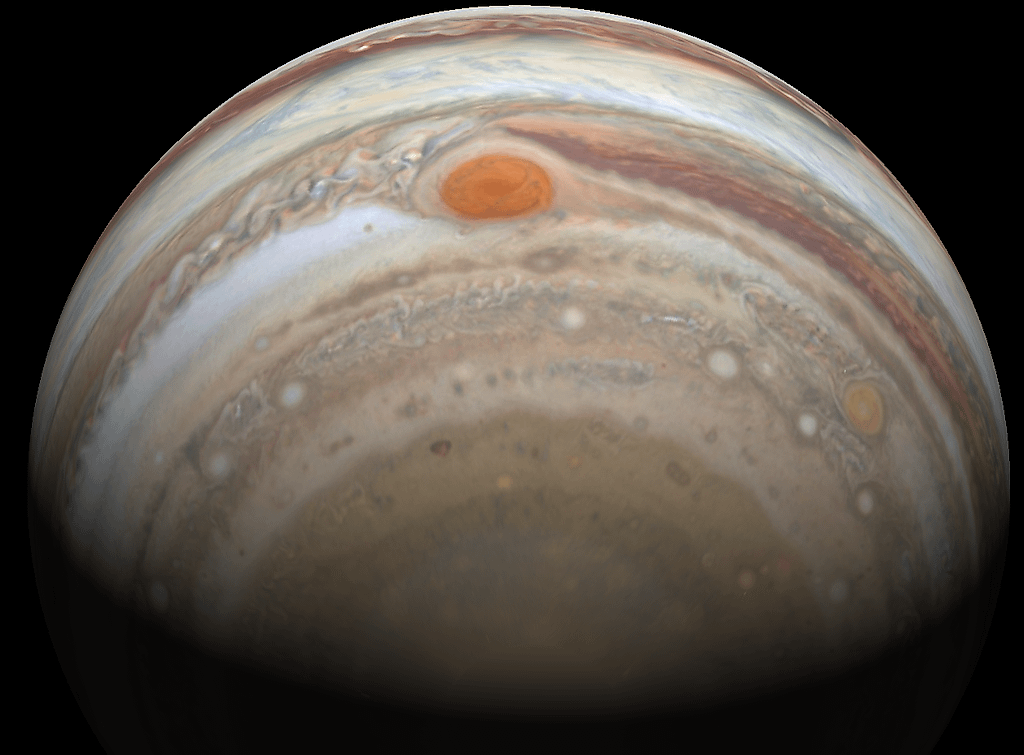
Jupiter's minimum atmospheric temperature is approximately -229°F (-145°C). That may seem comparatively mild next to Uranus, but Jupiter's immense size makes the environment difficult to imagine. More than 1,000 Earths could fit inside the planet if it were hollow, yet Jupiter has no solid surface to support a human or a spacecraft.
Temperatures increase rapidly with depth as pressure rises and heat from Jupiter's interior becomes more important. That internal heat helps power the planet's turbulent atmosphere, including the Great Red Spot, a gigantic storm that has persisted for centuries and is larger than Earth.
6. Mars

Mars can reach approximately -220°F (-140°C) in its coldest regions, although temperatures vary dramatically. Near the equator, temperatures can briefly approach 70°F (20°C) during the daytime before dropping sharply after sunset. Like with Mercury, the planet's thin atmosphere is largely responsible for these extreme daily swings.
Even during mid-day near the equator, Mars would still be an exceptionally hostile place for humans. Its atmospheric pressure is less than 1% of Earth's, and the atmosphere cannot supply enough oxygen for unprotected human breathing. A spacesuit would have to provide pressure, oxygen, and thermal protection while also shielding astronauts from dangerous radiation.
7. Earth

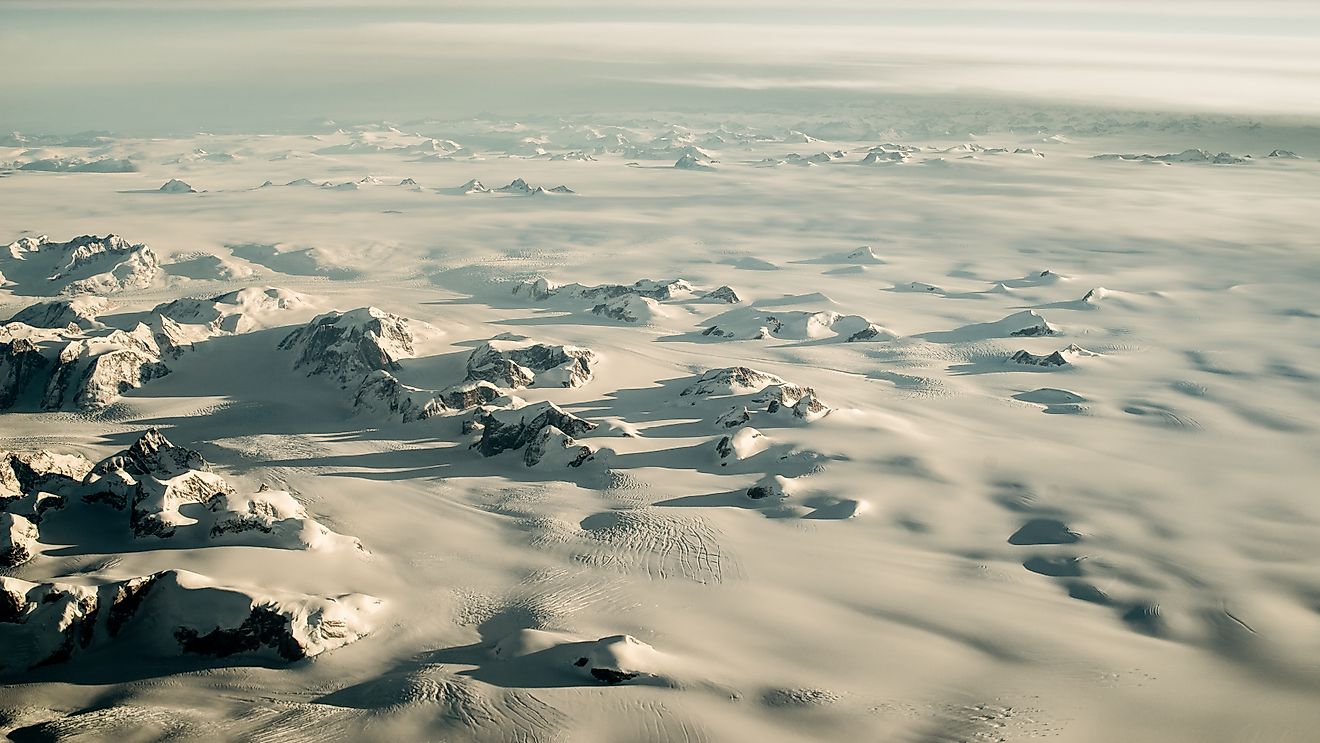
Earth's mean temperature of 59°F (15°C) might remind you of a perfect autumn day, but its record low of -128.6°F (-89.2°C) would be a shock to the system. The record low was measured at Vostok Station in Antarctica on July 21, 1983. At the other end of the scale, the record high of 134.1°F (56.7°C) was measured on July 10, 1913, at Furnace Creek Ranch in Death Valley, California.
Even though a difference of more than 260 degrees Fahrenheit between the all-time coldest and hottest temperatures sounds extreme, Earth's atmosphere and oceans distribute heat around the planet, preventing the truly enormous temperature swings found on Mercury. Earth remains dramatically different from the other planets in our solar system because its atmosphere, liquid-water oceans, and moderate global temperatures create conditions capable of supporting life as we know it.
8. Venus

Venus easily comes in last when planets are ranked by their minimum temperatures. Not only is it the only planet that never dips below freezing on its surface, but it never even comes close to doing so. Unlike the temperature swings found on other planets, temperatures remain around 870°F (466°C) across the Venusian surface, making it hotter on average than Mercury despite being farther from the Sun.
The thick carbon dioxide atmosphere of Venus traps enormous amounts of heat through a powerful greenhouse effect. Surface pressure is about 93 times that on Earth, roughly comparable to the pressure at a depth of nearly 3,000 feet (930 meters) beneath Earth's ocean. Venus, therefore, combines crushing pressure with temperatures hot enough to melt lead, making its surface one of the most hostile environments ever visited by spacecraft.
A Planetary Deep Freeze
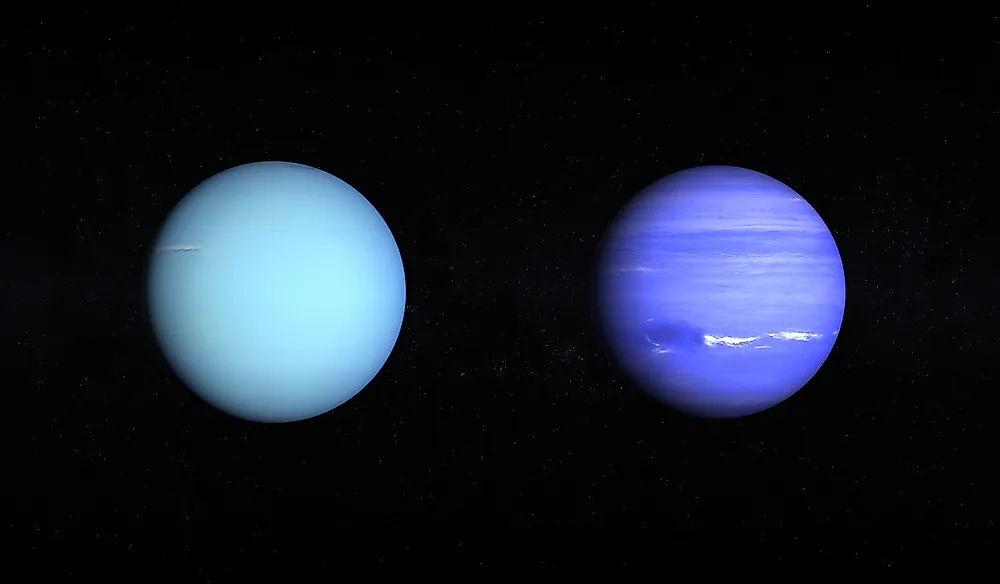
Uranus is the coldest planet in the solar system when measured by its minimum temperature, reaching approximately -372°F (-224°C). Neptune comes in a close second and has a slightly lower mean temperature, while all of the other planets, save for fiery Venus, experience lows far below anything directly measured in Earth's atmosphere. It turns out that distance from the Sun is not the only factor affecting planetary temperature, as atmospheric pressure and composition, wind patterns, internal heat production, and planetary rotation characteristics can transform the climate of an entire world. Uranus remains the biggest mystery, a planet nearly 2 billion miles (3 billion kilometers) from the Sun that is colder than its more distant neighbor Neptune.