Why Voyager 2 Is Still Talking To Earth After Nearly 50 Years
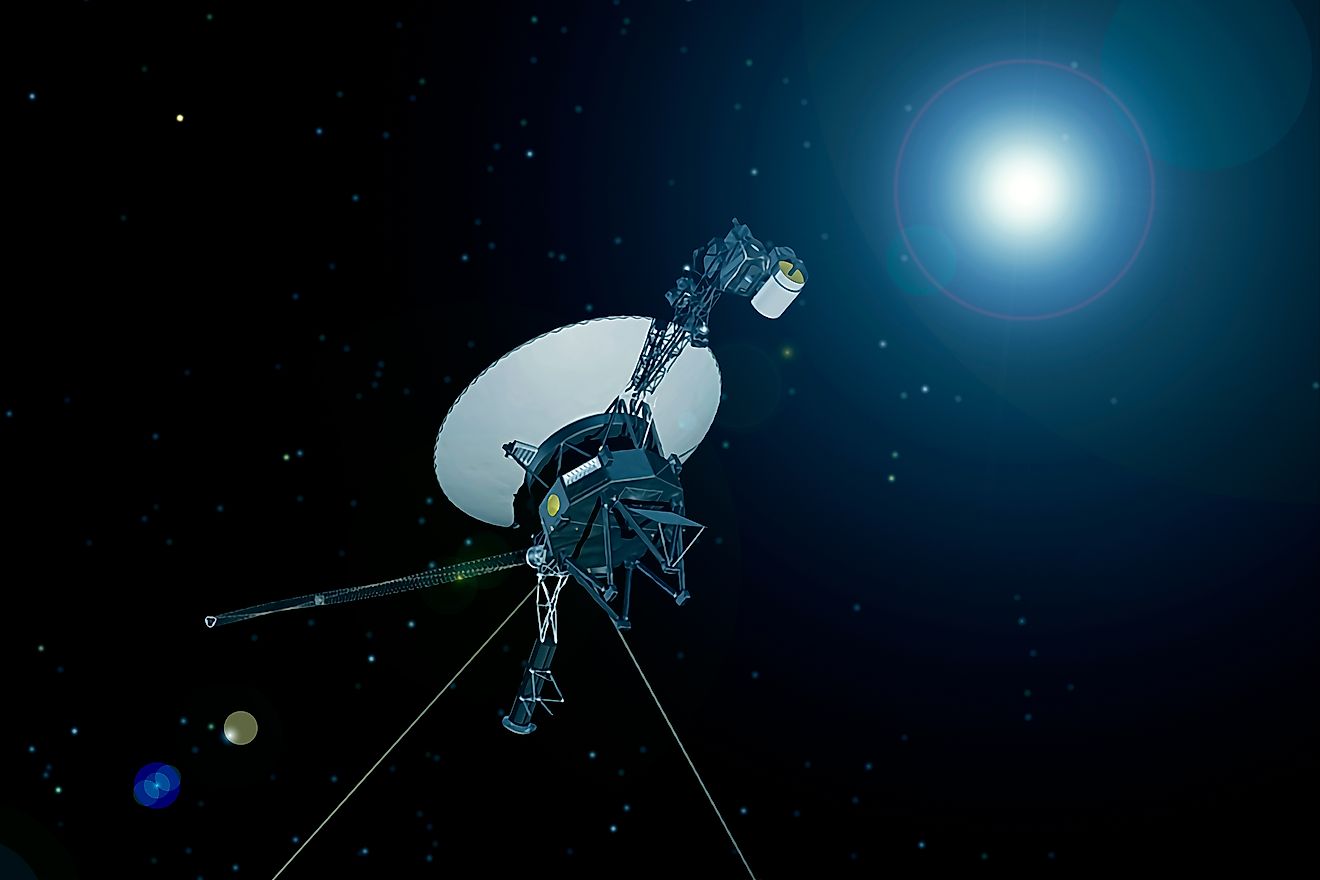
Voyager 2 is still communicating with Earth after almost 50 years thanks to its nuclear-powered generators, extreme over-engineering, power-saving methods, and NASA's Deep Space Network. Launched in 1977, the NASA space probe has exceeded many expectations in the scientific community. Celebrated for being the only spacecraft in history to visit all of the solar system's giant planets, it defies norms with its ability to send scientific data from billions of miles away. Though it was only built for a five-year tour through space, it has lasted for almost half a century, showcasing the power of scientific observation, precaution, and perseverance. Here's an in-depth look into why Voyager 2 is still talking to Earth:
Voyager 2 relies on long-lasting nuclear generators

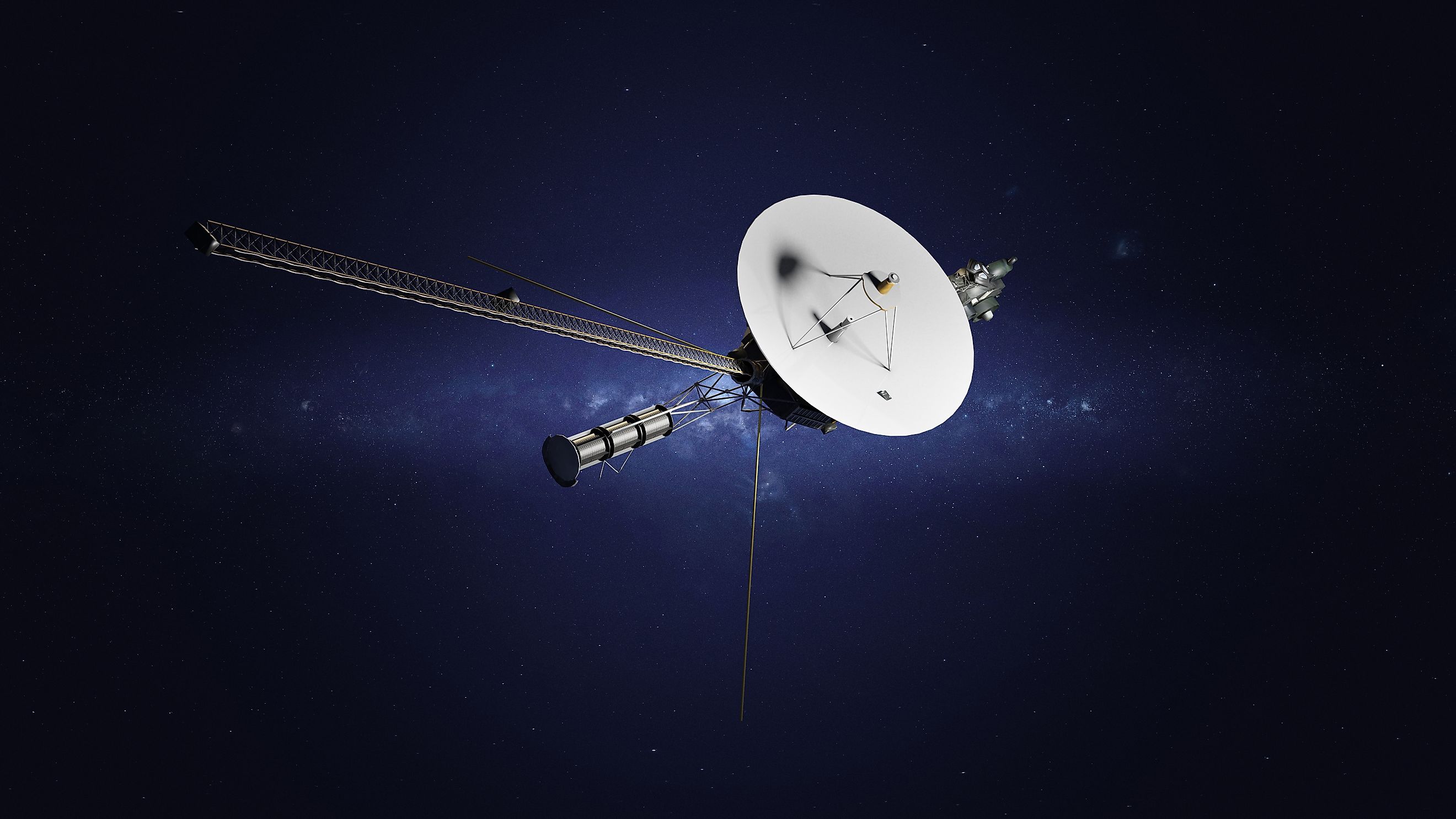
One of the most interesting details about Voyager 2 is its intricate build. To withstand the impact of the outer solar system, it runs on radioisotope thermoelectric generators. Three of these nuclear generators, also called RTGs, are fueled by decaying plutonium-238. The generators convert the decaying nuclear fuel into the electricity that runs the probe. Though the output is not as strong as in the probe's early days, it still supports the system's core and instruments nearly half a century after its launch.
NASA scientists employ groundbreaking power-saving methods

Despite Voyager 2 being built for a 5-year tour, determined scientists have continued to push the probe's limits. Even though the radioisotope thermoelectric generators are long-lasting, they lose 4 watts of power each year due to decay. By using intricate power-saving strategies, scientists have worked to micro-manage and preserve the probe's energy. In August, NASA engineers completed a power-saving operation, called "Big Bang." According to NASA, engineers swapped power-consuming instruments, including two heaters, for lower-powered alternatives.
Voyager 2 is over-engineered to survive the harshest of odds

Understanding the importance of its mission, scientists over-engineered the probe to survive harsh conditions throughout outer space. Though it was only expected to last just 5 years, its architecture was made to last, with extreme precautions set in place to ensure safety and durability. The space probe is built with heavy backup systems that keep it running and pointed directly at Earth. When there are issues, NASA scientists utilize workarounds, like rewriting software to adapt to lost parts and tuning ground signals to match broken hardware.
It benefits from an unparalleled Deep Space Network

One of the most instrumental assets to Voyager 2 is the Deep Space Network. The network is a collection of big radio antennas that send information and data to scientists. Despite years of challenging conditions, the network still functions relatively well in the Southern Hemisphere. Since Voyager 2 is more than 13 billion miles away from Earth, it needs a network that can push through billions of miles of cosmos. Just one signal takes around 19 hours to travel one way. To accomplish this challenging feat, the probe utilizes a deep space antenna called DSS 43. The 70-meter radio antenna serves as the network's foundation to send messages and images to scientists on Earth. This network helps to deliver some of the most groundbreaking data in history, showcasing the power of science and unrelenting dedication.
Why Voyager 2 was built to last
Voyager 2 was built nearly 50 years ago for a relatively short tour. Expected to last just 5 years, it is still talking to Earth. Thanks to its incredible build and the dedication of NASA scientists, it provides essential information about space and NASA's most important spacecraft. With nuclear fuel, resourcefulness, and an intricate network, Voyager 2 defies the odds and continues to provide data that is crucial to Earth and the greater universe. Arguably one of the most important space probes in history, its tenure is an appreciated, yet often overlooked phenomenon.