What Rain Looks Like On Other Planets
Right now, billions of miles away, it might be raining tiny diamonds on Neptune. Meanwhile, on Venus, sulfuric acid falls from the clouds toward a surface hot enough to melt lead, but evaporates long before reaching the ground. Far beyond our solar system, astronomers have even found evidence of rain made from molten iron. Rain is not exclusive to Earth, although the conditions on other worlds can produce precipitation unlike anything humans have experienced.
Venus Has Rain Made of Sulfuric Acid

Venus has some of the most hostile weather in the solar system. Thick clouds of sulfuric acid hang over its volcanic landscape, producing highly corrosive droplets that fall through the atmosphere. Unlike rain on Earth, however, these droplets never reach the surface.
The reason is Venus's extreme heat. The planet has an average surface temperature of approximately 870 degrees Fahrenheit (465 degrees Celsius), making it the hottest planet in the solar system. As sulfuric acid droplets descend from the clouds, they encounter increasingly hot air. Eventually, they evaporate, breaking down into gases that can rise back into the atmosphere and help replenish the acid clouds.
This means Venus experiences a strange form of rain that disappears before reaching the ground. Its surface remains bone-dry despite an atmosphere filled with droplets of liquid acid.
Even if the rain could survive the descent, the conditions below would be deadly. Atmospheric pressure at the surface is more than 90 times that of Earth's sea level, comparable to the pressure experienced nearly 3,000 feet underwater. The combination of crushing pressure and temperatures hot enough to melt lead makes Venus an extraordinarily difficult place for spacecraft to explore.
Mars' Dry Desert With a Wet Past

Mars has no liquid rain today, but it does experience snowfall. Some Martian snow is made of frozen carbon dioxide, the same substance used to produce dry ice on Earth. Temperatures near the Martian poles can fall below minus 190 degrees Fahrenheit, allowing carbon dioxide in the atmosphere to freeze into tiny ice particles. NASA's Mars Reconnaissance Orbiter has detected carbon-dioxide snow clouds and evidence of snowfall reaching the planet's southern polar surface.
Mars also experiences snowfall made of water ice. In 2008, NASA's Phoenix lander detected ice crystals falling from clouds approximately 2.5 miles above its landing site. However, the snow evaporated directly into vapor before reaching the ground.
Liquid rainfall is a different story. Mars has an atmosphere with less than 1% of Earth's surface pressure, making it extremely difficult for liquid water to remain stable on the surface today. Yet the planet contains extensive evidence of a wetter past. Billions of years ago, water flowed through valleys, filled lakes, and carved channels into the Martian landscape. Some scientists believe rainfall helped create these features, although the relative importance of rain, snowmelt, and other water sources remains uncertain.
Jupiter's Ammonia Hail

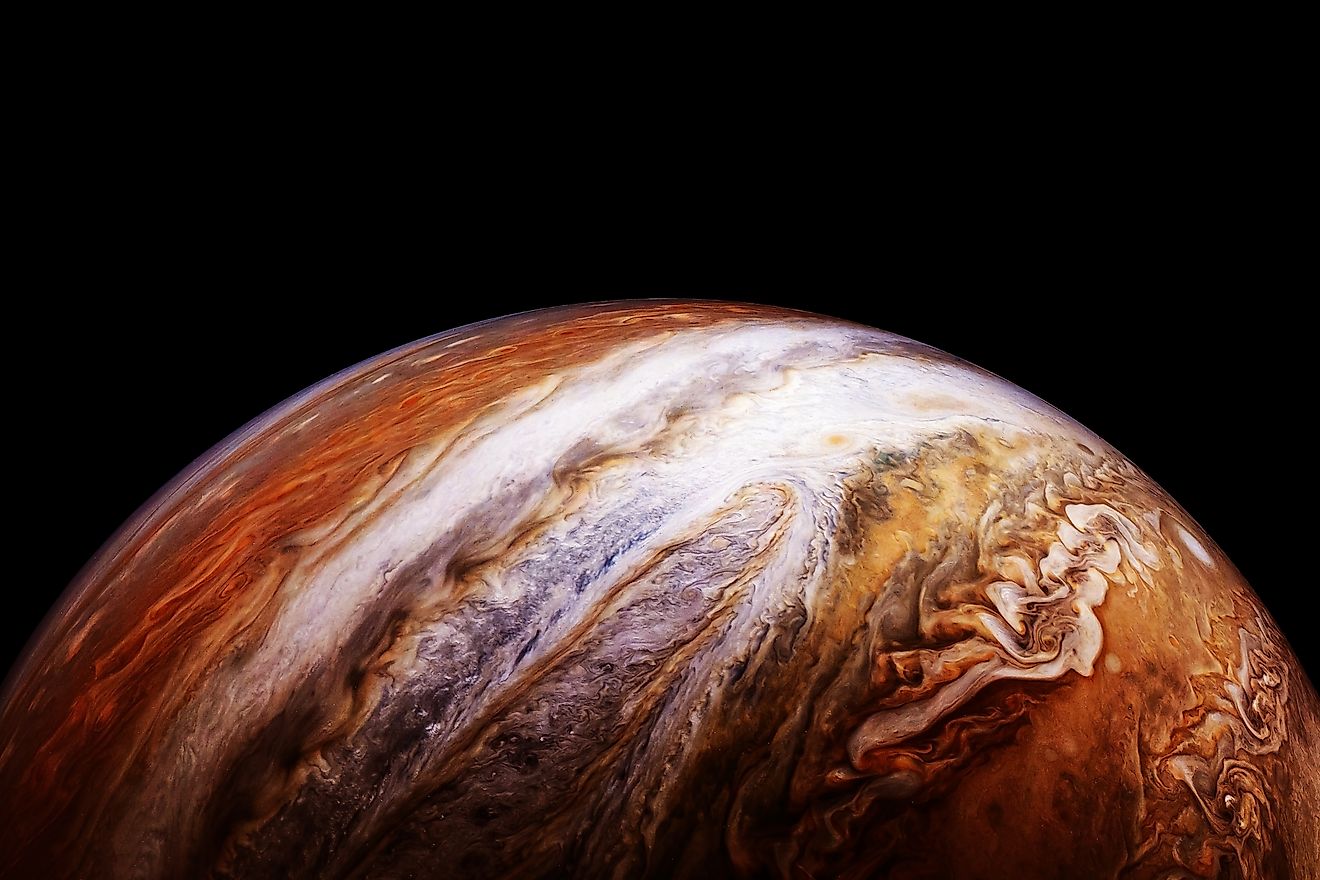
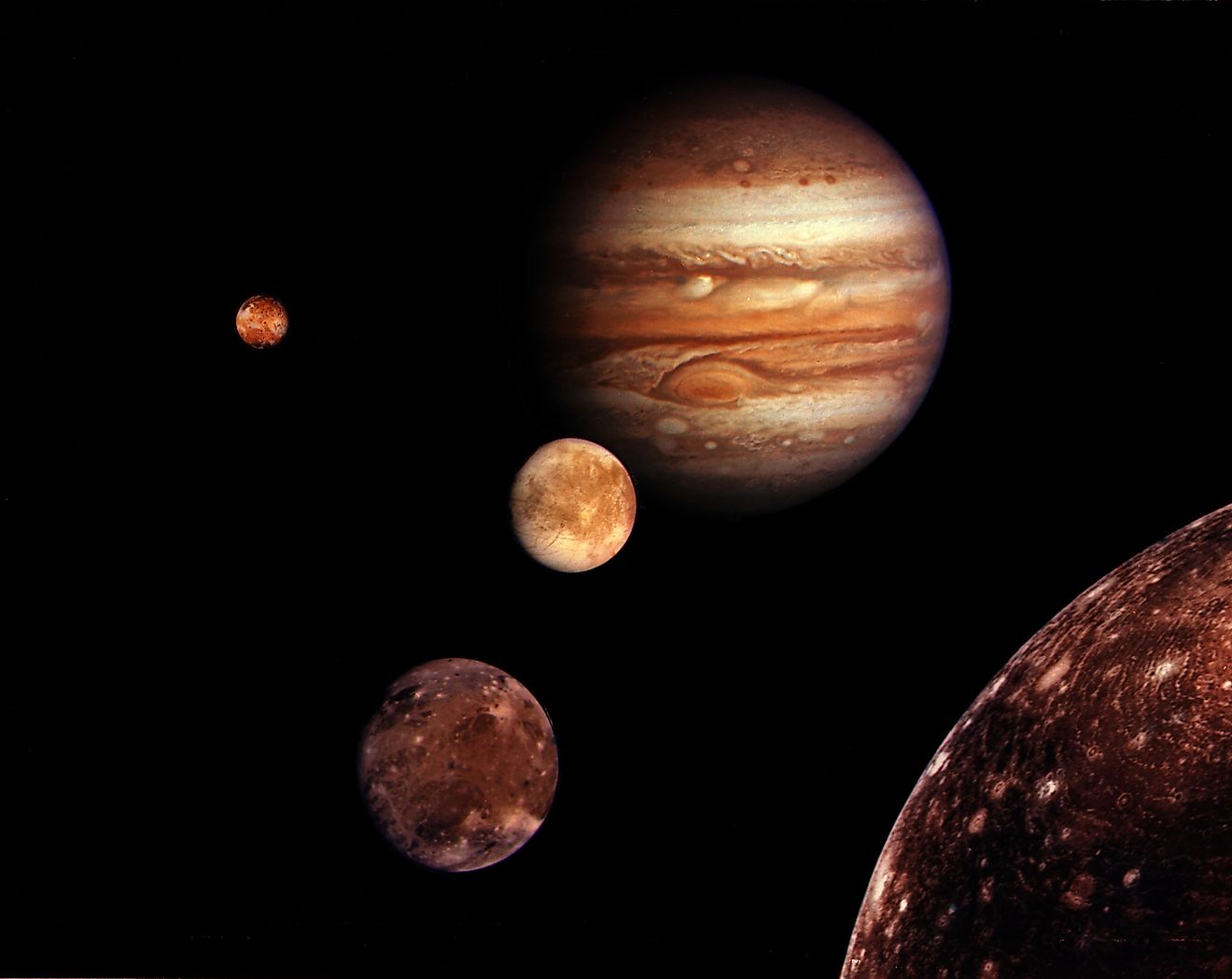
Jupiter is famous for its enormous storms, including the Great Red Spot, a swirling system larger than Earth. However, the planet's precipitation may be just as unusual as its powerful winds.
NASA's Juno spacecraft has detected lightning high in Jupiter's atmosphere, where temperatures are too cold for ordinary liquid water clouds. Researchers believe these storms involve a mixture of water and ammonia, a chemical that acts like antifreeze.
As powerful thunderstorms push water-ice crystals upward, the ice encounters ammonia gas. The ammonia lowers the freezing point, allowing liquid droplets to form even at temperatures below minus 120 degrees Fahrenheit. These droplets may combine with ice to create slushy hailstones known as "mushballs."
As the hailstones grow, they eventually become too heavy for the rising air to support them. They then plunge into Jupiter's deeper atmosphere, carrying ammonia and water downward before evaporating in the increasing heat.
Unlike hailstones on Earth, these frozen lumps have no solid surface to strike. Instead, they may fall through enormous depths of gas, disappearing long before reaching the planet's interior.
Saturn's Helium Rain Deep Within

Saturn may experience a form of rain that would be invisible to an observer looking at its famous golden clouds. Rather than forming in the upper atmosphere, this precipitation is believed to occur deep inside the planet.
Saturn is composed mainly of hydrogen and helium. Far beneath its clouds, immense pressure compresses hydrogen into a dense liquid. Under certain conditions, scientists believe the helium separates from the hydrogen and forms droplets that sink deeper into the planet.
These droplets behave somewhat like oil separating from water, except they form under pressures millions of times greater than those at Earth's surface.
Scientists suspect that helium rain helps explain why Saturn releases more internal heat than traditional cooling models predict. As the helium droplets sink, they release gravitational energy that contributes to the planet's warmth.
Jupiter may experience a similar process. NASA's Galileo probe found unexpectedly low amounts of helium and neon in Jupiter's atmosphere, which could be explained partly by these elements becoming concentrated in sinking helium droplets.
Although scientists have produced supporting evidence through laboratory experiments and computer models, helium rain has never been directly observed inside either planet.
Diamond Rain for Uranus and Neptune

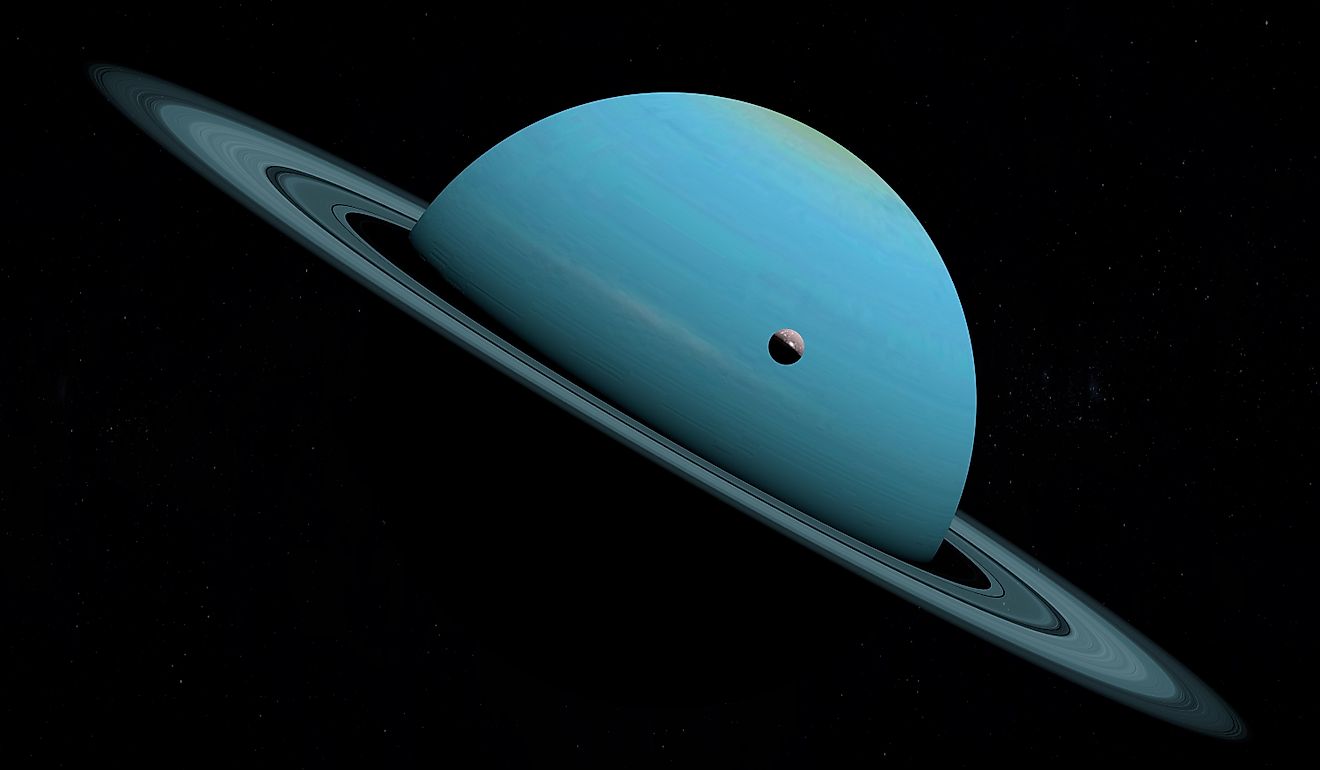
Uranus and Neptune may have the most valuable precipitation in the solar system. Thousands of miles beneath their blue cloud layers, extreme pressure and temperature could transform carbon-containing compounds into diamonds.
Both planets contain methane, a gas made of carbon and hydrogen that contributes to their blue coloring. Deep inside these worlds, temperatures rise to thousands of degrees, while enormous pressure alters the behavior of familiar materials.
Under these conditions, carbon-containing molecules can break apart, allowing carbon atoms to form solid diamond crystals. Because diamond is denser than the surrounding material, the crystals would sink deeper into the planets' interiors. This process is known as diamond rain, although the diamonds would not fall from ordinary clouds as raindrops do on Earth.
In 2017, researchers at the SLAC National Accelerator Laboratory recreated some of these conditions by using powerful lasers to generate shock waves in plastic. They observed tiny diamonds forming under intense pressure, providing experimental evidence that such a process could occur inside the ice giants.
Further experiments reported in 2024 suggested that diamonds could form at shallower depths than previously believed. Researchers also proposed that sinking diamonds might influence the unusual magnetic fields of Uranus and Neptune by helping drive movement within their interiors.
Scientists have not directly observed diamond rain on either planet, and the size and quantity of these diamonds remain uncertain. Nevertheless, laboratory experiments support the possibility that enormous numbers of diamonds are forming and slowly sinking through the depths of these distant worlds.
Methane Rain On Titan

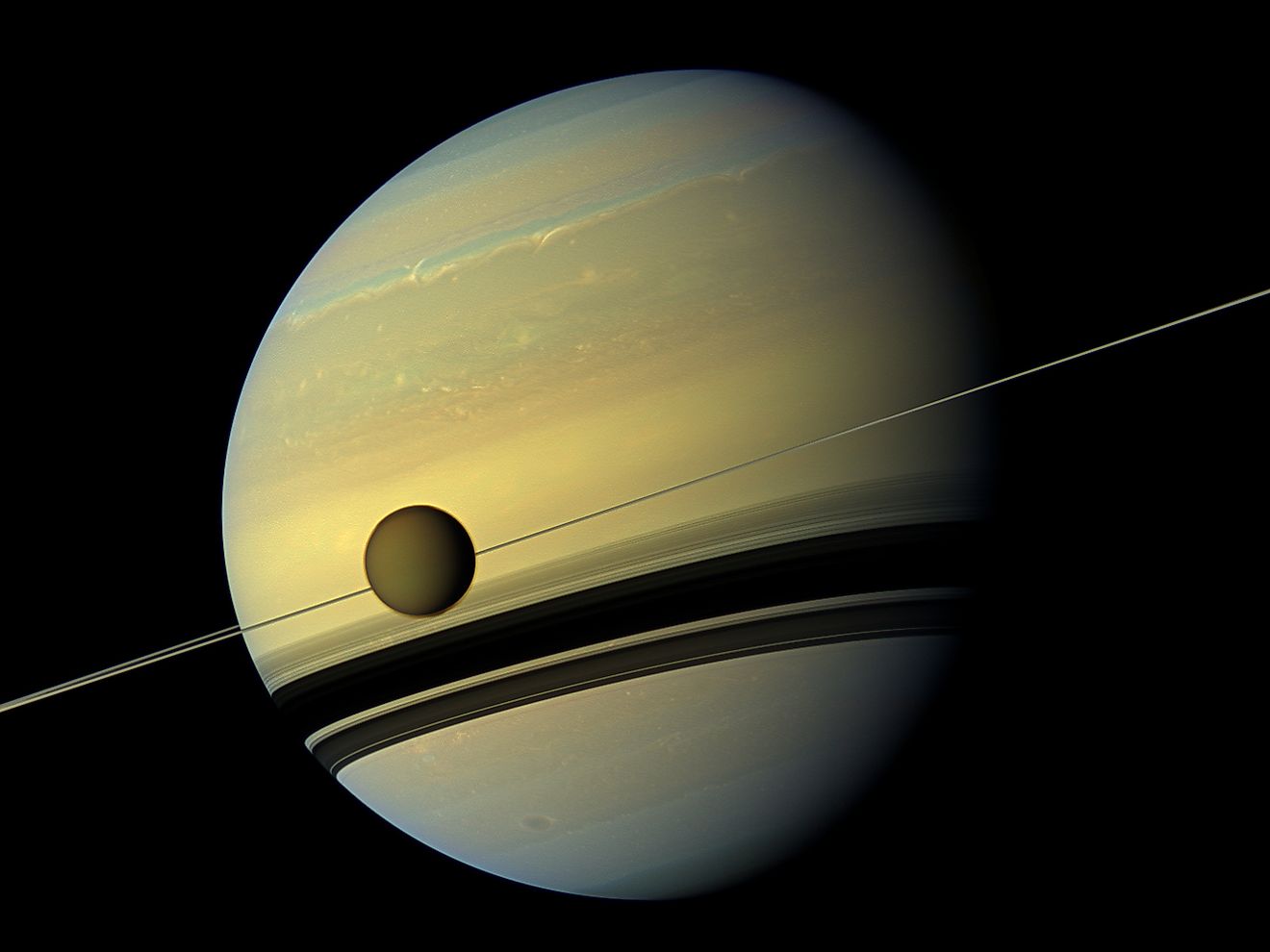
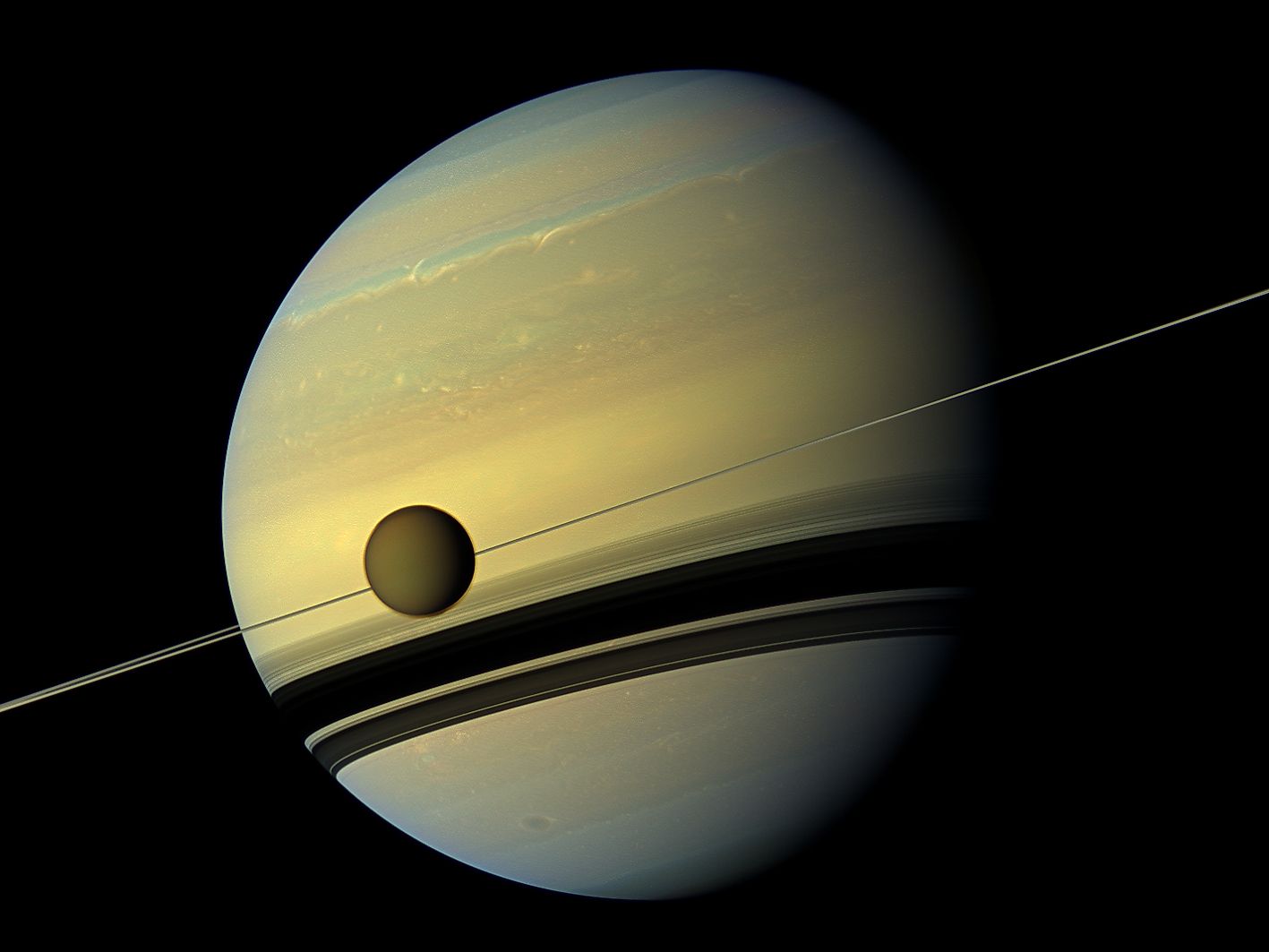
Saturn's largest moon, Titan, is one of the few places in the solar system where precipitation can reach the ground and collect in rivers, lakes, and seas. However, Titan's rain is not made of water. It consists primarily of liquid methane, a substance used as fuel on Earth. Titan's average surface temperature is around minus 290 degrees Fahrenheit (minus 179 degrees Celsius). At these temperatures, water behaves like solid rock, while methane can exist as a liquid.
The moon has a weather cycle remarkably similar to Earth's. Methane evaporates from lakes and seas, condenses into clouds, and eventually falls as rain. The liquid then collects on the surface, flows through channels, or returns to larger bodies of methane and ethane.
Titan's thick atmosphere and low gravity also mean its raindrops would behave differently. Scientific models suggest that methane droplets could grow larger than typical terrestrial raindrops and fall considerably more slowly. Rainfall on Titan varies with location and season. Some equatorial regions remain dry for long periods, while substantial storms can produce widespread flooding.
WASP-76b: A Distant Planet Where It May Rain Iron

Nearly 640 light-years from Earth, astronomers have discovered a planet where temperatures are high enough to vaporize iron. Known as WASP-76b, this enormous gas giant orbits so close to its star that one side permanently faces the intense heat. Temperatures on its dayside can exceed 4,350 degrees Fahrenheit (2,400 degrees Celsius), allowing metals such as iron to exist as vapor in the atmosphere.
Powerful winds transport some of this iron vapor toward the planet's cooler nightside. There, temperatures drop enough for the vapor to condense, potentially forming droplets of liquid iron that fall deeper into the atmosphere.
Astronomers using the European Southern Observatory's Very Large Telescope found evidence supporting this process. They detected iron vapor near the planet's evening boundary but much less near the morning boundary, suggesting that iron condenses as it moves across the nightside. The iron rain itself has not been directly observed, but its possible existence demonstrates how dramatically weather can change under extreme planetary conditions.
Purple Rain
WASP-76b is only one of thousands of planets discovered beyond our solar system. As astronomers examine more distant atmospheres, they may identify other unfamiliar forms of precipitation. For now, some of the strangest weather remains hidden far beneath the clouds of planets like Neptune, where diamonds may be falling through depths no spacecraft has ever reached.