Why The Moon Looks Bigger On The Horizon
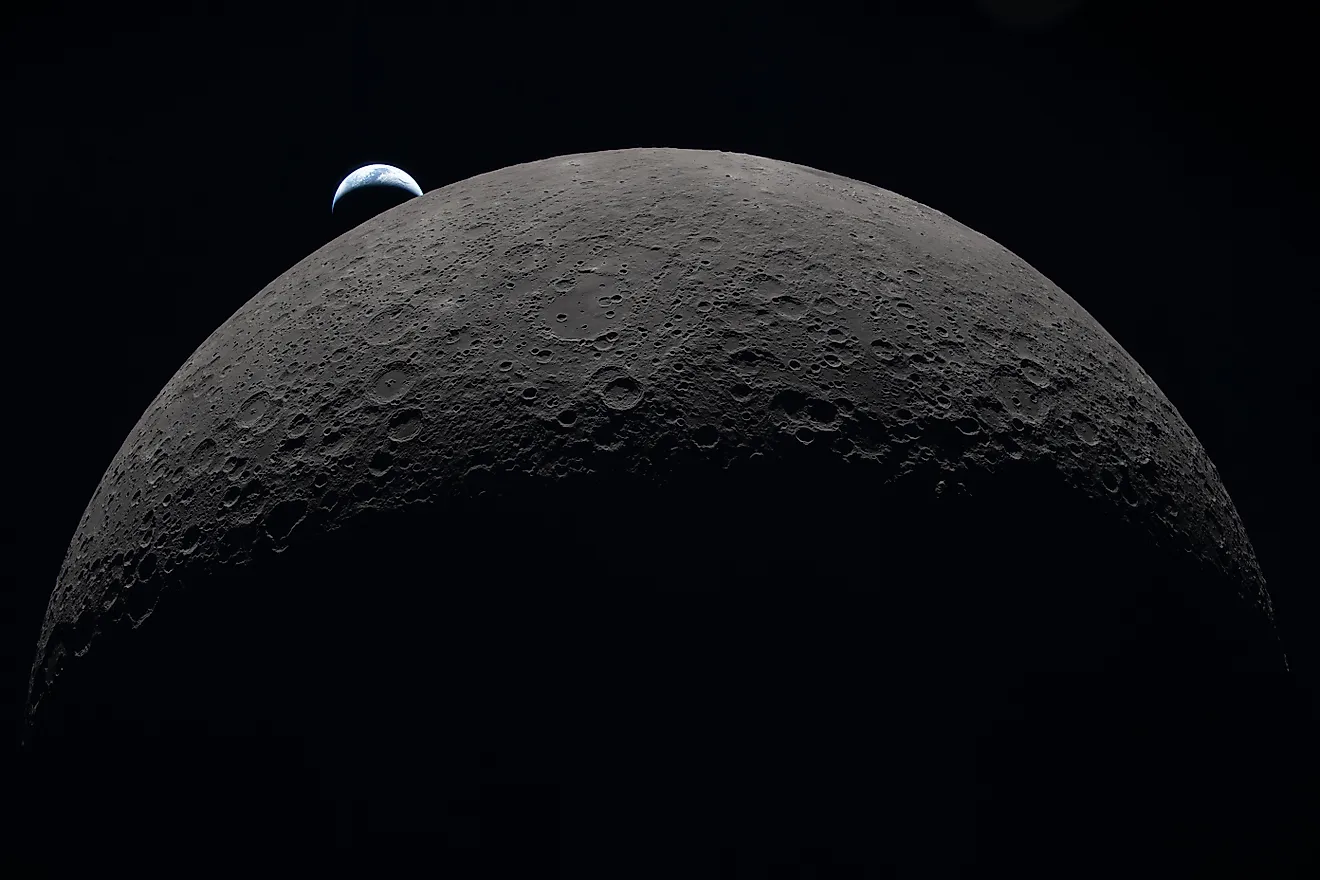
The moon appears larger when it's near the horizon because of a perceptual effect known as the Moon Illusion, a trick of the eye that makes our nearest celestial neighbor seem oversized compared to the skyline. An enormous moon hovering above the horizon can actually be slightly farther than a smaller-looking moon farther overhead. Photographs reveal that its width barely changes as it climbs, even when our eyes might tell us otherwise. Scientists know that the illusion comes from how we interpret what we see, not from the moon actually swelling.
The Giant Moon Is an Illusion

A full moon near buildings and rooftops can look almost close enough to touch. Hours later, the same bright orb seems much smaller against an empty sky. What changes most is your perception, not the amount of sky the moon occupies. Its apparent width is roughly half a degree, meaning about 720 full moons placed side by side would span a complete 360-degree circle. That width stays nearly constant during the night.
Compared to a moon on the horizon with one directly overhead, the horizon moon is about 1.5 percent farther away from an observer, not closer. As Earth's rotation carries our location toward the overhead moon, we become slightly closer to it. The difference is small, but technically the low moon should look slightly smaller rather than much larger.
Your Brain Uses the Landscape to Judge Size

One prominent explanation is that our brains perceive the sky as a flattened bowl instead of a complete sphere. Imagine a road or railway tracks that stretch toward the horizon: the lines or rails stay the same distance apart all the way to the horizon, but to our brains, they appear to get closer together. The brain reads that narrowing as a sign of distance. If you were to draw two equal-sized shapes on top of the train tracks, the shape farther in the distance would look bigger in comparison. This is called the Ponzo illusion.
Scientists believe our perception of the moon may use the same principle. Trees, buildings, and mountains provide clues about how far a landscape extends. Against receding terrain, the horizon moon appears very distant. Since it still occupies about the same width in your vision, your brain may interpret it as a larger object. Picture two identical squares, one floating in a blank background and the other floating above a distant town. Their measurements have not changed, but a town's surroundings offer a sense of scale that a blank background can't. The Moon Illusion may partly reflect our tendency to interpret objects by comparing them to their setting, rather than judging them in isolation.
Why the Science Isn't Settled

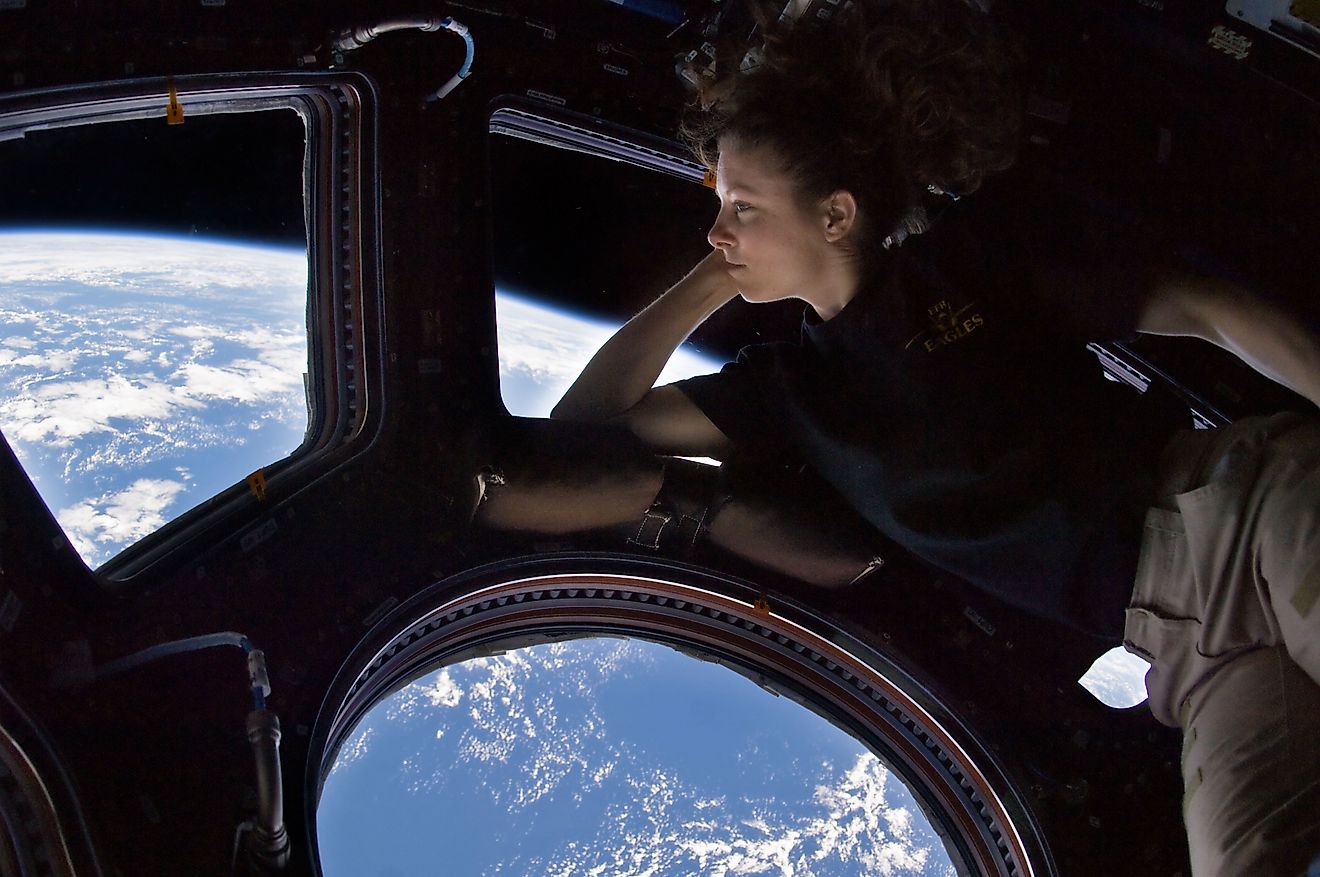
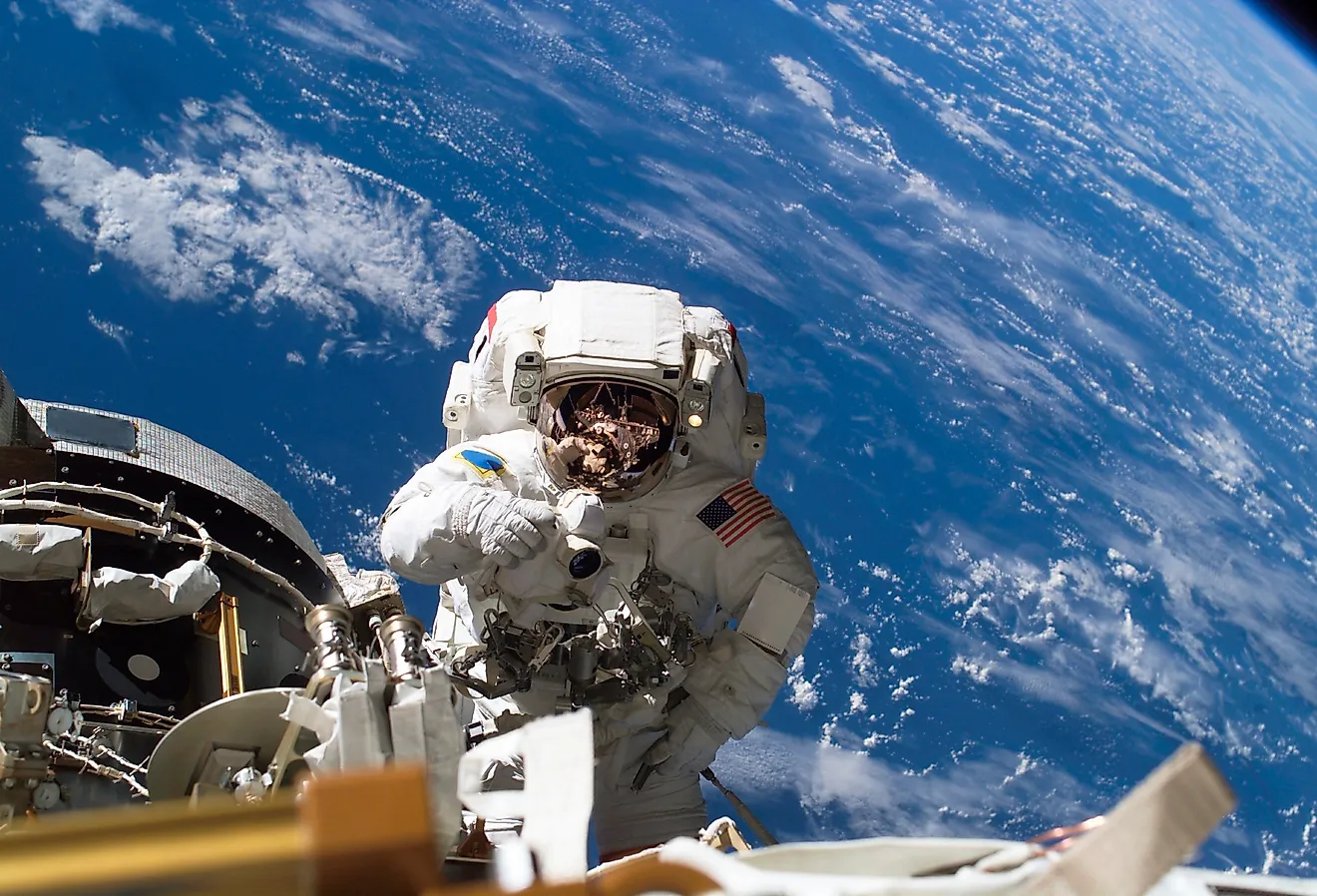
Scientists and philosophers have been debating the cause of the Moon Illusion for over 2,000 years, and although the landscape explanation is compelling, it doesn't account for every factor. NASA notes that astronauts in orbit have also experienced the Moon Illusion, without the familiar foreground trees or buildings used to explain it on Earth. It's possible their brains are already conditioned to view the Moon as larger, but this observation makes it difficult to accept the Ponzo illusion as a complete, definitive answer.
Researchers have also disagreed about the relationship between its perceived size and distance. Does the horizon moon look larger because the brain treats it as farther away, or do we think it's closer because it already appears larger? Studies have tested competing explanations, including how landmarks influence what we see. There's a difference, though, between knowing that an illusion exists and knowing exactly how it works. Photographs and measurements show that the moon does not appear to expand as it approaches the horizon, so it's a perceptual illusion. Explaining exactly how our brains produce the effect is harder. There are several plausible ideas, but scientists haven't agreed on any single satisfactory explanation.
The Atmosphere Changes Its Color and Shape

Some people think changes in the moon's color are also an illusion, but that's not the case. Earth's atmosphere does affect the hue of a low moon. Near the horizon, moonlight travels through a longer stretch of air than it does when the moon is high overhead. Shorter, blue wavelengths scatter out of its path more easily, leaving the light that reaches your eyes richer in yellow, orange, or red. Dust and pollution can deepen those warm colors even more.
The atmosphere can also make the moon look flattened. Air bends incoming light, an effect called refraction. Near the horizon, the light from the lower edge of the moon bends more than the light from its upper edge. This compresses its apparent height, creating a slightly squashed appearance, like an apple or pumpkin. Its warm color and slightly squished outline are actual changes in the light that reaches you, while its exaggerated size is perceptual rather than a comparable physical increase in angular diameter. The atmosphere helps create the dramatic appearance of moonrise, but it does not explain the Moon Illusion.
Supermoons Are Different

A supermoon involves a real change in the moon's apparent size as viewed from Earth. Since the moon follows an oval-shaped orbit, its distance from Earth varies throughout its orbit and phases. When a full moon occurs near its closest approach to Earth, or perigee, it is called a supermoon.
Compared to a full moon at its farthest orbital distance, a supermoon can appear up to about 14 percent larger in diameter and 30 percent brighter. However, the size difference can be hard to notice during a normal full moon unless you have photos for a side-by-side comparison. The Moon Illusion is separate from that orbital change: An ordinary full moon can still look enormous beside a skyline, and a supermoon high overhead may look unremarkable. When a supermoon rises, it can seem especially large because of the Moon Illusion while also appearing physically larger in angular diameter than a more distant full moon.
Why Moon Photos Look So Dramatic

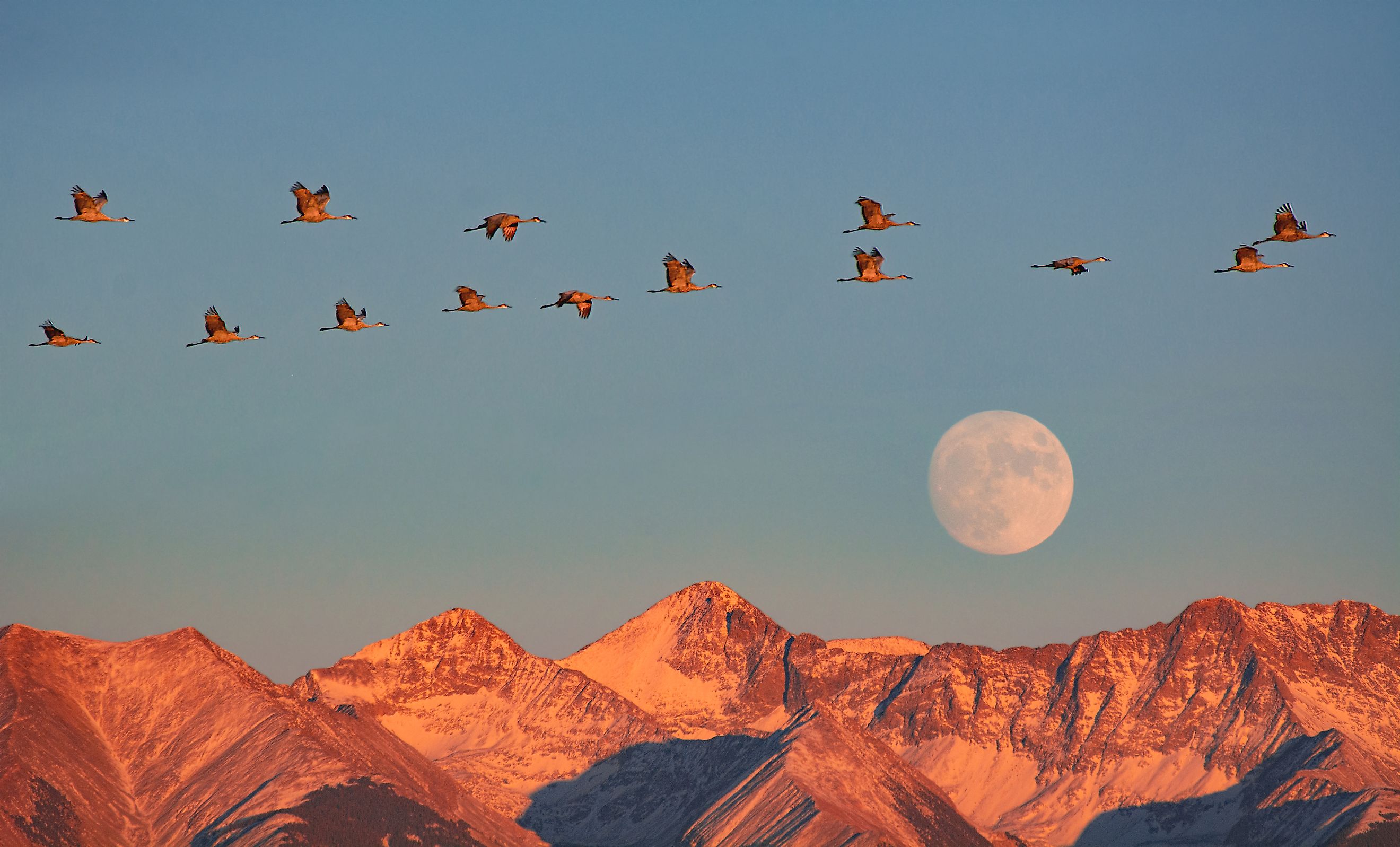
Although AI and photo editing can be used to alter pictures, photos showing an outsized moon behind a lighthouse or mountain do not always involve digital manipulation. Photographers can create larger-than-life views with a long lens, framing the low moon alongside objects on the ground. The resulting image is a magnified view of that scene.
The key is what the photographer includes in the frame. A wide view can make the moon look disappointingly small because it occupies only a tiny part of the frame. A telephoto view shows a much narrower patch of sky and landscape, allowing the moon to fill more of the image. Distant buildings or peaks also provide a striking comparison. One image taken with a wide-angle lens and another taken with a long-lens can't reliably demonstrate a change in the moon's apparent size. To test the Moon Illusion, the camera setup and zoom have to be consistent. Otherwise, the photographs would just show a change in framing.
How to Test the Moon Illusion Yourself

You can investigate the effect yourself without a telescope. When the moon looks especially large near the horizon, try viewing it through a paper tube. Blocking the surrounding landscape can reduce the visual cues that influence its perceived size. NASA also suggests comparing it with your thumb at arm's length. Neither method precisely measures the moon, but both can help demonstrate how much our perception of its size can change. For stronger evidence, photograph the moon right after it rises and again when it's much higher that same night. Use the same camera, lens, and zoom setting, then compare the horizontal width without enlarging either photograph.
Remember to measure side-to-side rather than top-to-bottom, because atmospheric refraction can flatten the low moon. The horizontal widths should be nearly identical, allowing for a small change in distance as Earth rotates. Those tests reveal the illusion's most curious feature: knowing the truth doesn't necessarily stop you from seeing it. Even though your measurements will show an almost unchanged moon, the low moon can still look oversized the next time you see it.