Why Astronauts Grow Taller In Space
Blast a 6-foot astronaut into orbit, and within a few days they can be closer to 6 feet 2 inches. In the near-weightless environment of space, the human spine stretches out, and astronauts can grow up to 3% taller than they are on Earth. It sounds like a perk, but the extra height comes with a catch. The moment they return to Earth, gravity squeezes them right back down, and the trip home can leave them with aching backs and a higher risk of serious spine injuries. That quick stretch and squeeze reveals just how hard gravity works on the human body every day.
Your Spine Is An Accordion

Your spine is not one solid rod. It is a stack of more than 30 small bones called vertebrae, separated by soft, spongy cushions called discs. On Earth, gravity presses down on that stack every second you are upright, squeezing the discs like a hand pressing on a stack of pillows.

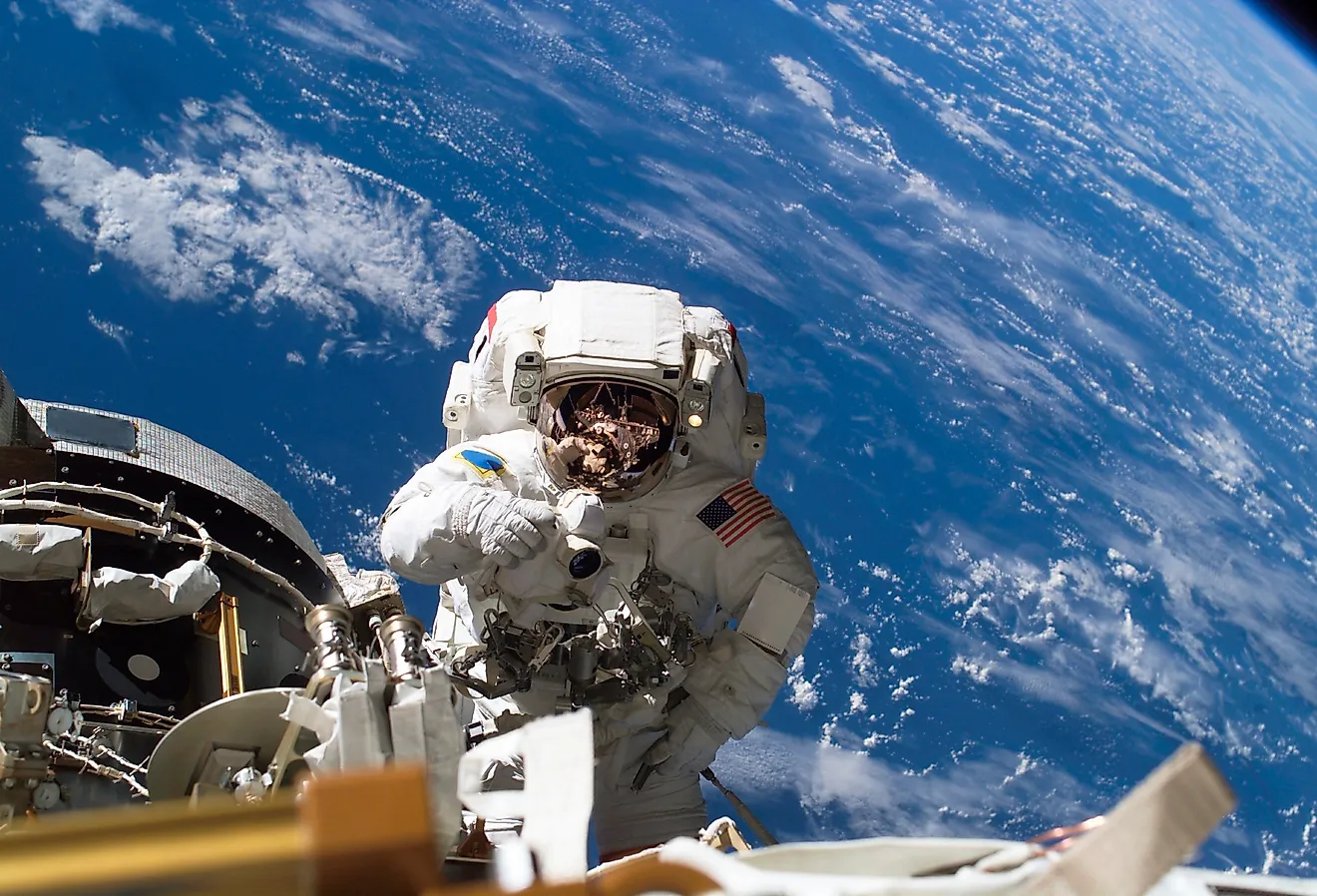
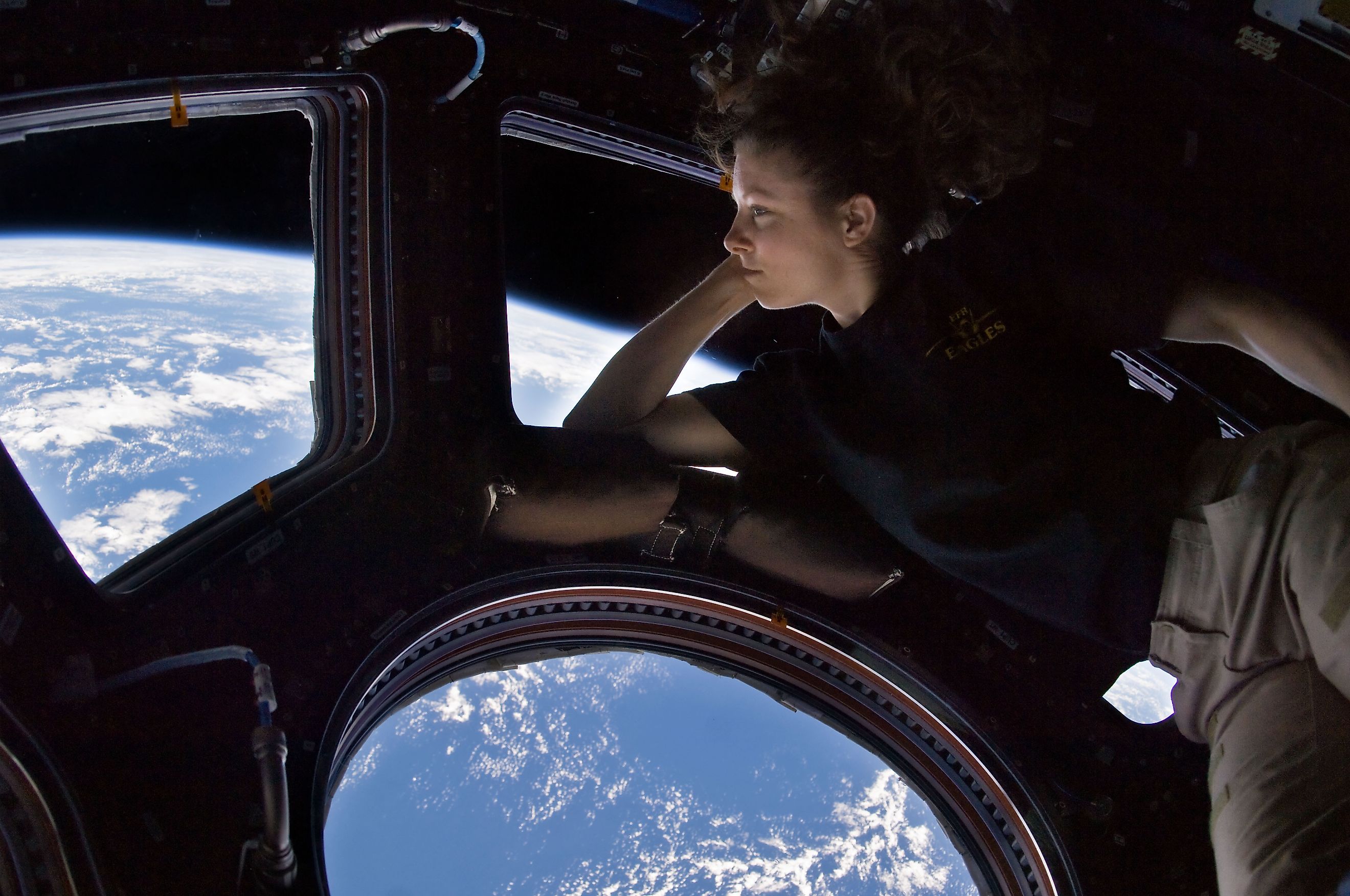
In orbit, that pressure disappears. Astronauts on the International Space Station are still pulled by Earth's gravity, but because the station is constantly falling around the planet, everyone inside floats. With nothing pushing down on the spine, the discs relax and soak up extra fluid, and the whole column stretches out like an accordion being pulled open. Arms and legs don't grow, because their long bones have no cushions to expand. All of the extra height comes from the back.
How Much Taller Do They Get?

Scientists first noticed the effect during NASA's Skylab missions in the 1970s, when crew members came back measuring about 3% taller. That is the upper limit for most people, and it adds up fast. A 6-foot astronaut can gain about 2 inches (5 cm), and NASA astronaut Kate Rubins went from about 5 feet 6 inches to just over 5 feet 7 inches while in space.

The growth spurt happens quickly. Most of the stretch arrives within the first few days in orbit, and then it levels off. An astronaut who stayed in space for years would not keep growing taller and taller. Even the most famous case followed the rules. Scott Kelly returned from nearly a year aboard the space station in 2016 about 2 inches taller than his identical twin, Mark, who had stayed on Earth.
The Astronaut Who Grew Too Much

Not every growth report holds up. In 2017, Japanese astronaut Norishige Kanai announced that he had grown about 3.5 inches in just three weeks aboard the station, a jump big enough to worry him about fitting into his seat for the ride home. Fellow astronauts were skeptical, and for good reason. When Kanai measured again, he found he had grown only about 2 centimeters, less than an inch, and he apologized for spreading what he jokingly called "fake news."
His worry was not as silly as it sounds. Spacecraft seats and spacesuits are built to fit each astronaut closely, so a few extra inches really can matter when it is time to strap in for a fiery return through the atmosphere.
The Painful Trip Back Down

Here is the downside. The muscles that hold the spine steady do less work in space, and they weaken. In one NASA-backed study, scientists scanned the spines of six astronauts before and after missions of four to seven months. All six had lost muscle supporting the spine, and a month or two after landing, they had regained only about two-thirds of it.
That combination of swollen discs and weaker muscles makes the return to gravity rough. Many astronauts report back pain within days of reaching orbit, and many feel it again after landing, when their spines are suddenly compressed. Astronauts also face about four times the normal risk of a herniated disc, a painful injury in which a disc's soft center bulges out and presses on nearby nerves. The height itself vanishes fast. Scott Kelly was back to his normal height in under two days.
You Shrink Every Day, Too
Astronauts are not the only ones whose height changes. On Earth, gravity compresses your spine a little more with every hour you spend standing and sitting, so most people are slightly shorter in the evening than when they wake up. Lie down to sleep, and your discs recover overnight. Space simply takes that everyday cycle to the extreme by removing the squeeze almost entirely.
What It Means For A Trip To Mars
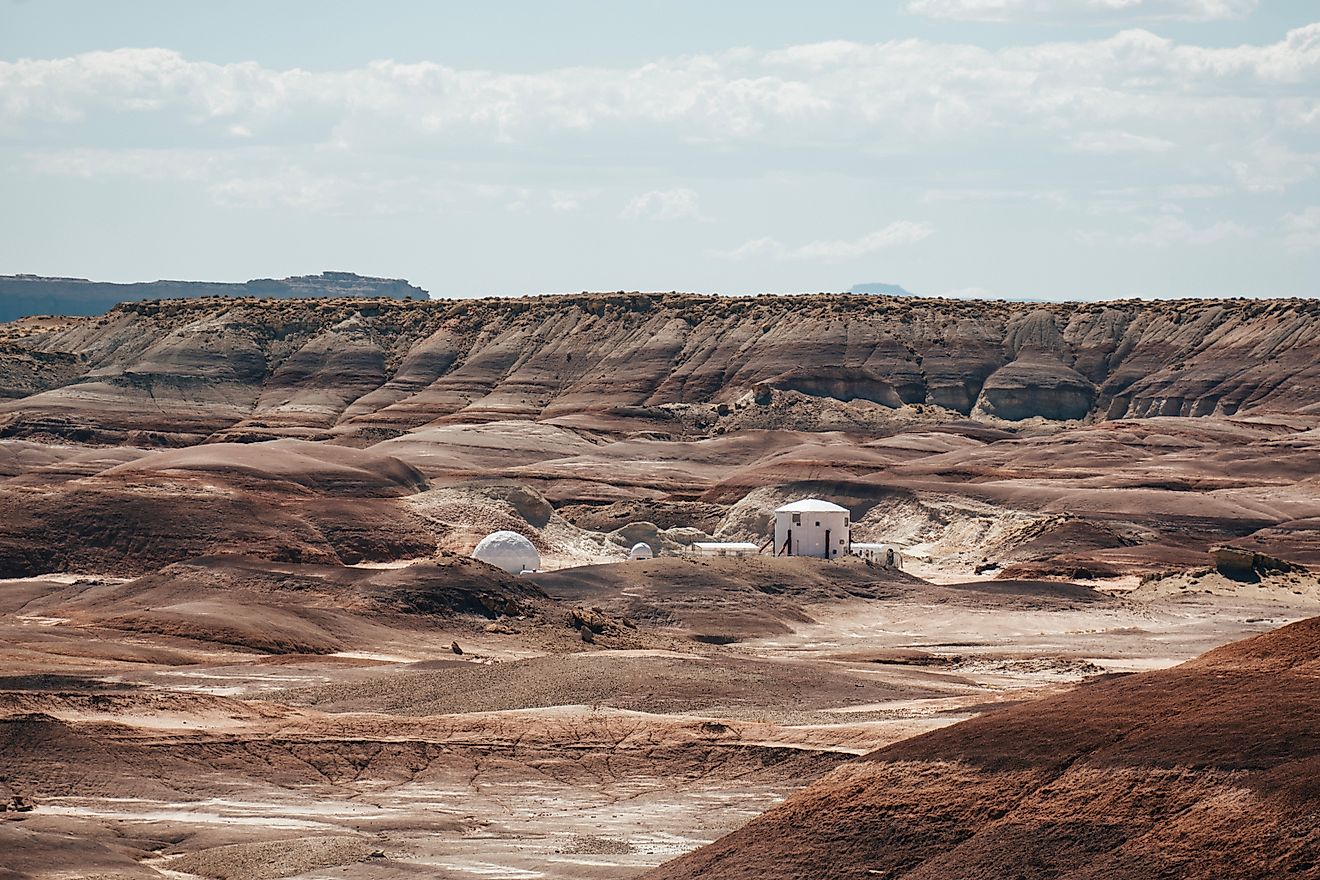
A few extra inches is a quirky side effect on a six-month space station visit. On a mission to Mars, it becomes a serious engineering and medical problem. Crews would spend many months floating on the way there, then have to climb out of their spacecraft and work in Martian gravity, roughly a third of Earth's, with stretched spines, weakened back muscles, and bones that can lose 1% to 2% of their mass every month in space. Solving the space spine puzzle is one more challenge that stands between humans and the first footprints on another planet.