What Happens To A Body Left In Space
Exploring space is an exciting but dangerous frontier. Astronauts face risks and hardships not found in their comfortable home on Earth. Injury and illness are hazards astronauts brave when they step into the unknown. The possibility of death is also part of every mission. While death in space is infrequent, scientists and policymakers have created ways to show respect for the deceased and their loved ones for this rare, but tragic occurrence.
Where Does Space Begin?
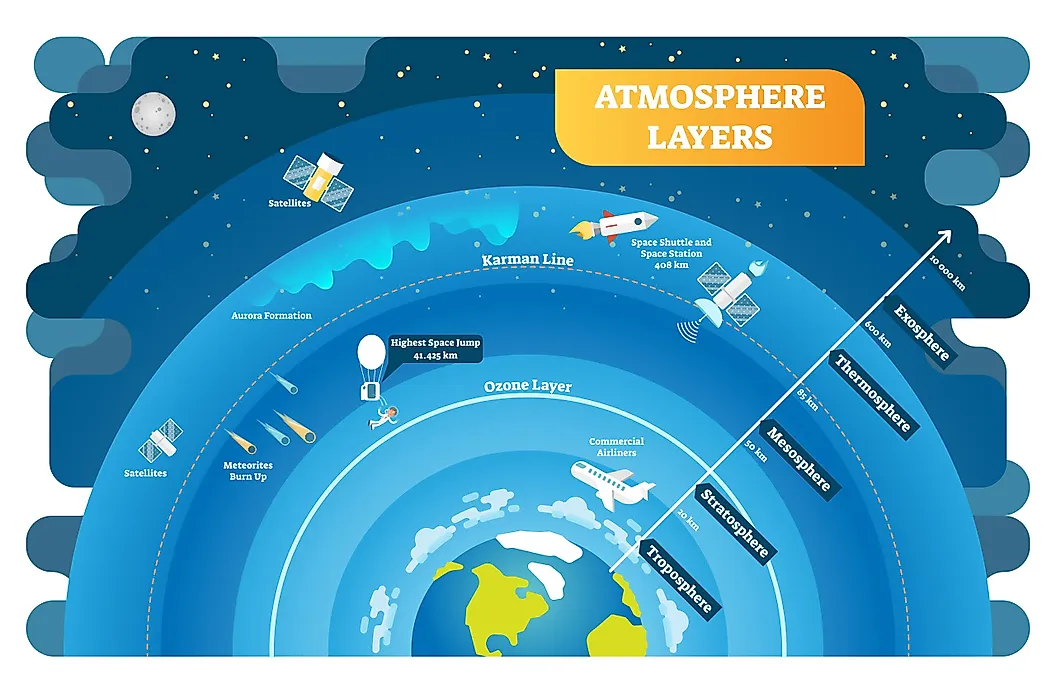
A definition of "space" is necessary before answering what happens to a body in space. Different countries have dissimilar standards. The internationally recognized space boundary is the Kármán line, about 100 kilometers (62 miles) above sea level. The Fédération Aéronautique Internationale, known as the FAI, set the boundary. The cutoff is lower in the United States. American astronauts earn recognition for reaching 80 kilometers (50 miles). Many space historians use the FAI Kármán line to set space boundaries when answering questions about death in space.
Bodies In Space

What happens to a body in space is based on limited experiences and research. Scientists have few case studies, but they extrapolate from research and what has happened from isolated incidents. The difference between what happens to a live person and a deceased person factors into what happens to a body in space. Space is a hostile environment to the human body, and astronauts wear spacesuits to keep them safe from the dangers found in space. Without spacesuit protection, a person or body experiences immediate and dramatic effects. The progress of death is rapid and happens in quick stages.
Oxygen Deprivation
The first danger from venturing without a spacesuit is the lack of oxygen. An astronaut stepping out from a space capsule without a spacesuit becomes unconscious within about fifteen seconds from lack of oxygen. Space is also a vacuum, and this vacuum pulls air and water vapor out of the lungs. Suffocation occurs within minutes.
Low Air Pressure
As the astronaut loses consciousness, other body processes occur. The body experiences a rapid drop from normal to near-zero pressure. With so little pressure, the boiling point of water falls below body temperature, and the moisture in soft tissues, saliva, and the eyes and lungs begins to vaporize. This process is called ebullism, and it makes the body swell to as much as twice its normal size. Blood keeps circulating for a short time because the pressure inside the blood vessels keeps it liquid. Ebullism is related to, but different from, the bends that deep-sea divers can suffer when they surface too quickly.
Freezing
Space is cold. Very cold. The temperature of space is about 2.7 Kelvin. This temperature is about -270.4 degrees Celsius or -454.8 degrees Fahrenheit, slightly above absolute zero, the lowest possible temperature. Space is cold because its environment is a vacuum, lacking enough matter to hold and transfer heat. On Earth, atoms that are close together transfer energy to other atoms in a process called conduction. Distances between atoms in space make conduction difficult. Convection on Earth is another way heat transfers, with fluids or gases moving heat. This process does not exist in space. While space objects like planets and stars emit heat as infrared radiation, distant atoms cannot capture or transfer this energy. A body loses its heat slowly as radiation and will gradually freeze.
Solar Radiation
Freezing is one problem for a body in space, and burning is another. Unfiltered solar radiation, including ultraviolet light and X-rays, burns exposed skin. At the same time, rapid evaporation of moisture from the skin and mucous membranes causes localized frostbite. A person who experiences these injuries, however, has already lost consciousness from lack of oxygen and would not feel the pain.
Micrometeoroids
A body after death becomes freeze-dried and mummifies. Floating through space, a body will not decay but will encounter objects that slowly wear down the silent figure. Micrometeoroids, tiny particles shed by comets and asteroids, chip away at the unprotected corpse. Over a very long time, the body fragments, joining other space dust in the vastness of space.
Funerary Policies

Death in space is a difficult topic to consider. Cultural, religious, and emotional considerations are sensitive and require respect for the deceased and their loved ones. At the same time, safety for the remaining crew members is paramount. NASA planning, for example, tries to balance crew safety and honoring the dead. The options it has weighed include bringing the body back to Earth, releasing the body into space, and letting the body burn up during re-entry.
Spacesuit Burial
Bodies in a space capsule decompose. The bacteria and fluids from a body are a biologic threat to the remaining crew members. One option for the deceased is to seal the body in a spacesuit. The problem with sealing a body in a spacesuit is that bacteria cause a body to bloat and possibly rupture, making the sealed suit a biohazard risk.
Jettison To Space
Jettisoning a body solves the problem of keeping a bacteria-filled body onboard. A body in space becomes space debris that might collide with satellites, spacecraft, or other sensitive space equipment. Rapid decomposition is not assured, and leaving a beloved family member or colleague drifting in space does not honor the deceased or the survivors.
Re-Entry
Another option NASA has considered for crew members who die in space is letting the body burn up during re-entry. The body would be left in a low orbit, where Earth's gravity would eventually pull it down through the atmosphere. Like releasing a body into space, cremation during re-entry avoids the risk of bacterial contamination aboard the spacecraft.
A Fourth Option
A fourth option remains only a proposal. It is based on Promessa, a freeze-drying burial technology developed by Swedish biologist Susanne Wiigh-Mäsak, and NASA-commissioned research explored adapting it for spaceflight. The concept involves freezing the body and using a robotic arm to vibrate it into fragments, but it has never been adopted as an operational method. Like spacesuit preservation, space jettison, and re-entry cremation, this method has benefits and drawbacks. The benefits are reducing the risk of bacterial contamination, avoiding collisions with space objects like satellites, and giving the deceased a dignified end. Fragmentation, however, may not seem an ideal final rest. This method, as with all methods of dealing with bodies in space, ideally should be carried out with consideration for those who mourn the deceased.
Space Deaths

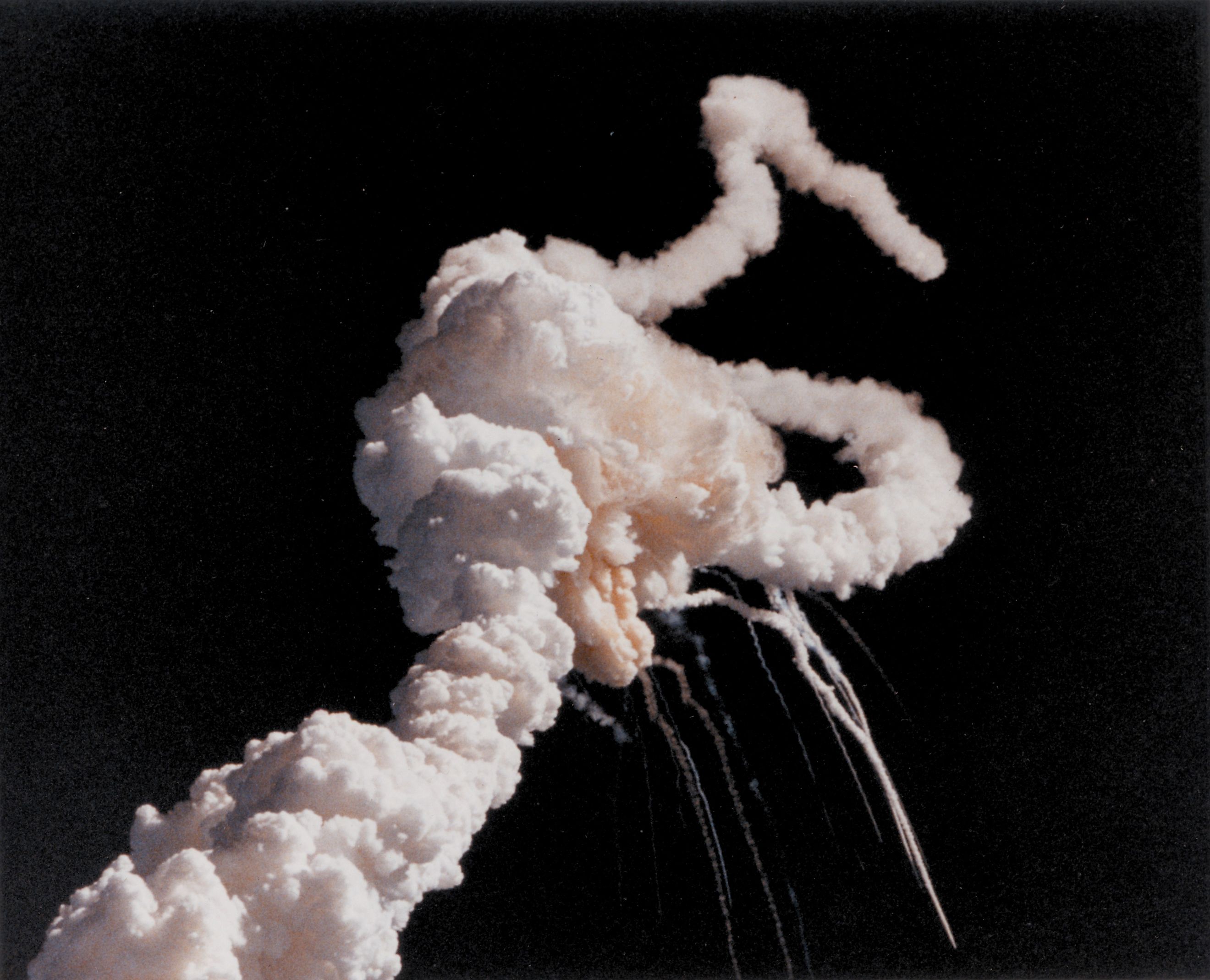
Death in space is rare, and most spaceflight fatalities have occurred below the Kármán line or on the ground. The Challenger and Columbia disintegrations occurred below the Kármán line. Some fatalities have happened on Earth. Apollo 1 in 1967 saw three American astronauts lose their lives in a cabin fire during a ground test. The same year, Soviet cosmonaut Vladimir Komarov lost his life when his Soyuz 1 capsule's parachute failed to deploy during its return. While these were space-related tragedies that took the lives of brave adventurers, none of the incidents were deaths in space.
Soyuz 11

The only fatal accident in space above the Kármán line occurred on June 30, 1971. Its crew had just spent more than three weeks aboard Salyut 1, the Soviet Union's first space station, launched in the wake of the United States' moon landings. This prototype space station was a place where cosmonauts could live and conduct experiments. The mission was a success until the crew headed home, when it ended in disaster.
During the descent to Earth in the Soyuz 11 return capsule, a pressure equalization valve opened too early, causing a sudden, large drop in air pressure. The cosmonauts wore no pressure suits, so nothing protected them as the cabin decompressed. Their lungs rapidly expanded, tearing delicate lung tissue. Swelling occurred from the decompression, vaporizing water in soft body tissues. This water and dissolved gas created bubbles that impeded blood flow, starving the cosmonauts' brains of vital oxygen. Brain hemorrhages, bleeding under the skin, damaged eardrums, and middle ear bleeding occurred. The deaths of the three crew members, Georgy Dobrovolsky, Vladislav Volkov, and Viktor Patsayev, were painful, but swift.
After The Disaster

An investigation began after the Soyuz 11 disaster. Engineers redesigned the space capsule's pressure equalization valves and introduced pressure suits for cosmonauts. The disaster also drew attention in America's Apollo program, where crews already wore their A7L spacesuits during critical phases such as lifting off from the moon. Soviet cosmonauts wore a spacesuit known as the Sokol, or "Falcon," for launch, docking, undocking, re-entry, and landing on every Soyuz flight starting with Soyuz 12 in September 1973.
Honoring Those Lost Beyond Earth
Death is a sensitive subject culturally, emotionally, and spiritually. Considering what happens to a body in space involves being aware of survivor grief. The biologic consequences of a body in space are important, but showing respect for those who mourn is essential. Bodies in space are not only bodies, but people with family, friends, and colleagues who care for their loved ones. Any method of space burial or disposal must take into account the effect death has on those who remember the deceased.