Why Mercury Has Ice Even Though It’s Closest To The Sun
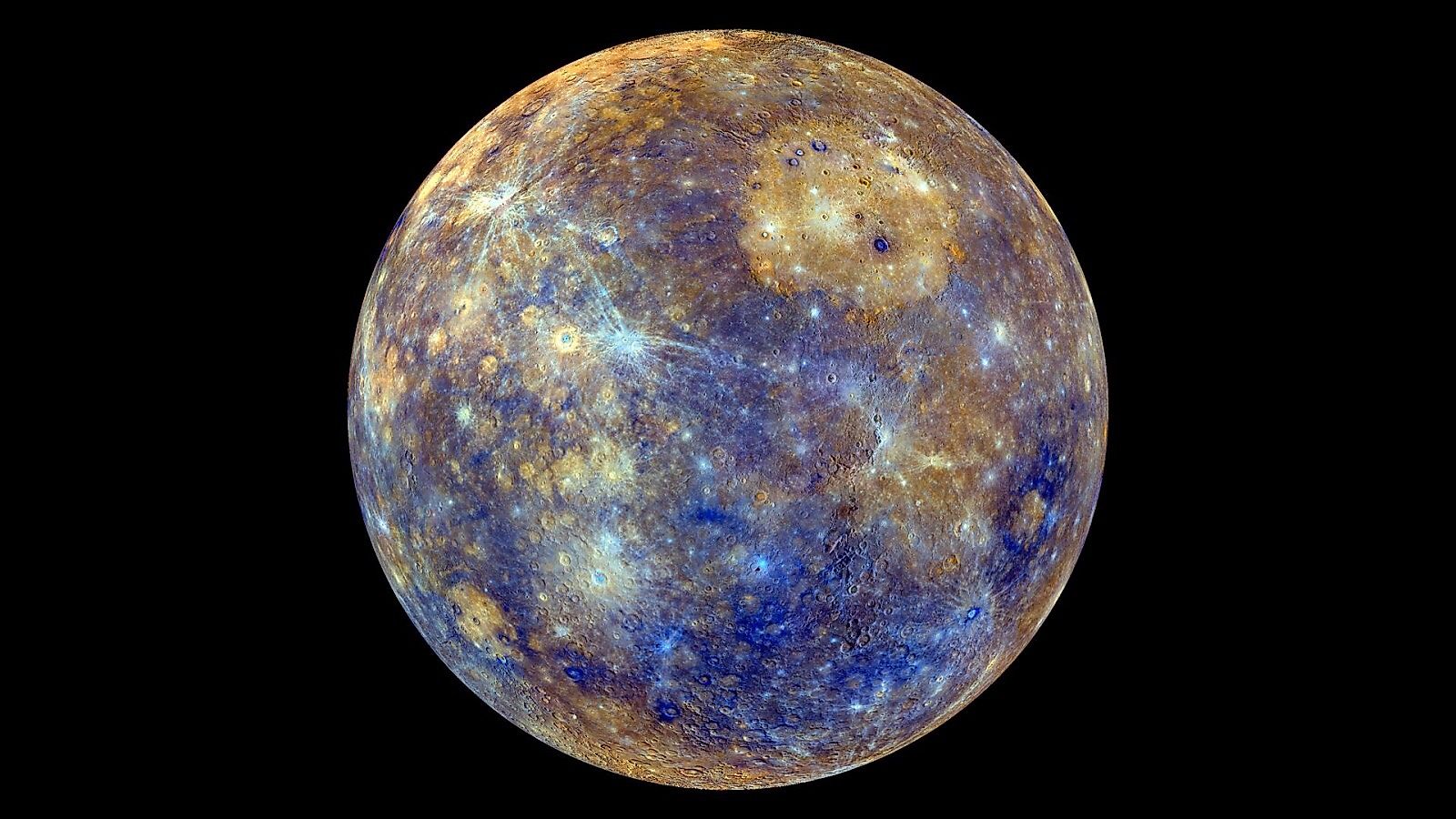
Temperatures on Mercury can reach 800°F (427°C), hot enough to melt lead. Even with these temperatures, the planet closest to the Sun contains water ice in permanently shadowed craters, where temperatures can remain low enough to preserve it for billions of years. The reason has to do with Mercury's unusual geography and its nearly upright rotational axis. This causes Mercury's surface temperatures to be both extremely hot and extremely cold. Near the poles, sunlight never reaches the bottom of some deep craters, creating permanently dark areas where temperatures can go below -370°F (-223°C). Scientists first found evidence of these hidden ice deposits using radar observations from Earth, and NASA's MESSENGER spacecraft later confirmed that water ice does exist in Mercury's polar regions. The discovery revealed how one of the hottest planets also has places cold enough for ice to remain frozen.
Mercury's Extreme Temperatures

Mercury has some of the most extreme temperature swings in the solar system. During the day, its sunlit surface can reach 800°F (427°C), while nighttime temperatures can dip to -290°F (-179°C). That is a difference of nearly 1,100°F (about 610°C) between day and night. Unlike Earth, Mercury has almost no atmosphere to retain or distribute heat. Its thin exosphere, made up of atoms released from the planet's surface, offers virtually no insulation. Once the Sun sets, the ground loses heat into space.
Mercury also rotates very slowly. One complete rotation takes approximately 59 Earth days, while a full cycle from one sunrise to the next lasts 176 Earth days. Consequently, parts of the planet experience prolonged periods of intense sunlight followed by equally long stretches of darkness. Near the poles, however, the conditions are different, and some places never receive direct sunlight at all. Despite being closest to the Sun, Mercury is not the hottest planet in the solar system. That distinction belongs to Venus, where surface temperatures average approximately 867°F (464°C). Venus has a thick atmosphere that traps heat through an intense greenhouse effect. Mercury, with almost no atmosphere, cannot retain heat in the same way.
The Craters Where The Sun Never Reaches

Mercury's rotational axis has almost no tilt, meaning the planet spins nearly perfectly upright. Unlike Earth, where the tilted axis produces changing seasons, Mercury's poles receive sunlight at extremely low angles throughout the year. In other words, the Sun never rises high enough to illuminate the floors of some very deep craters, leaving them in permanent darkness. These dark craters are like natural deep freezers. Some reach temperatures below -370°F (-223°C), cold enough for water ice to remain stable for billions of years. Even when nearby sunlit terrain becomes scorching hot, the crater floors remain frozen.
In Mercury's 70-mile-wide Prokofiev crater, near the north pole, scientists have found evidence of exposed ice. In slightly warmer areas, however, the ice lies buried under a layer of dark material that helps insulate it from heat. Even within Mercury's permanently shadowed regions, small differences in temperature determine whether ice can survive on the surface without the protection of an insulating layer.
How Scientists Discovered Ice On Mercury

Scientists first found evidence of ice on Mercury in the early 1990s, using powerful radar telescopes on Earth. Radar signals bounced off unusually bright patches near the planet's poles, suggesting the presence of water ice. The discovery was exciting and unexpected, but radar alone could not establish exactly what the reflective material was.
NASA's MESSENGER spacecraft provided much stronger evidence after entering orbit around Mercury in 2011. Its instruments mapped the planet's polar regions and measured properties of material inside permanently shadowed craters. A neutron spectrometer detected hydrogen-rich deposits consistent with water ice, while other observations helped scientists distinguish exposed ice from ice buried beneath the surface. In 2012, NASA announced that MESSENGER's findings gave compelling evidence for water ice deposits near Mercury's north pole. Scientists had identified frozen water on a planet where the Sun can appear more than three times as wide as it does from Earth, and where temperatures soar high enough to melt lead.
Where Did Mercury's Water Come From?

Mercury's ice raises another question. Where did it come from? How did water reach a planet so close to the Sun? Scientists suspect that comets and water-containing asteroids delivered at least some of it through impacts over billions of years. These objects carry ice and other volatile materials that can be released when they impact a planet's surface.
Some of the water molecules may have traveled across Mercury's surface before settling in the permanently shadowed polar craters. Once trapped in those extremely cold regions, the water could freeze and remain there for long periods. Scientists have also suggested that interactions between solar wind particles and minerals on Mercury's surface could produce water molecules. The exact origins of Mercury's ice remain uncertain. Multiple processes may have contributed to the deposits, and scientists have not established how much water arrived via impacts and how much formed through chemical reactions on the planet itself.
What Mercury's Ice Reveals

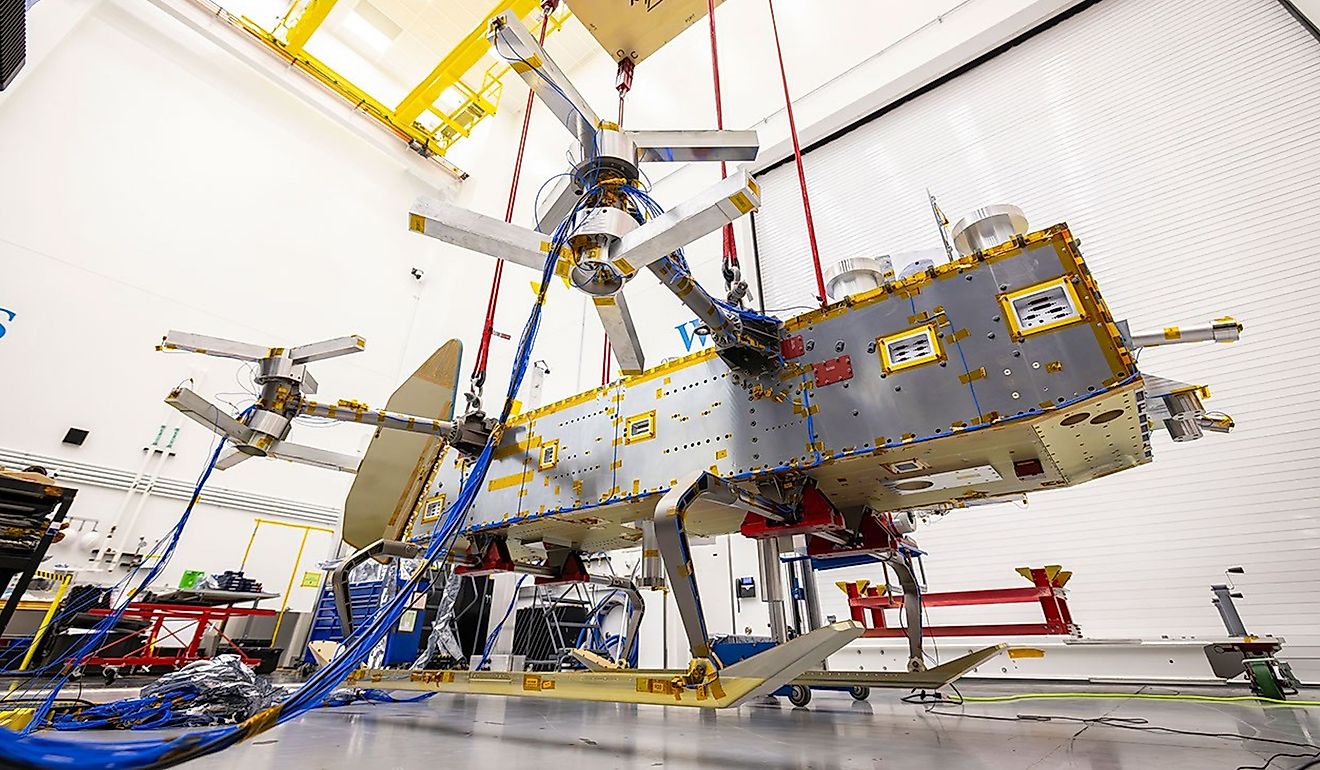
Mercury's frozen craters show that water ice can survive even in one of the hottest environments in the solar system as long as it remains shielded from sunlight. The deposits may also hold clues about the comets, asteroids, and other processes that delivered water to the inner solar system billions of years ago. BepiColombo, a joint mission of the European Space Agency and the Japan Aerospace Exploration Agency, is scheduled to enter Mercury's orbit on November 21, 2026. Its scientific observations, beginning in April 2027, could reveal more about the planet's mysterious ice deposits. For now, Mercury holds an extraordinary contrast: ground hot enough to melt metal exists on the same planet as craters cold enough to keep ice frozen for billions of years. Even the closest planet to the Sun has areas that are beyond the Sun's reach.