What Hubble Will Do Before It Falls Back To Earth
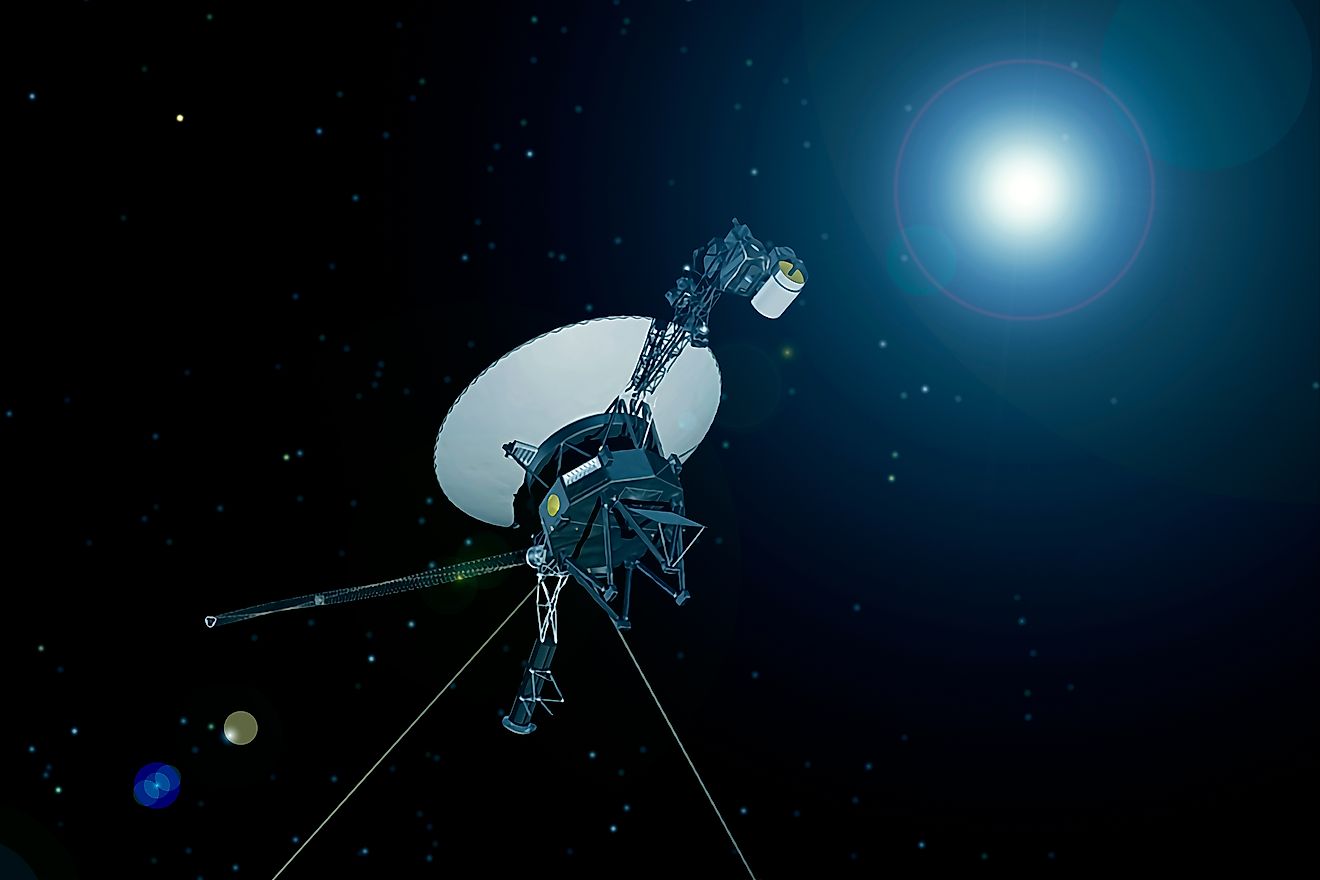
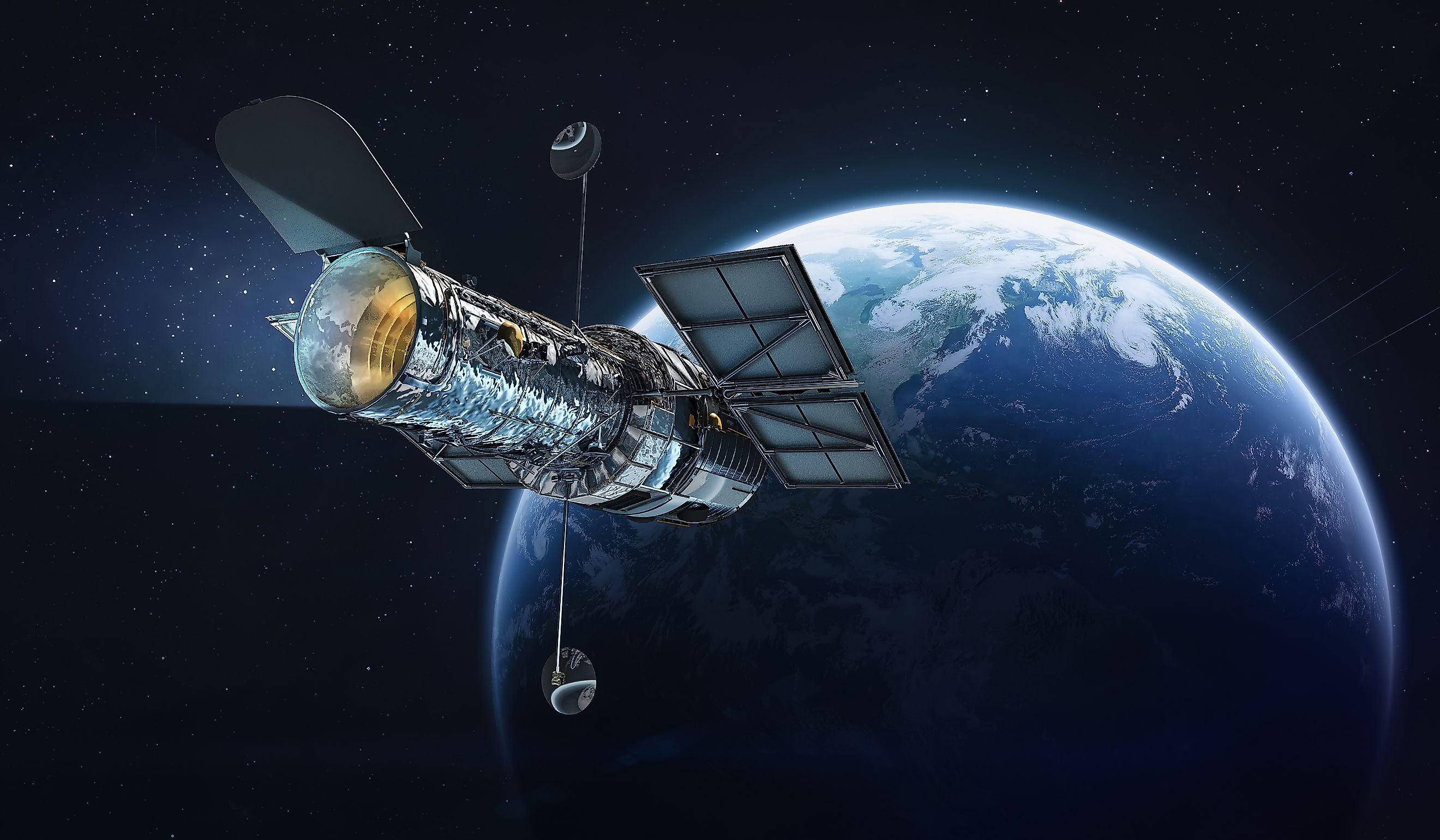
Before the Hubble Space Telescope falls back to Earth, it will continue operating at a slower rate, continue to experience orbital decay, risk uncontrolled reentry, and require human intervention. The ascent of the Hubble Space Telescope is one of NASA's most prized accomplishments. Launched on April 24, 1990, from Florida's Kennedy Space Center, the telescope has captured some of the most breathtaking images of the cosmos.
The space instrument will return with reverence and the appreciation of scientists everywhere. While its return is expected, landing efficiently may be full of challenges. Uncovering the Hubble telescope's trajectory can inspire solutions, improve inventions, and provide better insight into the cosmos. Here's an in-depth look into what the Hubble will do before it falls back to Earth.
Why is the Hubble Space Telescope so important?

It is hard to deny the scientific contributions of the Hubble Space Telescope. It has done everything from measuring the expansion rate of the universe to calculating its 13.8-billion-year existence. It has worked to uncover the realities of dark energy, unknown galaxies, and even exoplanets. With these explorations in mind, the Hubble Space Telescope has provided an unparalleled view into some of the world's most mysterious wonders.
The Hubble may experience decay and uncontrolled re-entry.

Unfortunately, there is an expected ending point to its decades-long run. Hubble is already experiencing orbital decay that could eventually lead to an uncontrolled reentry unless its orbit is adjusted. Increased solar activity can also increase drag on Hubble and accelerate its orbital decay. Since the Hubble has no on-board propulsion system, it is unable to maintain its own altitude. If this decay is not mitigated by interventions, the Hubble will undergo a volatile re-entry into Earth. If it undergoes uncontrolled re-entry, most of it will burn in the atmosphere. Scientists believe that up to 40% of the telescope's mass could return, leading to safety risks on the ground. Studies suggest that there could be human casualties with substantial debris landing in heavily populated areas.
NASA is considering several interventions to save the Hubble.

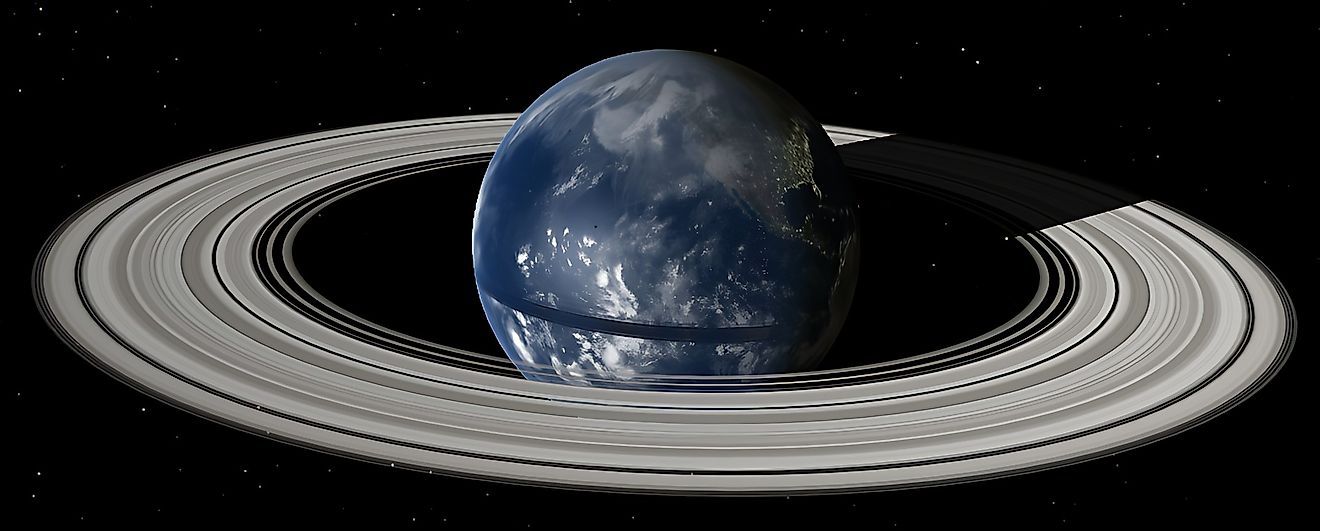
To prevent the prized instrument from falling uncontrollably, NASA has proposed a number of rescue and revival interventions. These interventions include United States government and commercial proposals from companies like SpaceX and Momentus. One of the major interventions is a controlled de-orbit disposal. Using a specialized ring, called the Soft Capture Mechanism, NASA would utilize a space tug to connect to the ring and force it to plunge into the Pacific Ocean. If the intervention is successful, all of Hubble's remaining fragments would fall into the world's most unpopulated water region. SpaceX has also offered intervention ideas with their SpaceX Dragon Crew. Through the intervention, the spacecraft would lock onto Hubble and push it back into a higher orbit.
Could Hubble continue its normal operations?

If the interventions are successful, the Hubble could continue operations for an extended period of time. To function, the Hubble is built to run six gyroscopes that measure its speed, position, and gaze into the cosmos. However, only three were operational in 2024. To ensure proper data, NASA put the Hubble on "one-gyro mode," causing it to run using just one gyro alongside built-in sensors. Today, it continues to run with slower targeting and frequent blind spots. While it continues to capture some images, its efficiency has dropped to approximately 25%. Due to aging, there are also issues with battery degradation, which hinders the ability of Hubble to hold a charge while it passes through passes. Issues with the telescope's central computer have also affected its memory storage and even caused it to go offline for a month. While backup hardware was eventually activated, scientists note that there are no more systems available if it undergoes another hardware failure. While the Hubble is struggling to maintain operations, the goal is to keep it running for as long as possible. Observing alongside other instruments, like the James Webb Space Telescope, offers unparalleled perspectives into the cosmos and outer space.
The Hubble is an unparalleled model for the future of science.
The Hubble Space Telescope is one of the most important scientific instruments in human history. Thanks to the Hubble, stars, galaxies, and black holes are now more than just figments of imagination. After a 36-year run, scientists are anticipating its return. As scientists prepare for its fall to Earth, the Hubble Space Telescope may continue to experience decay, uncontrollable re-entry, and even commercial interventions. Whatever fate it undergoes, its contribution to science should not be denied. Understanding its accomplishments and eventual fall demonstrates what's possible for future instruments and outer space observation throughout the world.