What Would Happen If Earth Had Rings
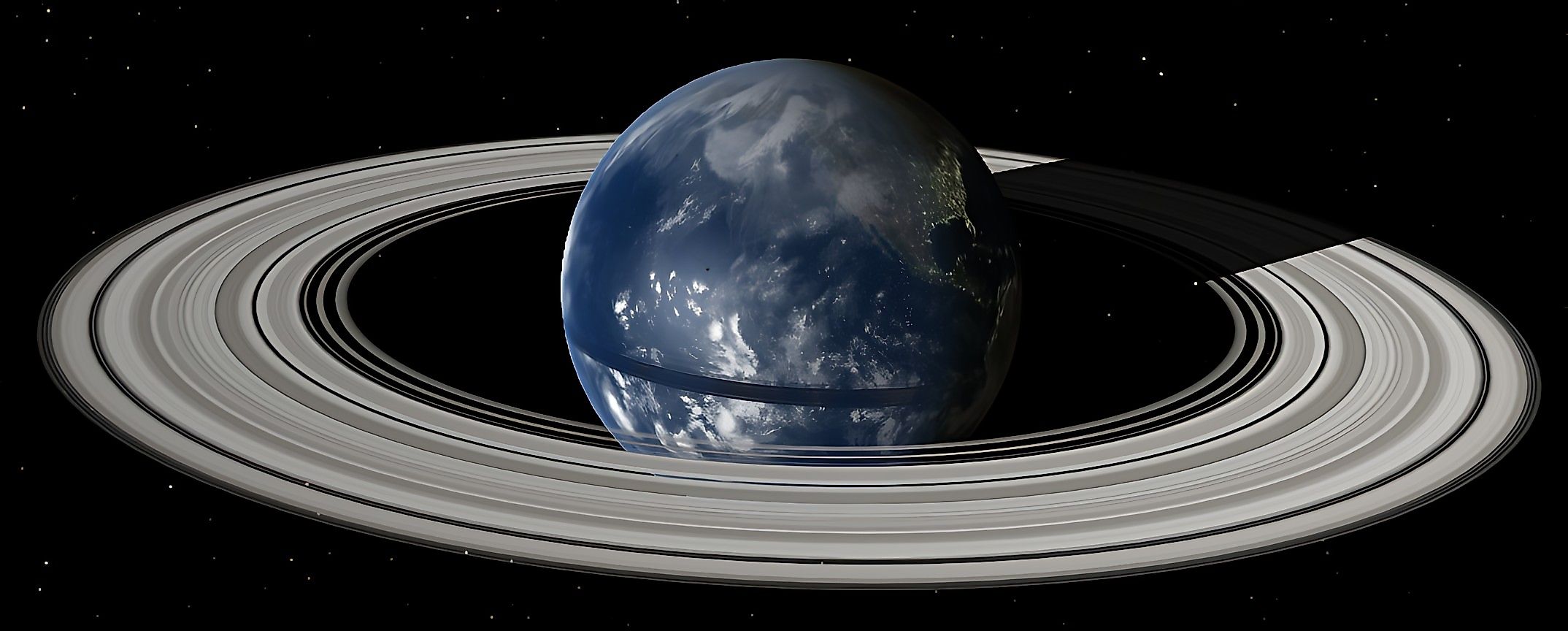
Earth may have been surrounded by a ring of shattered asteroid debris 466 million years ago, showering the planet with meteorites for millions of years. If Earth had rings today, they could create enormous arcs across the sky, visible from cities and landscapes across the world. Imagine waking up every morning to see a glittering band sweeping overhead, and at night, watching that same band shimmer against the darkness. But rings would do more than transform the sky. They could cast shadows across Earth's surface, influence temperatures, and create new hazards for spacecraft and satellites. Would human life, or any life at all, be possible on such a planet?
Other Planets With Rings

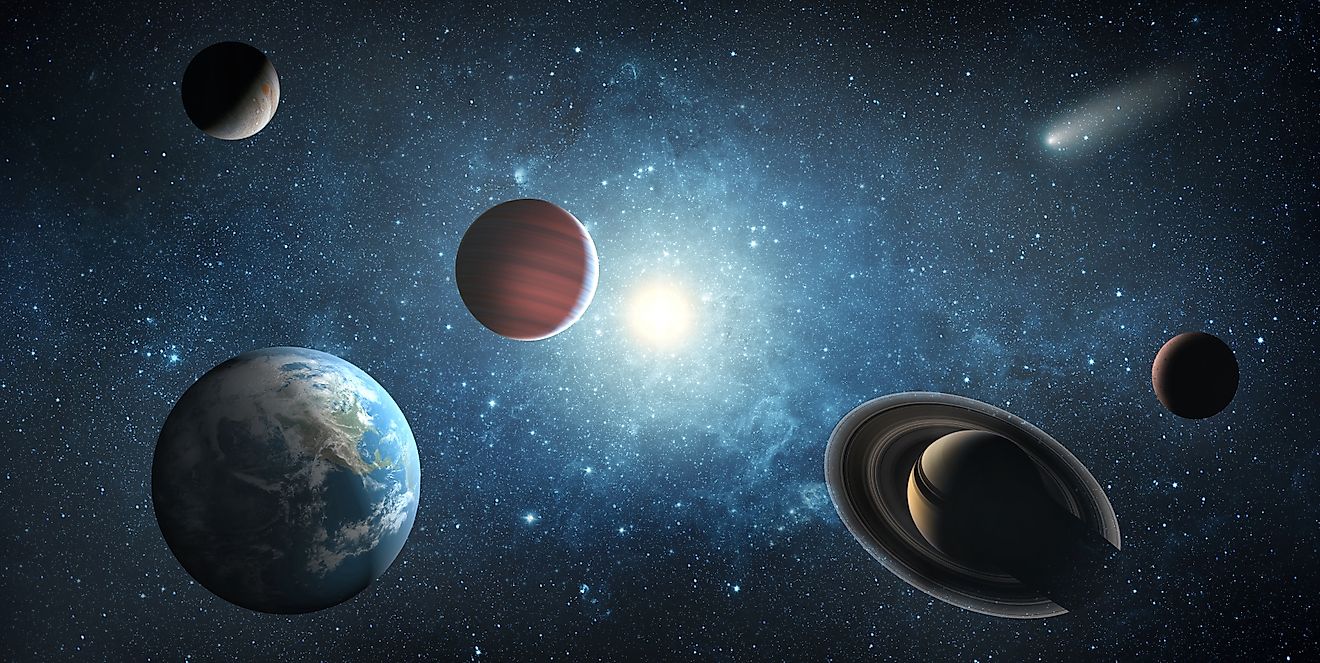
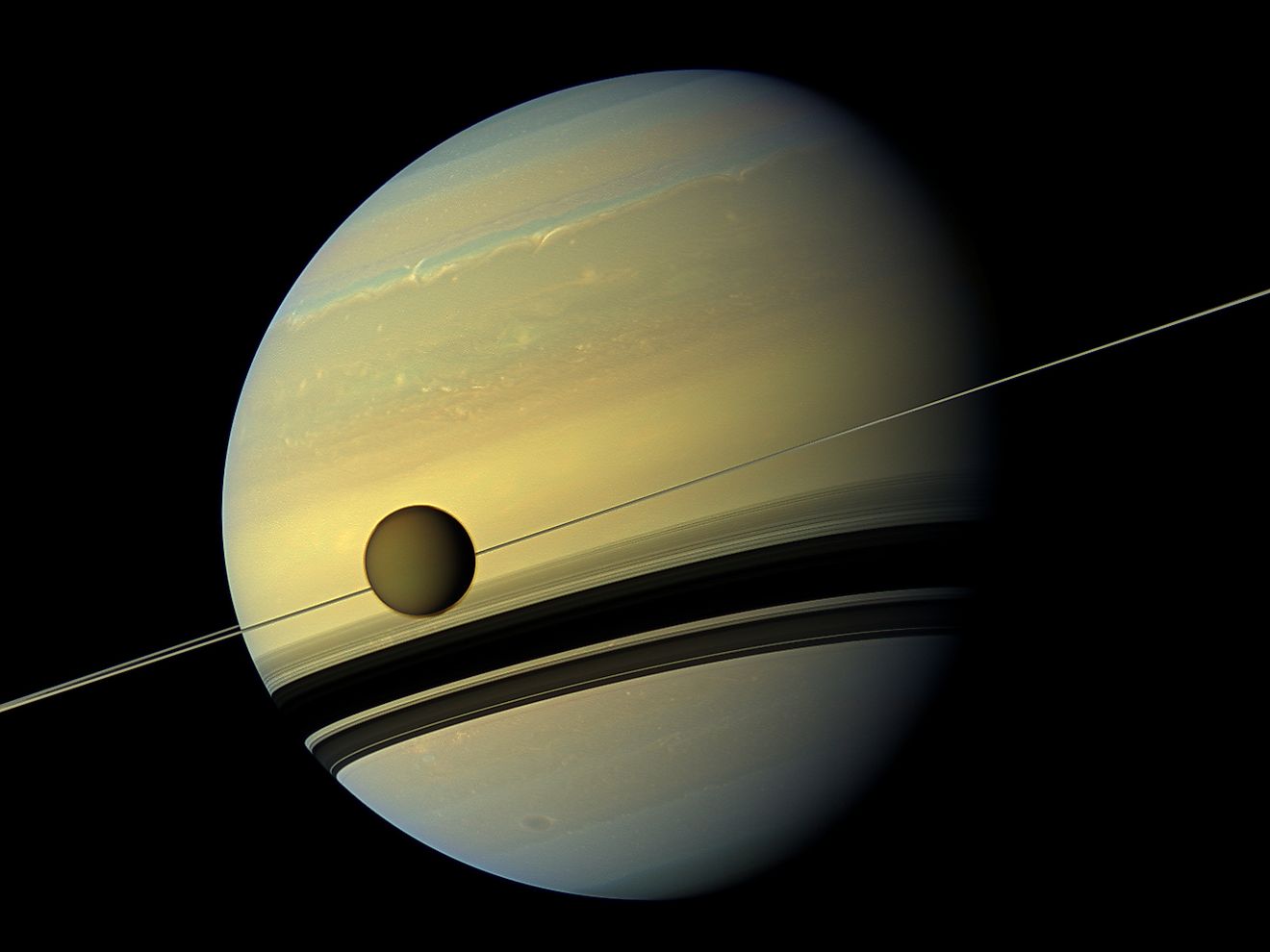
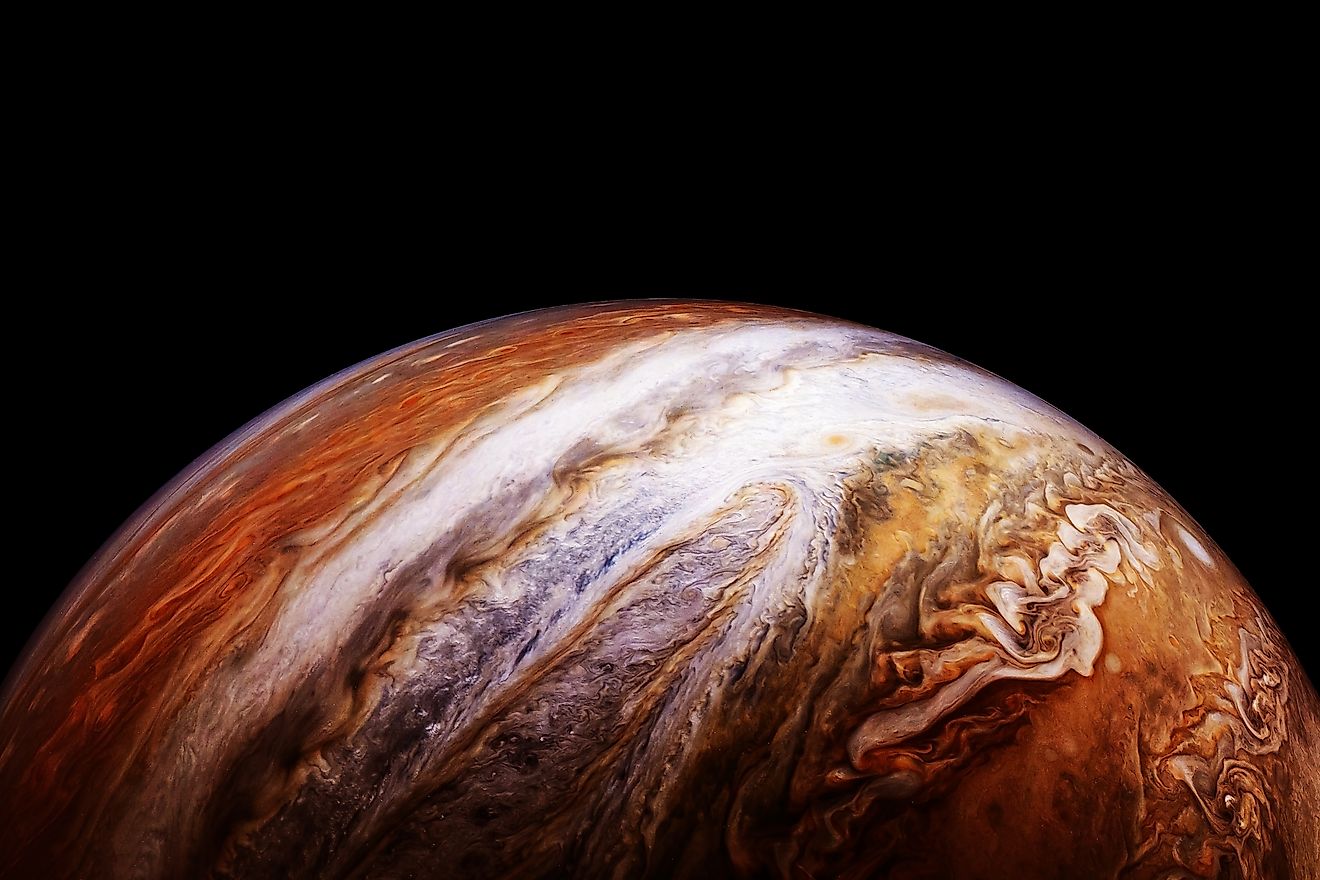
Four planets in our solar system have rings: Neptune, Jupiter, Saturn, and Uranus. Their rings differ considerably in appearance, but Saturn's are so prominent that it is the planet most associated with them. In fact, some people may not even know that the other three planets have rings.
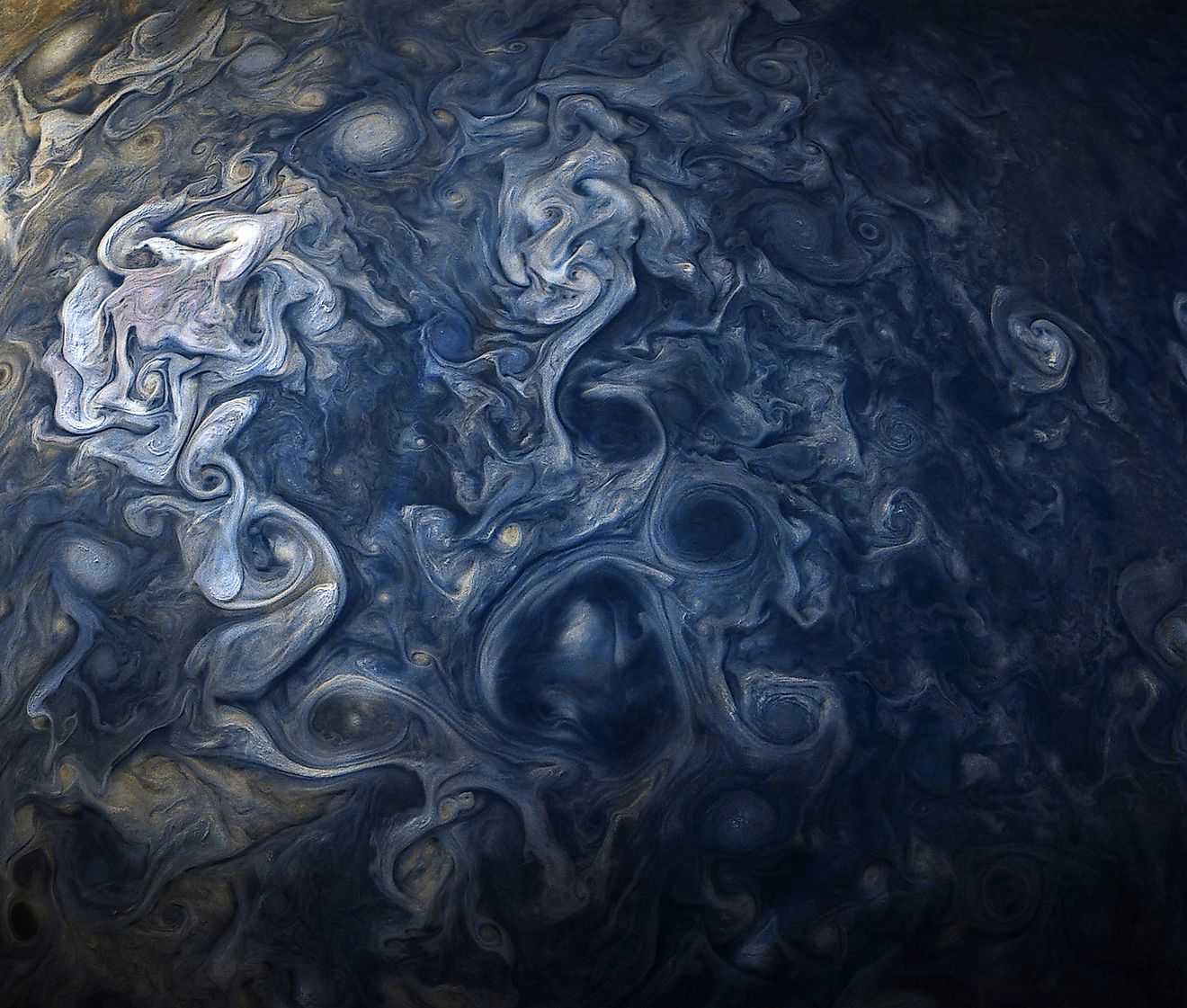
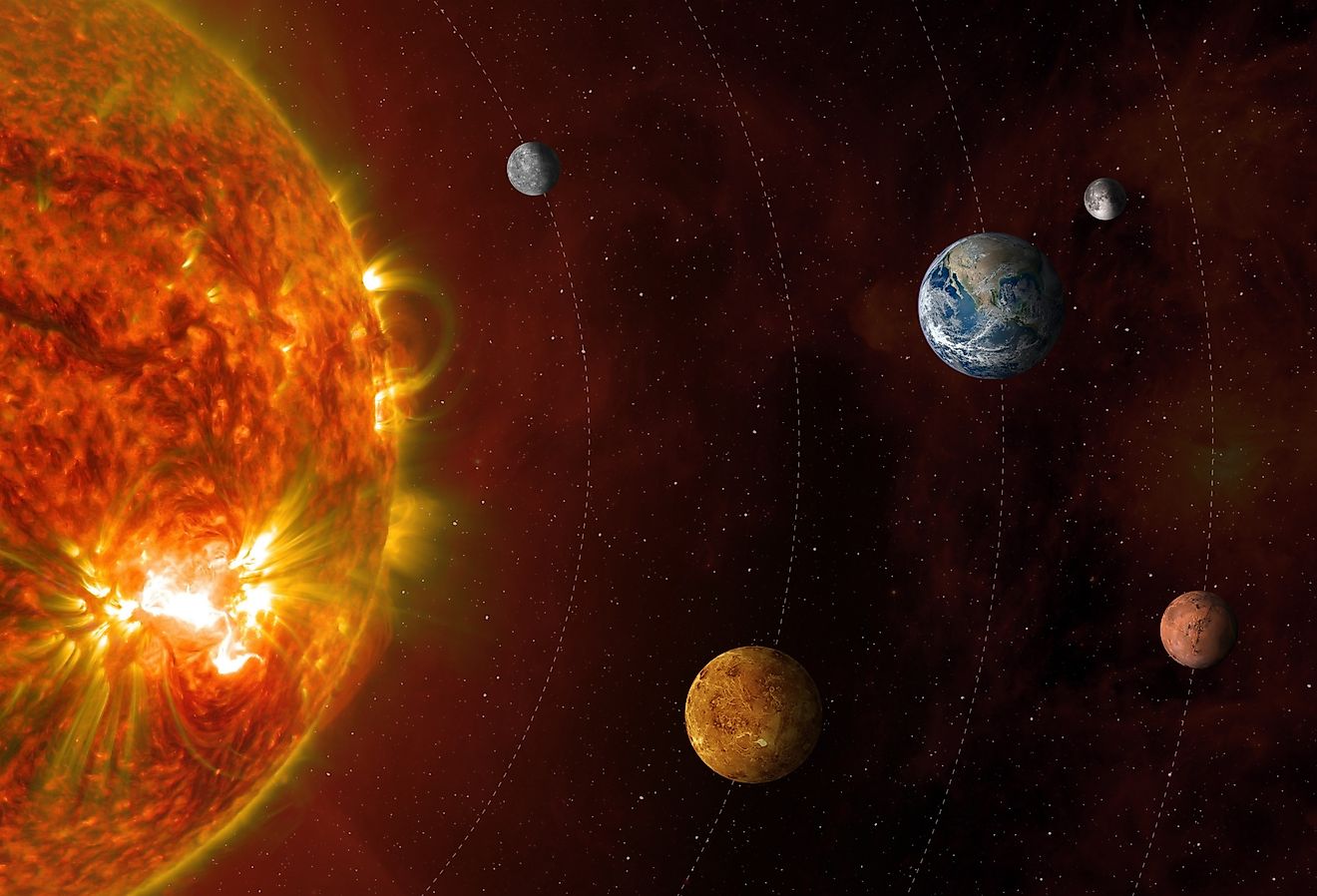
Jupiter and Saturn are gas giants, while Uranus and Neptune are classified as ice giants. Although none of the rocky planets, including Earth, currently have rings, there is nothing about their composition that prevents them from developing ring systems.
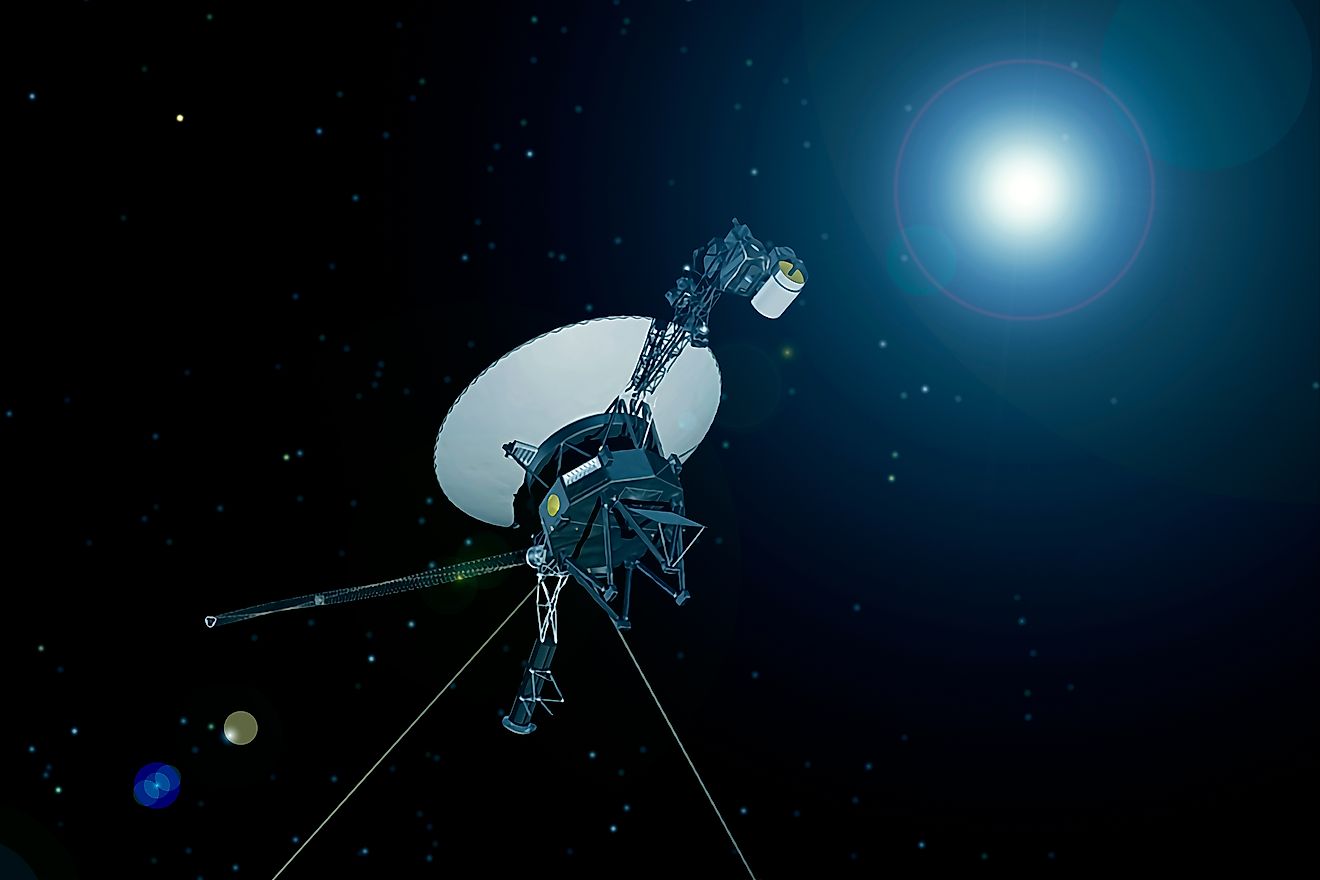
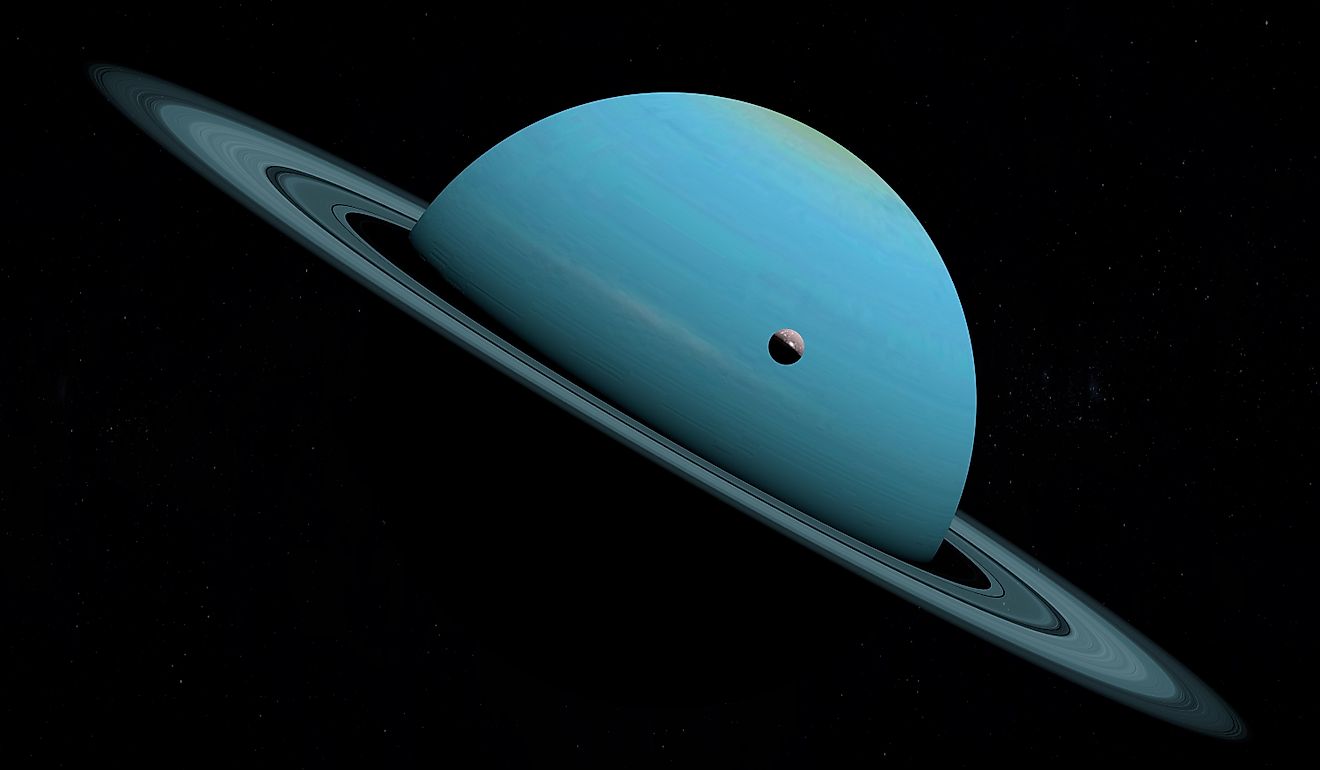
Uranus has 13 recognized rings, although they are dark and thin, making them difficult to see. They were first discovered in 1977 when astronomers observed the planet passing in front of a distant star. Neptune has at least five main rings, with evidence of their existence detected in 1984 and confirmed when Voyager 2 passed the planet in 1989. Its outermost ring contains unusual concentrations of material called arcs, rather than an evenly distributed band of particles.
Jupiter's faint rings were discovered in 1979 by Voyager 1. They consist primarily of dust and are so difficult to see that they are most easily observed when illuminated from behind. By contrast, Saturn's seven main rings contain enormous quantities of reflective ice particles, making them considerably brighter. Galileo Galilei first observed Saturn's unusual appearance in 1610, although he could not identify the rings. It was not until 1655 that Christiaan Huygens recognized their true structure.
How Planetary Rings Form

Planetary rings vary in composition. Some are made primarily of icy particles, while others contain dust, rock, or a combination of these materials. Despite their solid appearance from a distance, rings are not continuous sheets. They consist of countless individual particles orbiting a planet, sometimes ranging from grains of dust to objects as large as boulders.
Scientists theorize that planetary rings can form in different ways. One possibility is that a moon, comet, or asteroid passes so close to a planet that powerful gravitational forces tear it apart. The resulting debris can spread into orbit, forming a ring around the planet. Other rings may develop from material left over during the formation of moons or from dust knocked off existing moons by meteorite impacts.
This means that planets may not always have had rings and may not retain them forever. Even Saturn's famous rings are not permanent. Material gradually falls into the planet or escapes the ring system, although scientists continue to debate how old the rings are and how long they will survive.
A similar event could eventually happen to Mars. Its moon Phobos is slowly spiraling toward the planet, moving approximately six feet closer every century. Scientists predict that within roughly 30 to 50 million years, Phobos could crash into Mars or break apart, potentially forming a ring around the Red Planet.
What Would Happen If Earth Had Rings?

The biggest question is whether humans would have developed if Earth had rings throughout its history. There is no biological reason that rings alone would prevent life from existing, but their effects on Earth's climate could have changed the conditions under which life evolved.
If Earth had rings, they would probably contain substantial amounts of dust and rock, depending on how they formed. Saturn's rings consist largely of water ice, but ice particles much closer to the Sun would be more vulnerable to heating and gradual loss through sublimation, when ice turns directly into vapor.
One of the most important effects would be the shadows that rings could cast on Earth's surface. Depending on their size, density, and position, rings could partially block sunlight from reaching certain regions. Their shadows would also change with the seasons as Earth moves around the Sun .
In places receiving less sunlight, temperatures could fall, potentially producing colder winters or altering growing conditions. The extent of these changes would depend on how much sunlight the rings actually blocked. A thin, dusty ring might have little effect, while a broad, dense ring could produce more substantial changes.
What Would Rings Look Like From Earth?

If Earth had a ring system as bright and extensive as Saturn's, the view from below could be stunning. Imagine seeing great shimmering arcs of light, almost like gigantic stone arches stretching across the sky. Unlike rainbows, these would be permanent features, remaining in approximately the same position as Earth rotates.
Where you live would have a major effect on what you could see. Most planetary rings orbit close to their planet's equator. From the equator, the rings would appear almost edge-on, forming a thin line extending across the sky and overhead. From mid-latitudes, including much of the United States, the view would be considerably different. The rings could resemble a broad, luminous arch stretching from one horizon toward the other.
The rings could also be visible during both day and night, depending on their brightness and the angle of sunlight. At night, a sufficiently reflective ring system might illuminate the landscape, although its brightness would vary with its composition and position relative to the Sun.
Earth itself would cast a shadow across parts of the rings. From the ground, this could make sections of the glowing bands appear dark, almost as though a piece had been removed. The rings would also cast shadows on Earth, with their position and extent changing throughout the year. The result could be an extraordinary combination of bright nighttime skies and regions experiencing reduced sunlight during certain seasons.
Airplanes, Space Travel, And Satellites

If Earth had rings, ordinary airplane travel would probably be largely unaffected. Planetary rings orbit above the denser parts of a planet's atmosphere, and commercial aircraft fly at altitudes of only several miles. Even high-altitude military aircraft would remain far below a typical orbital ring system. However, the location of the rings would depend on how they formed and whether their orbits were stable. They would not necessarily lie within the thermosphere, a layer of Earth's upper atmosphere extending hundreds of miles above the surface.
Space travel and satellites are another matter. A spacecraft attempting to pass through a dense ring could collide with fragments of rock or dust traveling at enormous speeds. Even a small particle striking a spacecraft at orbital velocity can cause significant damage.
This would make launching rockets and placing satellites in orbit more complicated. Spacecraft might need to avoid the ring plane or travel through gaps where fewer particles were present. Satellites whose orbits crossed a dense ring would face additional collision risks. Some satellites orbit only a few hundred miles above Earth, while geostationary satellites operate approximately 22,236 miles above the equator. Depending on the rings' location, some orbital regions could become dangerous or unsuitable for satellites.
Communications might also be affected. Dense sections of a ring could interfere with certain radio signals passing through them, although rings would not necessarily prevent communication with spacecraft altogether. Astronomy could become more difficult as well. Bright rings might obscure portions of the night sky and make faint stars and galaxies harder to observe from Earth. The same spectacular feature that transformed the sky could make studying the wider universe more challenging.
History And Mythology

What kinds of stories would have been passed down throughout human history if Earth had rings? We will never know, but it is easy to imagine how differently ancient civilizations might have interpreted the sky.
Perhaps the rings would have been associated with specific gods or spirits, much as the Sun, Moon, and planets were incorporated into the mythology of cultures around the world. Their enormous arcs might have inspired stories about bridges between worlds or boundaries separating Earth from the heavens.
The rings might also have played a role in early astronomy. Because their overall position in the sky would remain relatively stable, people could potentially have used them as reference points for navigation and observing celestial movements. Their changing illumination and the shadows they cast could have provided additional seasonal markers. Like the changing positions of the Sun and stars, these patterns might have helped ancient societies track the passage of time.
Did Earth Ever Have Rings?

It is not known for certain, but some scientists believe Earth may actually have possessed rings in its distant past. One possibility dates back approximately 4.5 billion years, when a Mars-sized object, commonly called Theia, is thought to have collided with the young Earth. The impact blasted enormous quantities of material into space, some of which gathered into a disk of debris that eventually formed the Moon. This would have temporarily surrounded Earth with orbiting material, although it would not necessarily have resembled the stable rings seen around Saturn today.
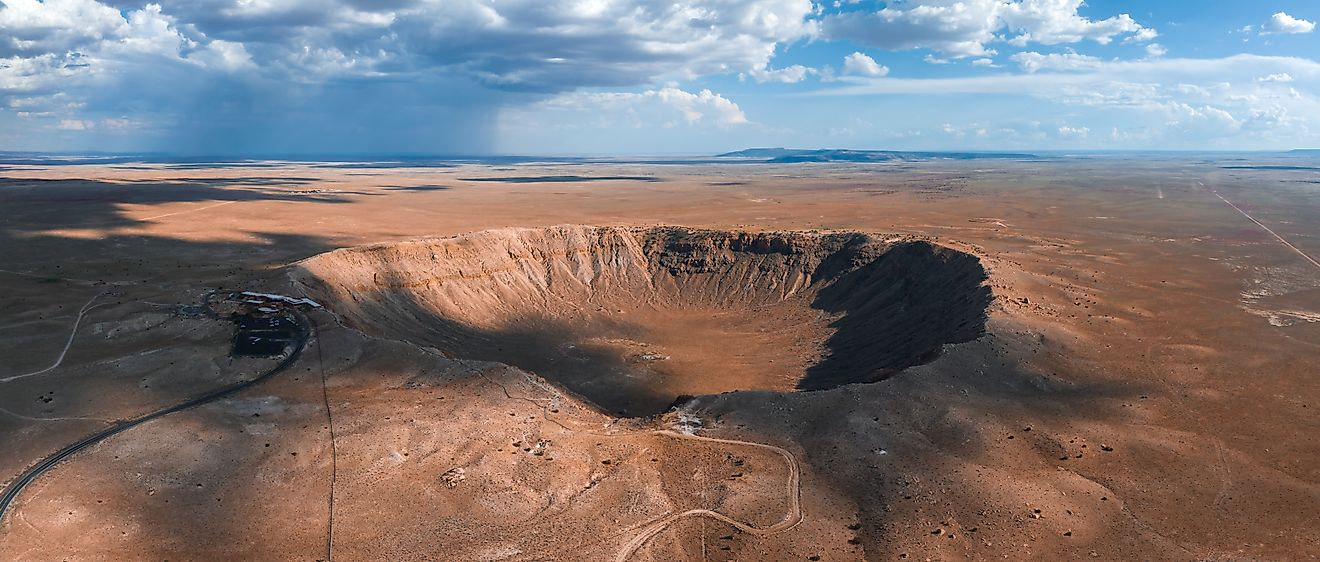
More recently, scientists have proposed that Earth developed another ring system approximately 466 million years ago, during the Ordovician Period. A 2024 study published in Earth and Planetary Science Letters examined 21 ancient asteroid impact craters associated with a period of unusually intense meteorite activity. Researchers found that all 21 were located within 30 degrees of Earth's ancient equator, an unusual pattern considering that much of the land capable of preserving craters was located outside this region.
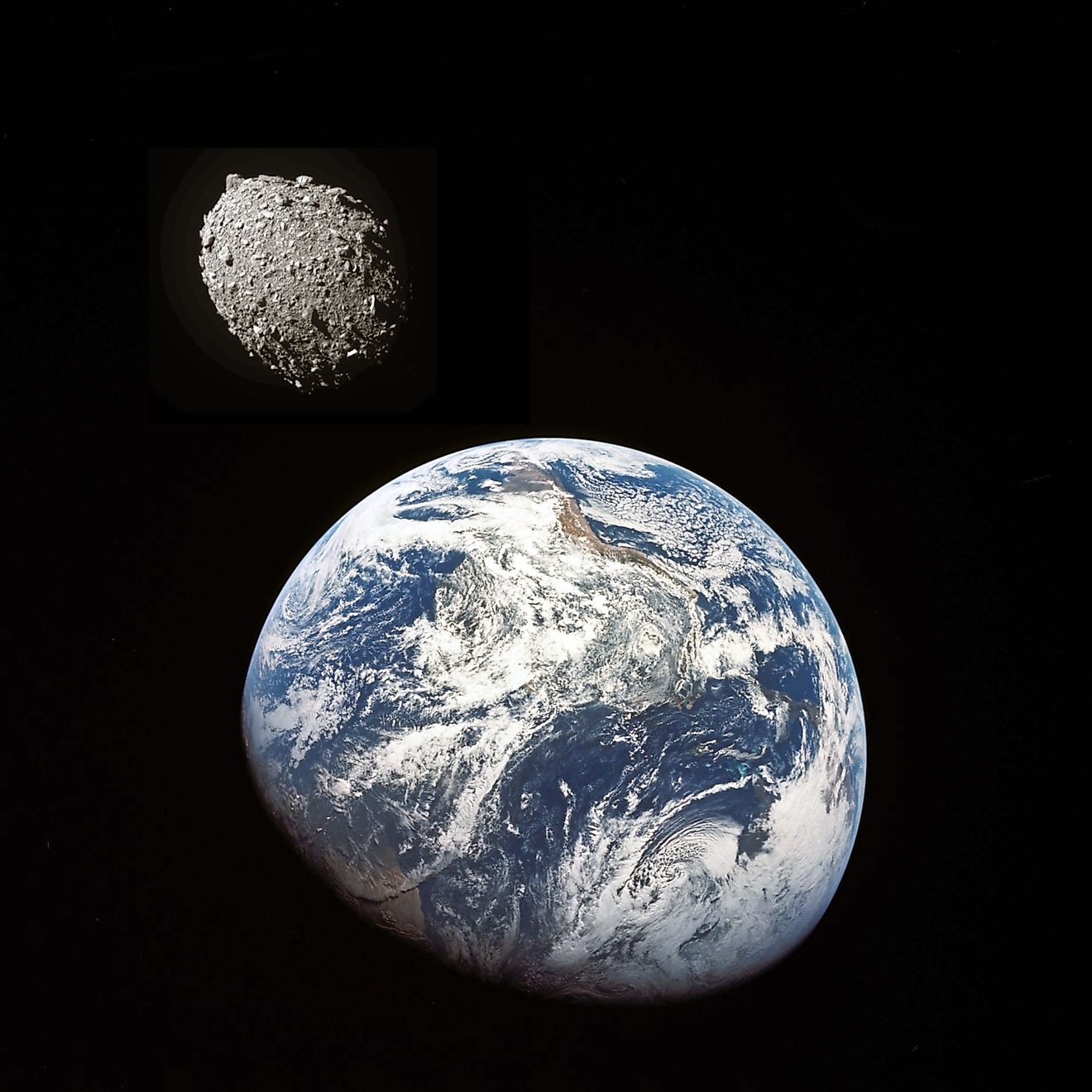
The researchers suggested that a large asteroid may have passed close enough to Earth to be torn apart by gravity. Some of its fragments could have formed a ring around the equator, with debris gradually falling to Earth over millions of years.
The study also raised another possibility. If the ring was sufficiently dense, its shadow could have reduced the amount of sunlight reaching Earth's surface, potentially contributing to a period of extreme global cooling near the end of the Ordovician.
An Earth With Rings
Earth has no rings today, and there is no evidence that a new ring system is about to form. Still, the possibility that our planet once possessed them raises remarkable questions about its history. A ring could have turned the sky into a permanent display of glittering rock and dust, while altering temperatures, showering the atmosphere with meteors, and influencing the development of life. If the ancient ring hypothesis proves correct, one of Earth's most extraordinary lost features may have left its evidence not in the sky, but in the rocks beneath our feet.