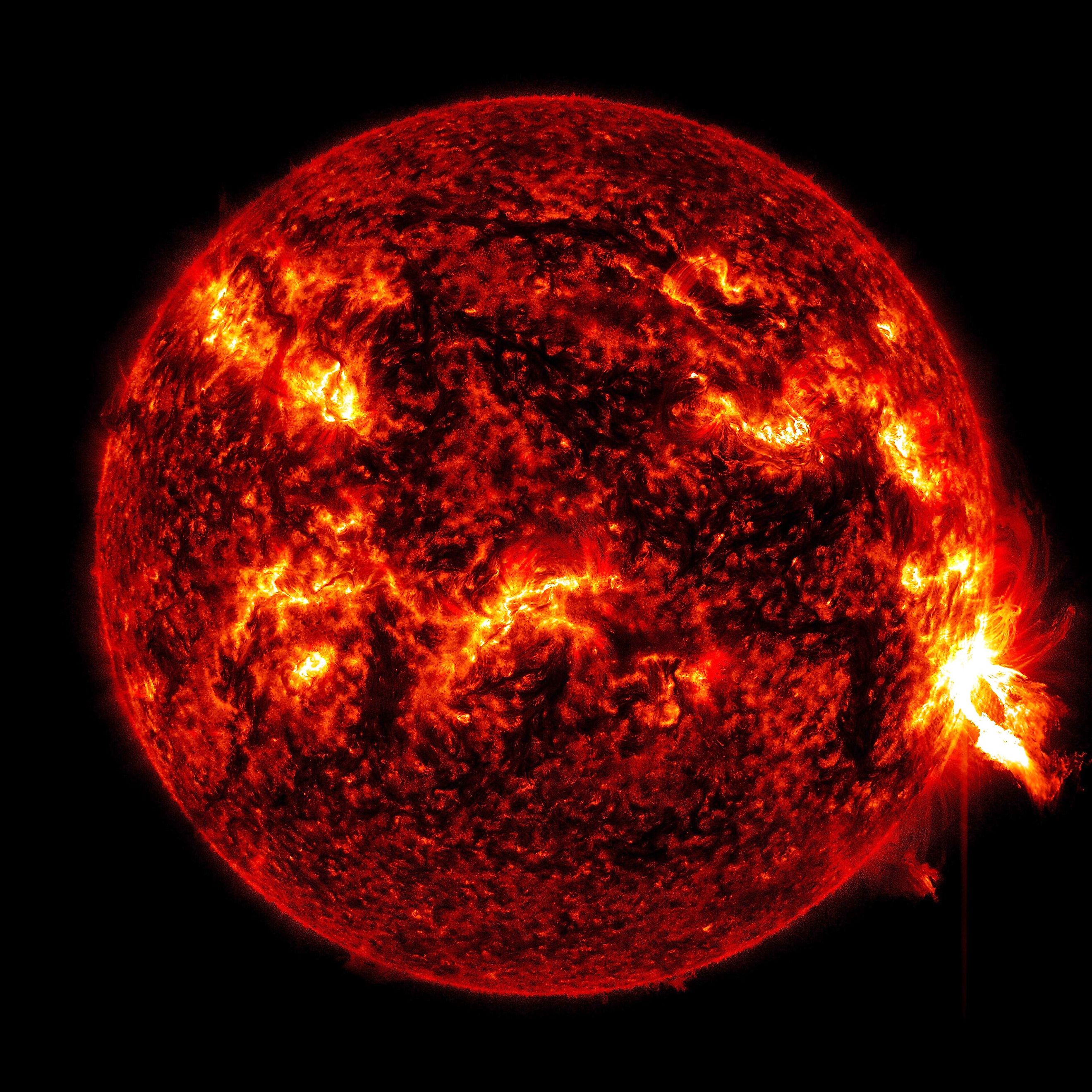
What Happens If A Solar Flare Hits During A Spacewalk
An astronaut could be working outside the International Space Station, hundreds of miles above Earth, completely unaware that a dangerous solar radiation storm is headed their way. There would be no blast of heat, no sudden pain, and no warning from their body as high-energy particles penetrated their spacesuit. A powerful enough storm could cause serious radiation sickness or even death.
In August 1972, a massive solar storm erupted between NASA's Apollo 16 and Apollo 17 missions. Had astronauts been walking on the Moon at that time, they could have received life-threatening radiation doses. Fortunately, no one was there. A similar event today could force astronauts to race back to their spacecraft for shelter, with their survival depending on how much radiation reached them before they made it inside.
What Happens When A Solar Flare Erupts

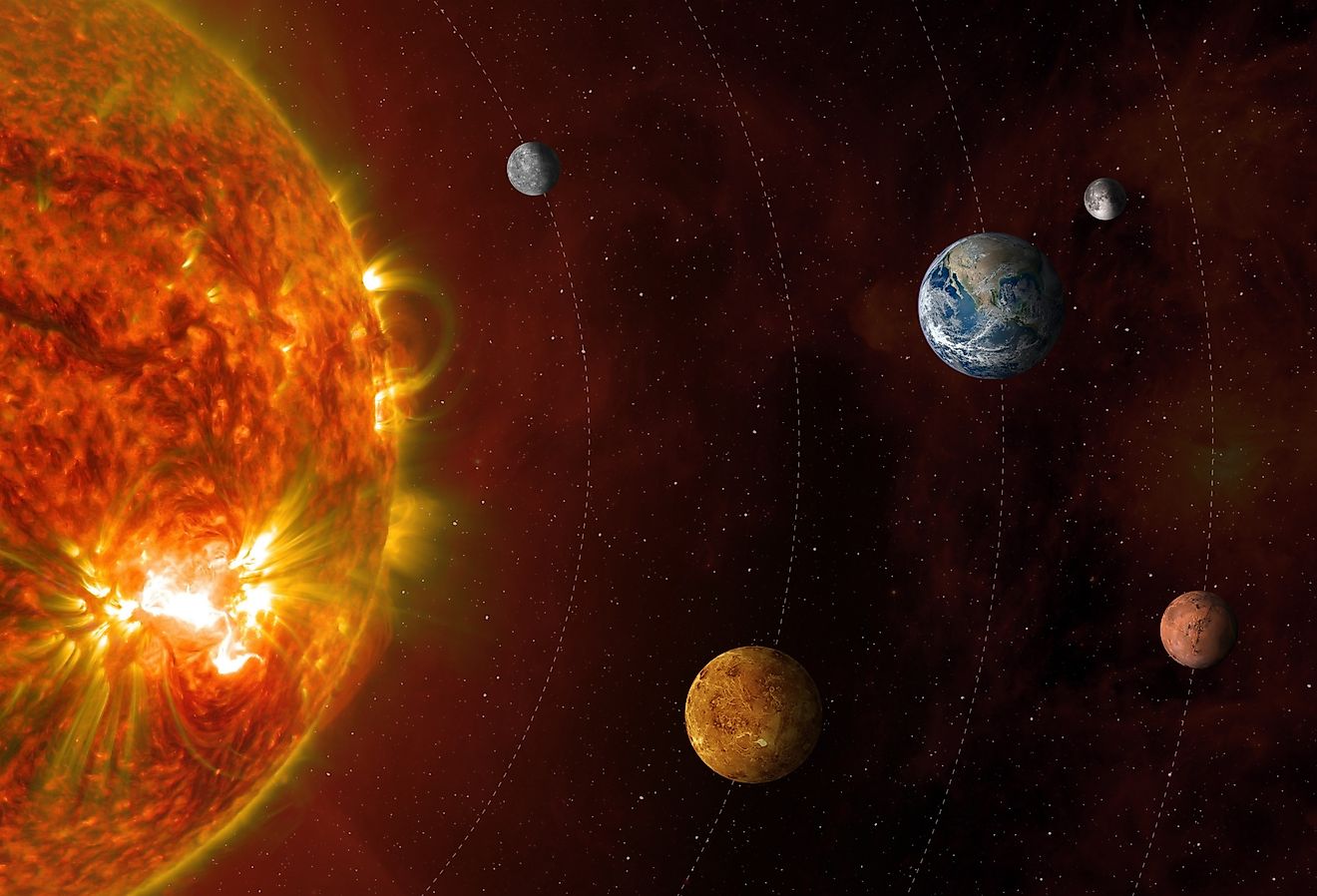
The most powerful solar flares release energy comparable to billions of hydrogen bombs, producing enormous bursts of radiation as magnetic energy erupts from the Sun's atmosphere. Scientists classify flares according to the intensity of their X-rays, from the relatively weak A-class through B, C, and M to the most powerful X-class.
That radiation travels at the speed of light, covering the approximately 93 million miles between the Sun and Earth in just eight minutes. But the radiation emitted directly by a flare is not necessarily the greatest danger to an astronaut.
Some solar eruptions also produce storms of high-energy particles, particularly protons, that race outward through space. These particles may be accelerated by solar flares or coronal mass ejections, which are enormous clouds of charged gas and magnetic fields expelled from the Sun.
The fastest particles can reach Earth's vicinity in approximately 30 minutes or less, while others take hours. Unlike the light and X-rays from the initial flare, these particles can penetrate spacesuits and human tissue, potentially causing serious biological damage. Fortunately, not every solar flare produces a dangerous particle storm. Even a powerful X-class flare does not automatically mean astronauts will receive a harmful dose. The danger depends on the particles released, their direction, and the protection available.
Would The Astronaut Feel Anything?

An astronaut caught in a solar radiation storm might feel perfectly normal while dangerous particles pass through their spacesuit. Radiation does not necessarily cause immediate pain, even when it is damaging living cells. Someone working outside the International Space Station could continue tightening bolts, handling equipment, or making repairs without realizing that their radiation exposure had increased.
There is one strange phenomenon astronauts have experienced, however. During the Apollo missions, astronauts reported seeing tiny flashes or streaks of light, sometimes even with their eyes closed. NASA researchers linked these flashes to high-energy cosmic particles passing through the astronauts' eyes and interacting with their visual systems. Imagine closing your eyes in a dark spacecraft and seeing what looks like tiny shooting stars moving across your vision.
Could The Radiation Kill An Astronaut?

A powerful enough solar particle storm could kill an astronaut, especially one working outside a spacecraft on the Moon or traveling to Mars. A large dose could cause radiation sickness, also called acute radiation syndrome. Nausea, vomiting, and headaches might begin within hours, or even sooner. Strangely, the astronaut could then feel better for a while before becoming seriously ill. Doctors call this the latent phase, when the initial symptoms fade even though radiation damage is still developing inside the body. Radiation can damage the bone marrow, where blood cells are made, leaving the body vulnerable to infections and internal bleeding. In extreme cases, the damage could be fatal.
Even astronauts who recover may face health problems years later. Radiation can damage DNA and increase the risk of cancer, while cataracts are another long-term effect. Neither outcome is for sure, however. The risk depends on the dose received, the type of radiation, and other factors.
Would A Spacesuit Protect Them?

A spacesuit protects astronauts from extreme temperatures, the vacuum of space, and some radiation, but even its multiple layers can't block every high-energy particle from a powerful solar storm. Where the astronaut is working makes a big difference. The International Space Station orbits within Earth's magnetic field, which deflects many dangerous particles. The station itself shields some radiation, and NASA keeps a close watch on solar activity. If conditions become dangerous, mission controllers can call off a spacewalk or tell astronauts to move back inside.
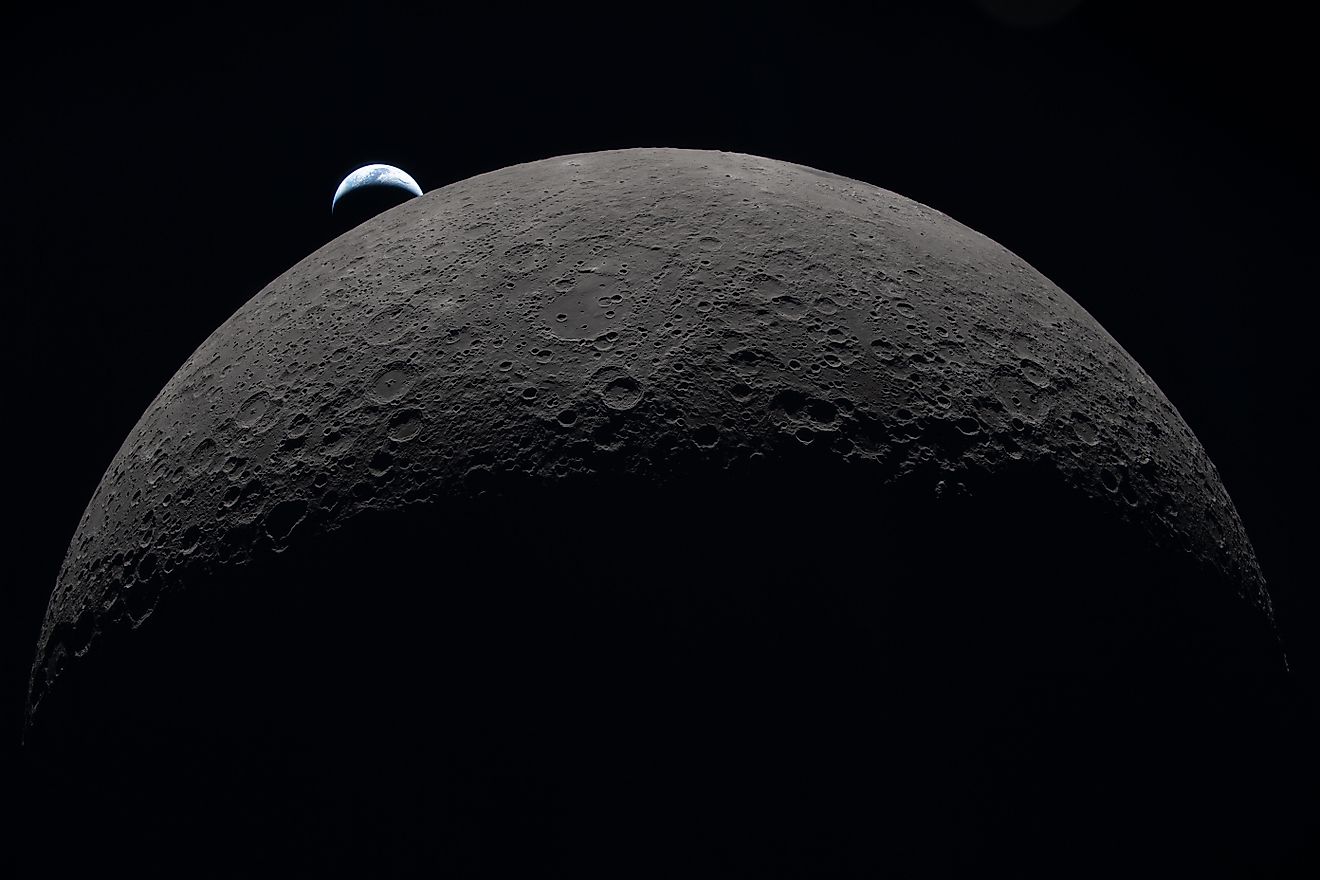
The Moon is a different story. The Moon doesn't have a protective magnetic field like Earth does, and astronauts exploring the lunar surface are at a greater risk from solar radiation. Their spacesuits alone might not provide enough protection during a severe particle storm, so astronauts would need to immediately head back inside to safety. This danger is particularly relevant as NASA's Artemis program prepares to send astronauts back to the Moon.
What Happens To The Spacecraft?

A powerful solar storm could cause trouble for the spacecraft, too. High-energy particles can interfere with computers, damage electronics, and disrupt communications. They can also wear down solar panels over time, reducing the amount of electricity they produce.
The International Space Station gets its electricity from huge solar arrays, while rechargeable batteries keep things running when it passes into Earth's shadow. A severe solar storm could potentially cause electrical problems, but shutting down the entire station would be much harder. Its power system has eight independent channels, so a problem with one would not necessarily knock out the others.
Would The Solar Flare Affect Earth?

A solar storm powerful enough to threaten an astronaut could also cause trouble back on Earth. Fortunately, the planet's atmosphere and magnetic field protect people on the ground from harmful solar radiation. The bigger concern is what a storm could do to the technology people rely on every day.
Powerful solar flares can interfere with radio communications and GPS signals, while high-energy particles can damage satellites. Coronal mass ejections can also trigger geomagnetic storms when they reach Earth, sometimes disrupting electrical grids. In 1859, the Carrington Event, one of the most intense geomagnetic storms ever recorded, disrupted the telegraph systems and produced auroras visible as far south as the Caribbean. More recently, a geomagnetic storm in March 1989 knocked out power to six million people in Quebec for about nine hours.
Not all effects are destructive, though. Geomagnetic storms can also cause spectacular northern and southern lights, sometimes bringing auroras to southern places that rarely see them.
Has A Solar Storm Ever Endangered Astronauts?

No astronaut has been killed by a solar radiation storm, but one of the most concerning events in space exploration occurred on August 4, 1972. An enormous solar eruption took place between the Apollo 16 mission in April and Apollo 17 in December. Had astronauts been exploring the Moon during the storm, the consequences could have been severe.
According to radiation estimates discussed in NASA's Apollo historical materials, an astronaut on the lunar surface could have received a dose of approximately 600 rem to the skin and 130 rem to the blood-forming organs. Rem is a unit used to express radiation dose in terms of its biological effects. These estimated doses would have been high enough to cause serious injury and potentially threaten an astronaut's life.
On August 8, 2023, another solar particle event occurred just one day before a scheduled spacewalk outside the International Space Station. NASA researchers subsequently modeled what might have happened if the storm had arrived during the spacewalk. Their calculations indicated that the astronauts would have received a dose equivalent below one millisievert, far below levels associated with acute radiation sickness.
The results illustrated an important distinction: a solar particle storm does not automatically create a life-threatening emergency. The severity of the event, the astronaut's location, and Earth's magnetic shielding all influence the outcome.
The Invisible Danger of Solar Storms
As NASA prepares to send astronauts farther from Earth, detecting these invisible storms and reaching shelter in time will be essential to keeping them safe beyond the planet's protective magnetic field. An astronaut walking on the Moon could see nothing unusual in the black sky, feel no heat through the spacesuit, and have no idea that dangerous particles were approaching.