Which Planet Has The Largest Core?
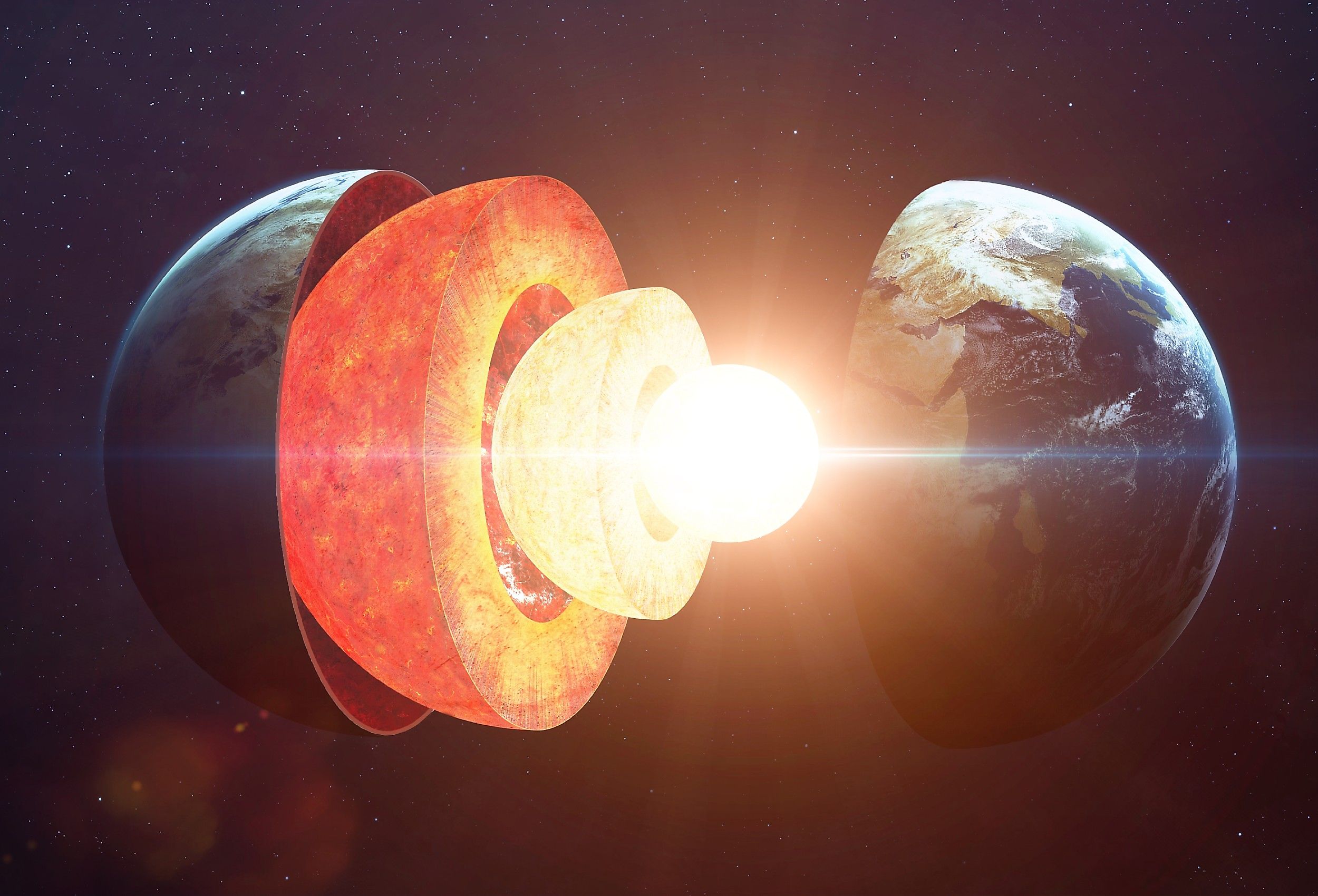
Those who dream of discovering or walking on another planet may focus on its surface, but its interior tells an equally important story. Rocky planets generally have metal-rich cores, while gas and ice giants may have diffuse central regions containing rock, ice, and other heavy materials. Beneath Earth’s crust, a mostly solid mantle surrounds a liquid outer core about 1,400 miles thick and a solid inner core with a radius of 759 miles. This iron-and-nickel core generates Earth’s magnetic field and contributes to the conditions that make the planet habitable. The answer to which planet has the largest core depends on the measurement: Earth has the largest clearly bounded core by volume among rocky planets, Mercury’s core occupies about 85% of its radius, and Jupiter’s diffuse core has no clearly defined edge.
The Core of the Matter

Within a protoplanetary disk, grains of rock and ice accumulate into planetesimals, which collide and merge into planetary embryos and eventually planets. Depending on where a planetesimal forms determines the type of planet, but most planets in our solar system, and some moons, develop an iron core, although some have other materials. Some planets generate magnetic fields through the motion of electrically conducting fluid inside their cores, but gravity holds their atmospheres, and the effect of magnetism on atmospheric loss is complex.
Jupiter's Fuzzy Core

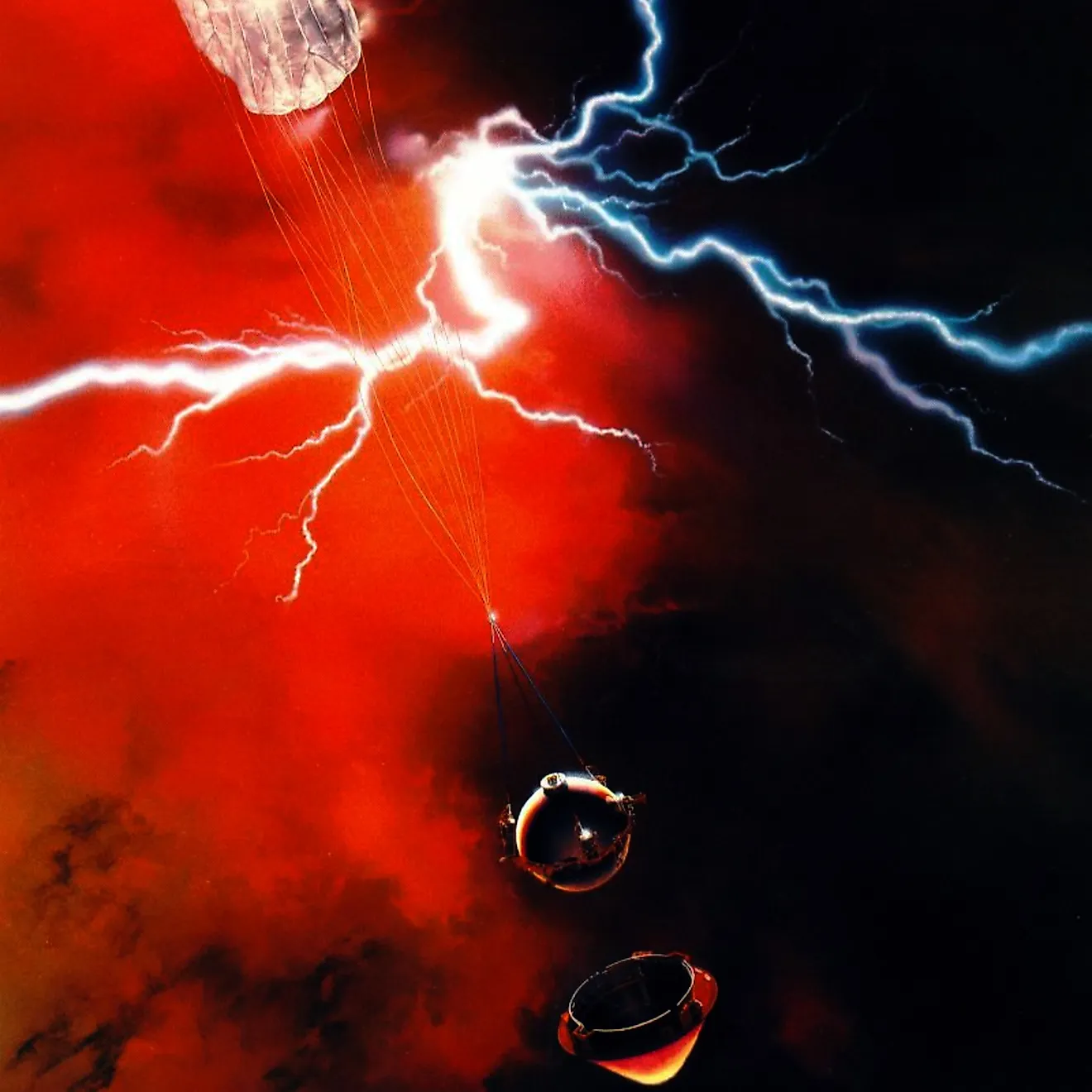
With the core being such a big part of a planet's formation and structure, one would think that the largest planet in our solar system would have the largest core, right? Jupiter's heavy-element core is diffuse and has no clearly defined boundary, making its size difficult to compare directly with the compact cores of rocky planets. With a radius of 43,440.7 miles, Jupiter is about 11 times wider than Earth, but as a gas giant, it consists mostly of hydrogen and helium. Formed from the leftover materials of the Sun, Jupiter has a similar structure, being made of mostly hydrogen and helium. The pressure and temperature of its atmosphere combine to force the hydrogen into a liquid, giving Jupiter the largest ocean on any planet. However, for many years, scientists believed the largest planet had a very small core made of ice, rock, and metal. However, recent research suggests that the truth is a bit fuzzier, much like Jupiter's core. It seems that the gas giant's core is much larger than previously believed, but it is not solid. The core is described as dilute or "fuzzy" because its heavy elements gradually mix into the surrounding metallic hydrogen rather than ending at a sharp boundary. Because this core has no distinct edge, its size cannot be ranked against Mercury's compact core using a simple radius or volume measurement.
Mercury Small but Mighty
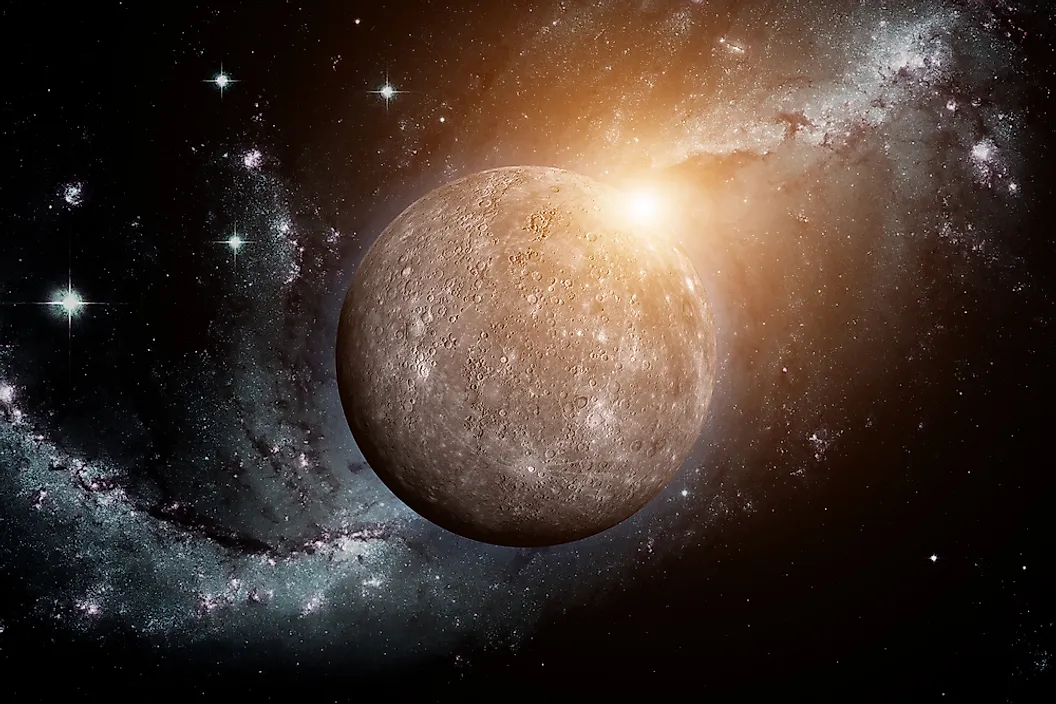
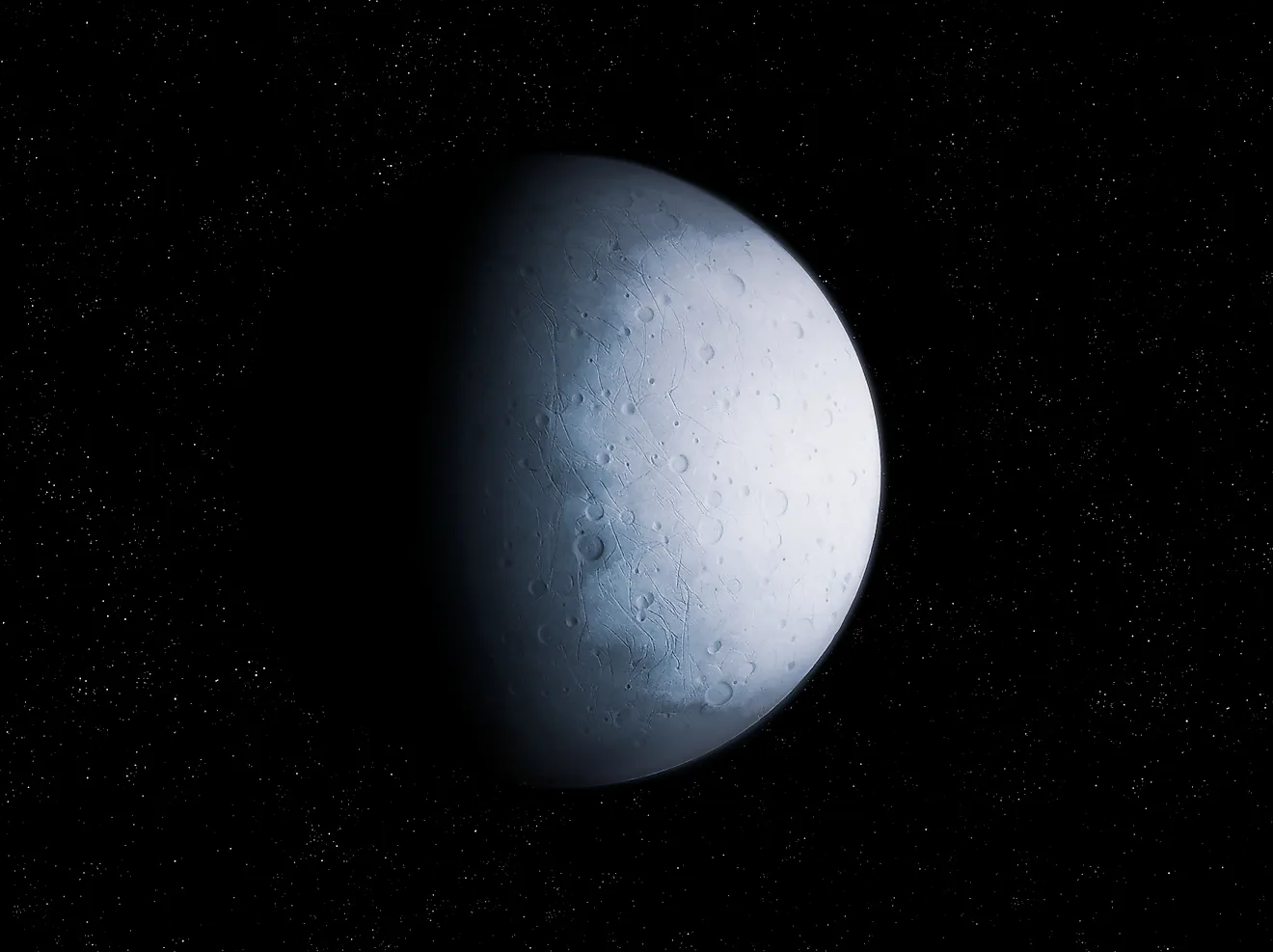
Mercury has the largest core relative to its own size of any planet in the solar system, although it does not have the largest core in absolute volume. Mercury is the closest planet to the Sun and has a radius of 1,516 miles, giving it a diameter slightly more than one-third that of Earth. It's a rocky, solid planet, and like Earth, it has a brittle crust and a semi-molten mantle. However, Mercury's core is massive by comparison. Mercury's core is at least partly liquid and has a radius of about 1,289 miles. This means that 85% of Mercury's radius consists of its metallic core. By comparison, Mars has a core radius of about 1,800 kilometers, accounting for roughly 15% of the planet's volume, with evidence for a solid inner core surrounded by a liquid outer core. No other planet has so much of its volume included in the core. But despite its large core, Mercury's magnetic field is offset and has only 1% the strength of Earth's. Instead of an atmosphere, Mercury only has a thin exosphere made up of oxygen, sodium, hydrogen, helium, and potassium atoms blasted off of it by solar winds and collisions.
Earth, Largest by Volume

Among the four rocky planets, Earth has the largest core by absolute volume. Its iron-and-nickel core extends about 2,162 miles from the planet’s center. It includes a liquid outer core about 1,400 miles thick and a solid inner core with a radius of 759 miles. Altogether, Earth’s core occupies roughly 176 billion cubic kilometers, nearly five times the volume of Mercury’s core. Motion within the liquid outer core also generates Earth’s magnetic field. However, the core reaches only about 55% of Earth’s radius, while Mercury’s reaches about 85%, giving Mercury the proportional record.
Astronomers continue to refine their understanding of planetary cores because these hidden regions reveal how worlds formed and evolved. A core’s composition and physical state can influence a planet’s internal heat, geology, and magnetic field. When conditions permit, a dynamo can generate a magnetic field, though atmospheric evolution and habitability depend on many other factors. The answer to which planet has the largest core depends on the measurement: Earth holds the absolute-volume record among rocky planets, while Mercury holds the proportional record because its core occupies about 85% of its radius.