Which Planet Could You Survive on Longest?
If you were suddenly dropped onto another planet with a spacesuit and a working life-support system, Mars would probably give you the best chance of surviving for an extended period. That does not mean Mars is remotely safe, however. Its atmosphere is far too thin to breathe, temperatures can plunge well below freezing, and surface radiation is much higher than on Earth. Still, Mars has solid ground, comparatively moderate temperatures in some locations, and conditions that future equipment could potentially be designed to withstand. Of all the planets apart from Earth, it would offer the best shot at survival.
Survival On Mars

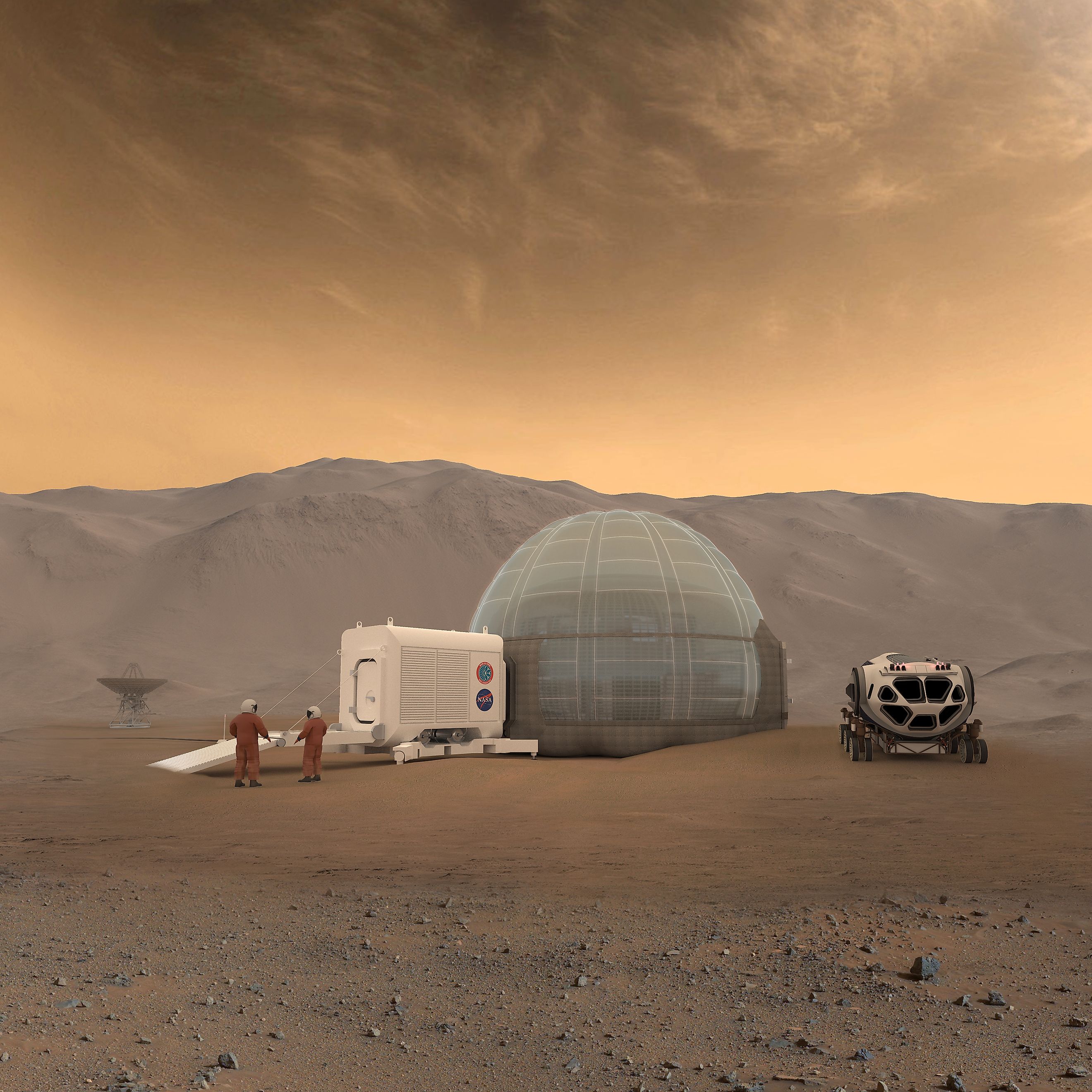
The Red Planet has polar ice, clouds, seasons, and a rocky surface, giving it several features more familiar than those on most other planets. Scientists and space agencies have also studied how humans might one day explore Mars for extended periods. With a properly designed pressurized spacesuit, a person could potentially remain outside on Mars for several hours. Current and proposed spacesuits for spacewalks are generally intended to support astronauts for limited periods, with survival depending on more than just oxygen. A suit must also maintain pressure, remove carbon dioxide, regulate temperature, provide power, and protect the wearer from the surrounding environment.
Without a spacesuit, the situation would become critical within seconds. Mars has less than 1% of Earth's sea-level atmospheric pressure and contains almost no breathable oxygen. A person exposed to such low pressure would likely quickly lose consciousness as blood oxygen levels fell. The low pressure could also cause water in exposed tissues to vaporize, a process known as ebullism. There is no scientifically established exact time at which an unprotected person would die on Mars.
Temperatures can occasionally reach around 20°C (70°F) near the equator during the day, but Mars is generally very cold. Its average surface temperature is roughly -60°C (-80°F), while winter temperatures near the poles can fall to around -153°C (-225°F). Radiation would create another serious challenge. Mars lacks Earth's thick atmosphere and global magnetic field, leaving astronauts exposed to much higher levels of cosmic radiation and energetic particles from the Sun. Dust storms, low pressure, extreme cold, and the need for food, water, power, and radiation shielding mean that long-term survival would require a pressurized habitat and a complete life-support system.
What About Mercury?

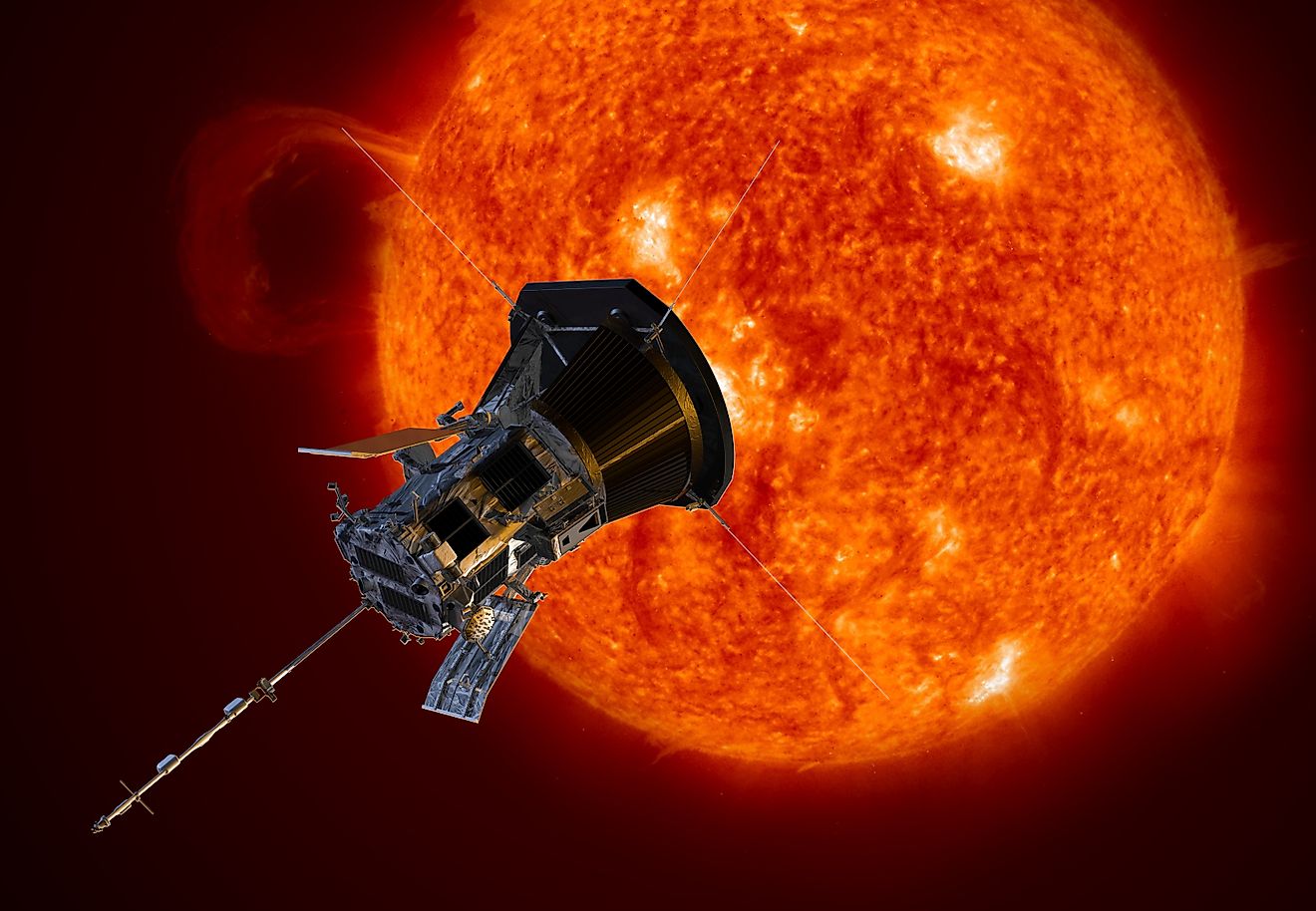
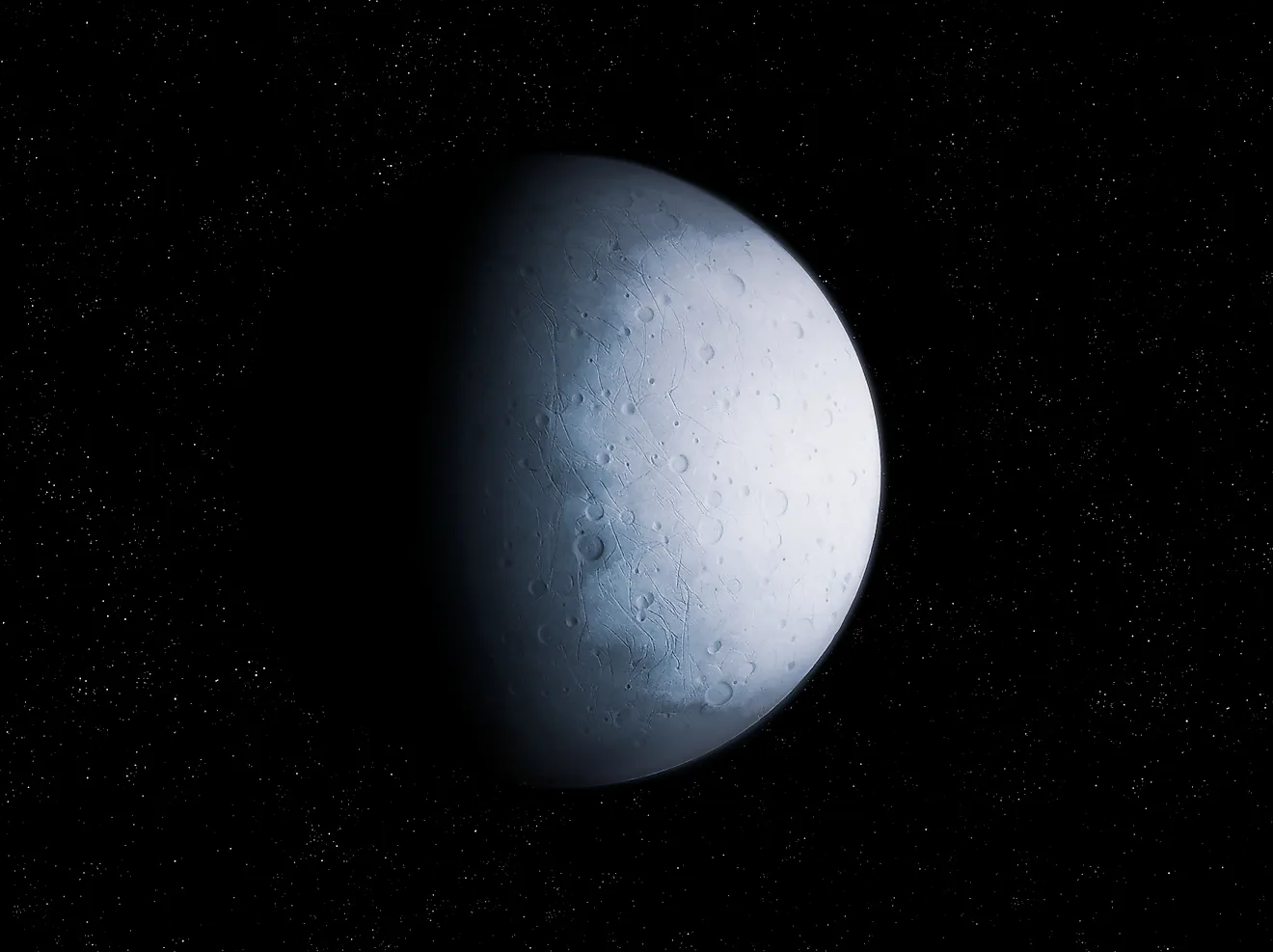
Mercury has no substantial atmosphere. Instead, it is surrounded by an extremely thin exosphere that offers almost no protection from space or the Sun. The lack of a thick atmosphere also means spacecraft cannot rely on aerodynamic drag to slow down during landing and must use other methods, such as propulsion. Mercury experiences some of the most dramatic temperature differences in the solar system. Temperatures on its sunlit side can reach around 430°C (800°F), while nighttime temperatures can fall to approximately -180°C (-290°F).
Without a pressurized suit, a person on Mercury would rapidly lose consciousness because there is no breathable atmosphere and almost no surrounding pressure. A specially designed suit could theoretically provide oxygen, pressure, and thermal protection for limited surface activity, although Mercury's intense sunlight, radiation, and extreme temperature swings would present major engineering challenges. Temperatures near the boundary between day and night may be less extreme than those on either the hottest sunlit surface or the coldest nighttime region. Even there, however, an astronaut would still need full protection from vacuum conditions and solar radiation.
Venus

Venus is similar to Earth in size, but conditions at its surface are far more hostile. It is the hottest planet in the solar system, with an average surface temperature of about 467°C (872°F), hot enough to melt lead. Its atmosphere also creates enormous pressure. Surface pressure is roughly 92 times Earth's at sea level, comparable to the pressure at about 900 meters (3,000 feet) beneath Earth's oceans.
A conventional spacesuit would not be capable of protecting a person on the Venusian surface. It would need to withstand both extraordinary external pressure and extreme heat while continuing to provide breathable air and thermal control. Researchers have sometimes considered the planet's upper atmosphere as a possible location for future exploration because temperatures and pressures become much less extreme high above the surface.
Jupiter

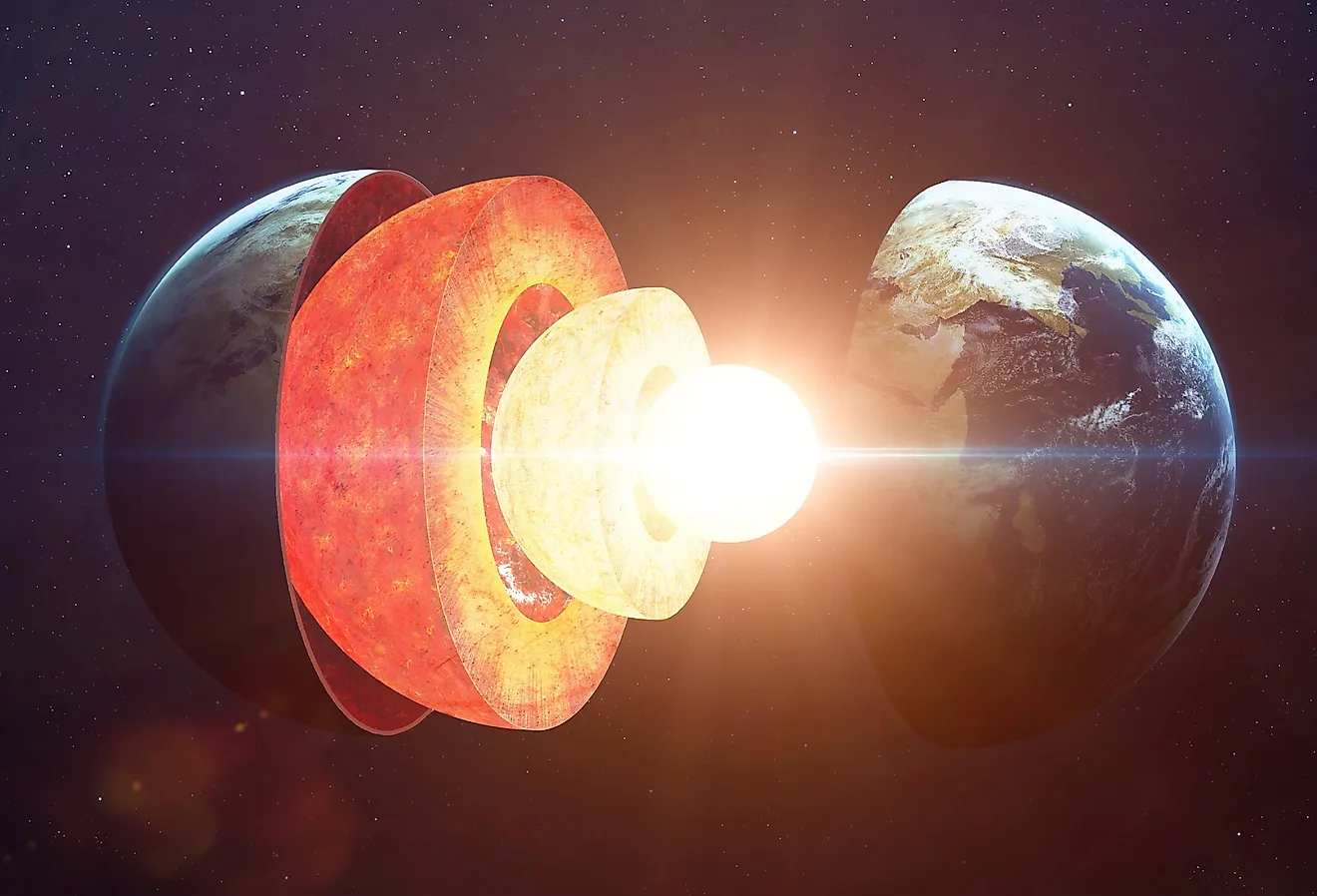
Jupiter is the largest planet in the solar system. The planet consists mostly of hydrogen and helium, with the atmosphere becoming progressively denser and more fluid with depth. There is no rocky ground beneath the clouds where a conventional spacecraft could land. A person descending into Jupiter would first encounter an unbreathable atmosphere and extremely low temperatures in its upper clouds, and pressure and temperature would increase steadily with depth. Hydrogen eventually behaves more like a liquid, and deeper still, it enters an exotic metallic state under immense pressure.
Jupiter also has extremely powerful radiation belts that would pose a major hazard to unshielded astronauts and spacecraft. Deep inside the planet, pressure and temperature would eventually destroy any conventional vehicle or protective system. Temperatures near Jupiter's centre are thought to reach around 24,000°C (43,000°F), hotter than the visible surface of the Sun.
Saturn

Saturn, like Jupiter, has no true solid surface. It consists largely of hydrogen and helium, with gases becoming denser and gradually transitioning to fluid deeper inside the planet. An astronaut entering Saturn's atmosphere would face an unbreathable environment, intense winds, and steadily increasing pressure. Winds in parts of the upper atmosphere can reach around 500 meters per second (1,600 feet per second). Some of Saturn's storms also produce powerful lightning. Observations by the Cassini spacecraft found that some Saturnian lightning discharges produced radio signals far stronger than those associated with typical thunderstorms on Earth.
The upper atmosphere is extremely cold, with temperatures around -140°C (-220°F) at the reference pressure level. Temperatures then increase with depth. Models indicate that Saturn's deep interior reaches many thousands of degrees, and rising pressure and heat would eventually crush and destroy any conventional spacecraft.
Uranus
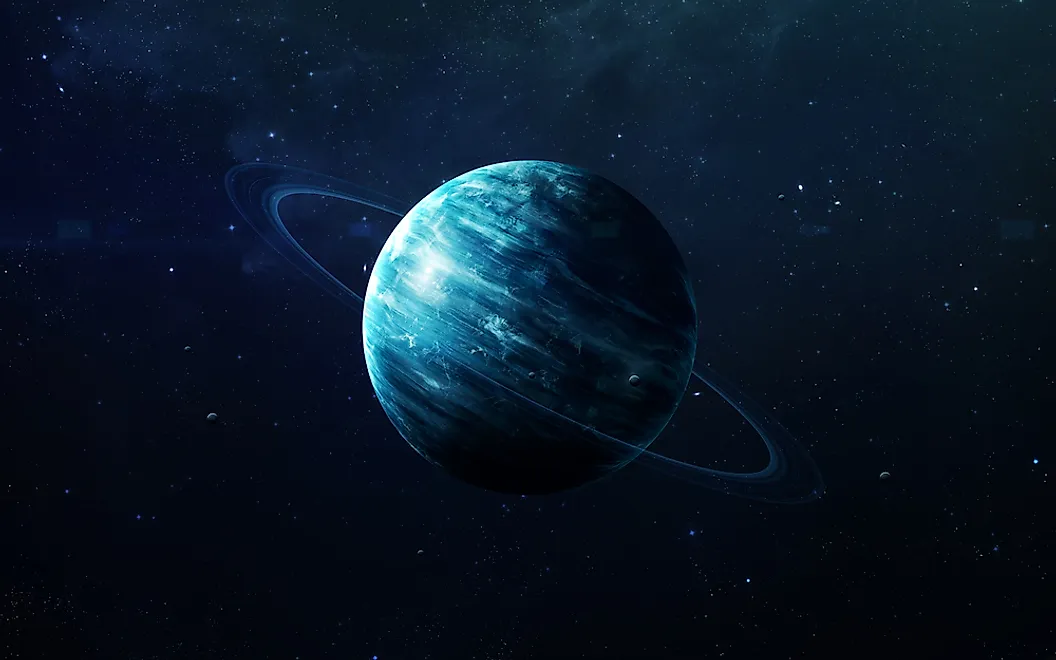
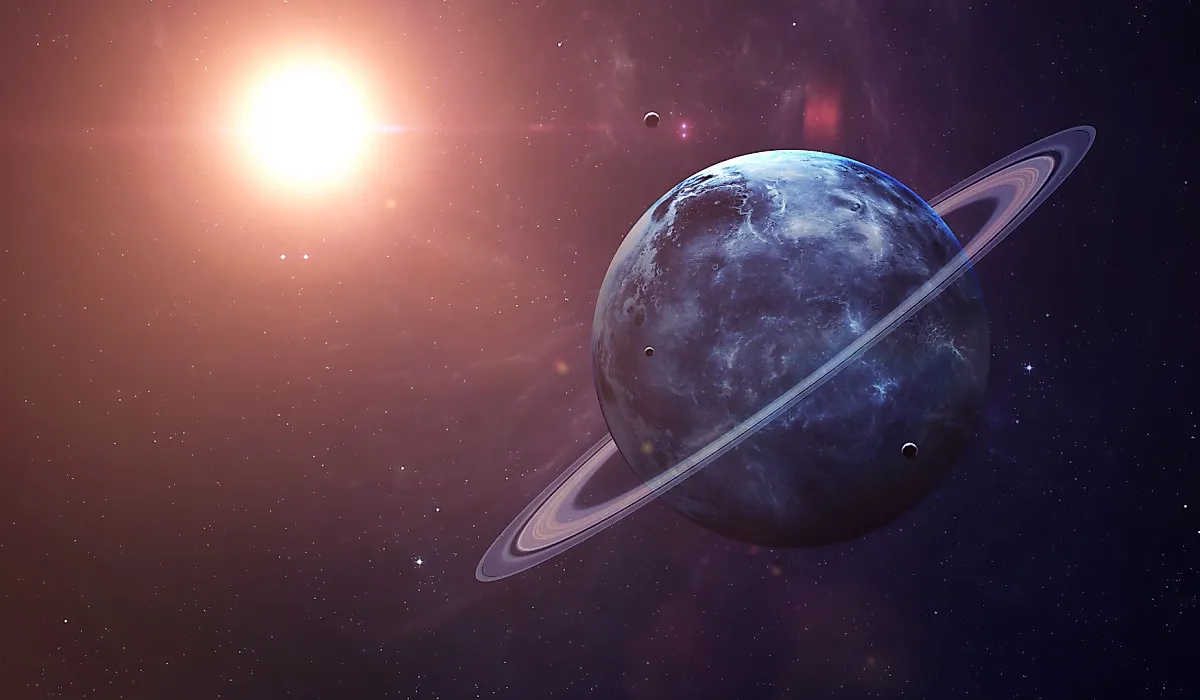
Uranus is an ice giant with an atmosphere composed mostly of hydrogen and helium, along with methane. There is no breathable oxygen and no true solid surface on which a person could stand. Temperatures in the atmosphere can fall below -195°C (-320°F), making Uranus one of the coldest planets in the solar system. Winds can reach around 900 km/h (560 mph).
An astronaut descending into Uranus would face an unbreathable atmosphere followed by steadily increasing pressure and temperature. Deep inside the planet, temperatures rise dramatically. Models suggest temperatures near the core may reach around 4,982°C (9,000°F). Long before reaching those depths, extreme pressure and heat would destroy equipment designed for ordinary space travel.
Neptune
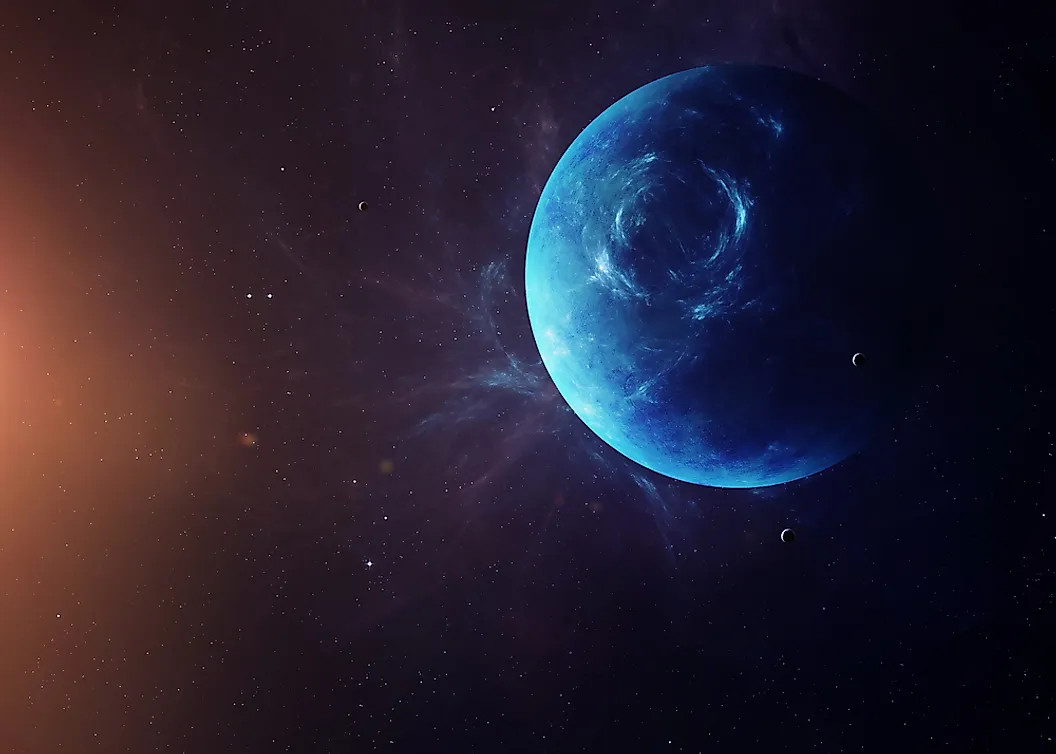
Neptune is another ice giant with no true solid surface. Its atmosphere consists mostly of hydrogen and helium with methane, and temperatures in the upper atmosphere can fall to around -200°C (-330°F). Neptune also has the fastest known planetary winds in the solar system. Some winds exceed 2,000 km/h (1,200 mph), creating an exceptionally violent atmospheric environment.
Scientists have also investigated an unusual phenomenon that may occur deep inside Neptune and Uranus. Laboratory experiments suggest that under the enormous pressures and temperatures thought to exist inside these planets, carbon-rich material may form diamonds. Those diamonds could then sink deeper into the planet in a process sometimes called diamond rain. The details remain an active area of research.
Which Planet Could You Survive on the Longest?
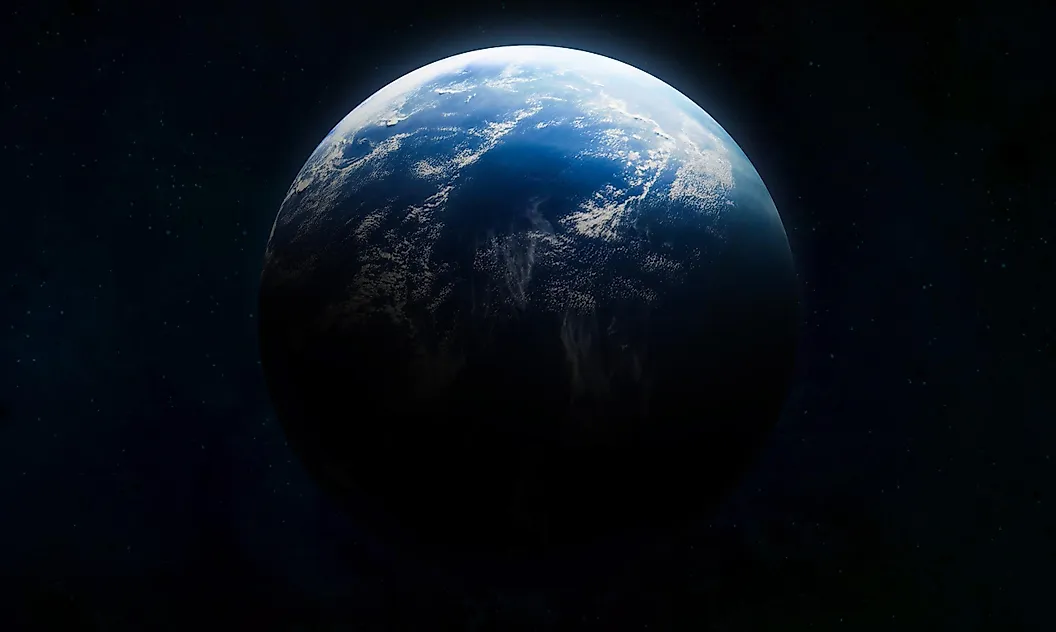
Earth remains the only planet known to support humans on its surface without artificial life-support systems. Among the other planets, Mars is the most plausible destination for extended human surface exploration. It has solid ground and occasional daytime temperatures that are relatively moderate compared with the extremes found elsewhere. Even so, an astronaut would need a pressurized spacesuit for outdoor work and a protected habitat for longer stays.
Oxygen alone would not be enough. Mars also presents severe cold, low atmospheric pressure, radiation, dust, and limited access to essential resources. Future missions may eventually allow humans to remain there for extended periods, but doing so would require carefully engineered habitats, reliable life-support systems, and substantial protection from the Martian environment.