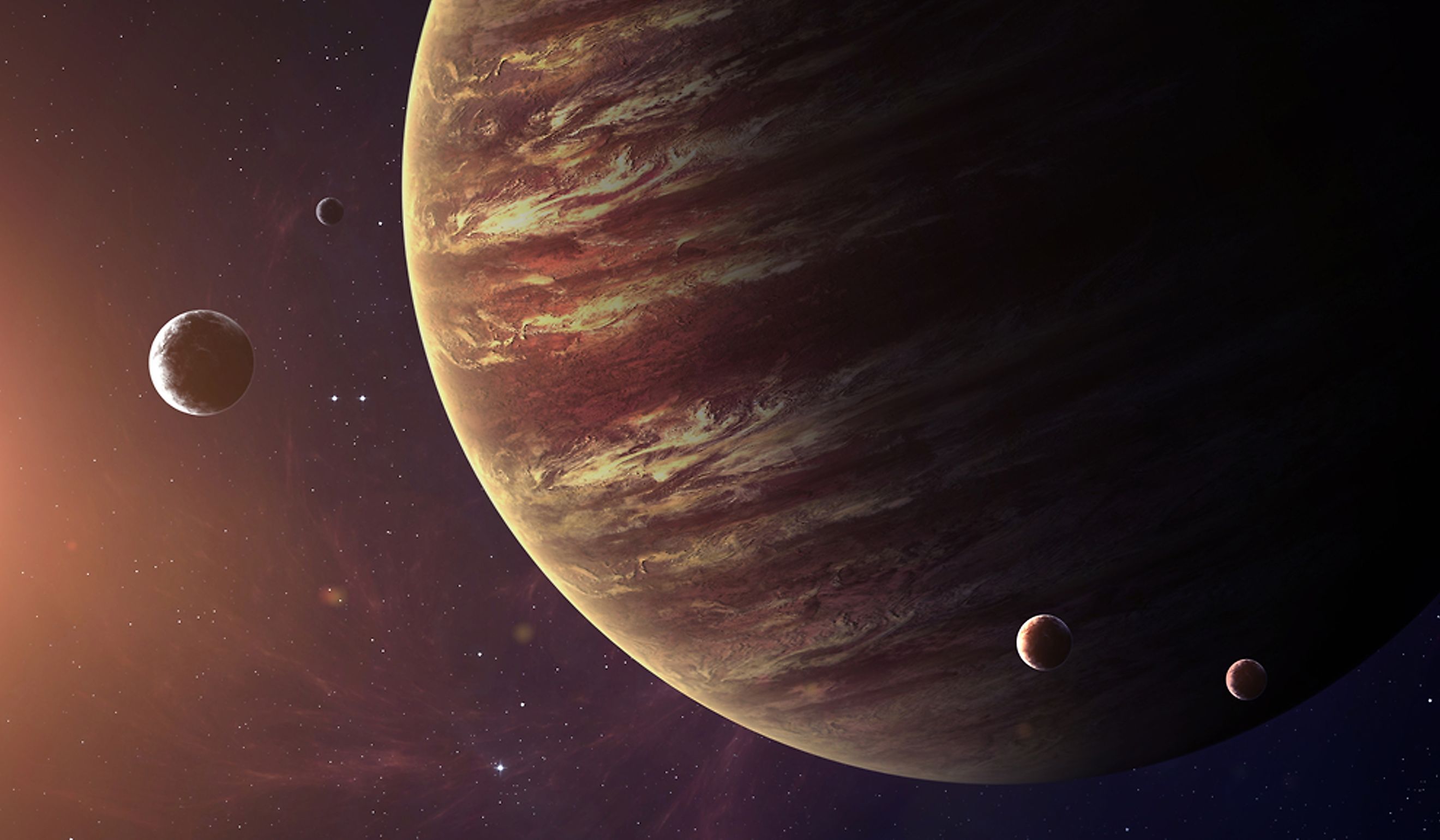
What Is The Largest Object In The Solar System After The Sun?
Jupiter is the largest planet in our Solar System and the largest object in the Solar System after the Sun. It is so huge that, if the planet were hollow, you could fit more than 1,300 Earths inside it. In fact, all the other planets in the Solar System could comfortably fit inside Jupiter. Jupiter aptly takes its name from the king of the gods in Roman mythology, who also happens to be the god of the sky and thunder. The fifth planet from the Sun is an ancient, extreme world. Jupiter is thought to be among the oldest planets in the Solar System, formed from gas and dust left over from the Sun's formation.
Jupiter Is The Largest Object After The Sun

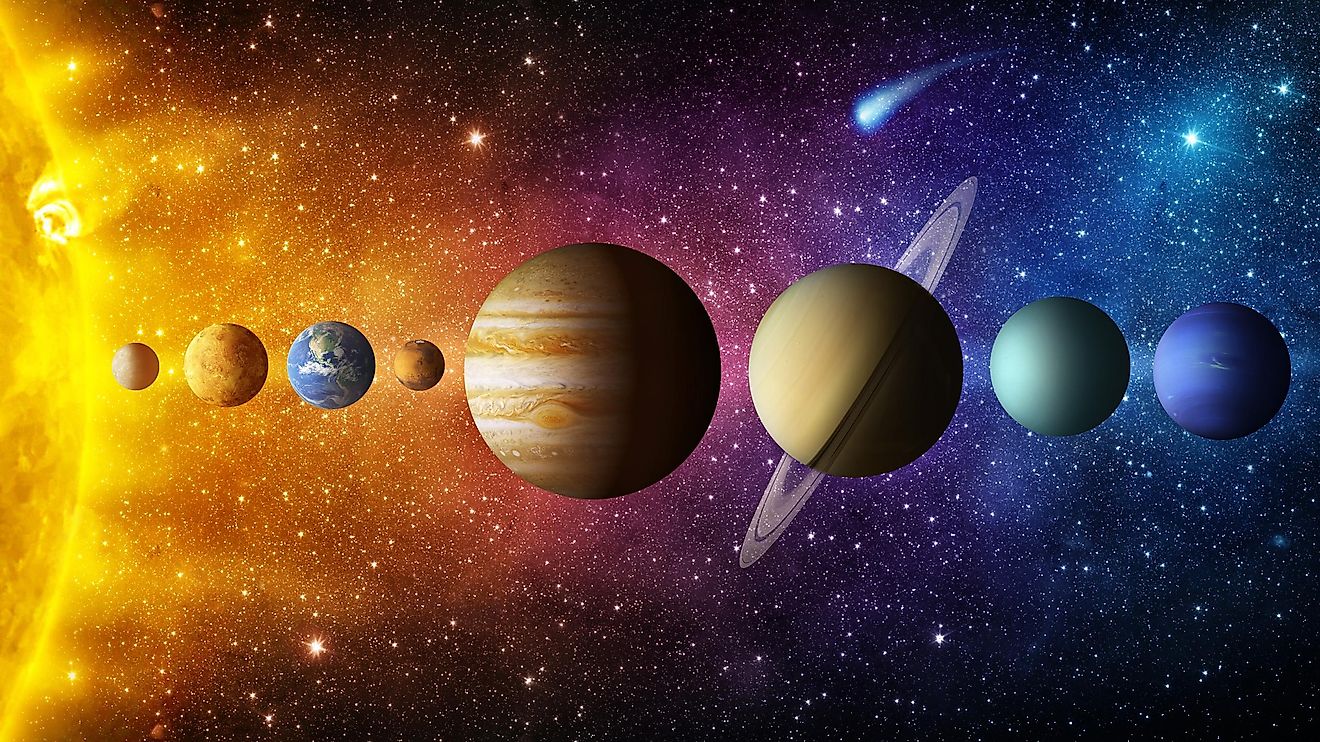
Jupiter is the largest planet in the Solar System and, after the Sun, the largest object. Jupiter is about 11 times wider than Earth, with an equatorial diameter of approximately 142,983 kilometers (88,846 miles), compared to Earth's 12,756 kilometers (7,926 miles).
Jupiter actually contains most of the planetary mass in the Solar System and is more than twice as massive as all the other planets in the Solar System combined. Jupiter is so large that its gravity dominates a vast region of space around it. It also has a huge collection of moons, including Ganymede, which is larger than Mercury.
It may be the biggest planet in the solar system, but Jupiter also has the fastest rotation. One day on Jupiter is just 9.9 hours on Earth.
Why Is Jupiter So Massive?

Jupiter formed in the colder outer Solar System, where there was abundant material available to build a giant planet. Because it became so massive, it was able to capture and retain enormous amounts of hydrogen and helium. Like the Sun, Jupiter is mostly made of hydrogen and helium, meaning it preserves some of the ingredients left over from the Solar System's formation.
We don't fully know how Jupiter formed. The Solar System formed from a flat disk of gas and dust, with the Sun forming at the center. It's thought that the planets formed as material further out in the disk collided and gradually stuck together, with their growing gravity drawing in more material.
The leading theory is that Jupiter began with a large core made from rock and ice, which then became massive enough to pull in huge amounts of gas from the surrounding disk. Another possibility is that a large section of the disk collapsed directly under its own gravity to form the planet. Scientists still don't have a definitive answer.
While Jupiter is the largest planet in our Solar System, it is much smaller than many of the planets in the wider universe.
The Great Red Spot Is Bigger Than Earth

When we look at Jupiter, what we are really seeing are the tops of its clouds. These form a series of moving stripes known as belts (which are darker) and zones (which are lighter) that move in opposite directions to each other in Jupiter's atmosphere. These are fairly consistent, but the shape and color changes do change.
One of Jupiter's most iconic features is the Great Red Spot, a huge, reddish, oval-shaped storm in the planet's southern hemisphere.
The Great Red Spot is actually bigger than Earth, though its exact size keeps changing. The storm has been shrinking for well over a century and is now roughly 14,000 kilometers (about 8,700 miles) across, still wider than Earth's own diameter of about 12,756 kilometers (7,926 miles). Astronomers have tracked the Great Red Spot continuously since at least the late 1800s, and a possible, though disputed, sighting may go back as far as 1665.
Winds inside the storm can reach up to around 680 km/h (420 mph) at its outer edges. For context, the highest sustained surface wind gust ever recorded on Earth was 408 km/h (253 mph), measured on Barrow Island, Australia, during Tropical Cyclone Olivia in 1996.
Jupiter Has Its Own Miniature Solar System

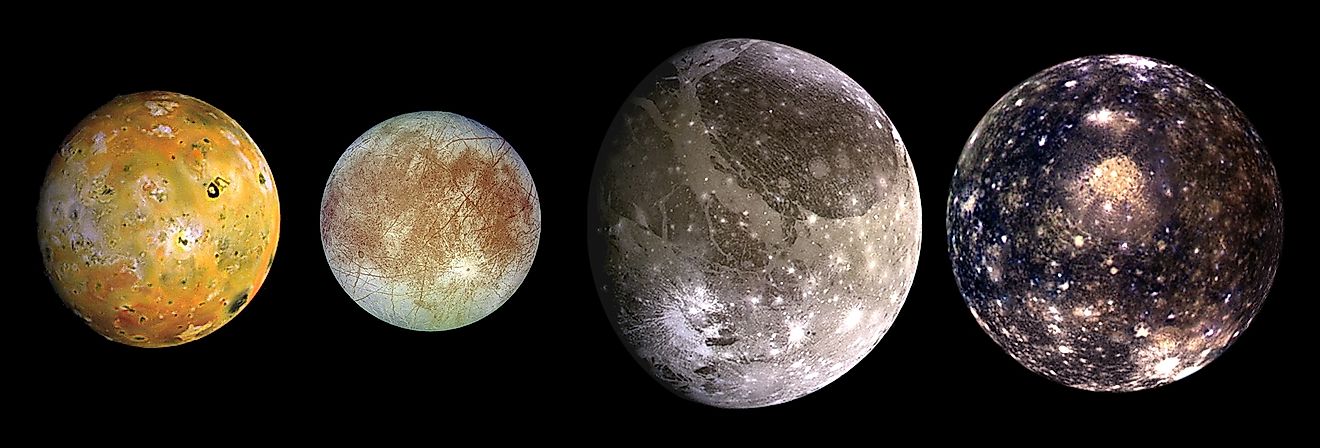
Jupiter's enormous gravity has allowed it to gather 115 recognized moons, but there are thousands of small objects orbiting the gas giant. Of these, the most famous are Io, Europa, Ganymede, and Callisto. These large moons are something of a miniature solar system in their own right.
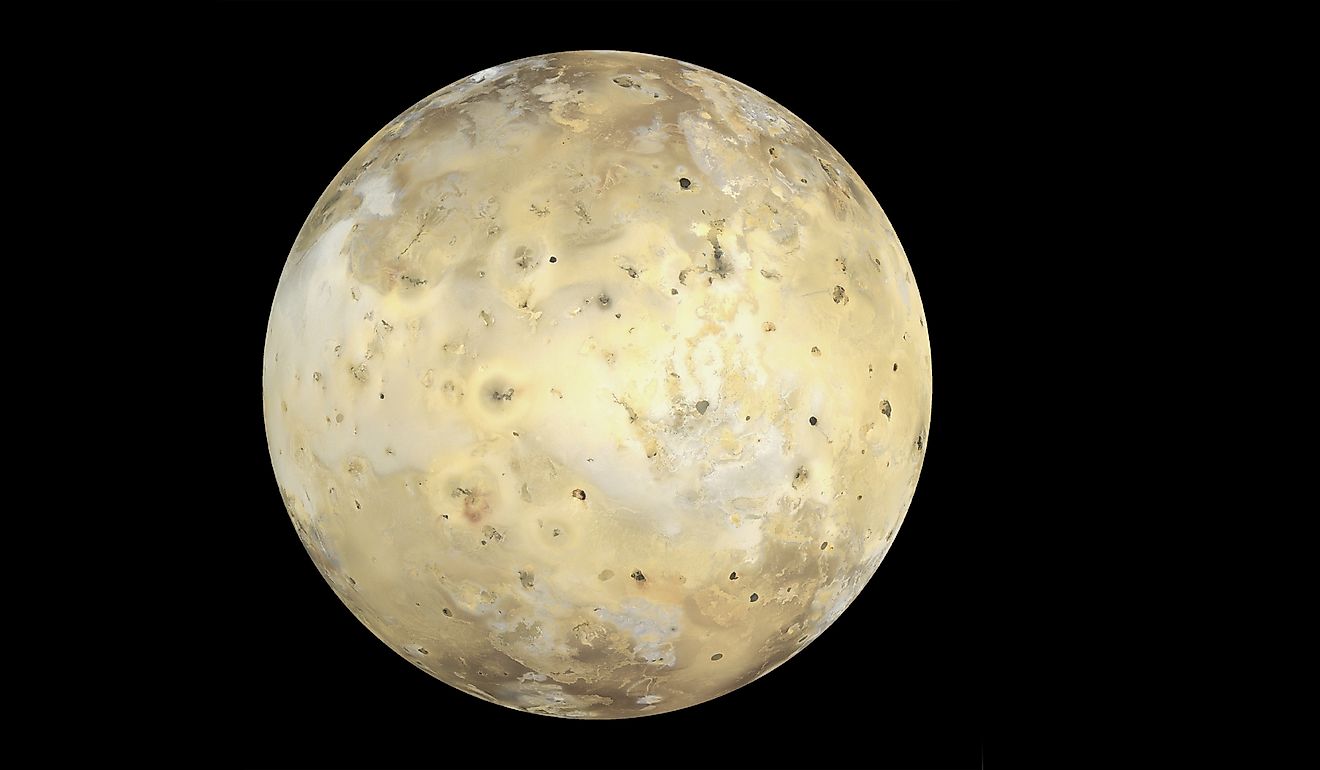
Ganymede is larger than Mercury. Europa and Callisto both have icy surfaces that probably cover huge oceans that could potentially support life. Io is covered in active volcanoes and is the most volcanically active world known in the Solar System.
While Saturn is famous for its rings, Jupiter also has a few fainter rings. These are called the Halo Ring, Main Ring, and Gossamer Rings.
A Planet With No Ground To Stand On

If you landed on Jupiter, there would be nowhere to land your spacecraft.
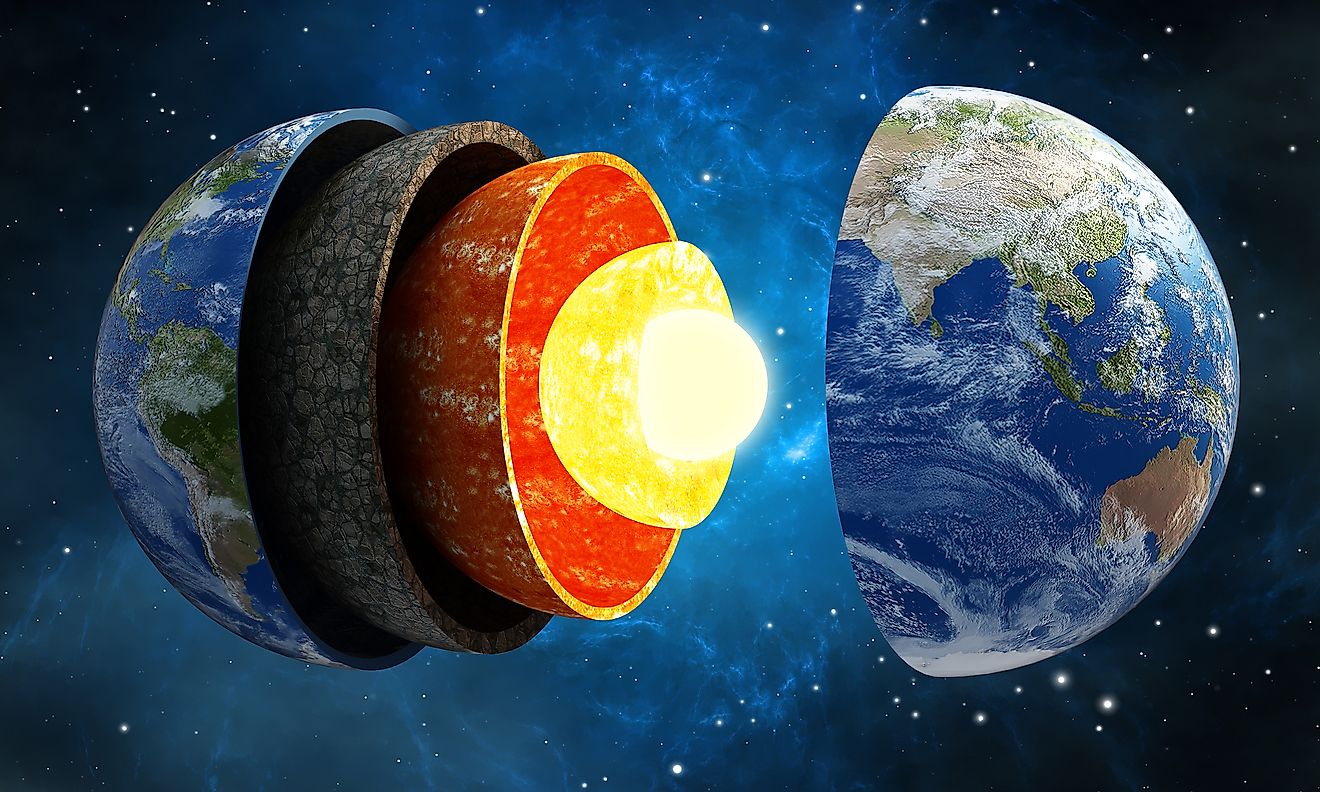
Unlike Earth, Jupiter does not have a solid surface. The planet is a gas giant made mostly of hydrogen and helium, alongside other materials. The gas gets thicker and hotter as you travel deeper, eventually becoming a liquid.
Jupiter has liquid metallic hydrogen deep inside, which can conduct electricity like a metal. It is thought to be extremely hot, potentially reaching temperatures hotter than the surface of the Sun.
Could Humans Survive On Jupiter?

No, humans could not survive on Jupiter unless they had some very advanced equipment.
There is no solid ground, the atmosphere contains no breathable air, the gravity is much stronger than Earth's, the winds are violent, and the atmosphere would crush you as you descended into the gas giant. Temperatures range from a chilly -256°F (-160°C) to a burning 1832°F (1,000°C), neither of which is particularly bearable for human beings. Jupiter also has intense belts of radiation, which would kill you pretty quickly.
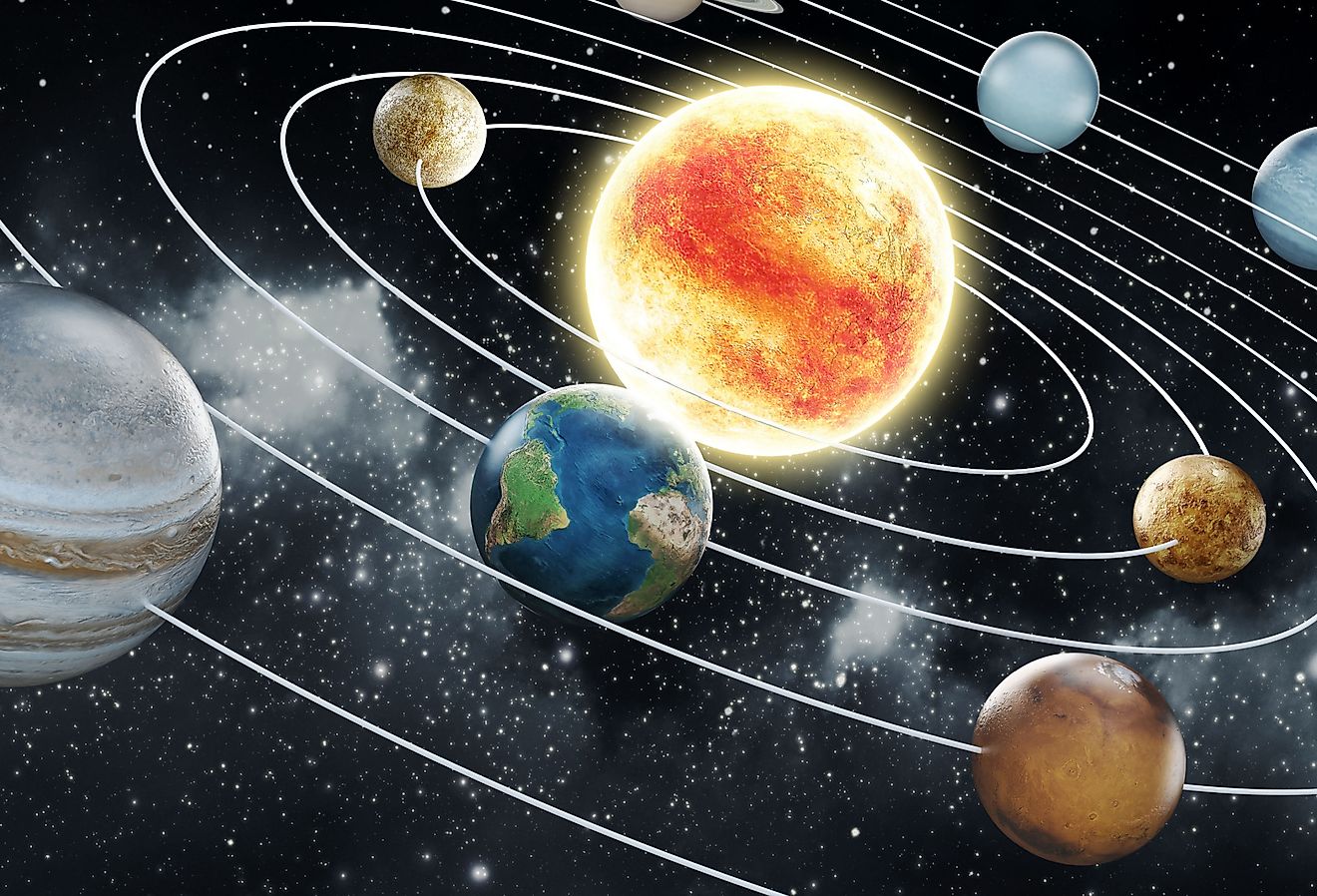
Reaching Jupiter would be a challenge in itself. The planet orbits an average of about 484 million miles (778 million kilometers) from the Sun, roughly five times farther from the Sun than Earth. Sunlight takes about 43 minutes to travel from the Sun to Jupiter.
Traveling to Jupiter is not that straightforward, either. If you tried to reach Jupiter in a straight line when its orbit is furthest from Earth's, that journey would involve going through the Sun. The fastest spacecraft to reach Jupiter from Earth was New Horizons, which took just 405 days, but it was flying past Jupiter rather than entering orbit around it.
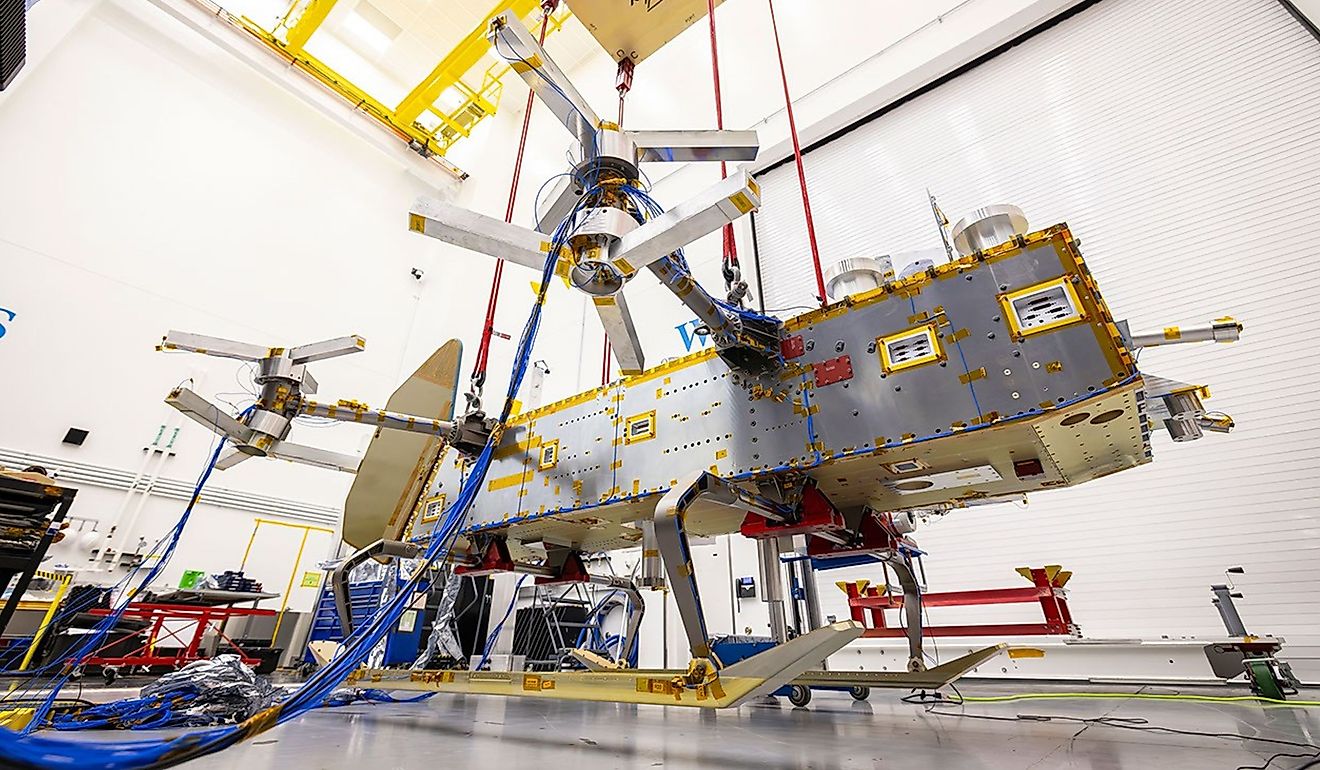
Spacecraft designed to orbit Jupiter take much longer. The Galileo mission took around 2,241 days to reach Jupiter, while Europa Clipper, which is helping us create a fuller picture of Jupiter's moon Europa and determine whether it has conditions suitable for life, is expected to take over 5 years.
Despite not being the best place for an interplanetary holiday, Jupiter does seem to contain one of the necessary ingredients for life: water. Jupiter appears to have huge, bright lightning storms emanating from its clouds, and NASA's Juno spacecraft found that near the equator, around one out of every 400 molecules in Jupiter's atmosphere is a water molecule. Water is one of the fundamental ingredients needed for life as we know it, but Jupiter is also a very inhospitable planet for any life form we could currently imagine, so it is considered an unlikely place for life.
Whether there is any form of life on Jupiter is very debatable, but the planet may have played a role in shaping the conditions for life on Earth. It may have influenced the movement of water-rich objects into the inner Solar System, and it may have altered the orbits of asteroids and other small bodies over billions of years.
The Largest Object After The Sun
Jupiter is the undisputed largest object in the Solar System after the Sun and by far the largest of our neighboring planets. It is 11 times wider than Earth, roughly 318 times as massive, and large enough to hold more than 1,300 Earths inside it.
Beneath its cloud tops is an environment of crushing pressure and extreme heat, while its atmosphere contains enormous storms, powerful winds, and flashes of lightning. Surrounding the planet is a vast system of moons and rings, including some that may hide oceans beneath their icy surfaces. Jupiter is an extreme, deadly, and fascinating planet that we still don't fully understand.