Which Planet Would Float On Water?
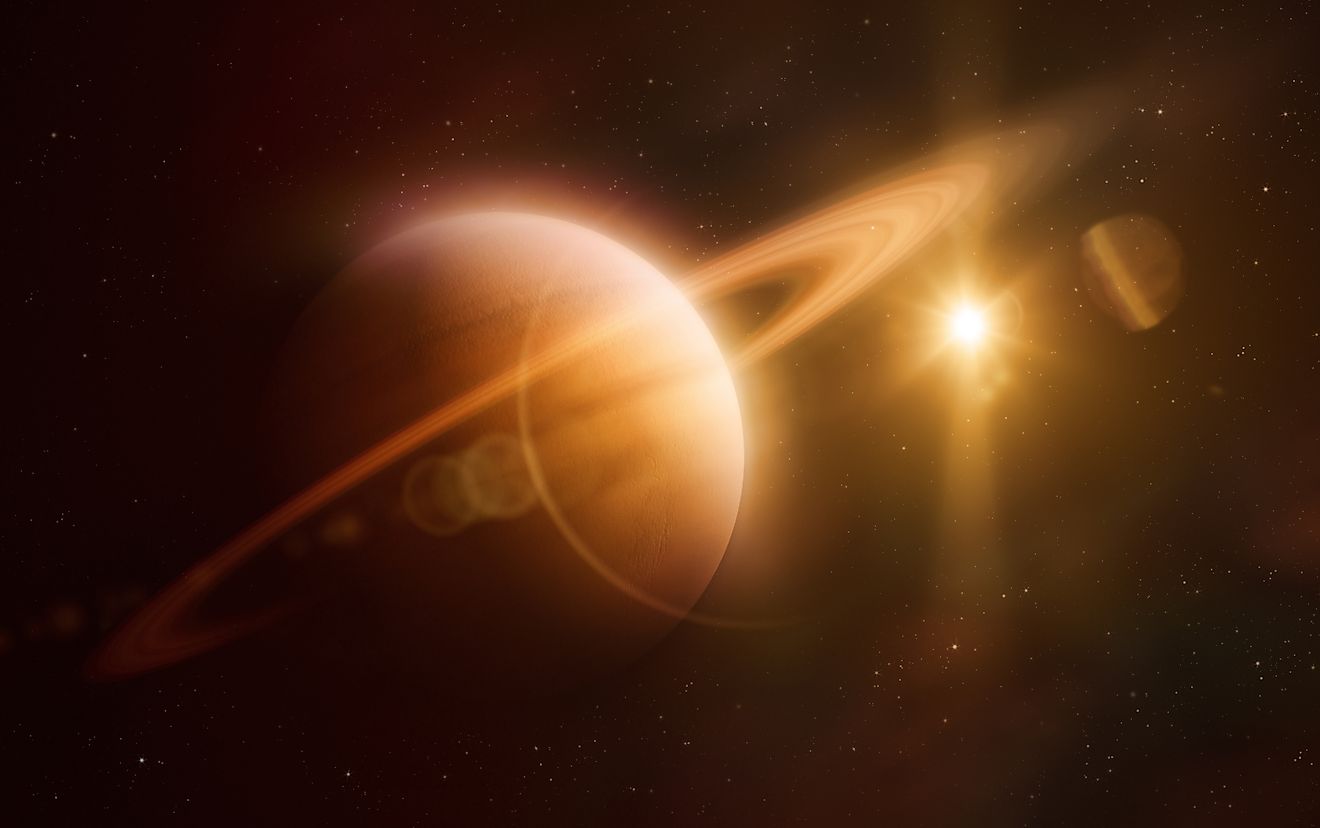
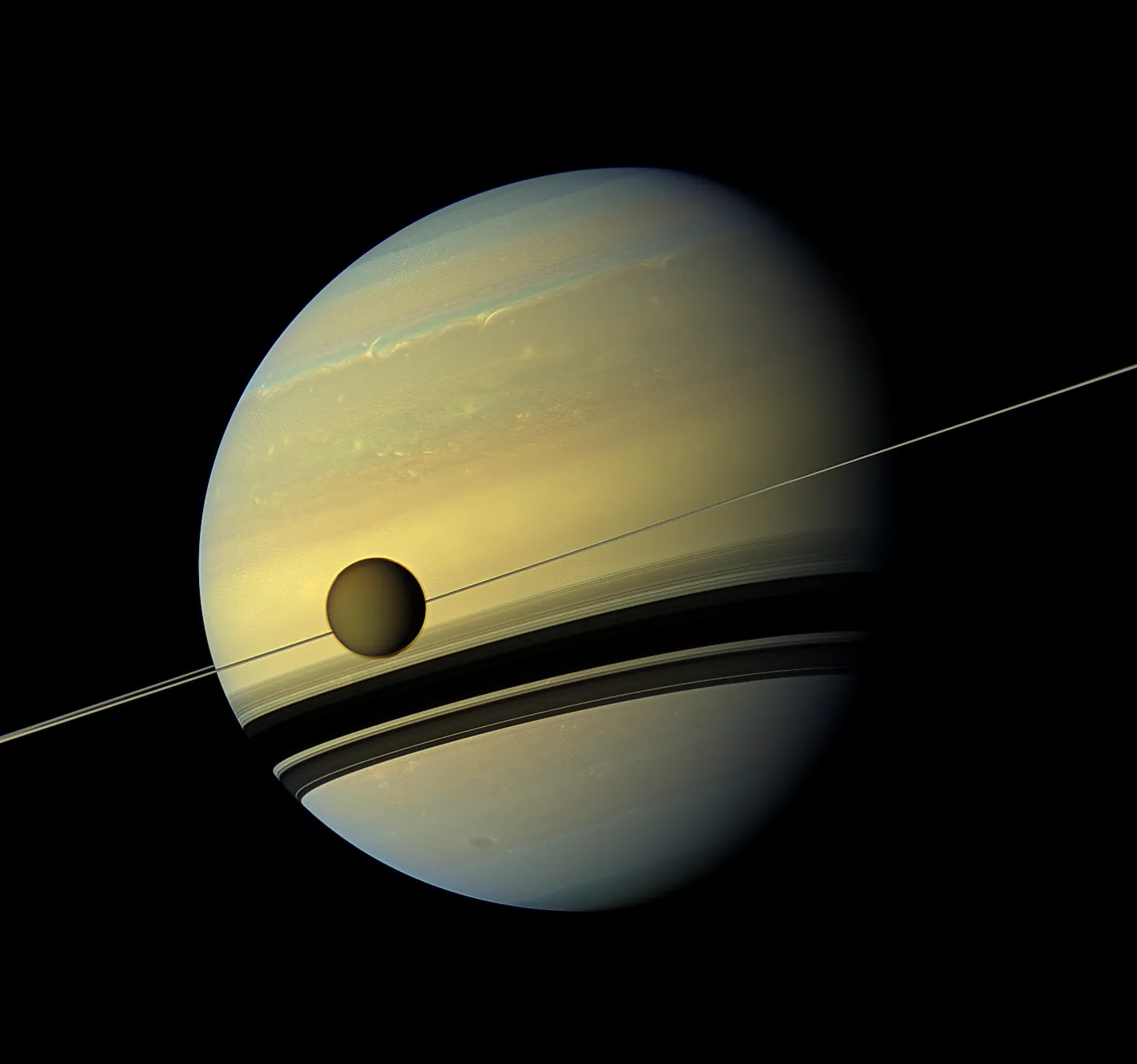
Imagine lowering a world nearly 75,000 miles wide, rings and all, into an impossibly large ocean and watching it remain at the surface. Theoretically, that would be possible with Saturn. Despite being about 95 times as massive as Earth, it is the only planet in the solar system that could theoretically float. At two-thirds the density of water, size doesn't matter. With a big enough bathtub, you could float Saturn.
Density Determines Whether Something Floats

Whether something floats depends largely on density, which is a measure of how much mass is packed into a given volume. A chunk of wood can float even though it may weigh hundreds of pounds because its average density is lower than that of the water around it. A much smaller chunk of iron sinks because its material is more tightly packed. The planet stretches about 74,900 miles across its equator, making it roughly nine times wider than Earth. If Earth were the size of a nickel, NASA compares Saturn to a volleyball. Yet much of that enormous volume consists of hydrogen and helium, the two lightest elements. The result is a world with an average density lower than water.
That density isn't uniform, however. Material becomes increasingly compressed toward its center. Deep inside the planet, pressures become so intense that hydrogen behaves as a liquid and eventually takes on a strange metallic form capable of conducting electricity.
The Surface Of Saturn

Saturn does not have a true surface. A person descending into the planet would initially encounter an atmosphere dominated by hydrogen and helium. Continuing downward would bring steadily rising pressure and temperature as the gas became thicker and eventually transitioned into fluid. There would never be a moment when your feet suddenly hit solid ground.
A spacecraft would fare no better. NASA says the conditions deep inside Saturn would eventually crush, melt, and vaporize a vehicle attempting to descend through the planet. Even before reaching those depths, Saturn would be a violent place to visit. Winds near its equator can reach about 1,100 mph, several times faster than the strongest hurricane winds measured on Earth. At the north pole, a bizarre six-sided weather pattern stretches roughly 20,000 miles across, wide enough to span more than two Earths placed side by side.
Could It Really Float?

While the thought experiment is fun, you won't be seeing a MrBeast video titled "I Put Saturn In A Giant Bathtub" any time soon. An ocean capable of holding Saturn would have to be larger than a planet that is already roughly 75,000 miles across. More importantly, Saturn is not a rigid sphere with a hard shell. Its outer layers are gas, while deeper layers behave increasingly like fluids under enormous pressure.
Putting such a planet into water would create physical conditions nothing like those in an ordinary swimming pool. Saturn's own gravity would affect the water, and immense pressures would change the behavior and density of both materials. If Saturn could somehow be treated as one intact object and placed into an unimaginably large body of ordinary water, its average density is low enough that buoyancy says it should float. NASA itself uses essentially the same bathtub comparison when explaining the planet.
Why Can't Jupiter Float Then Too?

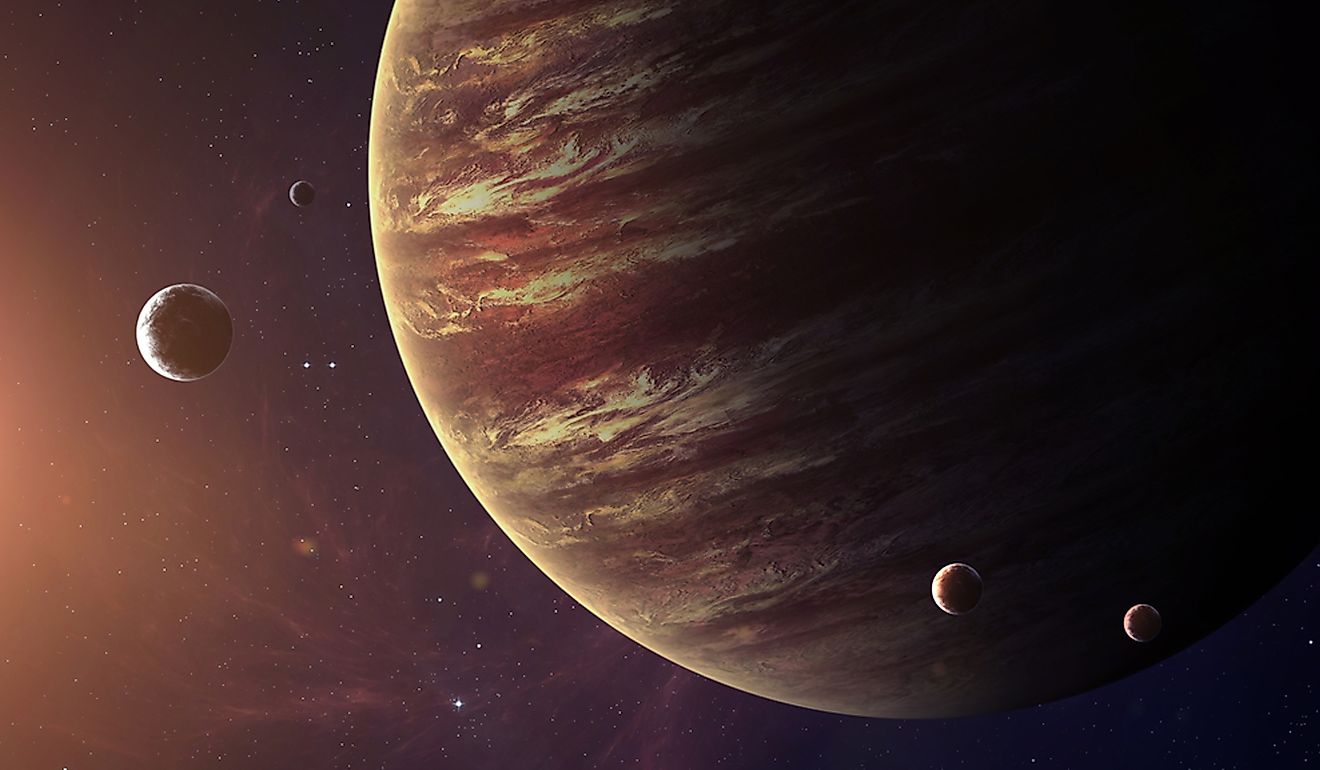
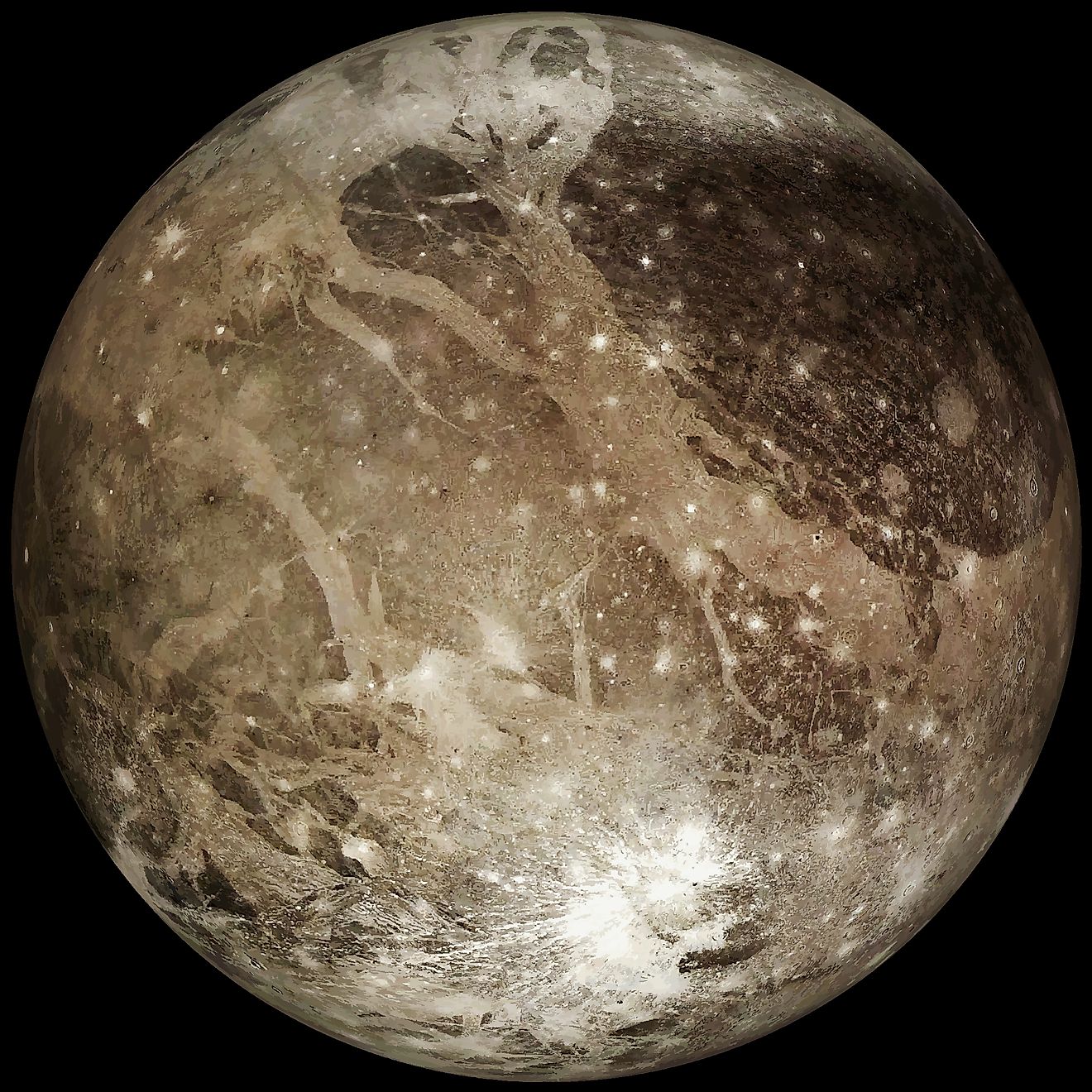
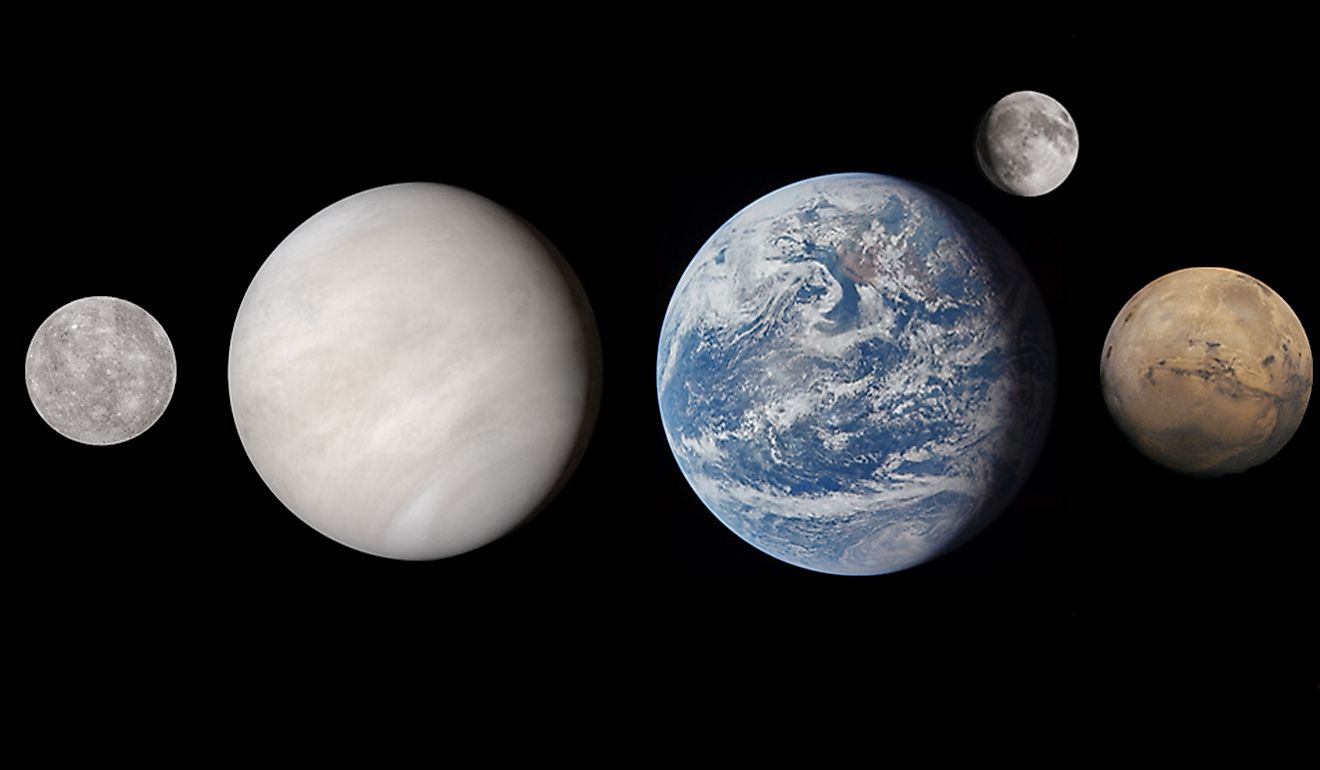
At first, you might assume that Jupiter would float too. Like Saturn, Jupiter is a gas giant made mostly of hydrogen and helium, and it is also the largest planet in our solar system. Its average density is greater than that of water because Jupiter packs far more mass into its interior. The planet contains more than twice as much mass as all the other planets combined. Deep below the clouds, hydrogen is squeezed into liquid and eventually into electrically conducting metallic hydrogen. Jupiter's stronger gravity packs its material more tightly, increasing the planet's average density.
What About Uranus?

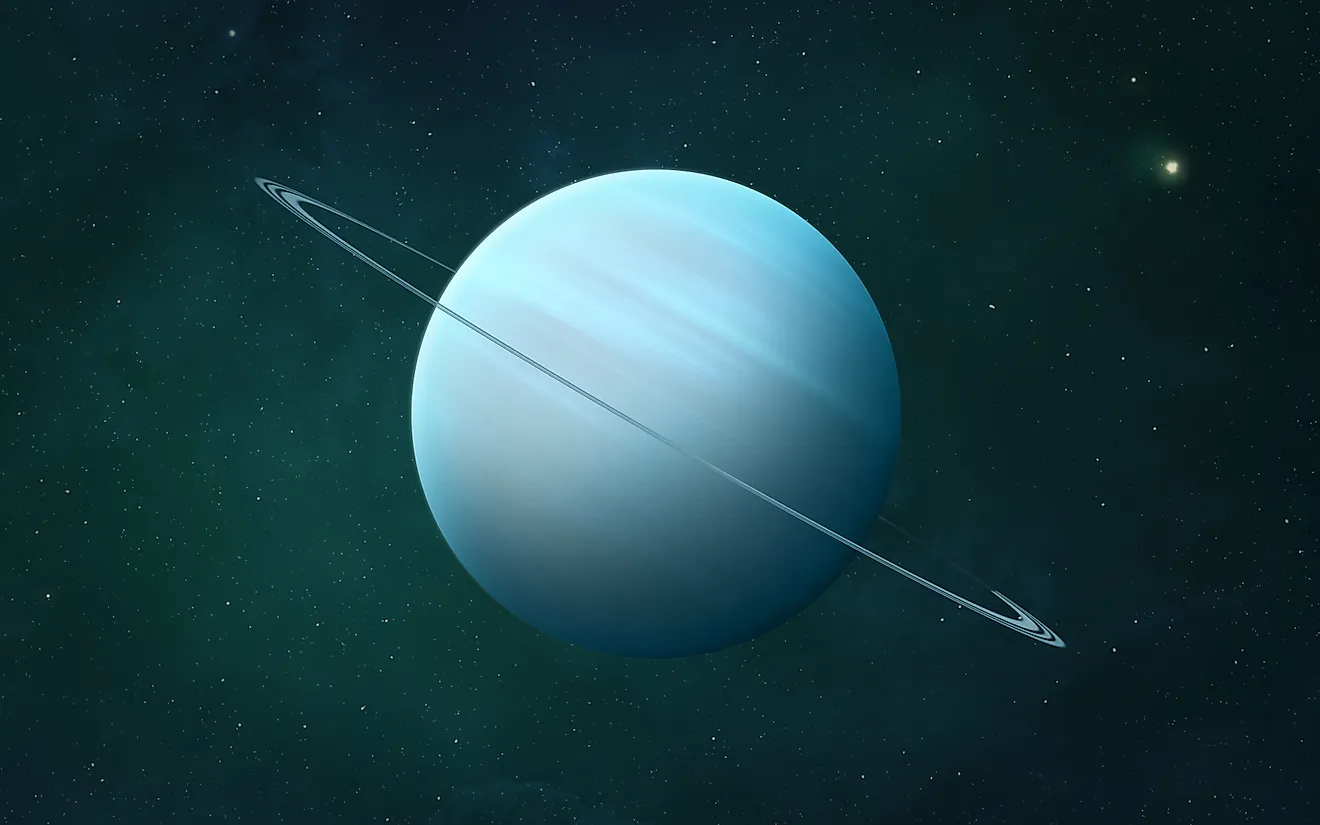
Uranus is different because it rotates on its side, and it is an ice giant, while Saturn and Jupiter are gas giants. The word "ice" can be a little confusing here. It does not mean a frozen planet. Scientists use it to describe the water, ammonia, and methane found inside. Uranus has a rocky center, but so does Saturn. The difference is the much larger share of heavy material packed around it, which makes Uranus the denser of the two.
A Massive Lightweight
Saturn's ability to float sounds almost impossible. After all, this planet is more than nine times wider than Earth, surrounded by enormous rings, and held together by powerful gravity. The secret lies inside. Hydrogen and helium, two of the lightest elements, give the planet an unusually low average density. So Saturn's floating trick is really a lesson in looking beyond appearances. In space, being bigger doesn't always mean being heavier or denser. Saturn may look like a massive heavyweight, but when its ingredients are taken into account, it turns out to be the solar system's surprising lightweight.