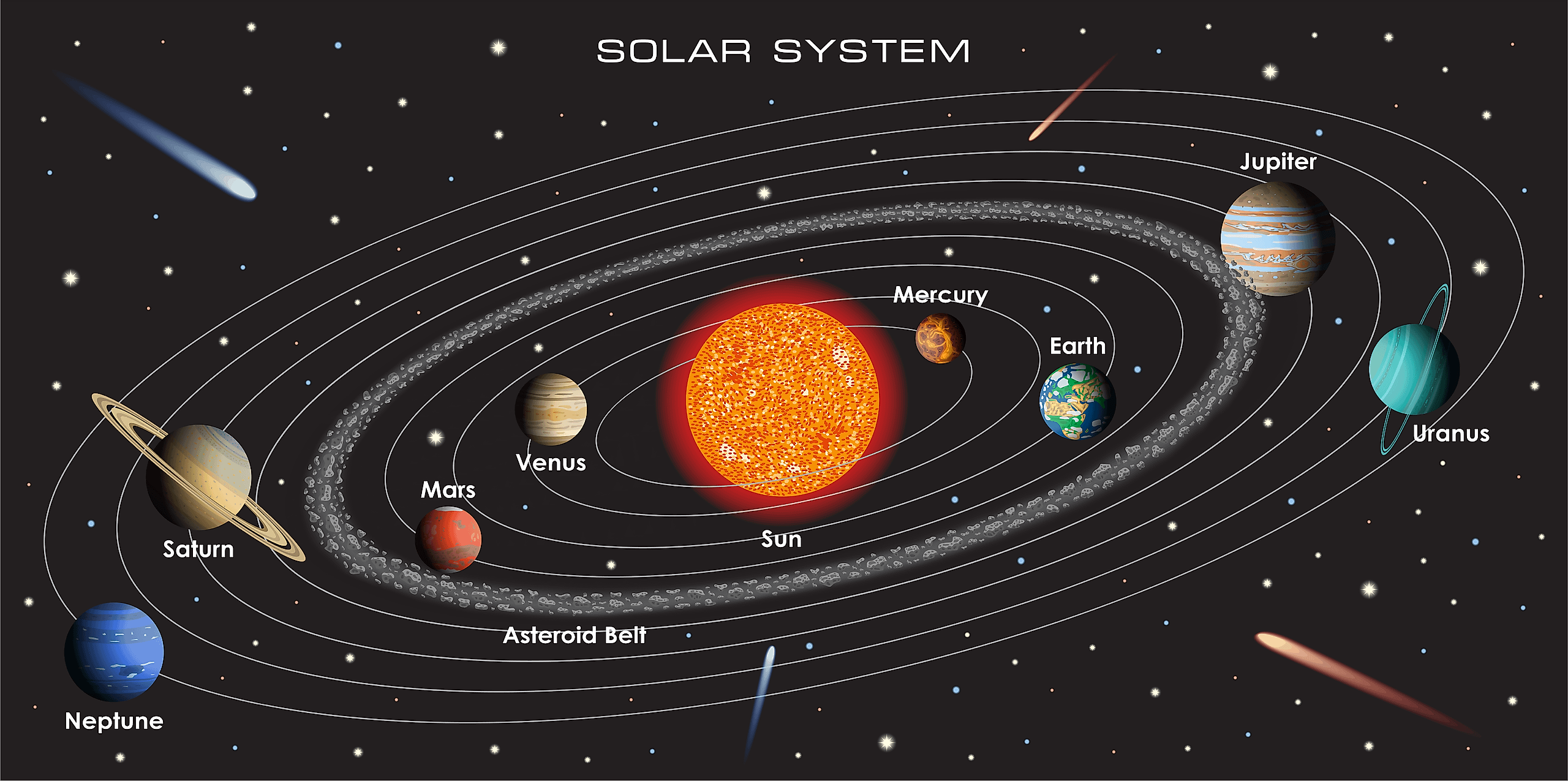
Which Planet Has The Longest Night?
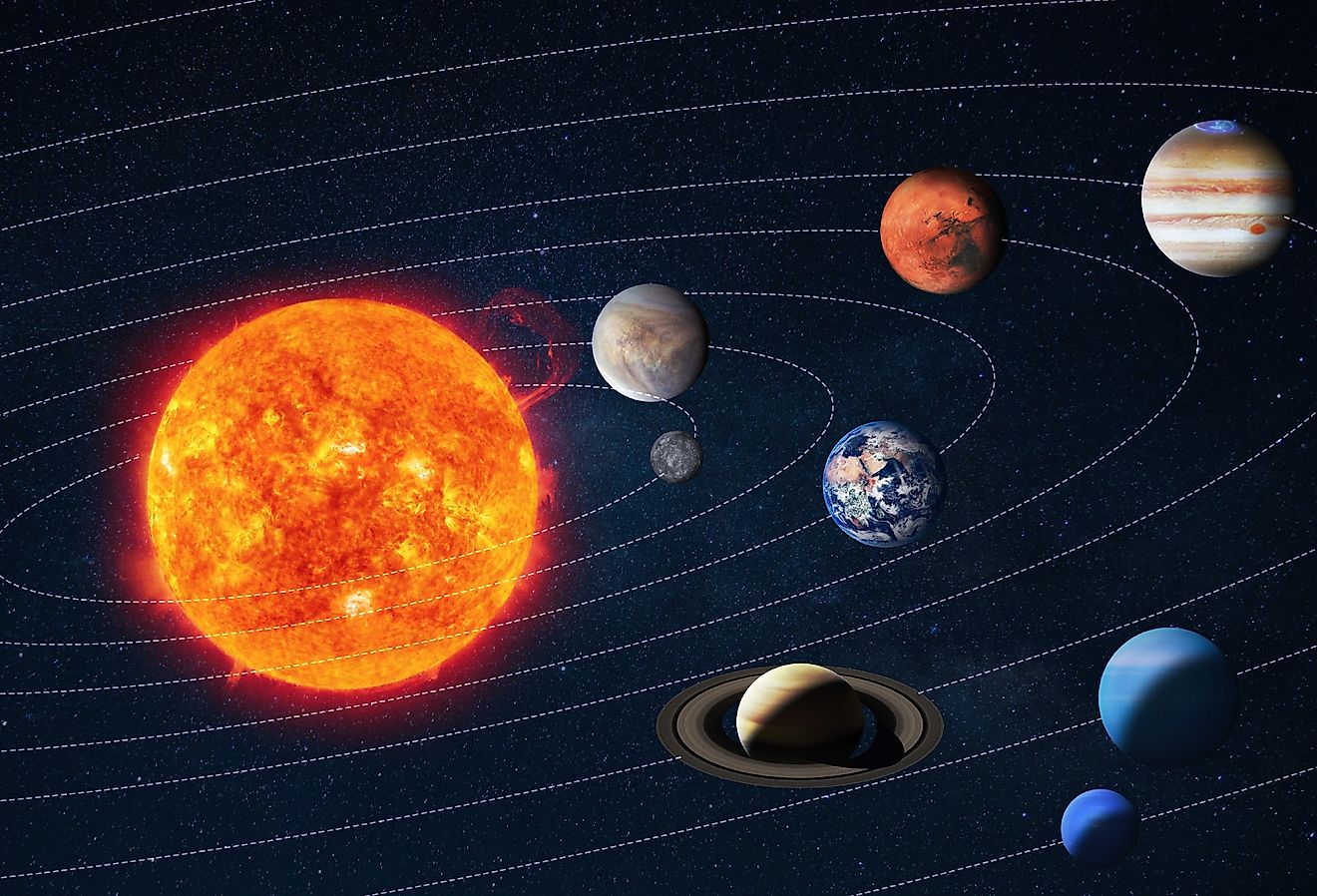
Imagine a night that goes on for months or even years. In Longyearbyen, Norway, the sun stays below the horizon from mid-November until late January, a true polar night of about two and a half months. Several other places near Earth's poles experience this seemingly everlasting darkness. Polar nights occur because Earth's axis is tilted at 23.44 degrees. On our planet, even the longest polar nights eventually end. Elsewhere in the vastness of our solar system, however, darkness can last for months, years, or even decades. This raises the question: which planet experiences the longest periods of darkness? The answer depends on whether the darkness is seasonal or part of a single day-night cycle.
Uranus: Longest Continuous Seasonal Darkness

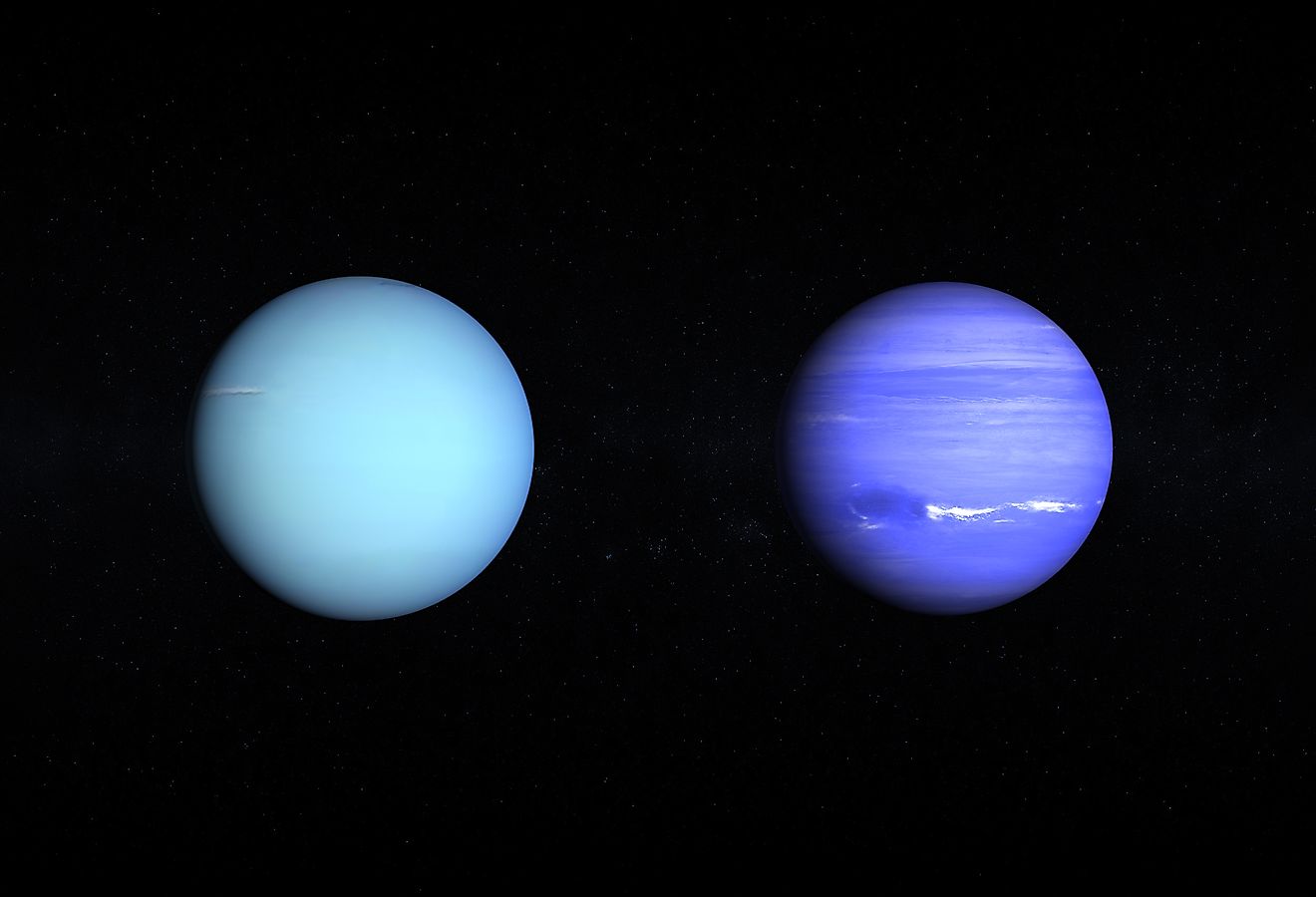
Uranus is considered an ice giant and was the first planet discovered with a telescope. Originally, it was thought to be a comet or a star, but once it was realized to be a planet, it was named after the Greek God of the sky.
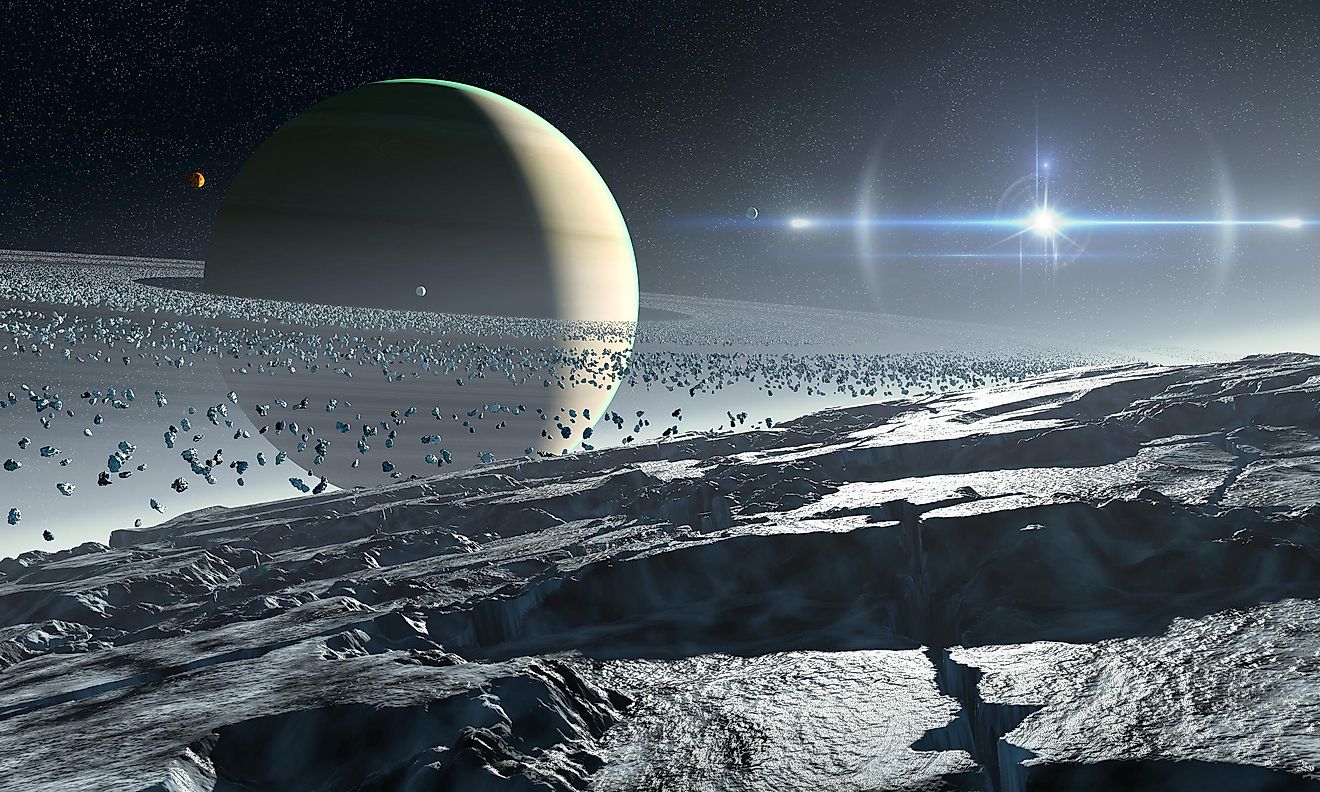
In comparison to Earth, when it comes to its days and nights, Uranus is an incredibly strange world. This is because, while Earth spins on a slightly tilted axis, Uranus's axis is almost completely sideways at 98 degrees. In fact, due to its extreme axial tilt, Uranus is unique among the planets because it effectively rotates on its side as it orbits the Sun.
Due to its distance from the Sun, Uranus' year is 84 Earth years, meaning its seasons last about 21 years. Near each pole, Uranus experiences decades of continuous daylight followed by decades of darkness. It is therefore considered the planet with the longest continuous seasonal darkness.
Voyager 2 to Uranus

The knowledge we have of Uranus' seasons is all thanks to Voyager 2. Voyager 2 is the only spacecraft to have flown past Uranus and taken images of it. During its 1986 flyby, Voyager 2 made humanity's only close-up observations of Uranus, revealing details about its atmosphere, rings, and moons. Voyager 2 studied the planet from November 4, 1985, and its closest approach was on January 24, 1986.
Not only did Voyager 2 learn about the seasonal night-and-day cycles of Uranus, but it also discovered 10 new moons orbiting the planet and 2 new rings. Its data also contributed to models suggesting Uranus may contain a deep, hot, water-rich interior beneath its atmosphere.
NASA continues to study concepts for a Uranus Orbiter and Probe, although no mission has yet been approved for launch. Only time will tell, but scientists are still eager to learn more about Uranus. In doing so, they may learn much more about its prolonged night skies.
Venus: A Long Regular Night in a Day-Night Cycle

Despite being one of the brightest objects in our night sky, Venus is also a world of very long nights. Unlike Uranus, whose extreme periods of darkness are driven by its seasons, Venus experiences remarkably little seasonal change because its axis is tilted by only about 2.64 degrees. Its long nights instead come from its rotation, the slowest of any planet in the solar system.
Venus turns once on its axis every 243 Earth days, longer than the roughly 225 Earth days it needs to orbit the Sun. Because the planet also travels along its orbit while it spins, the interval from one sunrise to the next works out to about 117 Earth days, and a single night lasts roughly 58 Earth days. Venus is also unique among the planets because it rotates in the opposite direction to most of them, causing the Sun to rise in the west and set in the east. The longest regular night of any planet, however, belongs to Mercury. Its 3-to-2 spin-orbit rhythm stretches one sunrise-to-sunrise cycle to about 176 Earth days, leaving each night roughly 88 Earth days long.
Spacecraft Missions to Venus

Scientists know as much as they do about Venus thanks to several spacecraft explorations, the first being Mariner 2. Mariner 2 was launched on August 27, 1962, at Cape Canaveral, Florida, and was the first successful planetary science mission. The craft obtained data from Venus, which quickly led scientists to realize how inhospitable the planet was.
Mariner 10 was launched a little over ten years later, after Mariner 2, on November 3, 1973. While it was the first spacecraft sent to study Mercury, it also studied Venus. On February 5, 1974, Mariner 10 returned detailed ultraviolet images of Venus, revealing atmospheric cloud patterns and the planet's day-night boundary in unprecedented detail. By the end of its mission, the spacecraft captured thousands of images, including detailed photographs of Venus, before continuing to Mercury.
Long Nights
Uranus and Venus reach their long nights by opposite routes. Uranus lies almost on its side, so each pole faces roughly 21 years of continuous darkness across its 84-year orbit. Venus sits nearly upright but rotates so slowly that a single night runs about 58 Earth days. Mercury, with its 176-day day-night cycle, holds the record for the longest regular night at roughly 88 Earth days. Earth escapes these extremes because of its moderate tilt and quick rotation, which is why, outside the polar circles, darkness here is measured in hours rather than months or years.