Which Planet Has the Longest Day?
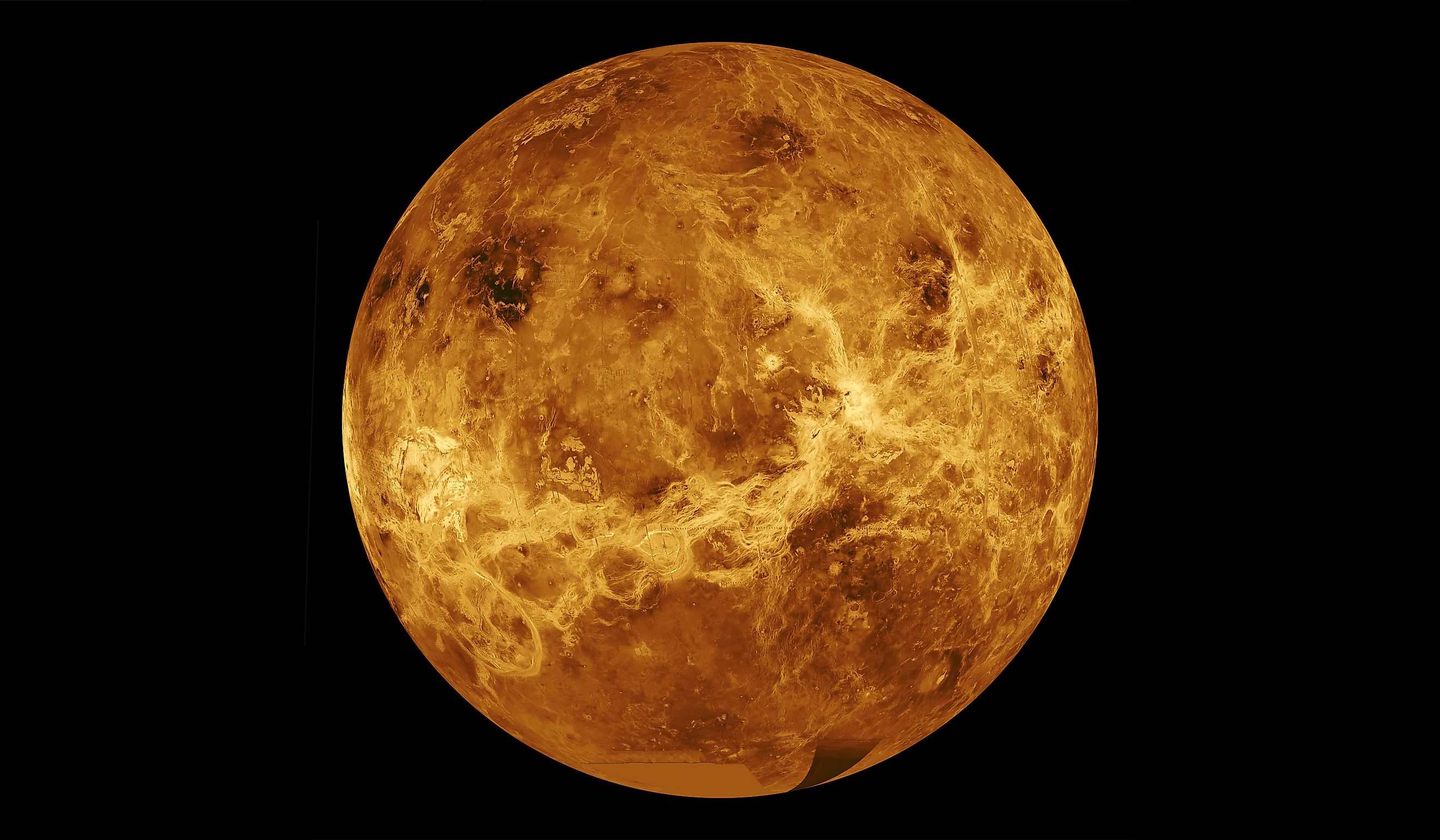
Venus has the longest day of any planet in our Solar System. One complete rotation on its axis (which is known as a sidereal day) lasts around 243 Earth days. Surprisingly, a day on Venus lasts longer than a Venusian year, which is just 225 Earth days long. Although Venus is often called Earth's twin because of its similar size and internal structure, the surface of Venus looks a lot like many people's version of hell. Venus has an extremely dense atmosphere, and the atmospheric pressure (the weight of the air pushing us down) at its surface is around 92 times greater than on Earth.
Venus at a Glance

Venus is the second planet from the Sun and one of the four rocky terrestrial planets. It has a diameter of 7,521 miles (12,104 kilometers), making it only slightly smaller than Earth, which has a diameter of 7,918 miles (12,742 kilometers). Gravity on Venus is about 10% weaker than Earth's.
The atmosphere is mostly made of carbon dioxide and is covered by thick clouds of sulphuric acid. Surface temperatures average around 465°C (869°F), making Venus hotter than Mercury, despite Mercury being closer to the Sun. Unlike Mercury, Venus's thick atmosphere traps heat, so temperatures remain almost the same across the entire planet, with very little seasonal variation.
Venus has no internally generated global magnetic field and no Earth-like plate tectonics. The planet is covered by around 85,000 volcanoes, some of which may still be active today.
Venus's Geological History

Venus's surface is surprisingly smooth, with far fewer impact craters than you would expect for a planet of its age. One possible explanation is that a global resurfacing event (or a series of resurfacing events) occurred hundreds of millions of years ago, erasing much of the evidence of its earlier geological history. This has made it much more difficult for scientists to understand what Venus was like in the distant past.
It is possible that Venus was once a much more hospitable world, with oceans comparable in size to those on Earth. Venus lies near the inner edge of the Sun's "Goldilocks zone" (the region where temperatures may allow liquid water to exist under the right conditions), making it possible that the planet was once habitable.
In 2020, scientists reported the possible detection of phosphine in Venus's atmosphere, a molecule that on Earth is primarily produced by anaerobic microorganisms. The discovery sparked speculation about whether microbial life could exist on Venus. The findings remain controversial, and there is currently no clear scientific consensus on whether phosphine is present or what might be producing it.
What Is a Day?

There are two ways to measure the length of a day on a planet:
- Sidereal day: The time it takes a planet to complete one full rotation on its axis.
- Solar day: The time between one sunrise and the next.
When people say that a day on Venus lasts 243 Earth days, they are referring to its sidereal day. A solar day on Venus (the time from one sunrise to the next) lasts about 117 Earth days.
Why Does Venus Have the Longest Day in the Solar System?

Venus rotates more slowly than any other planet in the Solar System. While it takes Venus 243 Earth days to complete one rotation, it only takes 225 Earth days to orbit the Sun.
Because Venus rotates backward, the Sun appears to move across its sky in the opposite direction from what we experience on Earth, rising in the west and setting in the east. At the planet's equator, the surface rotates at only about 6.5 kilometers per hour, making it the slowest-spinning planet in the Solar System.
What Would It Be Like to Live on Venus?

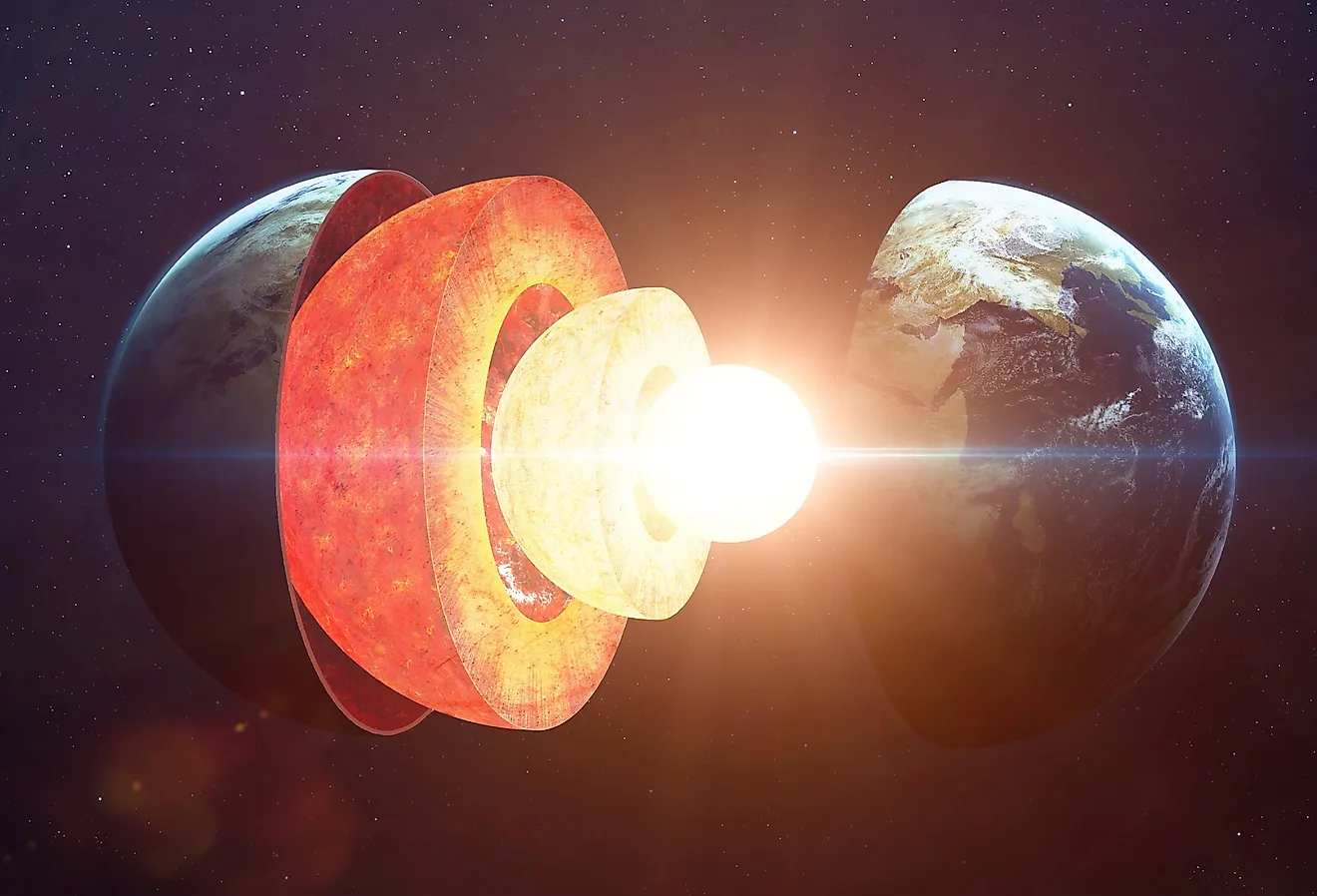
Venus is often called Earth's twin, and in some ways, it is similar to our home planet. It is only slightly smaller and, like Earth, probably has a core, mantle, and crust. But that's where the similarities end. Venus is a hellish, scorching planet with crushing atmospheric pressure and clouds so thick you can't see the stars or direct sunlight.
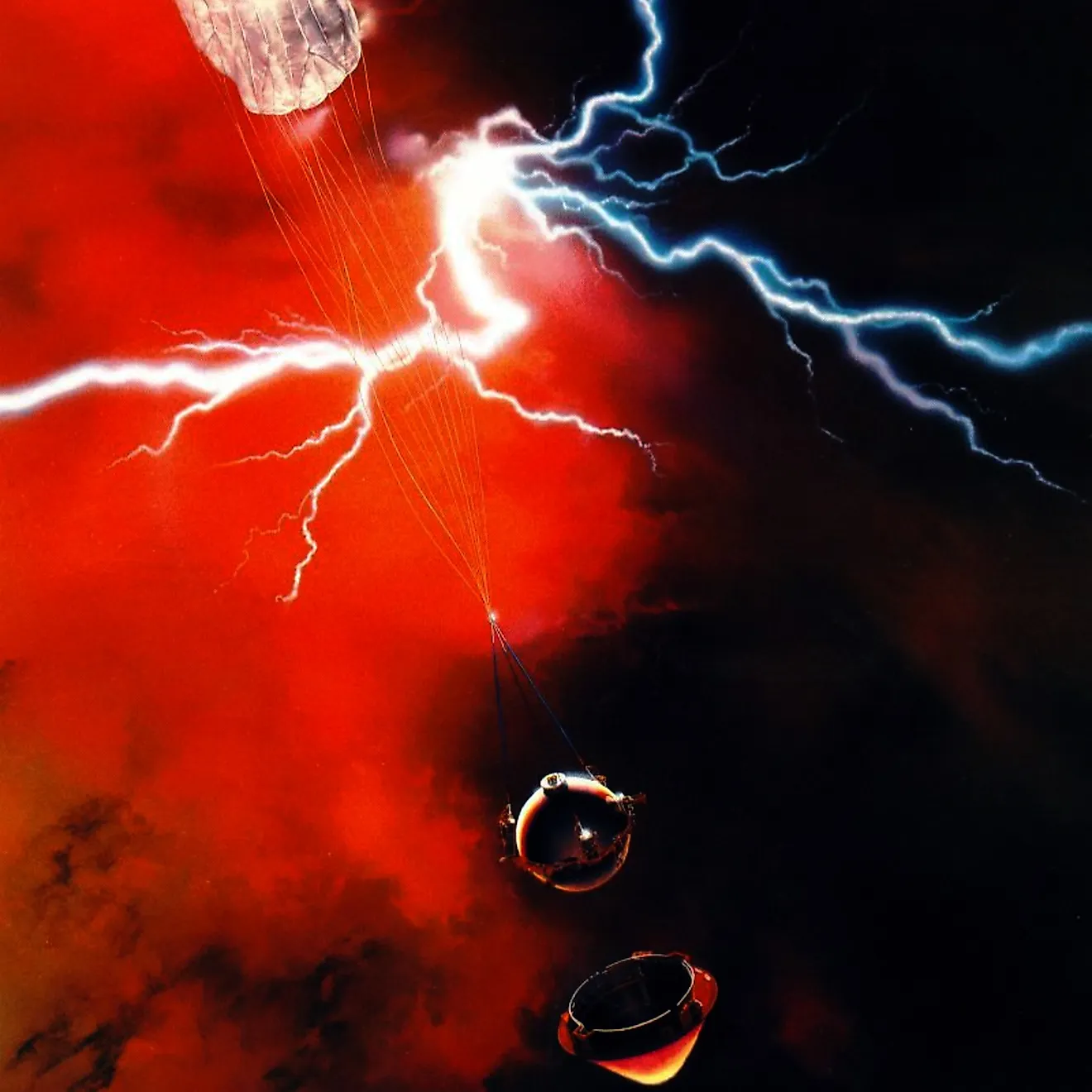
Standing on Venus would be an incredibly horrible experience. Surface temperatures reach around 465°C (869°F), which is hot enough to melt lead. The atmosphere is almost entirely made of carbon dioxide, and the air is so dense that the atmospheric pressure is about 92 times greater than on Earth. This would be similar to the pressure experienced around 900 meters beneath Earth's oceans. It would crush you almost instantly.
Clouds of sulphuric acid cover the planet, while acid rain forms in the atmosphere before evaporating long before it reaches the ground because of the extreme heat.
One of Venus's more unusual features is that it may have "metal snow." Some of its mountain peaks appear to be coated in a bright, reflective material that scientists think may be metallic compounds rather than frozen water. Venus also has no moon.
Why Is Venus So Hot?

Many billions of years ago, Venus may have been a very different place. It may once have had liquid water on its surface. One theory suggests that as the Sun gradually became hotter, the oceans evaporated and eventually boiled away.
Water vapor (which is a powerful greenhouse gas) trapped even more heat, causing temperatures to continue rising. Eventually, carbon dioxide was released from rocks into the atmosphere, creating the runaway greenhouse effect that makes Venus so hot today. Venus's atmosphere today is made up of around 96.5-97% carbon dioxide, compared with just 0.04% in Earth's atmosphere.
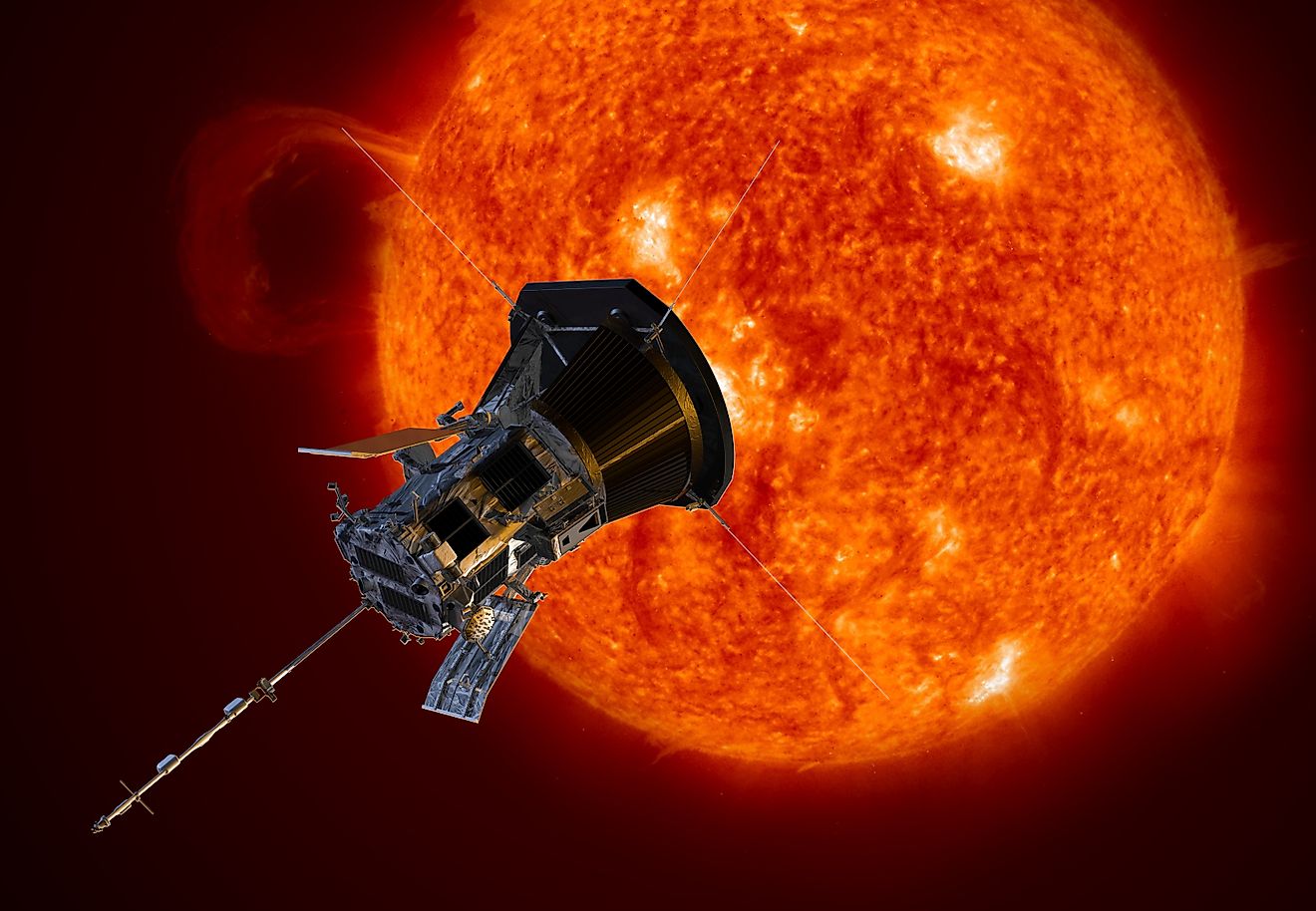
Without a global magnetic field, Venus is not protected from the solar wind, which has gradually stripped away many lighter elements from its atmosphere over billions of years.
Even though Mercury is closer to the Sun, its lack of a thick atmosphere means heat escapes quickly. Temperatures on Mercury can reach about 430°C (800°F) during the day before falling to around −180°C (−290°F) at night. Venus, however, remains hot day and night because its dense atmosphere traps heat so effectively.
Can You See Venus from Earth?

Venus is the second planet from the Sun and the third-brightest object in Earth's sky after the Sun and the Moon. It is so bright because its thick clouds reflect almost all of the sunlight that reaches them.
Because Venus orbits closer to the Sun than Earth, it is usually visible shortly after sunset or just before sunrise, earning it the nicknames the Evening Star and the Morning Star. Under the right conditions, Venus can be seen during broad daylight.
Like the Moon, Venus goes through phases as it orbits the Sun, appearing as crescents, half-lit, or nearly full depending on its position relative to Earth.
On rare occasions, Venus passes directly between Earth and the Sun in an event known as a transit of Venus. These transits occur in pairs separated by more than a century. The most recent transits took place in 2004 and 2012, and the next will occur in 2117.
How Long Is a Day on the Other Planets in the Solar System?
| Planet | Sidereal Day | Solar Day |
|---|---|---|
|
Mercury |
58 days, 15 hours, 30 minutes |
176 Earth days |
|
Venus |
243 days |
117 Earth days |
|
Earth |
23 hours, 56 minutes |
24 hours |
|
Mars |
24 hours, 37 minutes |
24 hours, 39 minutes |
|
Jupiter |
9 hours, 55 minutes |
About 9 hours, 56 minutes |
|
Saturn |
10 hours, 33 minutes |
About 10 hours, 39 minutes |
|
Uranus |
17 hours, 14 minutes |
About 17 hours, 14 minutes* |
|
Neptune |
16 hours, 6 minutes |
About 16 hours, 6 minutes |
*Because Uranus rotates on its side, the length of its solar day is less straightforward than on the other planets, so the value shown is an approximation.
A Neighbor Unlike Any Other
Venus is a planet of extremes. It is the hottest planet in the Solar System, rotates in the opposite direction to most planets, and has a day that lasts longer than its year, the longest day of any planet in our Solar System. While Venus would be an inhospitable place for any life as we currently know it, it is a striking example of a planet that is, in some ways, so similar to Earth and yet has turned into something we hope the Earth will never become.