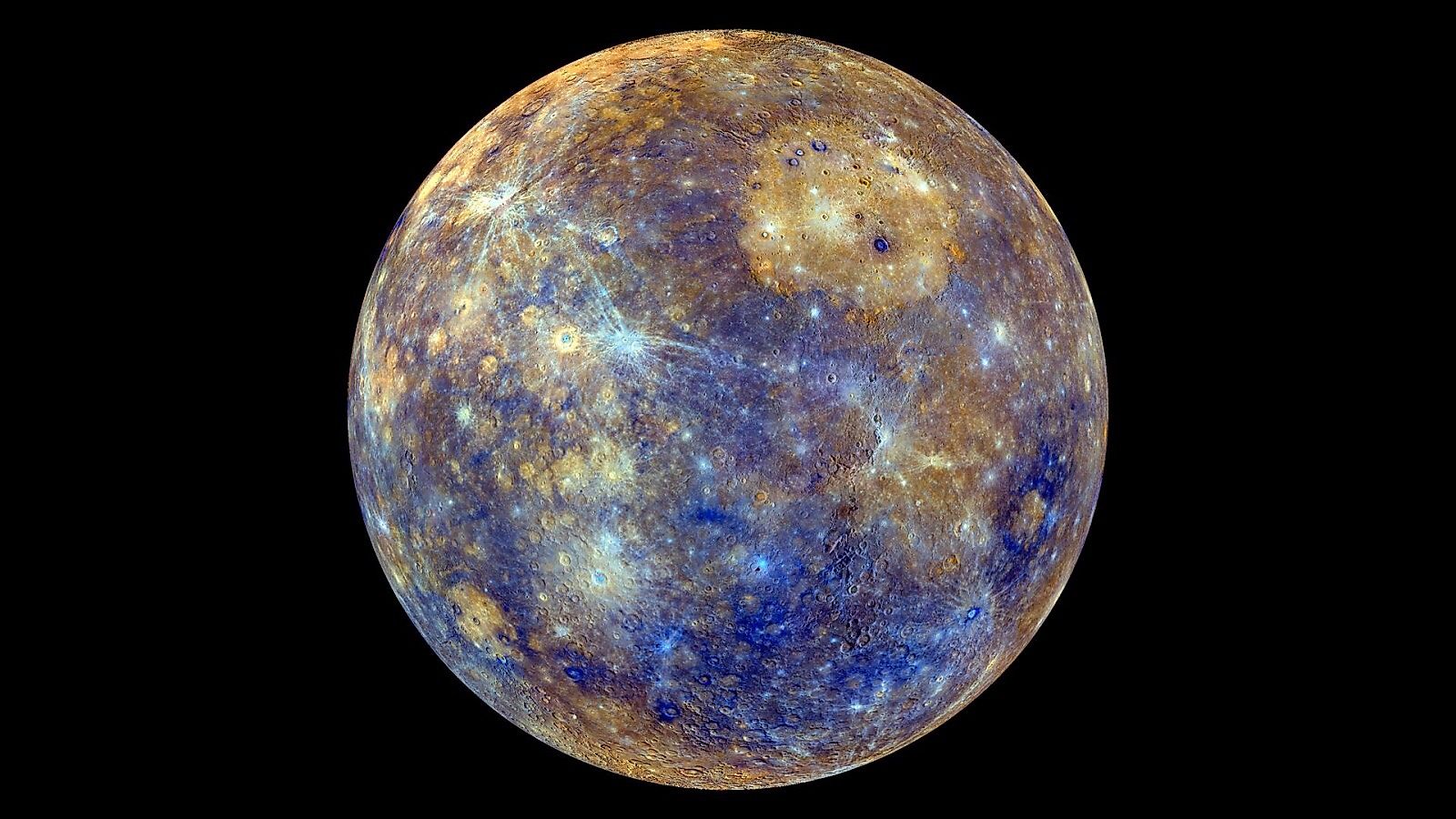
What Is The Fastest-Moving Planet?
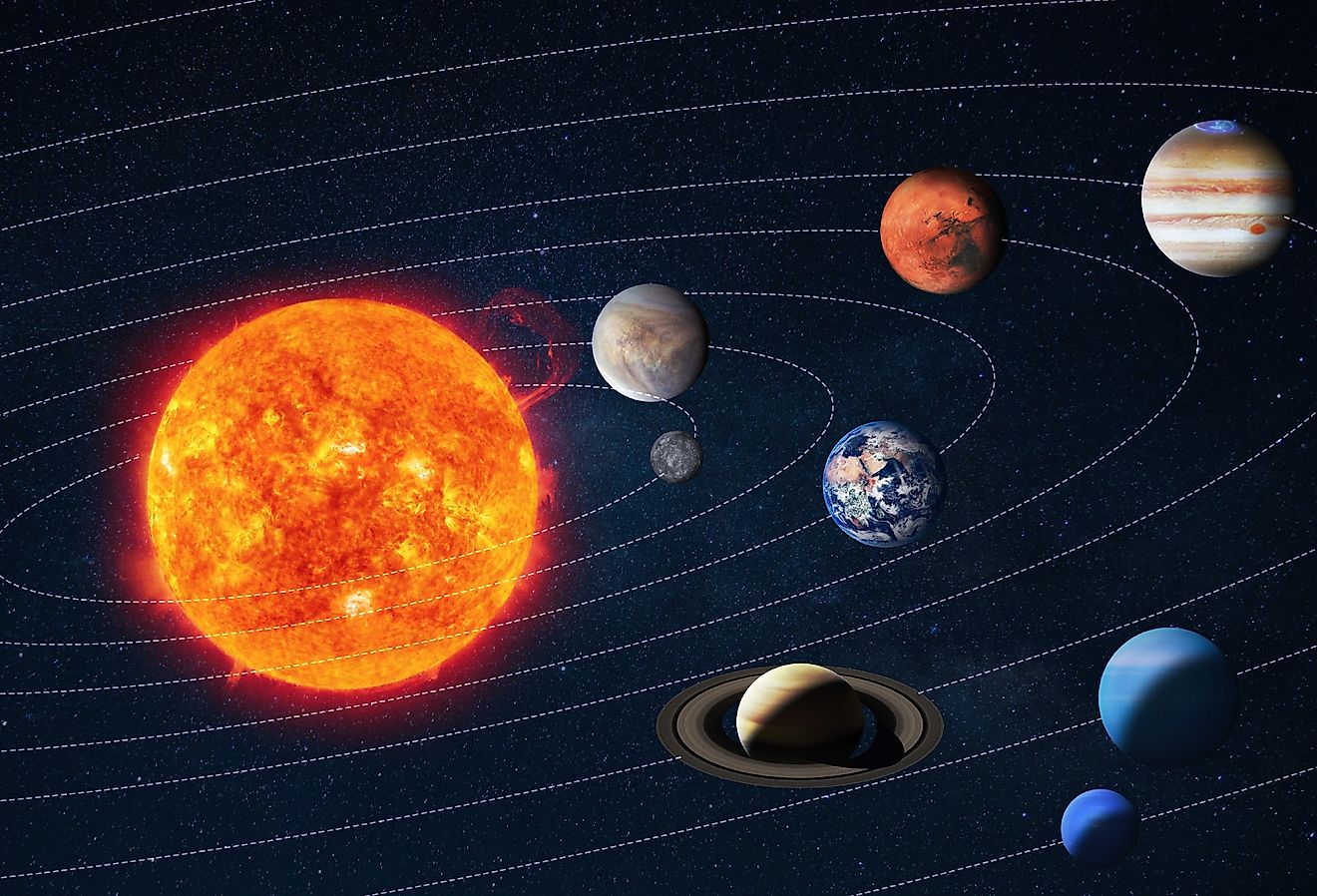
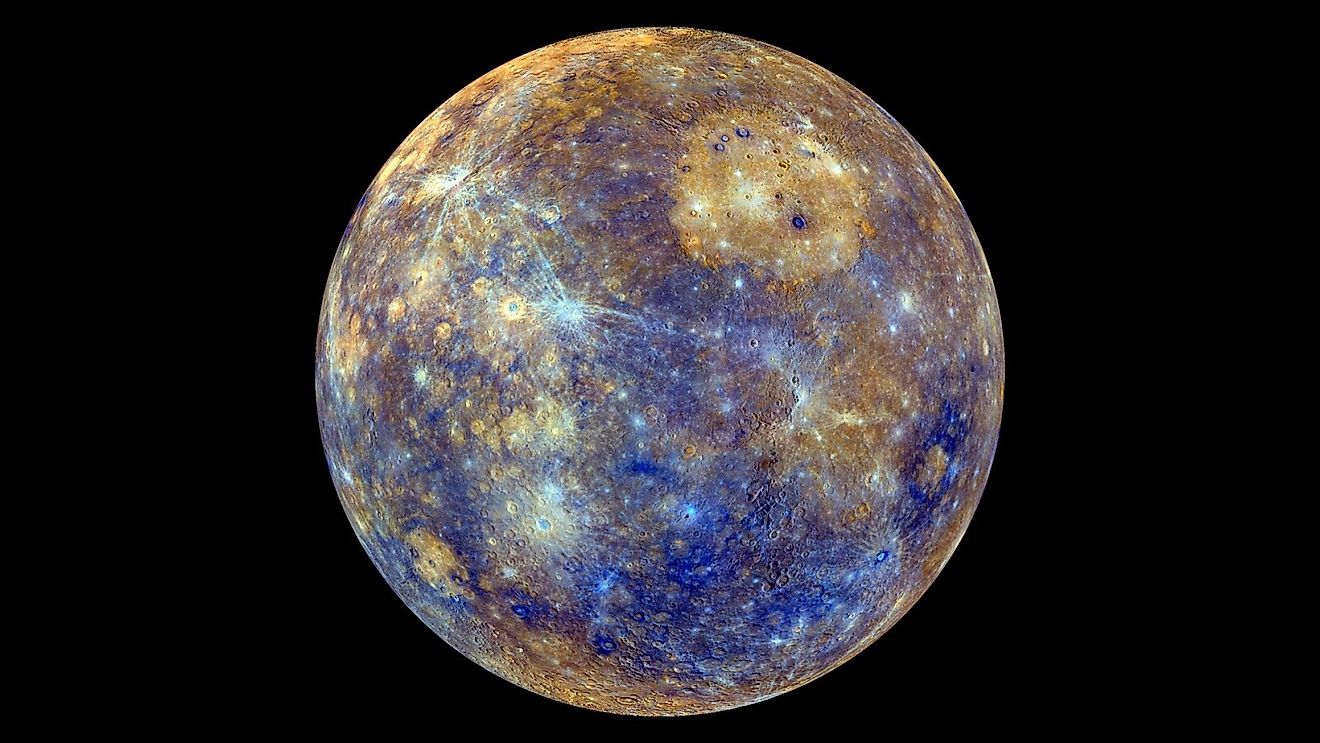
Mercury is the fastest planet in the solar system. It circles the Sun at about 106,000 miles per hour. That is roughly 1,500 times the speed of a highway car. One full lap takes just 88 Earth days. That gives Mercury the shortest year of any planet. Its place closest to the Sun drives that speed.
A Planet of Fire and Ice

Named after the speedy Roman messenger god, Mercury is a planet of extremes. With only a thin exosphere to redistribute heat, its sunlit surface can reach about 800°F, hot enough to melt lead. After night falls, temperatures can plunge to approximately -290°F, far colder than any temperature recorded on Earth. NASA's MESSENGER spacecraft revealed deep polar craters holding water ice, which is astonishing considering the disparity between its surface temperatures. Mercury's metallic core extends through approximately 85% of the planet's radius, leaving it wrapped in a relatively thin rocky mantle and crust. Scientists still debate whether a colossal early collision stripped away much of Mercury's outer rock or whether the planet formed from unusually metal-rich material.
Mercury's Need for Speed

Every second, Mercury covers nearly 29 miles of its orbit. It moves so quickly because it is the closest planet to the Sun, where the Sun's gravitational pull is stronger than it is at the orbit of any other planet. That gravity continually bends Mercury's forward motion into an orbit. Because planets closer to the Sun follow smaller orbits under a stronger gravitational influence, they travel faster than planets farther away. Mercury consequently completes a year in only 88 Earth days.
The Einstein Theory

Mercury travels a stretched, elliptical orbit. It speeds up when it's closest to the Sun and slows when it's farther away. While Newton's laws of gravity explain much, they couldn't fully account for the way Mercury's orbit slowly shifts over time. Albert Einstein changed that with his general theory of relativity, showing that the Sun's massive gravity bends space and time, like a marble rolling through a funnel, allowing us to understand this small planet's unusual path.
A Birthday Every Few Months?

A person measuring age in Mercury years would celebrate a birthday every 88 Earth days. The planet rotates much more slowly than it travels around the Sun. One complete solar day, measured sunrise to sunrise, lasts 176 Earth days. That is exactly twice the length of a Mercury year. A location on the surface can therefore remain exposed to sunlight or darkness for months, allowing temperatures to climb toward 800°F before eventually falling as low as -290°F. Humans would likely need a heavily insulated and radiation-shielded habitat, possibly below the surface, to survive the extreme temperatures and intense solar radiation.
Don't Underestimate the Small Guy
Mercury is the smallest planet, yet it sets several records at once. No planet orbits faster, none has a larger core relative to its size, and none has a wider temperature range between day and night. Each of those extremes traces back to one cause: Mercury sits closer to the Sun than any other planet. That closeness drives its speed, its temperature extremes, and even the slow shift in its orbit that took Einstein to explain.