What Europa Clipper Will Find When It Arrives
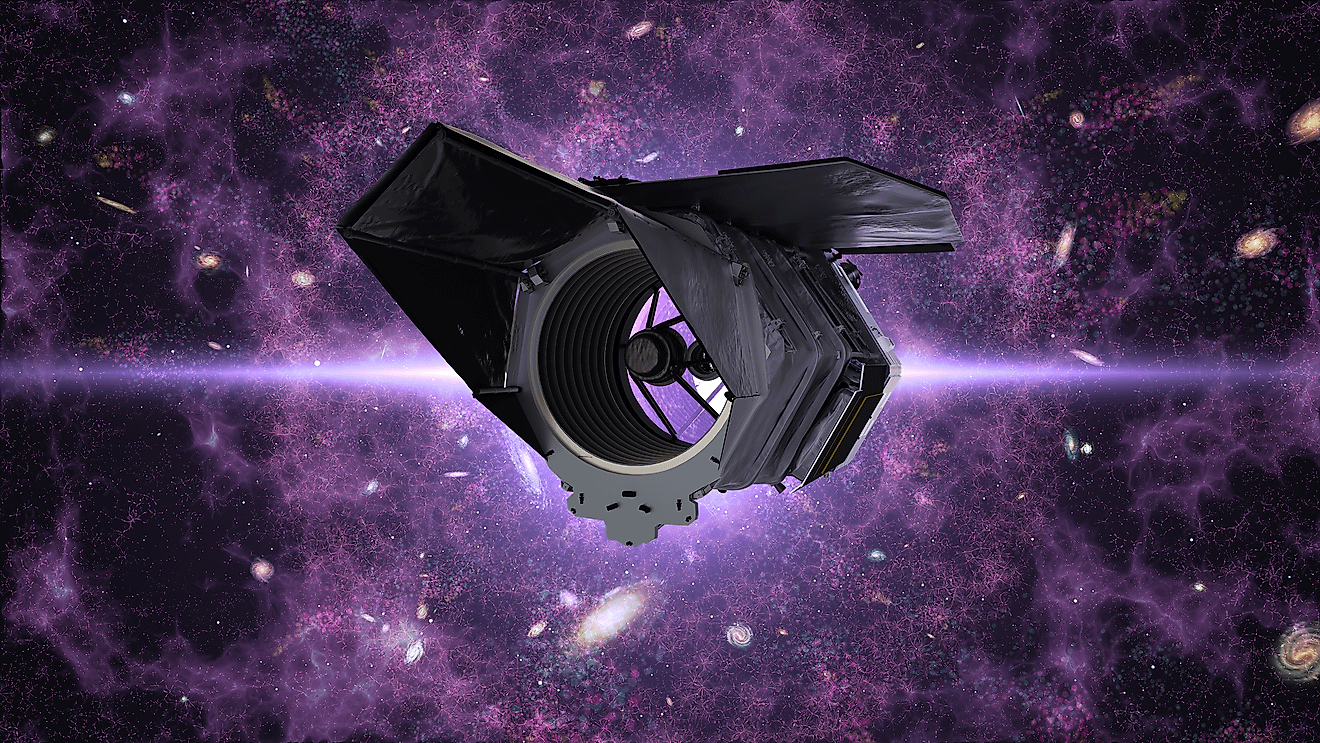
Europa is smaller than Earth’s Moon, yet its hidden ocean may hold more than twice as much water as all of Earth’s oceans combined. That water lies beneath an icy shell, beyond the reach of sunlight. NASA’s Europa Clipper is heading there to investigate whether this buried sea could support life. Launched on October 14, 2024, the spacecraft is scheduled to reach Jupiter in April 2030. Its discoveries remain unknown, but its targets are clear: the ice above the ocean, the chemicals moving through it, and evidence that Europa is still changing.
An Ocean Beneath Miles of Ice

Reaching Europa’s water would require getting through an extraordinary barrier. NASA describes an estimated ice shell 10-15 miles (15-25 kilometers) thick, with an ocean potentially another 40-100 miles (60-150 kilometers) deep beneath it. These are estimates that Clipper will help test. Picture a world wrapped in water, then sealed beneath miles of frozen crust. Clipper will investigate that hidden structure without drilling. Its radar will send radio waves into the ice and listen for reflections from buried features. Magnetic measurements will help scientists estimate the ocean’s depth and saltiness. Together, those observations could reveal how much water Europa holds and how securely the ice separates it from the surface.
A Surface That Looks Broken Apart

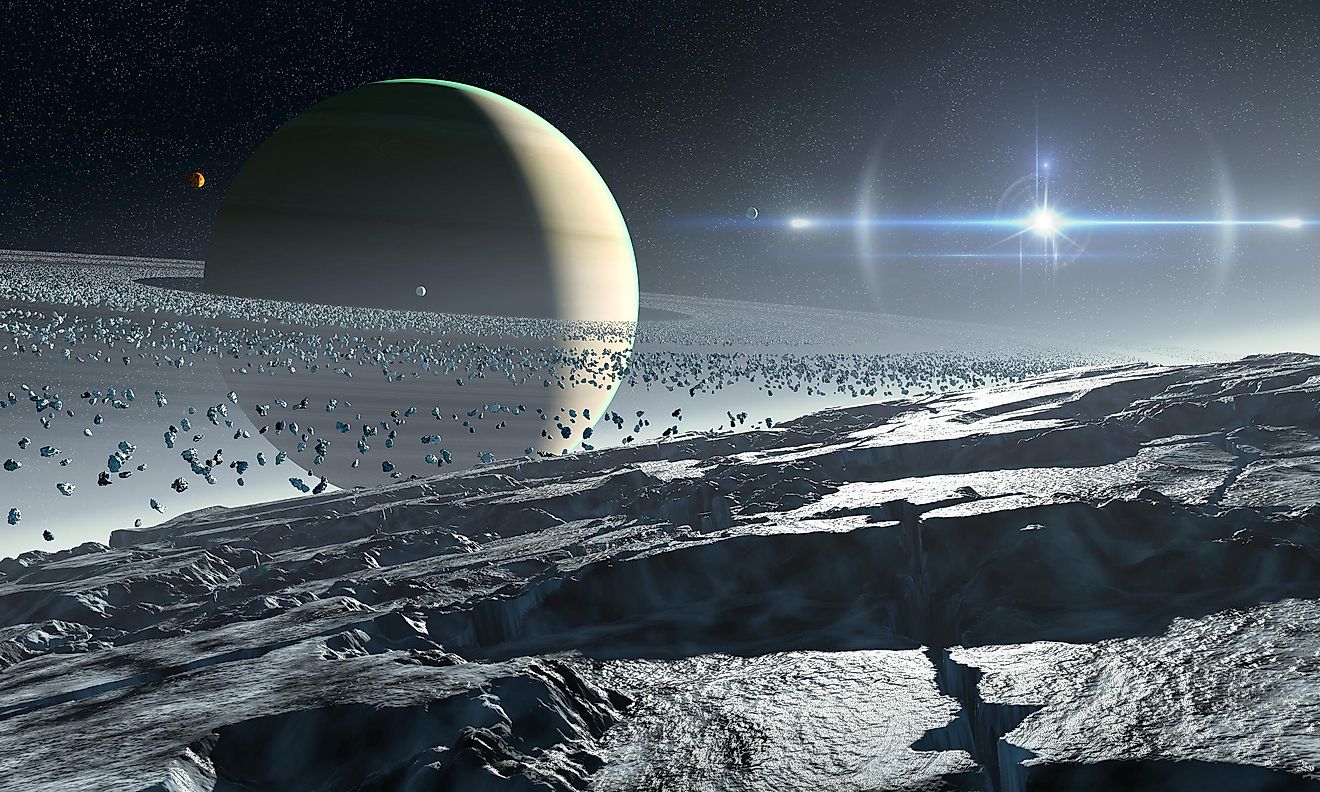
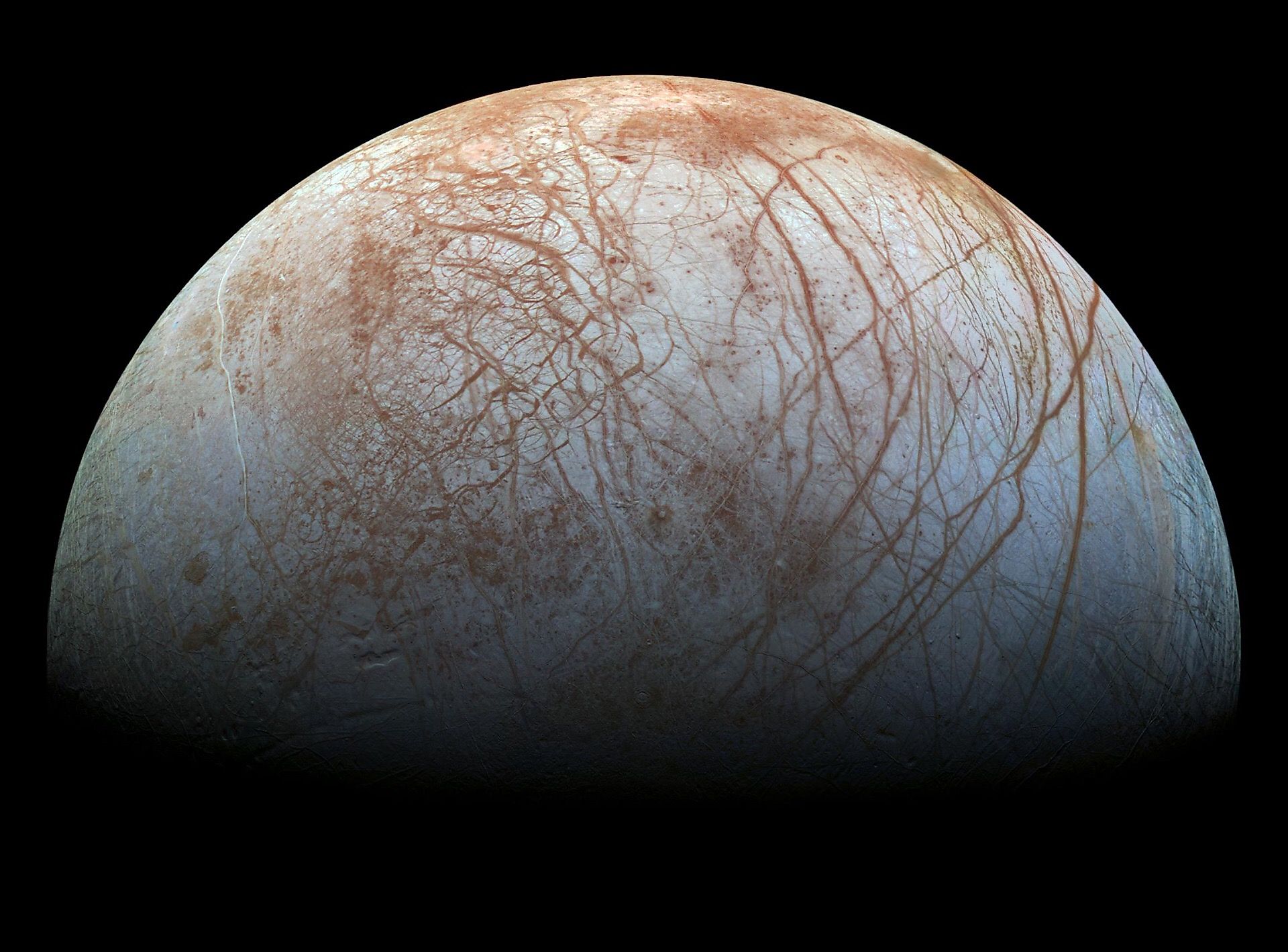
Europa’s surface bears reddish-brown cracks and regions where blocks of ice appear to have broken loose and shifted into new positions. Some landscapes resemble a shattered jigsaw puzzle. Scientists still debate how these disrupted regions formed, including whether pockets of water within the shell helped break up the ice. Clipper’s cameras will map the terrain in much greater detail than earlier missions. Its thermal imager will search for unusually warm patches that could point to water near the surface or recent eruptions. A warm spot here would be a clue to heat escaping through an otherwise frozen landscape.
Water That Might Escape Into Space

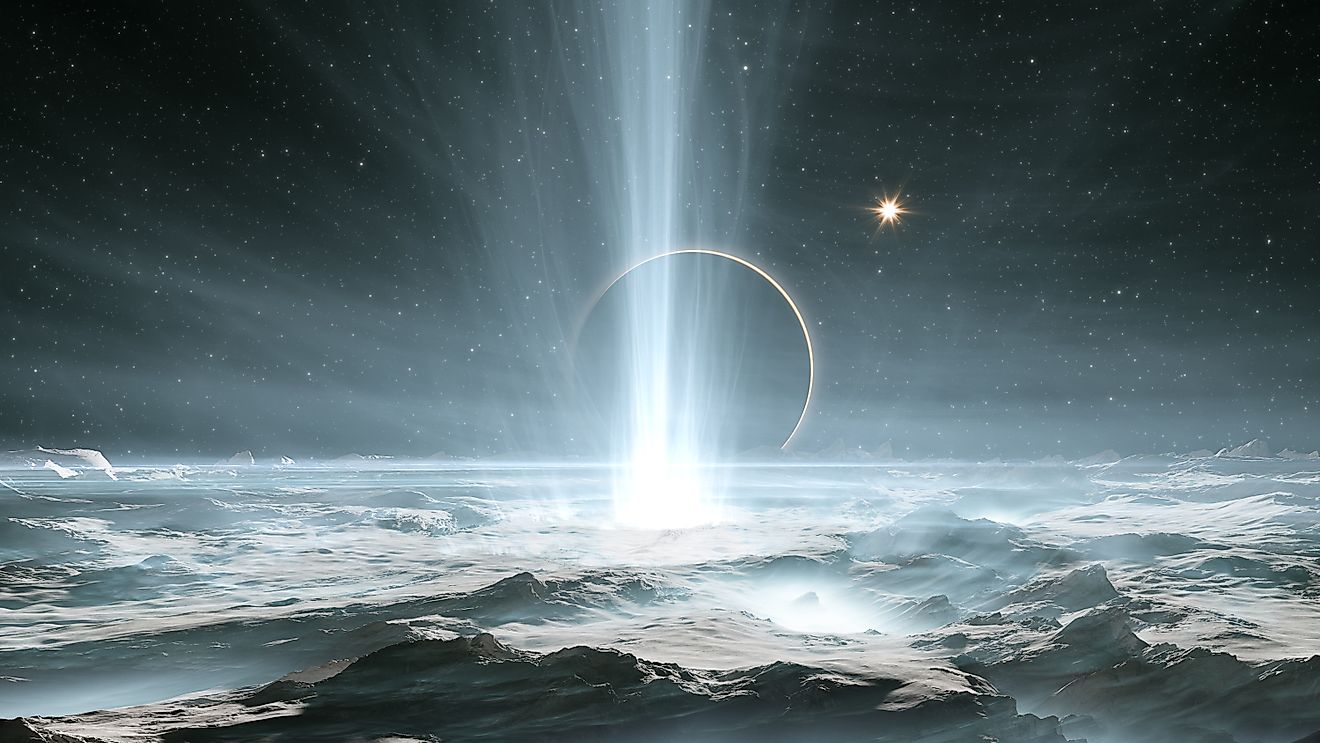
Europa may occasionally throw some of its water above the ice. Earlier observations suggest possible plumes reaching about 100 miles (160 kilometers) above the surface, although their behavior and source remain uncertain. If a plume connects to the ocean, it could carry material from that buried environment into reach of a passing spacecraft. Clipper will search for plumes and analyze gases and dust around the moon. Even without an eruption, tiny impacts knock surface particles into space, giving its dust analyzer material to examine.
A Radiation Zone That Threatens the Spacecraft

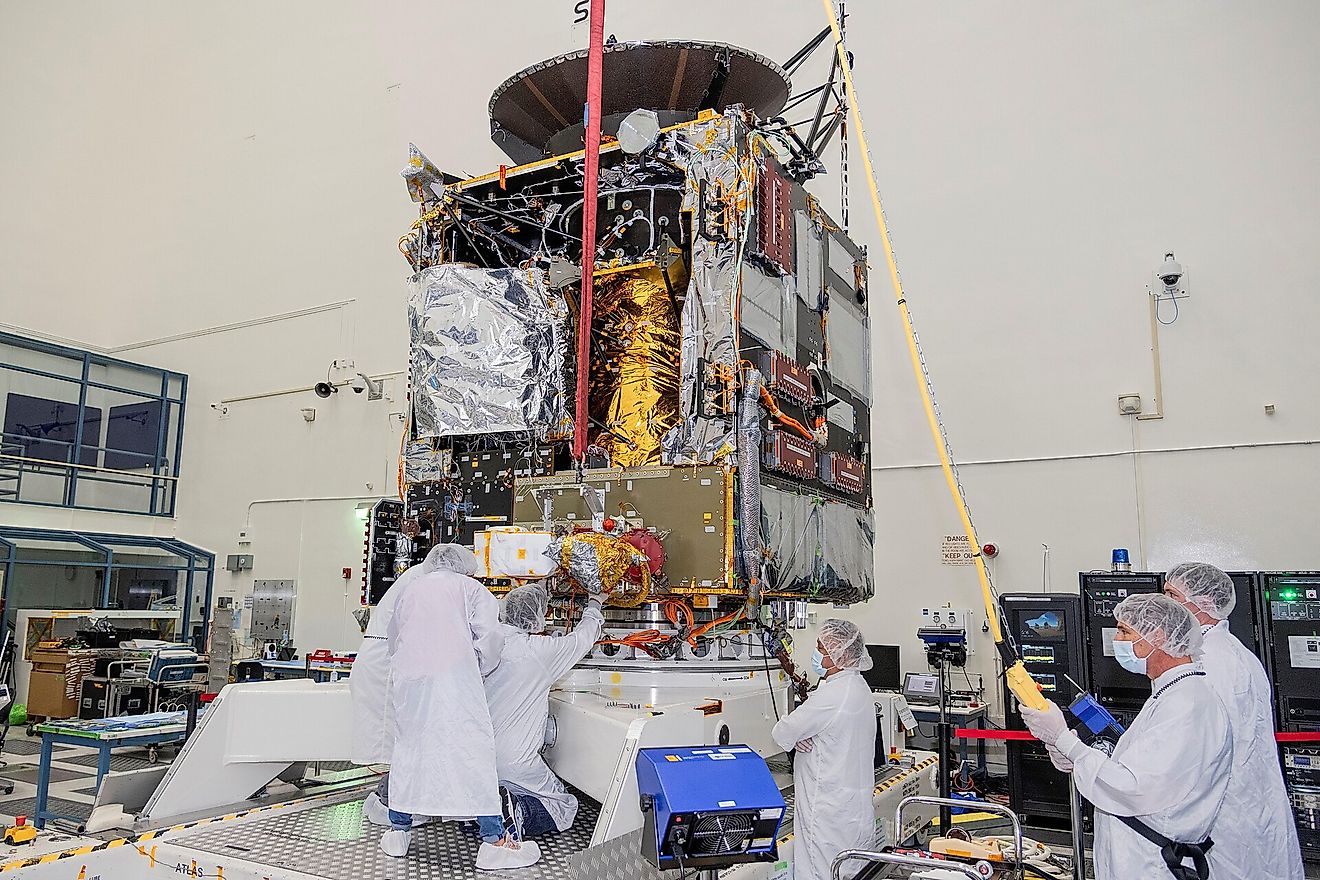
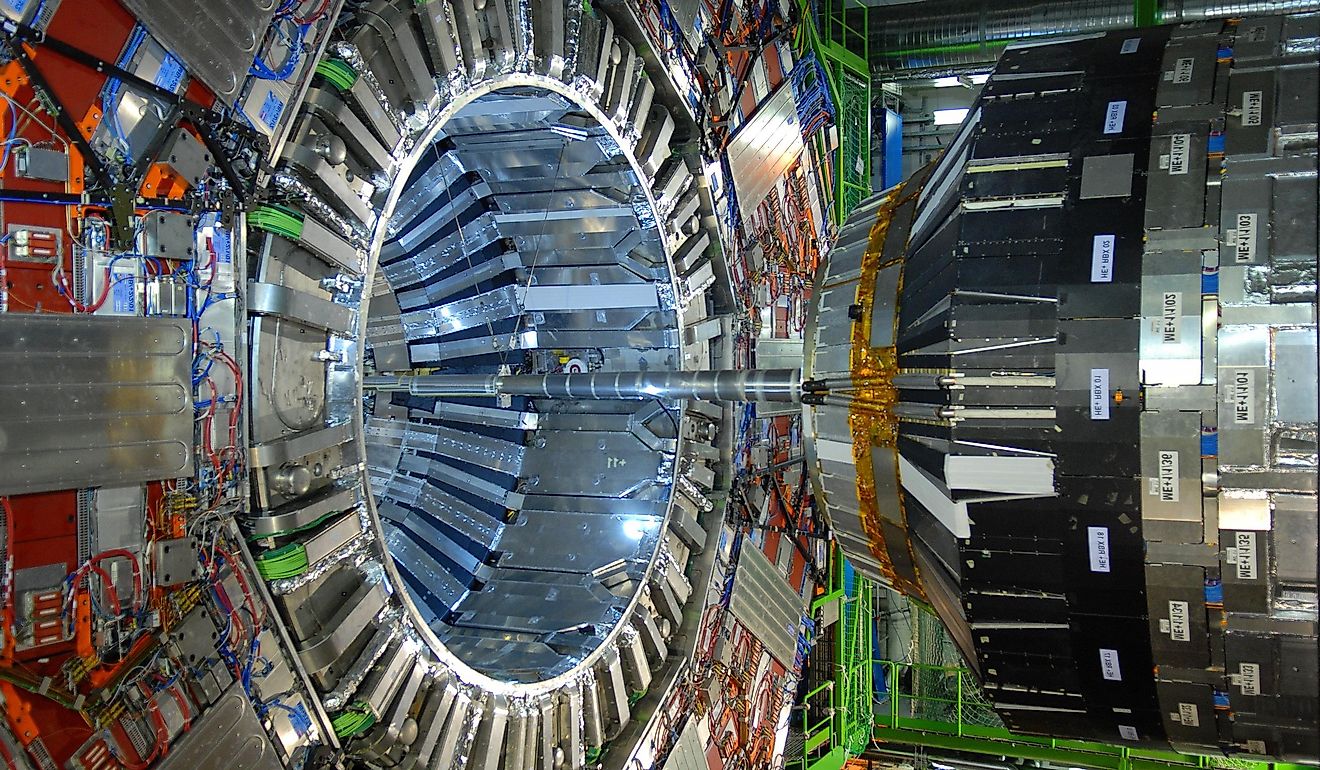
Getting close enough to study Europa creates another issue: high-energy particles trapped by Jupiter’s magnetic field can damage spacecraft electronics. Clipper will orbit Jupiter and make 49 close passes of Europa, limiting its exposure. Some passes will bring it just 16 miles (25 kilometers) above the ice. Sensitive electronics sit inside a protective vault that slows radiation damage. Outside that shielding, enormous solar arrays spread the spacecraft to more than 100 feet (30.5 meters) across, roughly the length of a basketball court. Those broad wings gather the weak sunlight available near Jupiter.
A Possible Food Supply in Permanent Darkness

Any life in Europa’s ocean would need an energy source beneath ice that blocks sunlight. Jupiter’s gravity repeatedly stretches and relaxes the moon, generating internal heat. Water interacting with warm rock on the seafloor could supply chemicals that organisms might use for energy, much as microbes do around hydrothermal vents on Earth. Whether Europa has such vents remains unknown. Radiation at the surface may also produce chemicals that could help sustain life if they reach the ocean. That makes the movement of material through the ice especially important: a vast reservoir of water becomes more promising if it also receives a usable supply of chemical energy.
What Would Count as a Major Discovery?
Clipper’s mission is to assess whether Europa has conditions suitable for life. It carries no lander or drill, and its instruments are not designed to deliver a definitive detection of living organisms. Finding organic molecules would be significant, but these carbon-based compounds can also form without life. The stronger result would be evidence that liquid water, useful chemistry, and energy coexist beneath the shell. If Clipper establishes that combination, a moon with a frozen exterior could become a far more compelling destination for a future search for organisms. Beneath its fractured ice may lie an ocean larger than Earth’s combined seas, with the conditions needed to keep something alive.