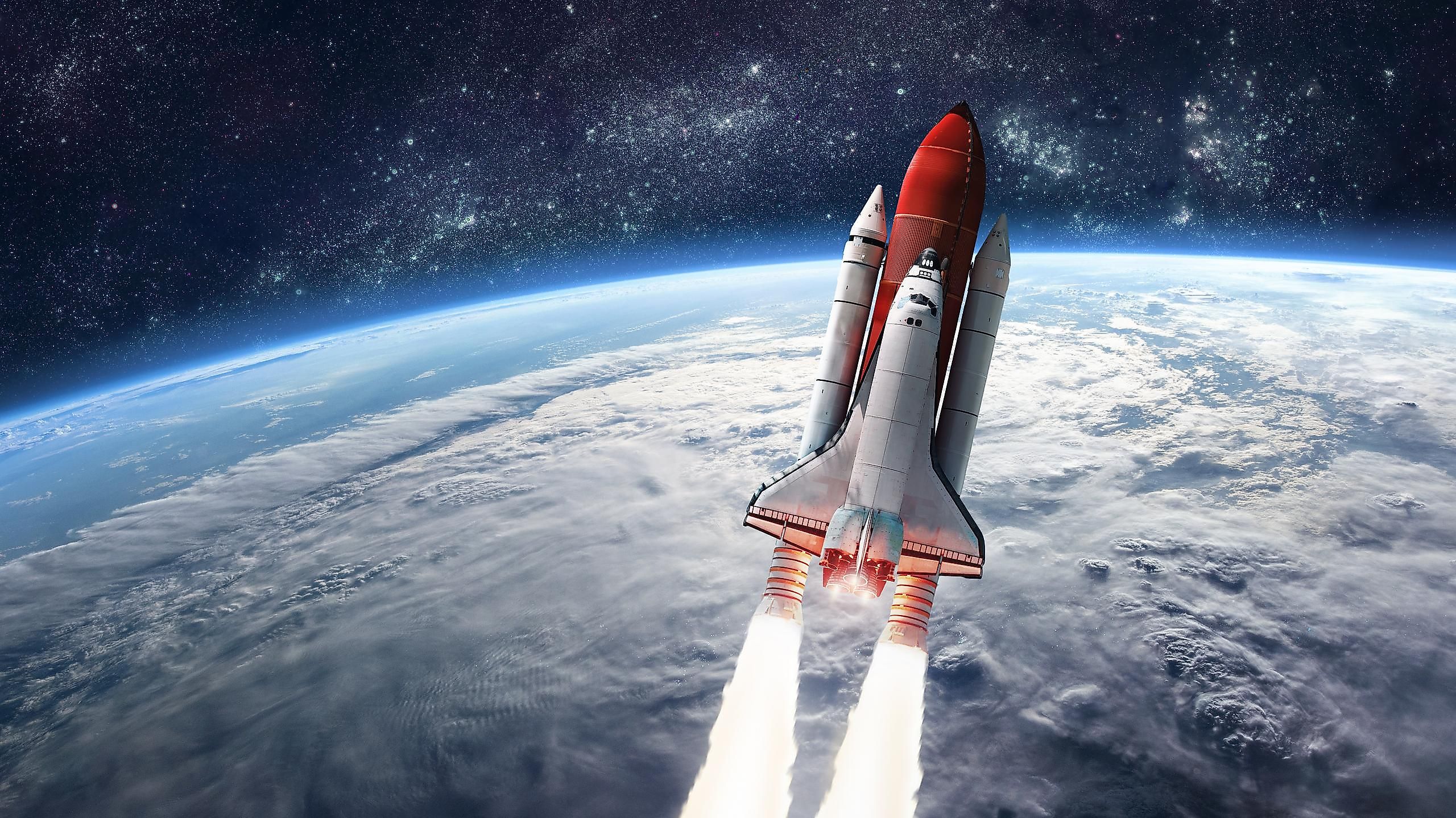
How Long Would It Take To Travel To Each Planet?
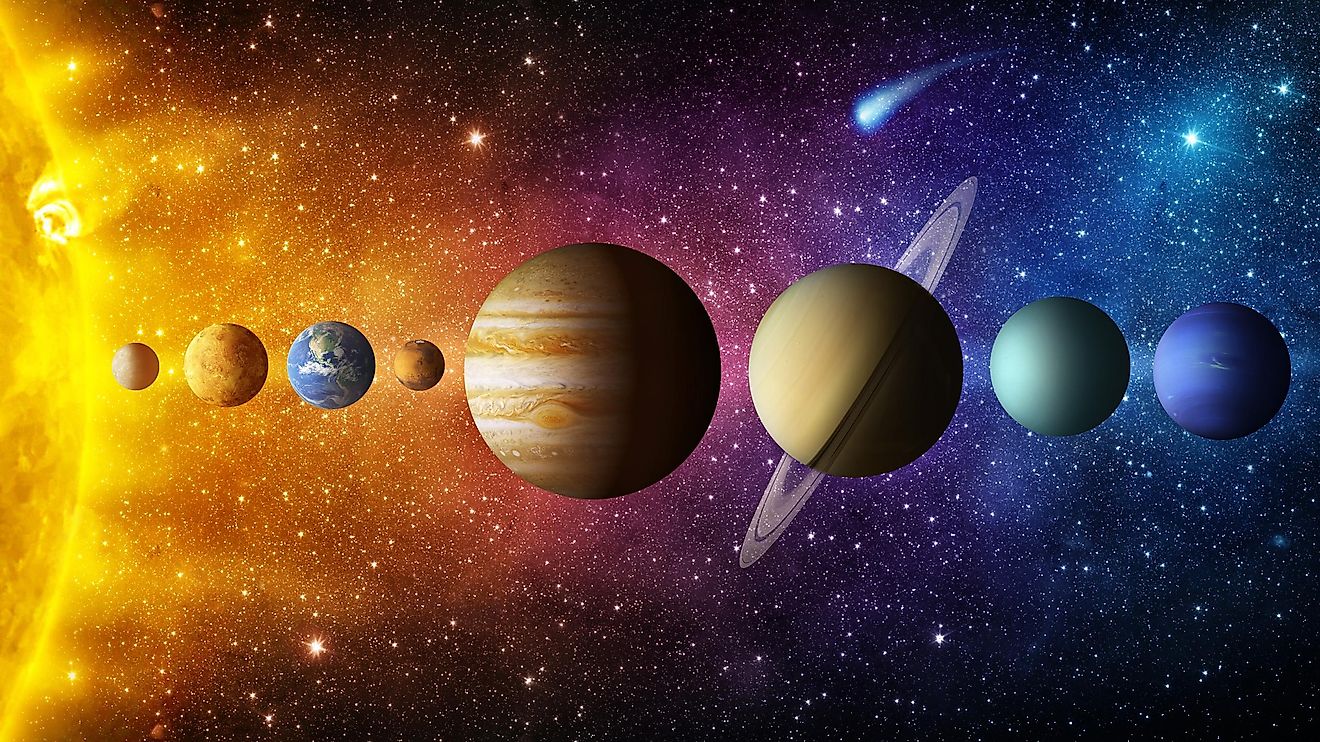
Our solar system holds eight planets. Working outward from the Sun, they are Mercury, Venus, Earth, Mars, Jupiter, Saturn, Uranus, and Neptune. Reaching the nearest of them would take a matter of weeks at the speed of a fast spacecraft. Reaching the most distant would take more than six years. Here is how long the trip to each one would run, and why every real mission has taken far longer than the arithmetic suggests.
How This Comparison Works
Travel time varies based on the route, spacecraft, and the relative positions of the planets in their orbits on departure day. For comparison purposes, this article assumes a direct path and both planets at their closest approach, using a fixed speed of 50,000 miles per hour (80,000 kilometers per hour).
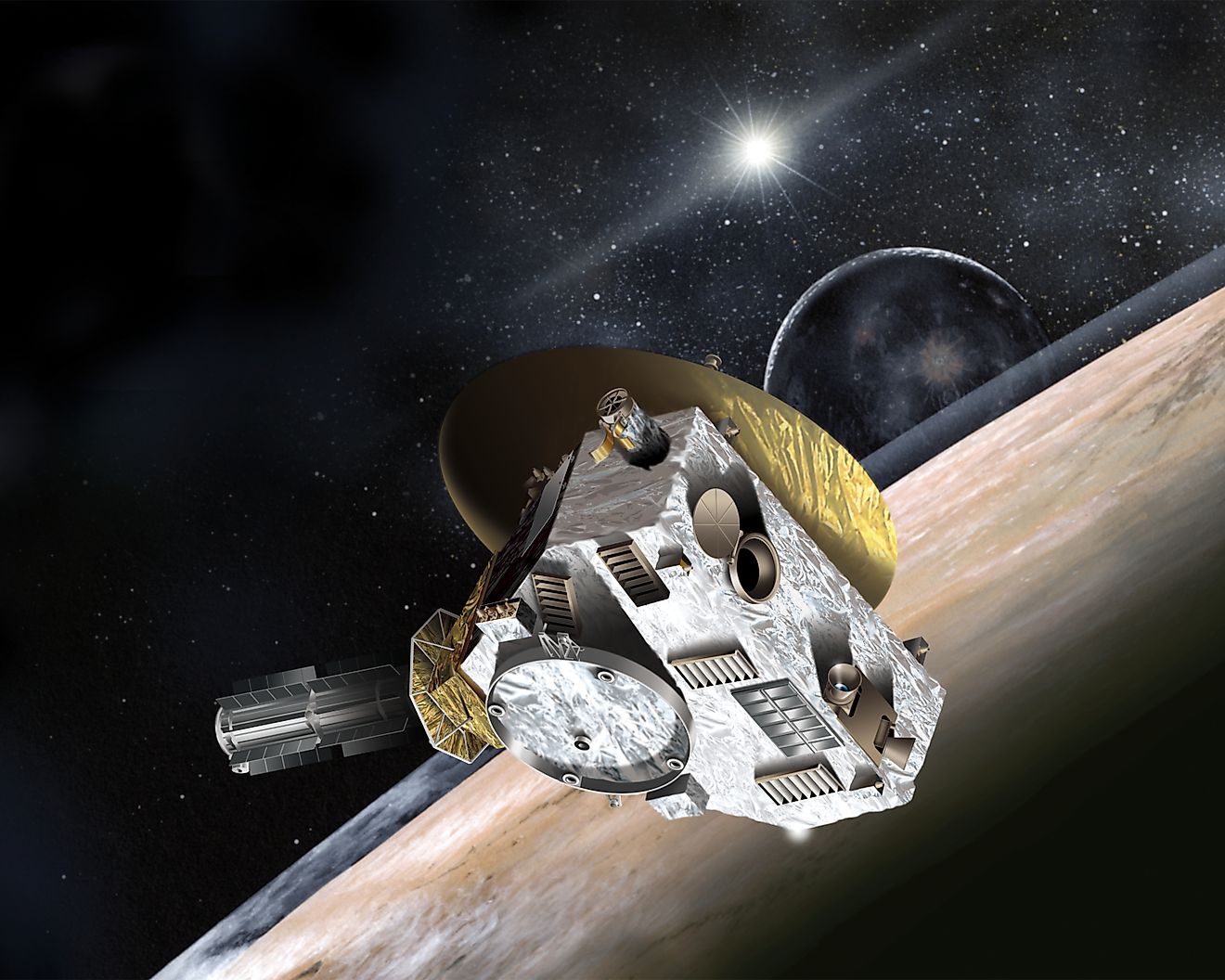
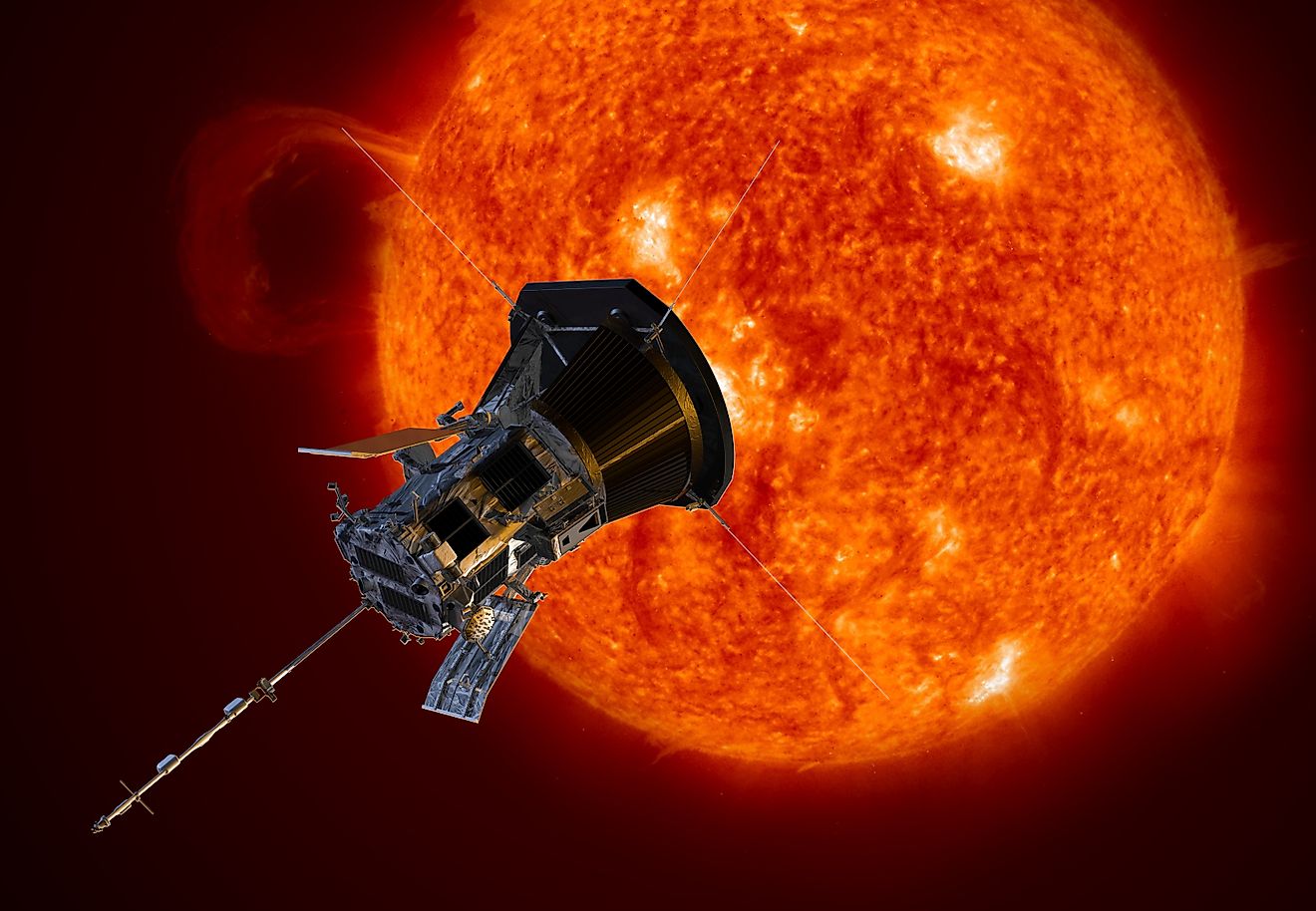
This figure is comparable to what New Horizons achieved. The probe launched from Earth in January 2006 at approximately 36,400 miles per hour, the fastest launch speed recorded, and after its gravity assist maneuver at Jupiter in 2007, its speed relative to the Sun increased to about 50,000 miles per hour. However, it's important to note that New Horizons no longer holds the speed record; in December 2024, the Parker Solar Probe reached roughly 430,000 miles per hour near the Sun, about eight times faster than the benchmark referenced here.
Two caveats matter. Real spacecraft do not fly straight lines, and they have to slow down at the far end if they intend to stop. Both points come back at the end.
Mercury And Venus

Mercury and Venus are the planets closest to Earth, resulting in the shortest trips. When Mercury is at its closest, it is approximately 48 million miles (77 million kilometers) away. Dividing this distance by 50,000 miles per hour gives about 960 hours, or roughly 40 days.

Venus performs better in proximity. During its closest approach, it comes within approximately 24 million miles (38 million kilometers) of Earth, making it the closest any planet gets, resulting in a journey time of about 480 hours or 20 days. An important point for those comparing data: when averaged over entire orbits instead of just at closest approach, Mercury is actually the planet that remains nearest to Earth most of the time, since it never distances itself as much.
Mars

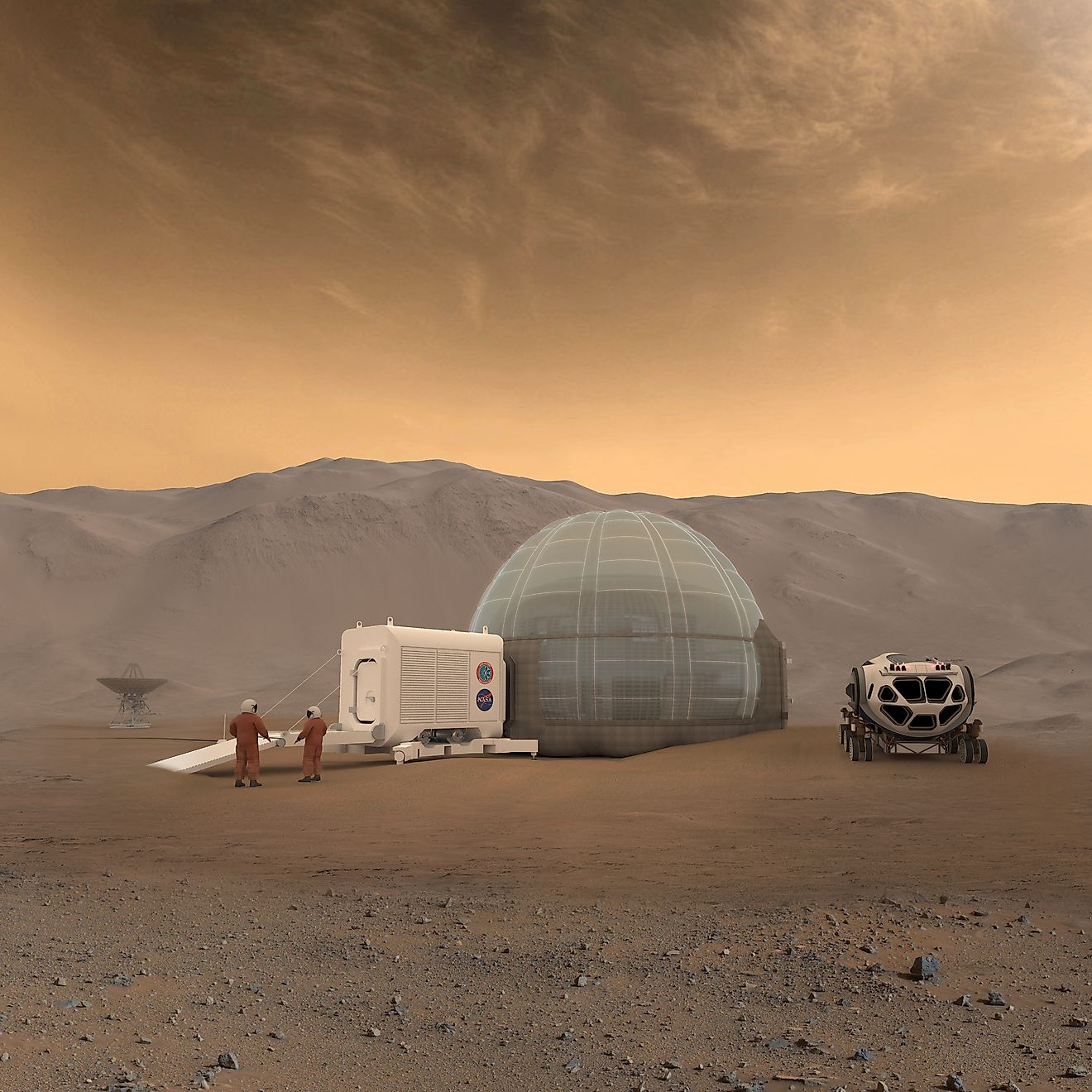
Mars is the planet with the most deployed hardware. Although no human has set foot on it, numerous orbiters, landers, and rovers have. During close approach, near opposition roughly every 26 months, Mars is approximately 33.9 million miles (54.6 million kilometers) away. This distance results in a trip lasting about 678 hours, or roughly 28 days.
Not all close approaches are the same. Since both orbits are elliptical, some oppositions make Mars significantly closer, with the average distance at opposition being around 48 million miles.
Jupiter And Saturn

Beyond Mars, distances become much less comparable. Jupiter, the closest gas giant, is still 365 million miles (588 million kilometers) away at its nearest point. Traveling at 50,000 miles per hour, it would take roughly 7,300 hours, or about 304 days, to reach this first planet beyond the asteroid belt. It’s a span of ten months.

Saturn is roughly twice as far, with a minimum distance of 746 million miles (1.2 billion km). Traveling this distance takes approximately 14,920 hours, which is about 622 days or nearly one year and eight months..
Uranus And Neptune

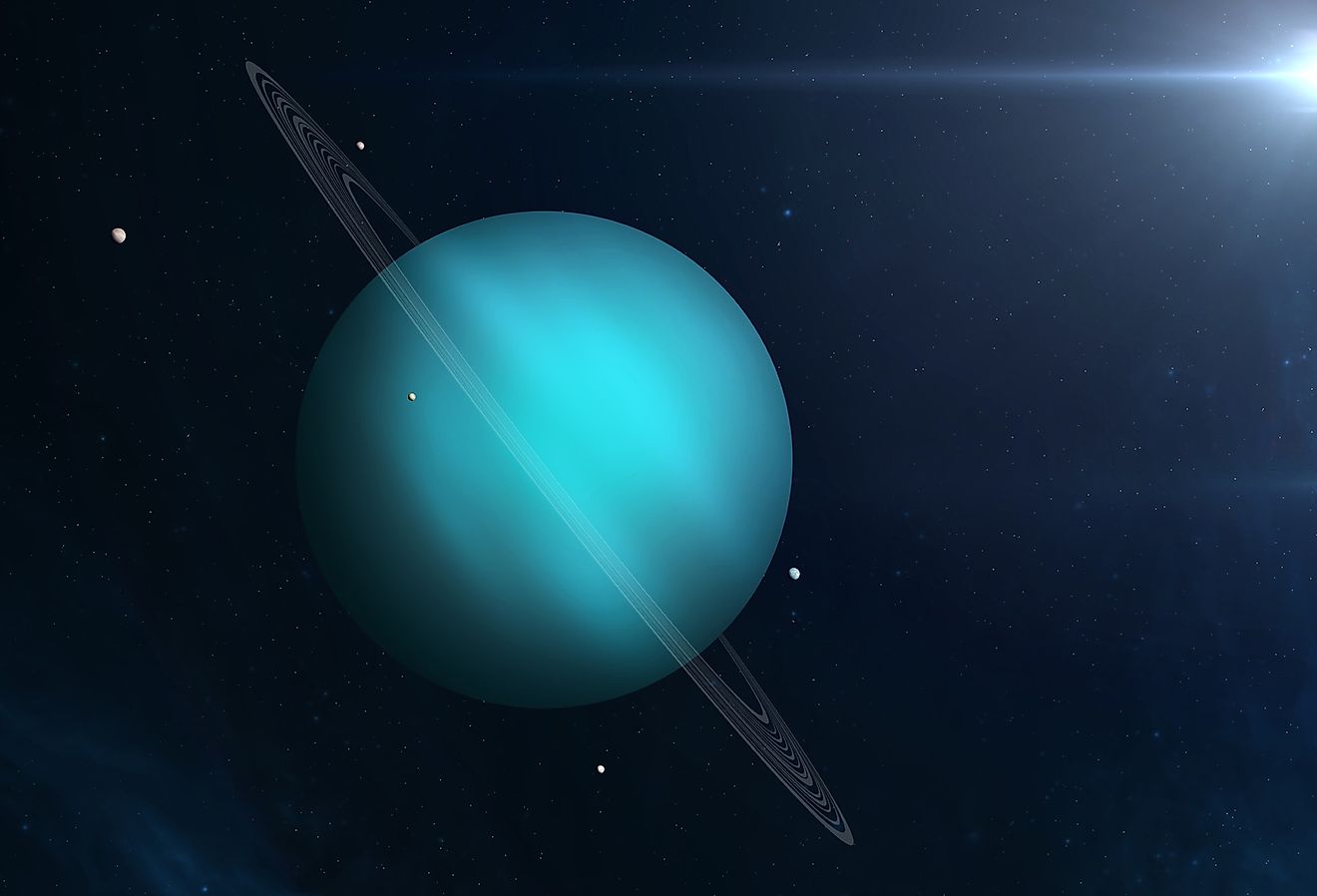
Uranus and Neptune are classified as ice giants and are located far enough from Earth that neither can be easily seen with the naked eye. Uranus is right on the edge of human visibility at magnitude 5.7, making it barely visible from very dark skies if you know exactly where to look. This is why it was not recognized as a planet until William Herschel discovered it in 1781. Neptune is even more distant and cannot be seen without binoculars at the very least.
At closest approach Uranus is about 1.7 billion miles (2.7 billion kilometers) from Earth. That is 34,000 hours of flight, or 1,417 days, just under four years.

Neptune is roughly 2.7 billion miles (4.3 billion kilometers) away, even at its nearest point. The trip lasts 54,000 hours, or around 2,250 days, or more than six years. You'd leave as a graduate and return after a journey longer than a typical degree program.
Planetary Travel Time
| Planet | Distance at closest approach | Travel time at 50,000 miles per hour |
|---|---|---|
| Mercury | 48 million miles (77 million km) | 40 days |
| Venus | 24 million miles (38 million km) | 20 days |
| Mars | 33.9 million miles (54.6 million km) | 28 days |
| Jupiter | 365 million miles (588 million km) | 304 days |
| Saturn | 746 million miles (1.2 billion km) | 622 days |
| Uranus | 1.7 billion miles (2.7 billion km) | 1,417 days |
| Neptune | 2.7 billion miles (4.3 billion km) | 2,250 days |
Why Real Missions Take Far Longer
All the numbers mentioned are actual floors, not predictions. A clear example is Mercury: the table indicates 40 days, but NASA's MESSENGER spacecraft, launched in August 2004, took until March 2011—over six years—to orbit Mercury after traveling 4.9 billion miles from Earth to a planet only 48 million miles away.
Orbital mechanics prevent spacecraft from traveling in straight lines. When leaving Earth, a spacecraft inherits Earth's orbit around the Sun and must adjust its trajectory rather than just aim at a target. Moving inward toward Mercury increases velocity significantly, requiring MESSENGER to perform one Earth flyby, two Venus flybys, and three Mercury flybys to reduce speed before capture. Moving outward poses similar challenges, which is why Cassini took about seven years to reach Saturn and Juno around five years to reach Jupiter, both using gravity assists to gain speed they couldn't carry as fuel.
Distance isn't the whole story. Voyager 2 took twelve years to reach Neptune. New Horizons took nine and a half years to arrive at Pluto, continuously traveling without slowing down, which is why it only flew past rather than landed. Even the shortest journey, landing a rover on Mars, still takes about seven to nine months because the most fuel-efficient transfer orbit requires traveling a longer path.
What The Numbers Are Good For
Viewed as a best-case scenario rather than a schedule, the table primarily illustrates the uneven spacing within the solar system. Venus and Mars are close to Earth, within about a month’s travel time. Jupiter, beyond the asteroid belt, is ten times farther than Mars. Neptune is over seventy times farther than Venus, and a probe aiming to reach it in six years would need to travel nonstop without pauses. Including fuel for deceleration at the distant end would extend the trip even more. Until propulsion technology makes significant advances, exploring the outer solar system is more of a career pursuit than a straightforward journey. The distances to each planet from the Sun reveal a consistent story, emphasizing these vast disparities.