Why Don't Stars Twinkle in Space?
Stars don't twinkle in space because there is no atmosphere to distort their light. When stargazers look up at the sky, they may think they are seeing the stars twinkle. However, the twinkling they witness is actually caused by Earth's atmosphere. Earth's layered atmosphere bends and distorts light to create the twinkle humans know and love. As astronomers continue to study stars, they learn more about the twinkling beauties.
What is a Star's Twinkle?
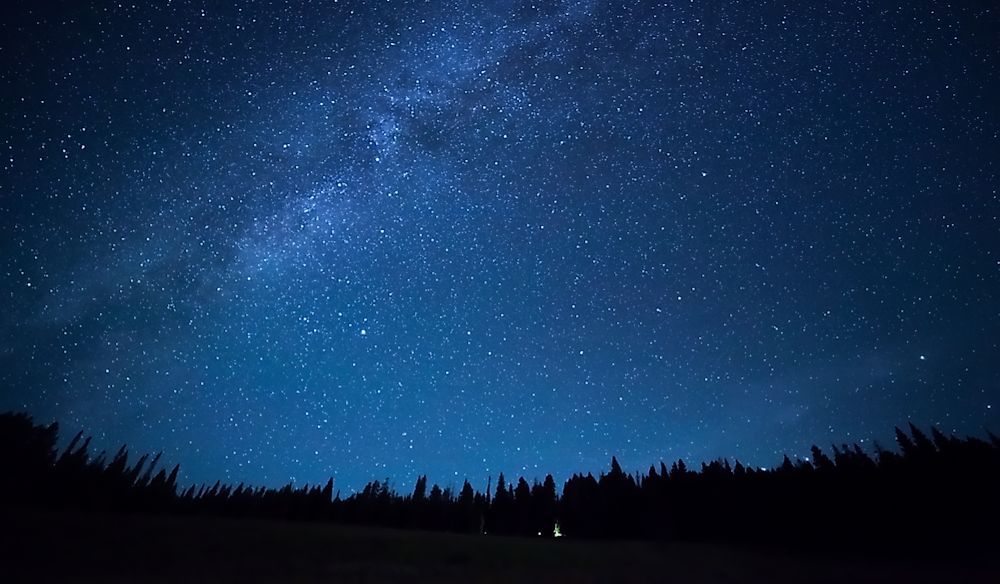
The rapid twinkling normally seen from Earth is an atmospheric effect, although some variable stars also undergo genuine changes in brightness. Atmospheric scintillation is the rapid fluctuation in a star's apparent brightness and position caused by atmospheric turbulence. Wavelength-dependent refraction can also produce color flashes, which show up most often near the horizon. These changes in brightness are due to irregularities in the Earth's atmosphere. Since stars are far away, people see them as single points of light. As air masses of different temperatures and densities mix, they create moving variations in refractive index that bend and focus starlight. As turbulent air moves, the apparent position and intensity of the starlight fluctuate rapidly, with the rate varying according to atmospheric and observing conditions. Those rapid shifts are the twinkling that people witness on Earth.
Why Stars Twinkle on Earth
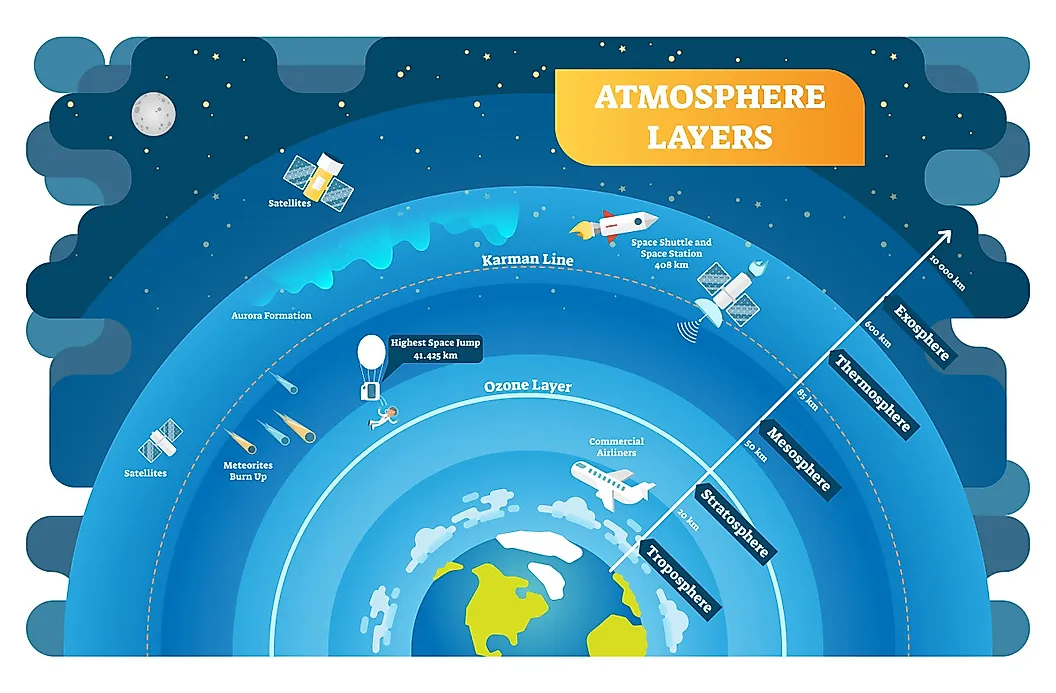
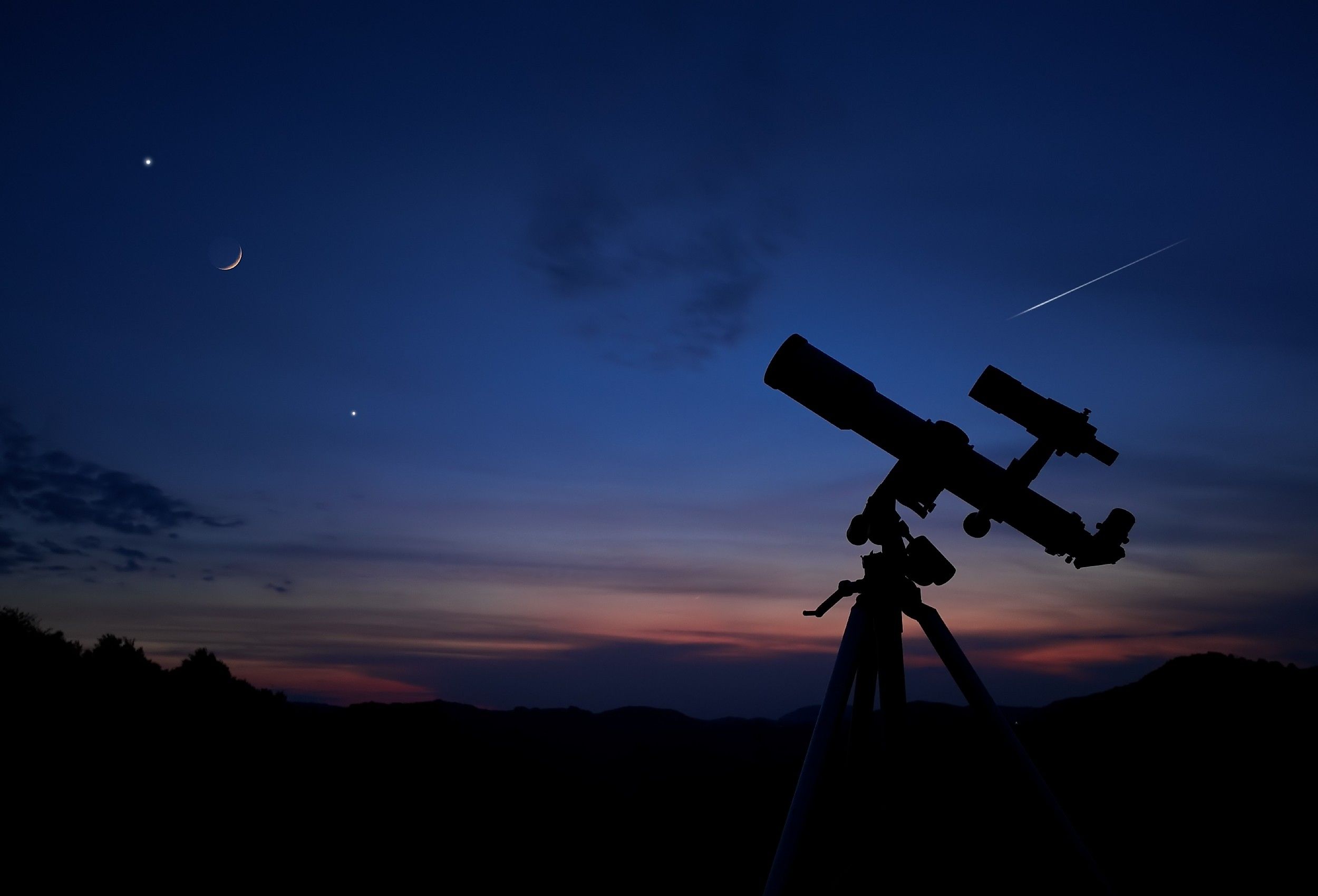
You may be surprised to learn that stars don't actually twinkle. Instead, their starlight is distorted by the Earth's layered atmosphere. In Earth's atmosphere, the air moves around and mixes with cooler air as hot air rises. This occurrence gives the illusion of twinkling as starlight is bent and distorted by varying temperatures and air densities. This also explains why we can see stars twinkle more on the horizon. Stars twinkle less near the zenith because their light crosses less atmosphere, whereas near the horizon, the longer path through turbulent air produces stronger refraction and scintillation.
Why Stars Don't Twinkle in Space

Stars don't twinkle in space because there is no atmosphere to distort and bend their light. Because space lacks the atmospheric conditions found on Earth, we do not witness the same optical illusion. Above Earth's atmosphere, matter is generally too sparse to produce the turbulent optical scintillation seen from the ground, although space is not perfectly empty. Starlight observed from there no longer undergoes terrestrial atmospheric scintillation, although a star's intrinsic brightness may still vary, and other intervening media can affect its light.
Why Planets Don't Twinkle

As scientists look to other planets, many wonder why planets don't seem to twinkle as much. Stars have a microscopic angular size from Earth, which presents them as mathematical points of light. Planets have a larger angular size, and they sit close enough that their light arrives as a bundle of rays from a small disk rather than from a single point. Because light from different points across a planet's apparent disk is distorted somewhat independently, the fluctuations average together, making planets twinkle much less than unresolved stars. The unaided eye cannot resolve that disk, so those separate flickers blend into one steady brightness. This process creates a steady glow, making the twinkling effects of Earth's atmosphere much less noticeable.
Why Astronomers Care
While many people see twinkling as simply a beautiful phenomenon, astronomers care deeply about its process. Though the layperson may see twinkling as something positive, many astronomers consider twinkling a scientific problem. Atmospheric turbulence degrades astronomical seeing by blurring and moving images, while scintillation specifically produces fluctuations in measured brightness. As starlight jumps and flickers, it smears points of light into blobs that hide important details. These atmospheric effects can reduce angular resolution and photometric precision, complicating observations such as direct exoplanet imaging and transit measurements.
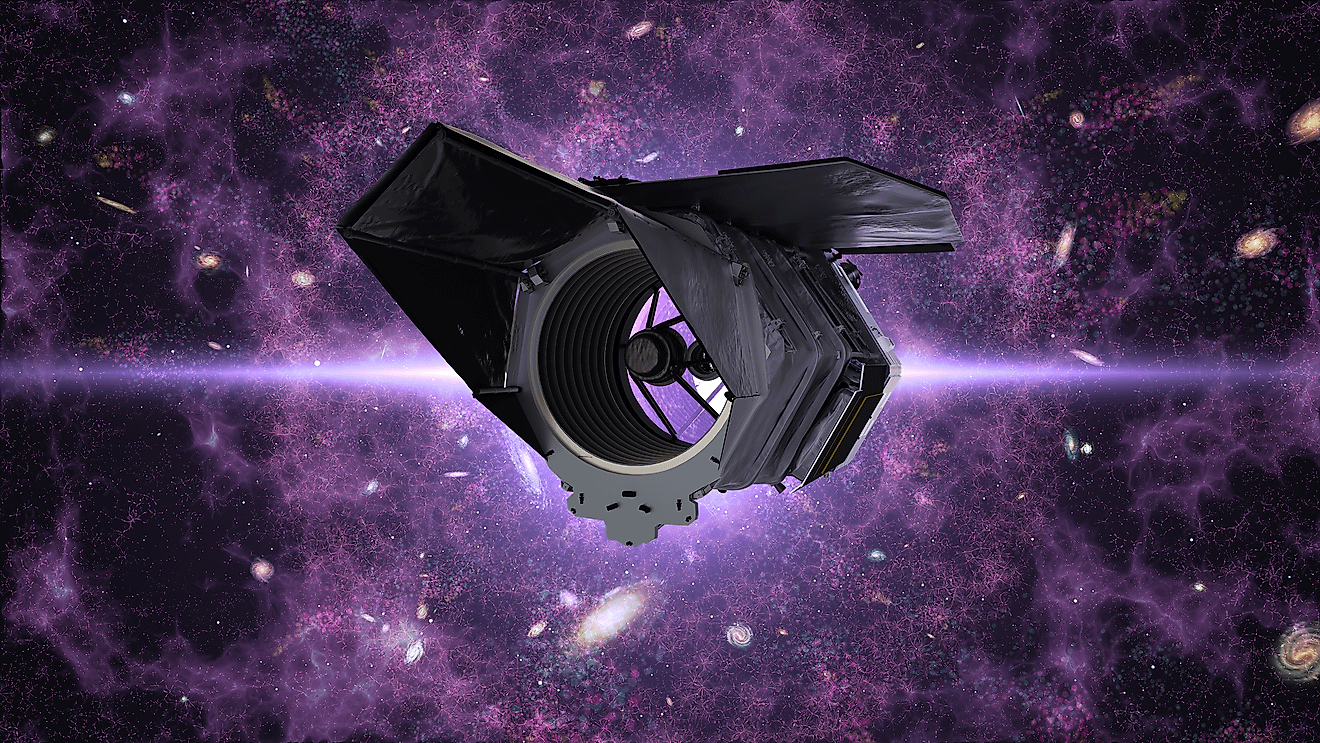
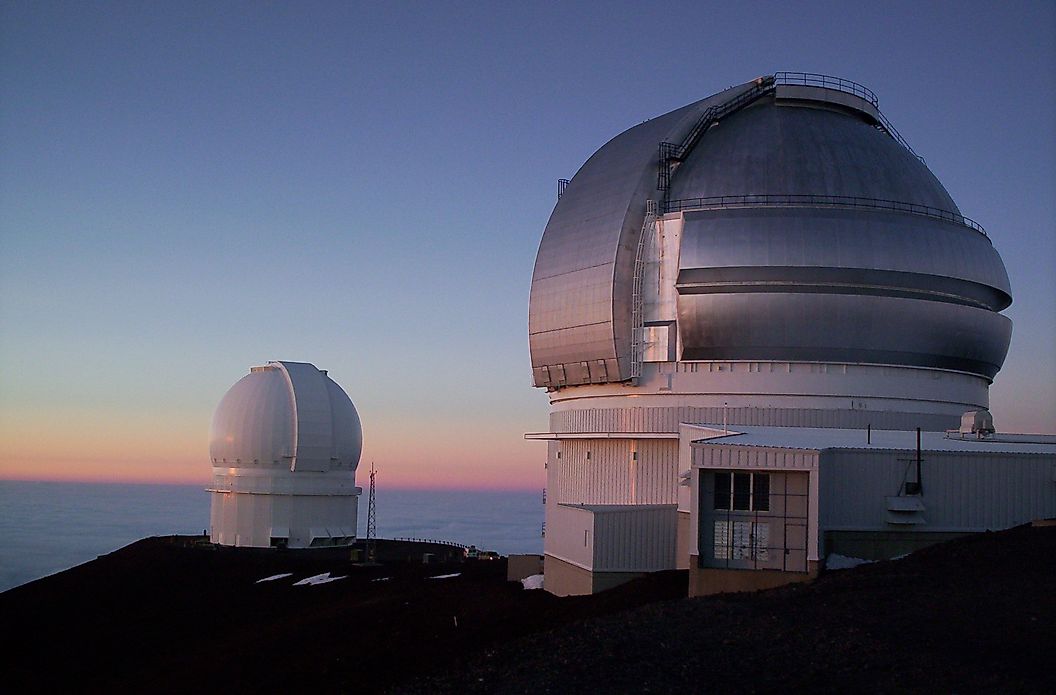
To get around the twinkling stars, astronomers now use modern equipment like ground- and space-based telescopes. Ground-based adaptive-optics systems use a natural or laser guide star to measure atmospheric wavefront distortion and command a deformable mirror that corrects it in real time. Other options include high-altitude observatories, like Hawaii's Mauna Kea, whose 13,796-foot (4,205-meter) summit sits above roughly 40 percent of the atmosphere. Due to thinner and calmer air, astronomers are able to experience less twinkling. Keck Observatory on that summit combines both methods, firing a sodium laser near 589 nanometers to excite the sodium layer about 90 kilometers (56 miles) up and create an artificial reference star wherever a bright natural one is unavailable. Placing a telescope in space eliminates distortion from Earth's atmosphere, while ground-based adaptive optics offers another powerful approach, often at lower cost. The James Webb Space Telescope does not orbit Earth at all. It circles the Sun near the second Lagrange point, roughly 1.5 million kilometers (930,000 miles) out, far beyond any air that could blur its view.
Twinkling Stars
Ordinary starlight twinkling seen by terrestrial observers is caused by turbulence in Earth's atmosphere and is absent when observing from above that atmosphere. While many enjoy gazing at the beauty of a twinkling star, they may be shocked to find that they aren't twinkling at all. In Earth's unique conditions, we witness optical illusions caused by moving winds and varying temperatures. Unlike planets, which appear as small disks, stars appear as points of light, making the effects of Earth's atmosphere more noticeable. Though humans are probably all guilty of adoring its awestruck beauty, astronomers must work around this interference to capture images. While considered a simple beauty, a star's twinkle is a surprisingly complex interaction between starlight and Earth's ever-changing atmosphere.