Which Planet Is the Windiest?
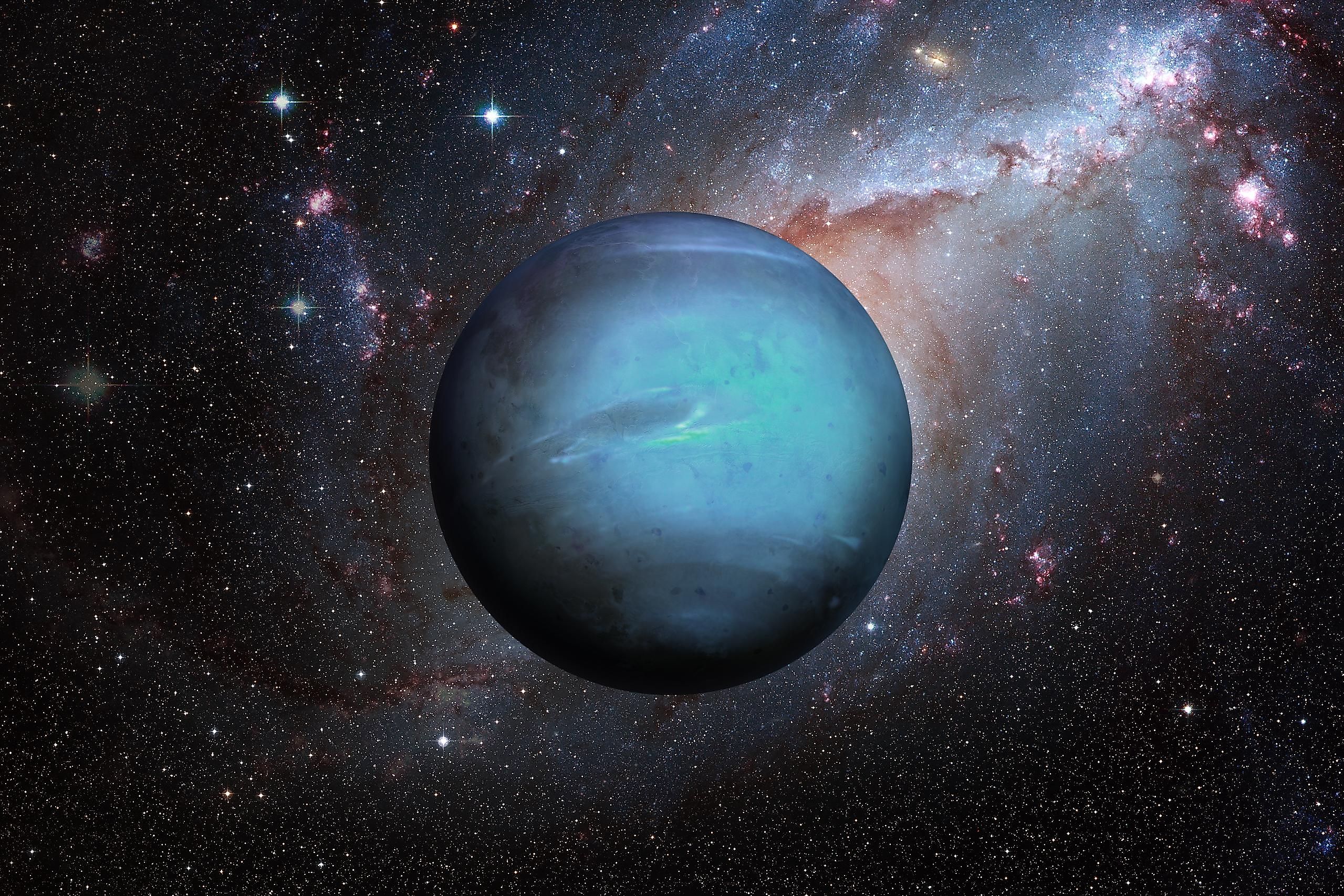
If it were even possible to stand on the planet Neptune, an ice giant, you would be instantly shredded by its 1,200 mph methane winds. Combined with Neptune's extreme pressures and temperatures, these conditions would make the planet's atmosphere extraordinarily hostile to spacecraft and life as we know it. This is what we know, and don't know, about the windiest planet in our solar system: Neptune.
Facts About the Planet Neptune

Neptune is the eighth and farthest planet from the Sun. It takes about 165 Earth years for Neptune to make a single revolution around the Sun, and the planet completed its first full orbit since its 1846 discovery in 2011. It is the only one of our eight planets that is not visible to the naked eye. It is the fourth-largest planet and the first to have been discovered using mathematics. Galileo observed it through his telescope in 1612 and 1613, but recorded it as a star rather than recognizing it as a planet.

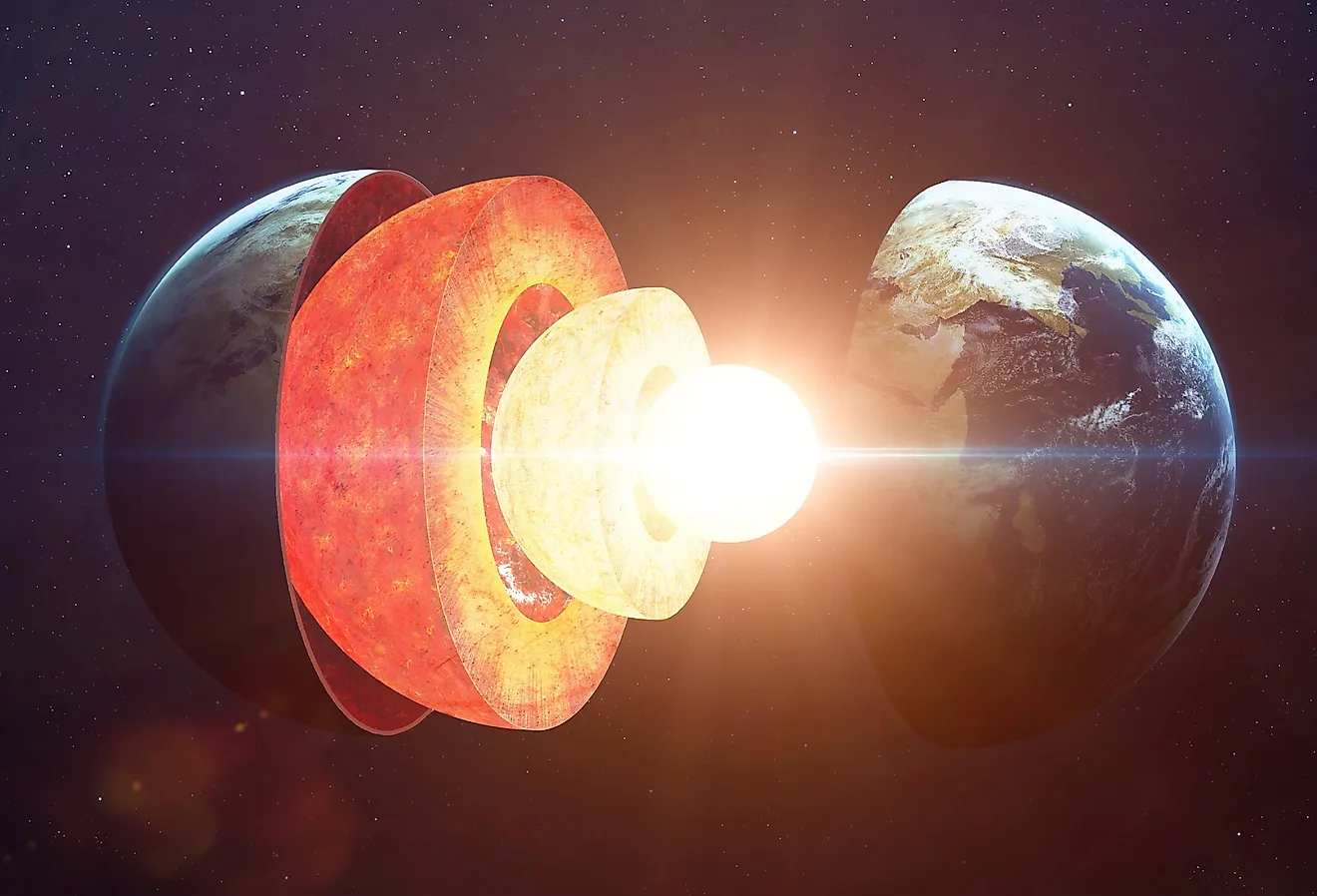
According to NASA, Neptune is an "ice giant," which in Neptune's case means that it is mostly composed of an incredibly dense mass of slushy water, ammonia, and methane surrounding a rocky core. Neptune has no solid surface like Earth's; instead, its hydrogen- and helium-rich atmosphere gradually transitions into deeper, denser fluids above a rocky core. That gas mantle also contains a minuscule amount of methane, which is what gives it its rich blue color.
Above the atmosphere are large white clouds. The movement of these clouds has helped scientists to learn details about Neptune's windy atmosphere. The planet is also surrounded by at least five full rings, along with four prominent arcs of material within its ring system. NASA believes these rings are fairly recent developments and likely short-lived. At ultra-freezing temperatures of -200 to -214 °C, life is not supportable on Neptune, to say the least.
Neptune's Storms

In 1989, a dark oval shape was observed on Neptune and named "The Great Dark Spot." Unlike Jupiter's giant red spot, a storm that has raged for hundreds of years, Neptune's huge spot has since disappeared. However, others have formed and dissolved regularly since then. Like Jupiter's, these spots are also storms.
These storms are unimaginably violent, with winds that can reach more than 1,200 miles per hour. For comparison, this is 1.5 times the speed of sound on Earth. The highest recorded wind speed on Earth is only 253 mph, measured during Tropical Cyclone Olivia. Neptune's winds are five times that speed. If you can imagine being directly hit by an F-16 fighter jet going at its fastest, you can have an idea of just how severe Neptune's winds are.

Neptune releases substantial heat from its interior, which helps power its active atmosphere, although scientists still do not fully understand what drives its extreme winds and storms. On Earth, storms and the resulting winds are eventually slowed by the friction of our solid surface. Unlike Earth, Neptune has no solid surface to interact with its atmosphere, and its winds are part of a deep, complex circulation system that scientists are still working to understand. In fact, evidence suggests the swirling winds themselves extend deep into the planet's liquid miasma, well beneath the visible cloud tops, although the exact depth remains an active area of research.
One behavior of these storms that mystifies scientists is the way they skip around in seemingly random directions, such as a sudden U-turn. Hubble has even observed a dark vortex unexpectedly reverse its drift toward the equator, highlighting how much remains unknown about Neptune's atmospheric dynamics.
How Neptune Compares to Other Windy Planets

The second windiest planet is Saturn. Its wind can gale up to 1,100 mph. Saturn's fastest winds occur near its equator, but its atmosphere contains multiple jet streams whose direction and speed vary with latitude.
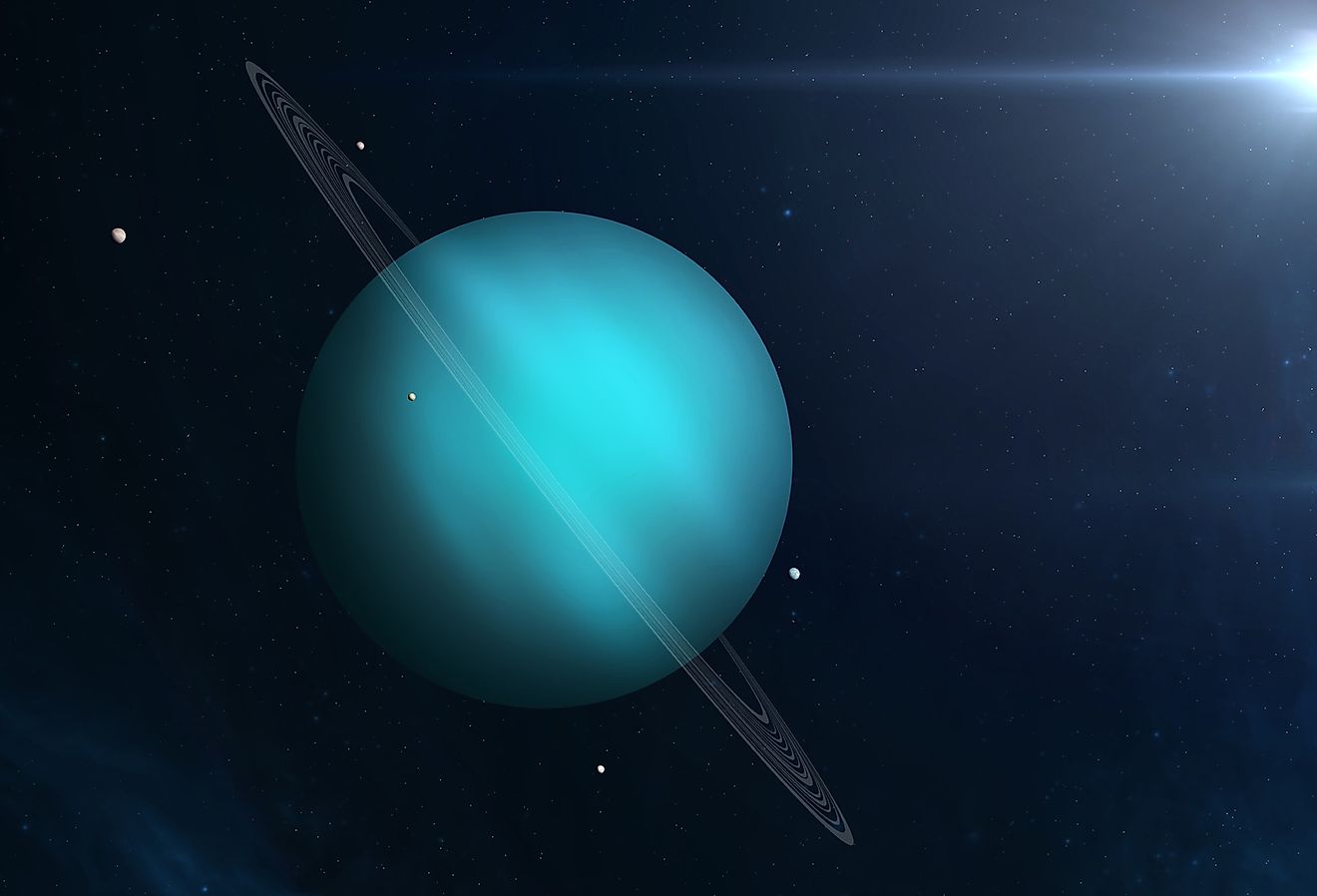
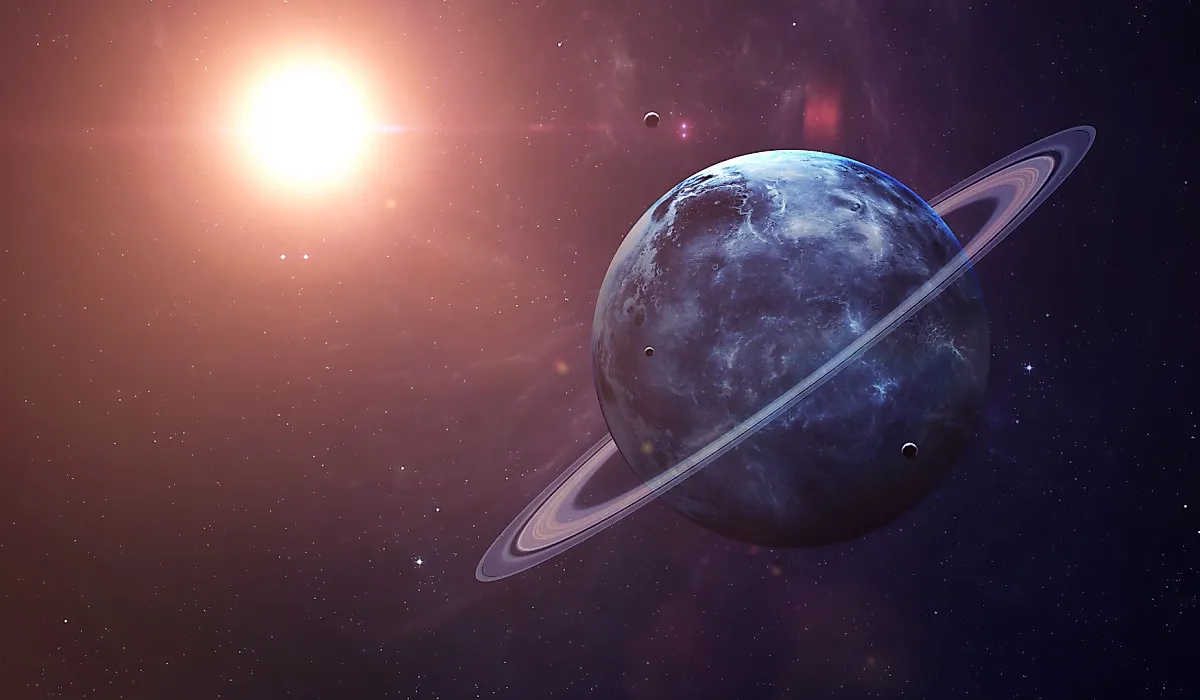
Uranus has the third-windiest atmosphere, with winds up to 560 mph. Uranus has broad atmospheric jets, with winds generally flowing westward at lower latitudes and eastward at higher latitudes. Scientists are not sure why such an extremely cold planet can generate the energy to produce winds and storms like these.
Jupiter takes fourth place for the windiest planet, even given its massive Great Red Spot storm. The winds reach a max of 425 mph.
Why Scientists Want to Learn More About Neptune's Wind
A perplexing paradox about Neptune is why, at such a distance from the sun, enough energy is generated to create the fastest winds in the solar system. Unlike Earth, where sunlight provides most of the energy driving weather, the giant planets can also draw substantial atmospheric energy from heat escaping their interiors. Scientists would also like to know why Neptune and Uranus, the two furthest planets, have such extremely different weather patterns. Although they are the only two ice giants in our solar system and similarly sized, their differences pose a mystery that experts would like to solve.
Neptune-sized and smaller "mini-Neptune" worlds are common among known exoplanets, making Uranus and Neptune important nearby laboratories for understanding this broad class of planets. Learning about our two extreme-weather planets can help us better understand alien worlds.
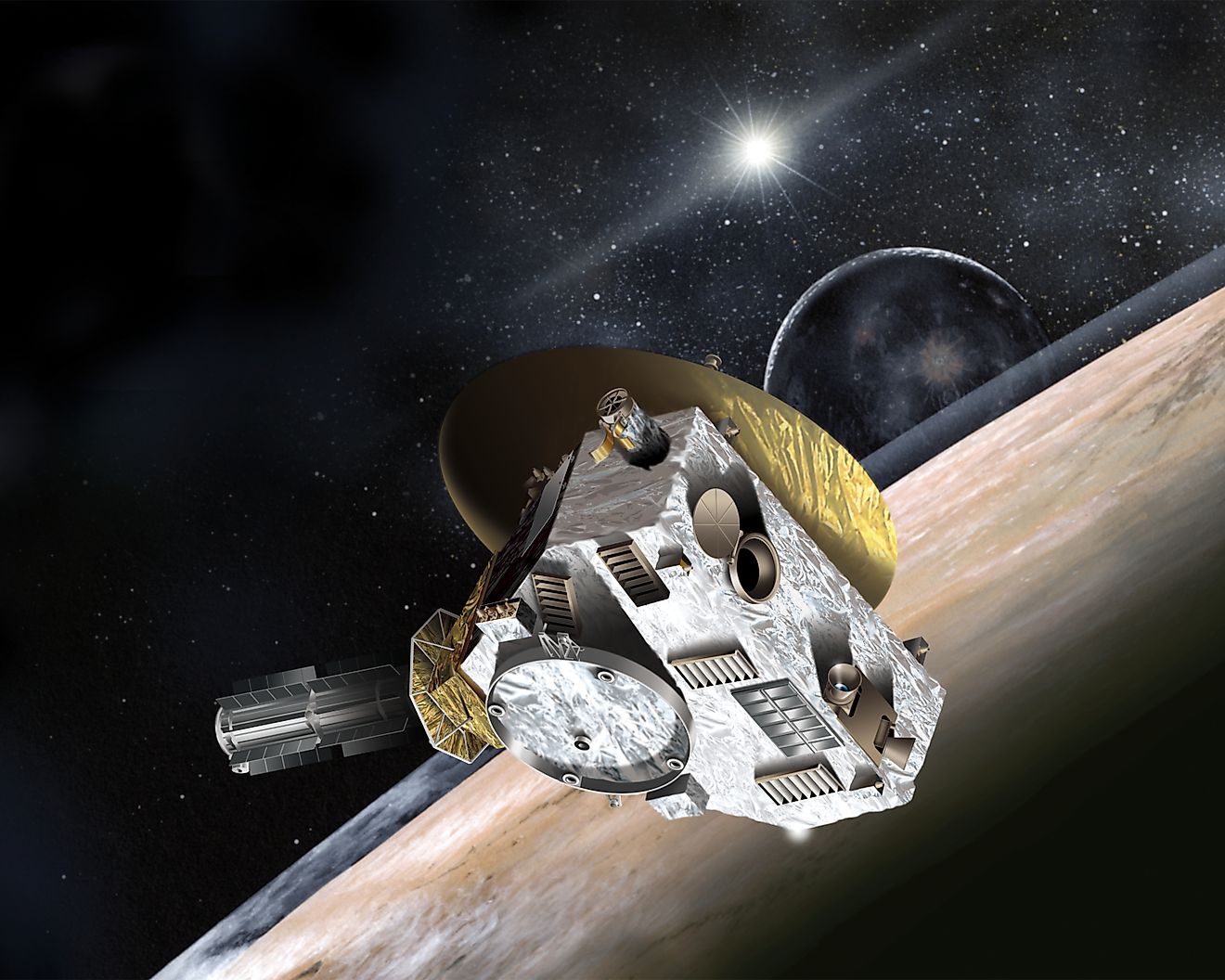
Neptune Odyssey was proposed as a flagship-class mission concept to study Neptune, its atmosphere, rings, and its moon Triton, but it has not been selected as an active NASA mission. A comprehensive observation of the planet has not yet occurred, aside from a 1989 flyby by Voyager 2. Voyager 2 remains the only spacecraft to have visited Neptune, conducting a detailed flyby in August 1989 that transformed scientists' understanding of the planet and its moons.