Why Perseverance Is Collecting Rocks It Can’t Send Home
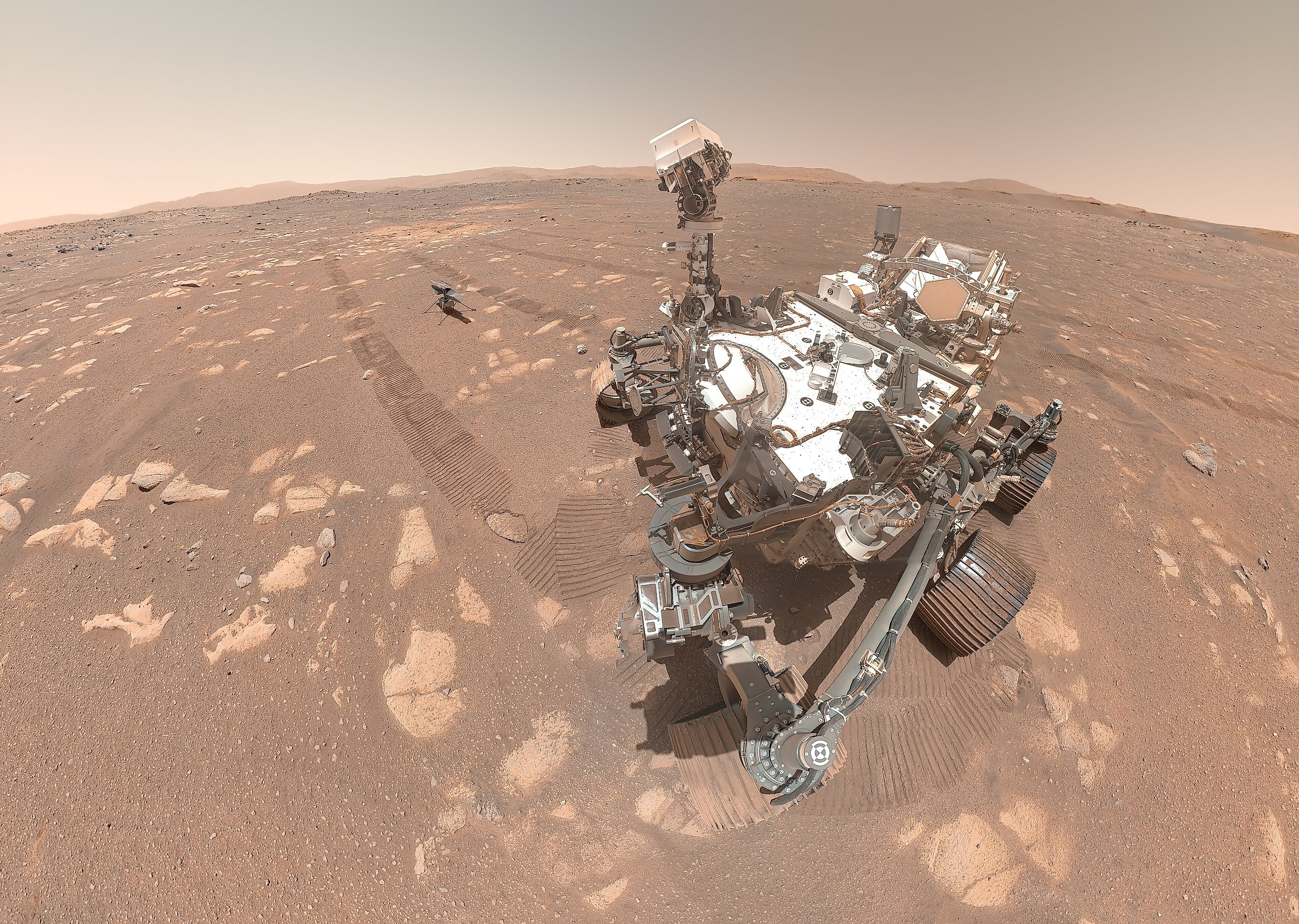
In an effort to learn more about Mars and potentially unlock new secrets about our solar system, Perseverance is collecting pieces of the Red Planet where a lake once stood more than 3.5 billion years ago. In addition to drilling into rocks and inspecting their cores, the innovative rover can prepare the samples for transport by sealing them in a titanium tube. Still, returning that crucial cargo back to Earth requires additional missions and new spacecraft, which NASA simply can't afford. After costs climbed into the billions, Congress canceled the program in January 2026, as the White House budget had proposed. Then in November, the space agency began pursuing new solutions to get the rocks home. So while NASA continues to work out how to retrieve the collection, Perseverance keeps on packing.
Why Scientists Want The Rocks On Earth

Perseverance is equipped to spot intriguing rocks, but the real breakthroughs would happen back on Earth, where scientists have access to a far wider range of sophisticated tools and expertise. Here, teams can share samples across specialized labs and preserve material for future study. A rock collected today might still reveal new secrets decades from now, long after the rover's mission has ended.
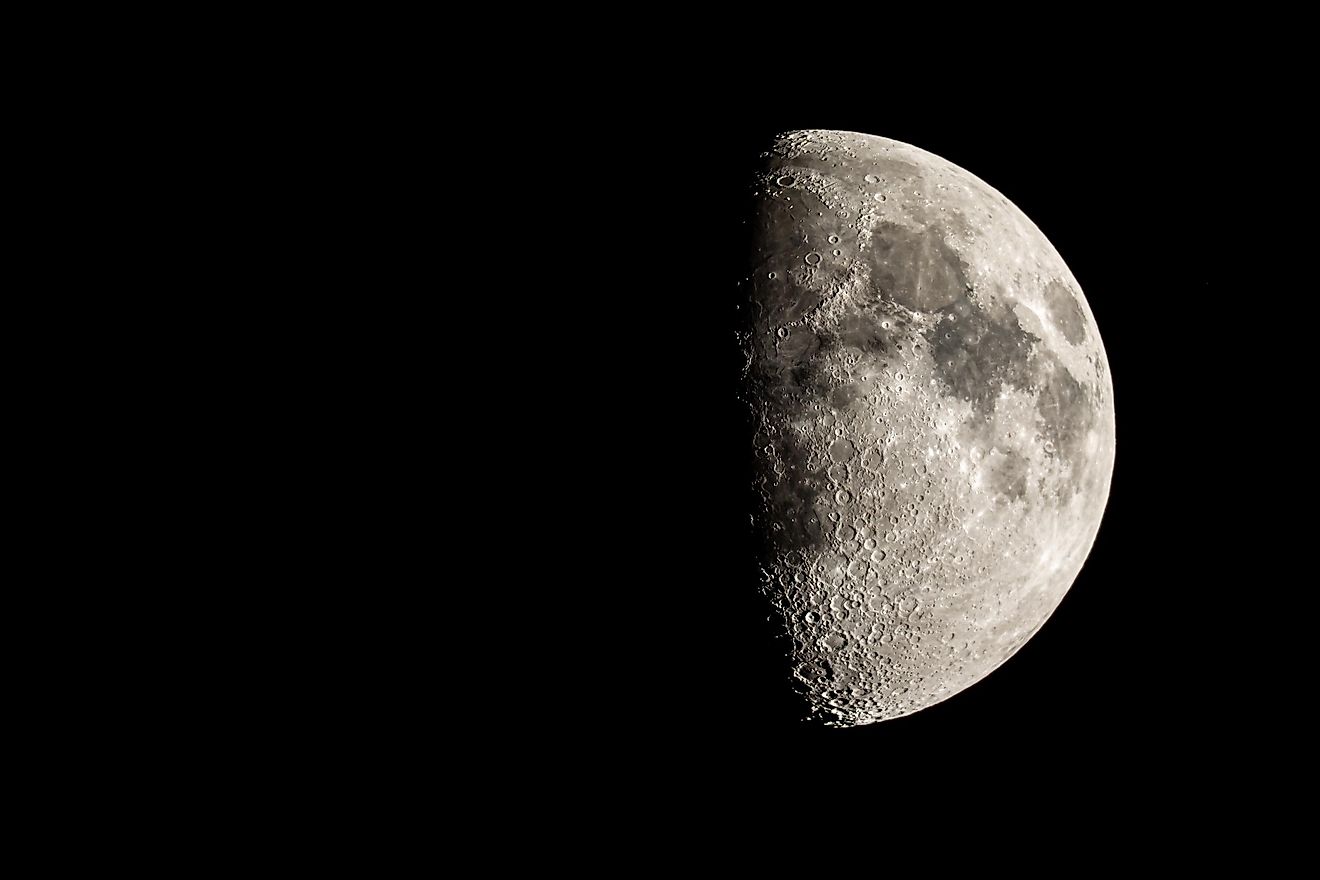
The Apollo program shows how that works in practice. In December 1972, Apollo 17 astronauts collected a core of lunar soil and vacuum-sealed it on the Moon. NASA left the sample unopened for about 50 years, then opened it in 2022 so scientists could study it with techniques that did not exist when it was collected. A Mars sample stored with the same care could reveal new details long after the first round of lab work is done.
The Spotted Rock At Cheyava Falls

Among the most intriguing finds to date is a reddish rock at Cheyava Falls, which Perseverance first examined in July 2024. Its surface is peppered with pale spots edged in dark, resembling leopard spots, along with tiny dark specks nicknamed poppy seeds. The rover's instruments also detected signs of organic carbon and minerals arranged in ways that might indicate chemical reactions by ancient microbes. To keep these clues safe for closer inspection, Perseverance drilled a core sample — now called Sapphire Canyon — and tucked it away in one of its 38 sample tubes.
Interest in these clues grew in September 2025 when a study suggested they might be biosignatures, which are features that could signal past or present life. Of course, minerals like these can also form without any help from living things, so scientists are careful to consider other possibilities. By bringing Sapphire Canyon back to Earth, researchers could take a much closer look at the chemistry behind those unusual spots. That closer study might reveal whether the rock holds evidence of a rare geological process, or perhaps even traces of primordial life that once called Mars home.
The Missing Ride Home

The earlier plan from NASA and the European Space Agency called for a complicated relay involving several specialized spacecraft. First, a lander would touch down on Mars carrying a small rocket. After Perseverance delivered its sample tubes, the rocket would launch the container into orbit around Mars. There, another spacecraft would intercept it and begin the long journey back to Earth. Perseverance itself would remain on the Martian surface.
All those moving parts made the mission expensive. By April 2024, NASA estimated the effort would cost between $8 billion and $11 billion, with the earliest possible return of Martian samples set for 2040. In January 2026, Congress canceled the original program, as NASA's own 2026 budget request had proposed. Now, as of November 2026, NASA is taking another look at how to bring the samples home. Officials have announced a new strategy study set to begin in January 2027, according to SpacePolicyOnline and NASA. The team will weigh the options and recommend a path forward; however, the spacecraft that could make it happen have yet to be built.
A Backup Cache In Jezero Crater

Perseverance, meanwhile, has worked to avoid becoming a stranded storage unit. Between December 2022 and January 2023, the rover deposited 10 sample tubes at a site called Three Forks in Jezero Crater, creating a backup cache. Each tube's location was precisely mapped, so a future mission could recover them even if Perseverance is unable to hand over its onboard collection.
By continuing to gather samples, Perseverance is giving future missions more material to study. The rover can examine a rock in its original setting, record the details of its environment, and save a core for scientists back on Earth. Locked inside those tubes could be the first evidence that life once existed on another planet. Perseverance has already completed the careful task of collecting them. The final hurdle is finding a way to transport a few inches of Martian rock across the vast distance separating Mars and Earth.
Martian Rocks Still Waiting For Earth
Perseverance has done its part on Mars, drilling cores from rocks like Cheyava Falls, sealing them in titanium tubes, and leaving a backup cache at Three Forks in Jezero Crater. The original plan to bring those tubes to Earth was canceled in January 2026, so NASA's new strategy study, set to begin in January 2027, is the next step toward a ride home. For anyone hoping to see Sapphire Canyon studied in labs on Earth, each sample the rover seals is one more piece of Mars waiting for that trip.